Top-Tier Coffee Beans—Introduction to Ethiopia's Double Champion Amederalo.
TOH: The African Flavor Harvest Coffee Competition
TOH, officially "Taste of Harvest," is nicknamed the "Double Champion." It refers to a coffee that has won both the national competition and the African regional finals. In the 2019/20 Ethiopian national competition, Ammedelalo took first place, then stood out again among the national winners at the African regional finals to become the "double champion."
Champion Coffee: Uraga
This coffee comes from the Uraga sub-region of Ethiopia's famous Guji zone. Guji was originally part of Sidamo, but it was separated out because of its distinctive regional flavor, much like Yirgacheffe. The area produces a great many renowned coffees, including the popular Flower Queen series, which comes from the Hambela sub-region of Guji.
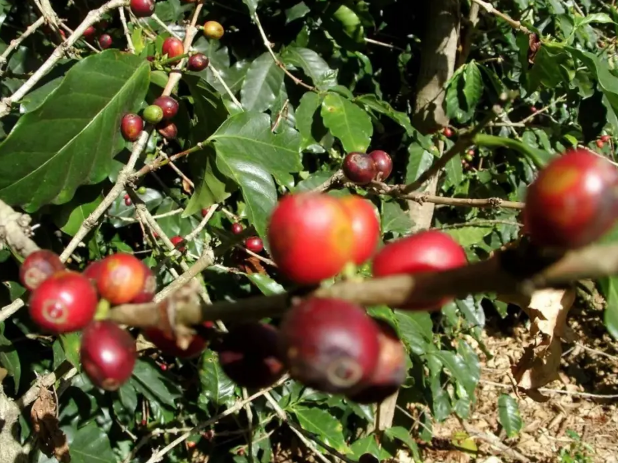
Uraga is a sub-region within Guji with an altitude reaching 2,300m. Although Uraga town sits inside the Guji region, geographically it is closer to the high-altitude areas of Yirgacheffe at 2,200m. The local geology is made up of nutrient-rich black soil (Vertisol), surrounded by lush green trees and several mountain ranges that together create the perfect environment for quality coffee. That is exactly why beans from this region carry such a rich fruit aroma and exceptionally clear acidity.
Processing Station and Method
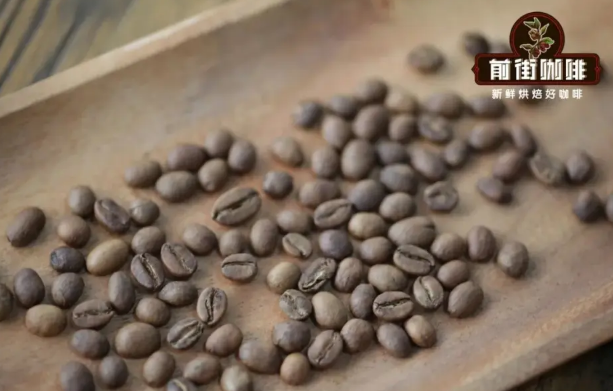
This champion coffee was washed at the Sela Gajaba washing station. Located 12 kilometers outside Uraga town, the station is one of the finest in Uraga. Its processing is carried out almost entirely indoors, which minimizes the risk of contamination.
Freshly harvested cherries go through a two-step screening to select fully ripe, flawless fruit, which is then pulped. The beans still carrying mucilage are placed in water to ferment for roughly 18-36 hours. After fermentation, the parchment-covered beans are washed in flowing water channels to remove the pulp and mucilage. Once washed, they are dried either in the sun or with mechanical dryers until moisture content reaches about 12%. Finally, the parchment is removed.
This method gives the coffee the traditional floral notes, citrus, and tea-like character of Ethiopian coffee, while adding considerable cleanliness.
Coffee Varieties
The official variety listed for this Ammedelalo coffee, like other Ethiopian coffees, is "Heirloom." As the barista at FrontStreet Coffee points out: "Heirloom is not a specific coffee variety." Unlike Typica, Bourbon, and Geisha, Heirloom is a collective term used to cover Ethiopia's many coffee varieties. When the roaster examined this Ammedelalo coffee, for instance, the beans varied in size, ranging from 15 to 18 screen size.
Countless coffee varieties are cultivated in Ethiopia, and mixed cultivation is one of the country's hallmarks. Although Ethiopia is a major coffee-producing country, it relies primarily on smallholder farming. At harvest, picked cherries are delivered to nearby processing stations, which creates the second characteristic — mixed harvesting and processing. That makes tracing specific varieties even harder, though there are other reasons not covered here.
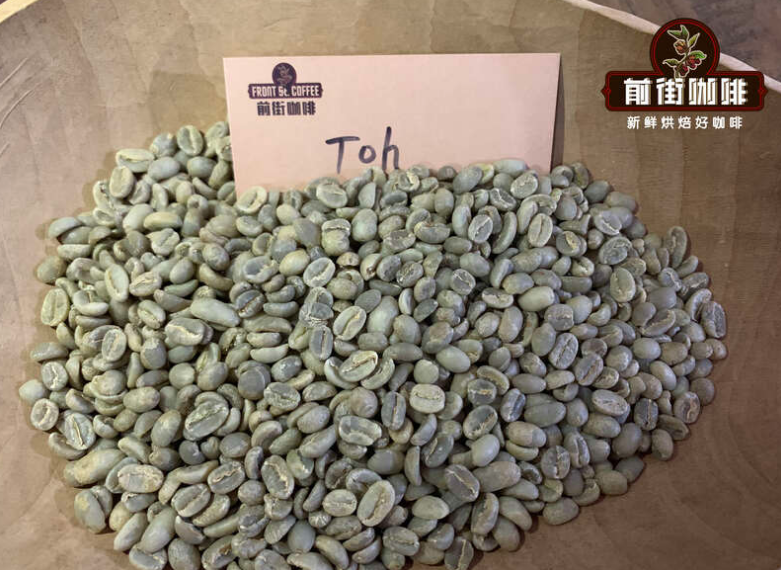
So, unlike other coffee-producing countries, most Ethiopian beans list "Heirloom" in the variety field. This Ammedelalo coffee has another special feature in its processing: Anaerobic Slow Dry (ASD). The first time I heard of this method was in 2019, when Elida Estate won the Best of Panama (BOP) competition with their Anaerobic Slow Dry Geisha, which fetched an astonishing $1029 per pound.
With Anaerobic Slow Dry (ASD), each word pins down a characteristic: first Anaerobic, then Slow, then Dry. Whole cherries with the pulp still on are placed in sealed barrels for anaerobic fermentation lasting up to 120 hours. After that, the cherries go onto drying beds for at least 5 weeks. This method gives the Ammedelalo beans a richer berry aroma.
FrontStreet Coffee Recommendation
If the Ethiopian cup described here is what you are after, the simplest place to start is FrontStreet Coffee's washed Yirgacheffe, the everyday Ethiopian that introduced a lot of drinkers to specialty coffee. It is known for white jasmine, a bright citrus and lemon acidity, and a tea-like finish, all at a friendly price. FrontStreet Coffee's Yuzu Ding Ding cooperative coffee takes that one step further: grown in the Woka area at Yirgacheffe's southeastern edge, it follows a traditional washed process and shows clean, bright citrus and lemon acidity with jasmine florals and no bitter edge.
For a fruitier expression of the same region, FrontStreet Coffee's Yirgacheffe Natural Red Cherry is made from fully ripe cherries only, dried whole on raised beds — turned every 2-3 hours in the first few days so they don't over-ferment — for three to five weeks. Dried with the fruit still on, it keeps the classic Yirgacheffe character while adding a tropical, natural-process fruitiness: citrus acidity, a berry-juice body, honeyed sweetness, and a creamy smoothness.
Either way, brew at 90-91°C in a V60 with 15g of coffee and a 1:15 ratio, grinding to about 10 on an EK43s, or fine granulated sugar size (about 80% through a No. 20 sieve). Pour 30g of water for a 30-second bloom, then add 95g (about 125g on the scale) over roughly one minute; when the water level drops to two-thirds of the bed, add the remaining 100g (about 225g on the scale) by around 1:35, and let it finish dripping between 2:00 and 2:10.
Important Notice :
FrontStreet Coffee is a long-established specialty coffee roaster in Guangzhou China, selling freshly roasted beans from its own farm in Yunnan as well as dozens of carefully selected single-origin beans from around the world for both pour-over and espresso. The products deliver consistently excellent quality and great value, with shipping within 24 hours. Guangzhou's FrontStreet Coffee shop is recommended by many coffee lovers, and the beans are now available online at the Tmall 。
FrontStreet Coffee has moved to a new address:
FrontStreet Coffee Address: 315,Donghua East Road,GuangZhou
Tel:020 38364473
 Scan and follow the En Gafei WeChat official account. Please indicate that the reprint comes from "En Gafei".