Introduction to Honduras Coffee Bean Characteristics, Are Honduras Sherry Barrel Fermented Coffee Beans Good to Drink?
Honduras, officially the Republic of Honduras, is a mountainous country in Central America. It borders Guatemala, El Salvador and Nicaragua, and sits between the Pacific Ocean and the Caribbean Sea, with a coastline on both.
This area was originally inhabited by indigenous peoples. In 1502 Columbus landed here and named it Honduras, meaning "depths." In the early 16th century it became a Spanish colony. On September 15, 1821, it declared independence. In 1823 it joined the Federal Republic of Central America, and after the federation dissolved in 1838 it established itself as a republic.
The majority of the population is of mixed-race descent, which is why most Hondurans are Catholic. Music is popular in Honduras, and the country also holds abundant mineral resources, including gold, silver, coal and antimony, with silver reserves ranking first in Central America.
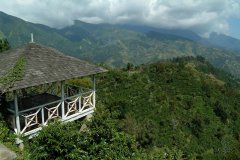
Honduras is the most mountainous country in Central America, which suits it to growing coffee and bananas, both important exports for the region.
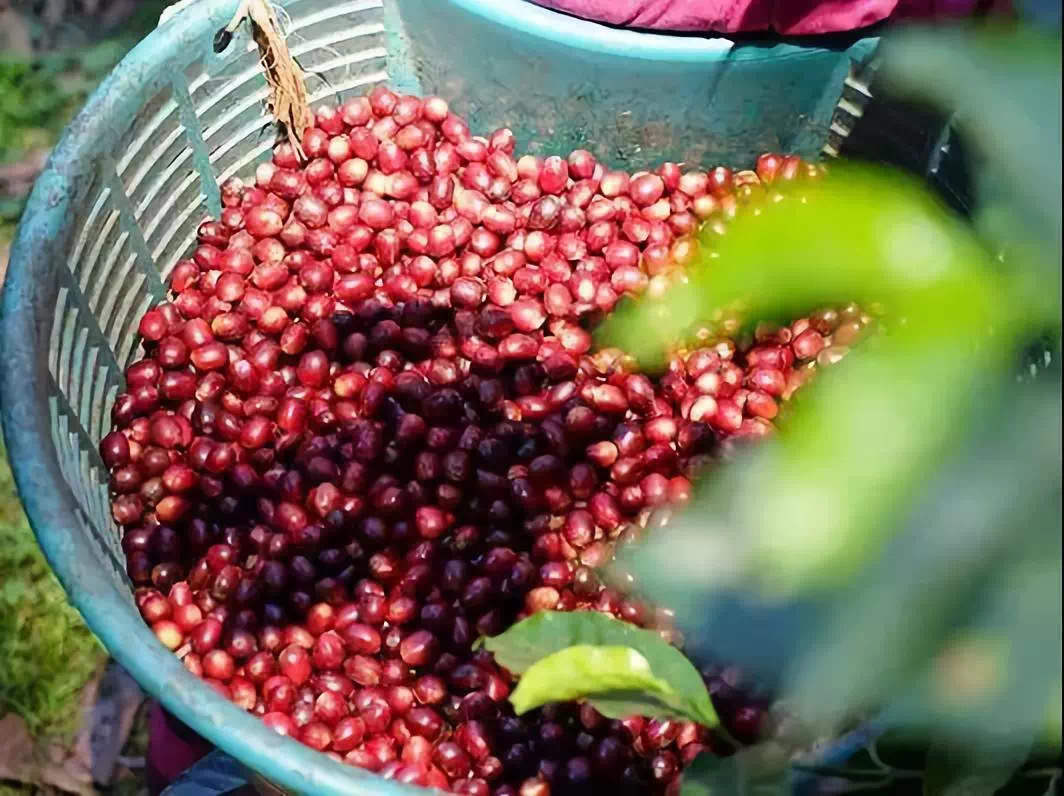
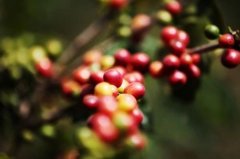
Honduras is not only the largest coffee producer in Central America; counting only washed Arabica, it is actually the world's second-largest producer of washed Arabica. In the early 21st century Honduran coffee overtook bananas to become the country's most important cash crop. Banana production is dominated by large American companies, but coffee is grown by smallholders. Honduras currently has 110,000 coffee farmers, and hand-picking the cherries is the primary method of collection, with the harvest running from November to March each year. Honduras produces two grades of excellent coffee that enthusiasts hold in high regard. One is "Highland Coffee," grown at altitudes of 1,000-1,500 meters, and the other is "Selected Highland Coffee," grown at 1,500-2,000 meters, which represents Honduras's highest grade. Most Honduran coffee is exported to the United States and Germany.
Honduras grows mainly Arabica varieties, principally Bourbon, Caturra, Catuai, Typica and Pacas-derived types.
Barrel Fermentation Processing Method
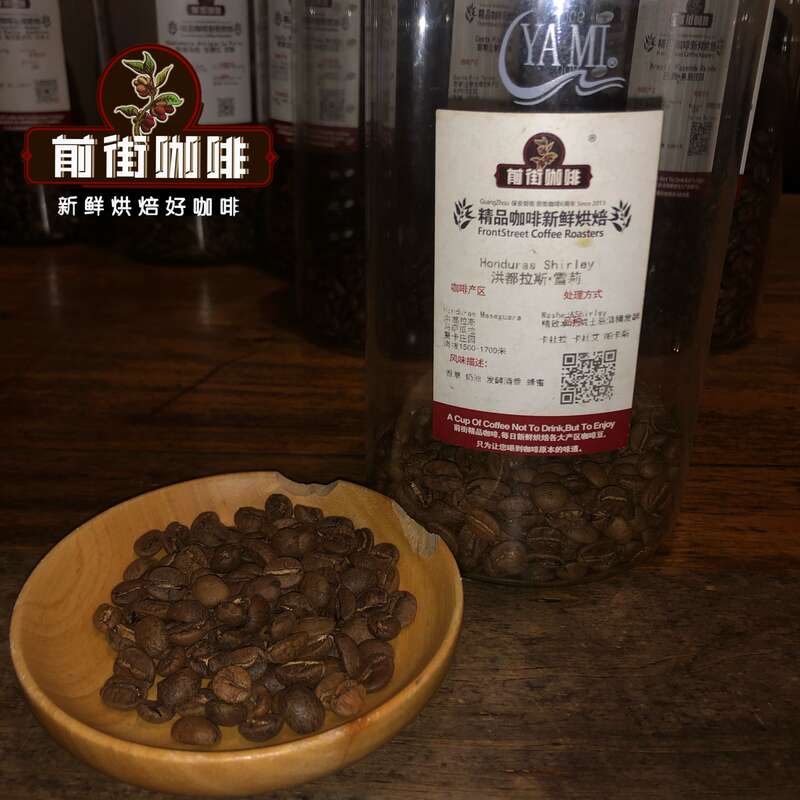
This Honduran Sherry coffee is processed using the barrel fermentation method, which gives it a rich, wine-like character.
The barrel fermentation process in Honduras begins with carefully washed cherries after harvest, which are then placed in brandy oak barrels for low-temperature fermentation for 30-40 days at approximately 15-20°C, followed by shade drying. The Honduran Lychee Orchid coffee, having gone through brandy barrel fermentation, presents a soft character with lychee and honey sweetness, while also taking on the brandy's rich wine aroma and oak-barrel fragrance. Truly remarkable.
Coffee Information
Country: Honduras
Region: Marcala (Mocca Estate)
Altitude: 1500-1700m
Varieties: Caturra, Catuai, Pacas
Processing: Fine washed + whiskey barrel fermentation
Flavor profile: Vanilla, cream, fermented wine aroma, dark chocolate, moderate acidity, a distinct wine character and dark cocoa notes, with a lasting fermented sensation.
FrontStreet Coffee Recommendation
The Mocca Estate starts with a fine washed process and then lends the beans a brandy-barrel wine character, so the cup keeps the clean structure of a washed Honduras while gaining vanilla, cream and dark chocolate. If that washed base is what you enjoy, the FrontStreet Yirgacheffe Gudingding Cooperative shows the same clarity without the barrel influence: washed and roasted medium-light, it fills out with jasmine florals, bright citrus acidity, green tea and honey, and works as a pour-over, cold brew or espresso.
For a washed coffee built around balance rather than fruit, the FrontStreet Jamaica Blue Mountain No.1 is the reference point. Washed processing removes the skin, pulp and mucilage before drying, shortening the drying time and producing clean, translucent beans with a low defect rate — which is what protects the hazelnut, cream, chocolate and caramel flavors and the evenly balanced body that Blue Mountain is known for.
Important Notice :
FrontStreet Coffee is a long-established specialty coffee roaster in Guangzhou China, selling freshly roasted beans from its own farm in Yunnan as well as dozens of carefully selected single-origin beans from around the world for both pour-over and espresso. The products deliver consistently excellent quality and great value, with shipping within 24 hours. Guangzhou's FrontStreet Coffee shop is recommended by many coffee lovers, and the beans are now available online at the Tmall 。
FrontStreet Coffee has moved to a new address:
FrontStreet Coffee Address: 315,Donghua East Road,GuangZhou
Tel:020 38364473
 Scan and follow the En Gafei WeChat official account. Please indicate that the reprint comes from "En Gafei".