What is Coffee Anaerobic Processing: What's the Difference Between Anaerobic Natural and Anaerobic Washed Coffee
These days it seems coffee processing isn't considered innovative unless some form of anaerobic treatment is involved. In truth, anaerobic processing isn't especially high-tech. Put coffee cherries in a stainless-steel tank with a one-way valve, letting carbon dioxide vent out as oxygen is displaced, and you have an anaerobic environment. Likewise, sealing cherries in a bag and squeezing out the excess air also counts as anaerobic processing.
So the real challenge isn't implementation — it's control and management. Early on, anaerobic processing reduces oxygen's role in fermentation, and once fermentation reaches a certain point, it inevitably brings out flavors reminiscent of stone fruits like peach. As more people discovered this, coffee regions around the world began copying the technique, and anaerobic processing gradually spread across the globe.
Beyond delivering specific flavors, anaerobic processing can create a rich, smooth mouthfeel and aromas that heighten perceived sweetness, making the coffee taste "sweeter." As noted above, the core question isn't whether anaerobic processing is used, but how precisely the degree of fermentation is controlled.
Anaerobic Coffee Flavors: FrontStreet Coffee's Colombian Selection
To see what anaerobic coffee actually tastes like, let's look at several Colombian specialty beans on FrontStreet Coffee's menu. Colombia spans 11 distinct altitude bands, each producing flavors that can't be matched anywhere else in the world.
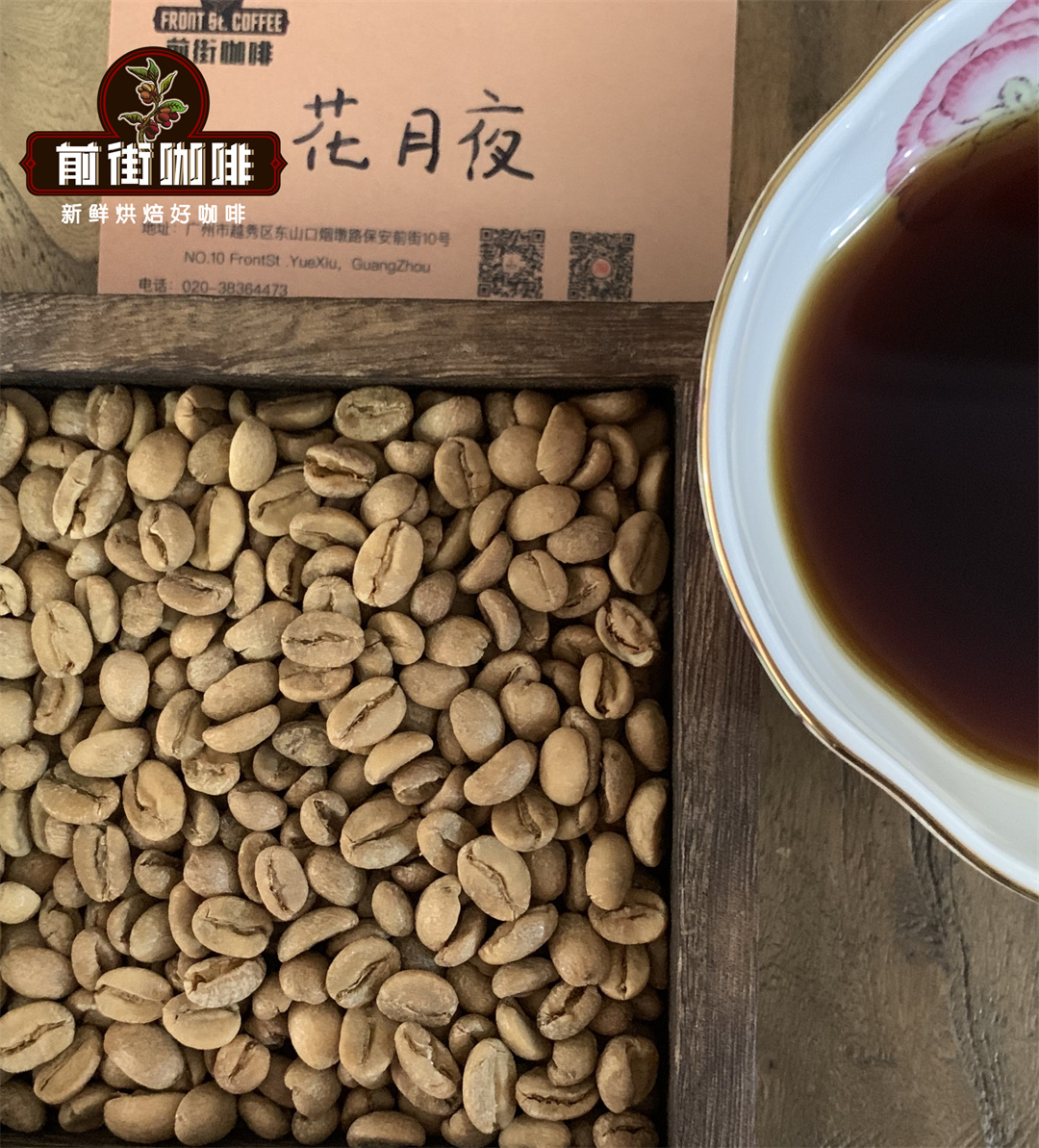
These Colombian coffees include:
FrontStreet Coffee's Colombian Flower Moon Night is an anaerobic natural, with notes of strawberry jam, fermented wine, and chocolate in the cup.
FrontStreet Coffee's Colombian Rose Valley uses anaerobic enzyme washing, presenting notes of rose, peach, and liqueur-filled chocolate.
FrontStreet Coffee's Colombian Hacienda El Paraiso Sakura undergoes double anaerobic washing, revealing notes of mugwort, berries, ferment, spice, and strawberry jam.
FrontStreet Coffee Recommendation
FrontStreet Colombia Boundary Estate Sidra (anaerobic natural, medium-light): for a first-hand taste of what anaerobic processing does, this is the bean to try. The oxygen-free fermentation — run in a pressurized stainless-steel tank with temperature, time, and pH under control — coaxes out an abundance of tropical fruit aromatics. Brew it as pour-over, cold brew, drip bag, or moka pot and you'll find passion fruit, grape, apricot, and dried fruit in a rich, complex, deeply fragrant cup.
FrontStreet Colombia Huila (washed, medium-dark): the classic counterpoint — Colombia's most storied specialty region, planted above 1500 meters in the hill country where the country's great rivers meet. Roasted medium-dark, it leans into dark chocolate and nutty sweetness with moderate crema and a full mellow body, working for pour-over and French press as well as moka pot and espresso.
Important Notice :
FrontStreet Coffee is a long-established specialty coffee roaster in Guangzhou China, selling freshly roasted beans from its own farm in Yunnan as well as dozens of carefully selected single-origin beans from around the world for both pour-over and espresso. The products deliver consistently excellent quality and great value, with shipping within 24 hours. Guangzhou's FrontStreet Coffee shop is recommended by many coffee lovers, and the beans are now available online at the Tmall 。
FrontStreet Coffee has moved to a new address:
FrontStreet Coffee Address: 315,Donghua East Road,GuangZhou
Tel:020 38364473
 Scan and follow the En Gafei WeChat official account. Please indicate that the reprint comes from "En Gafei".