Illustrated Guide to Moka Pot Brewing: Tips and Tutorial
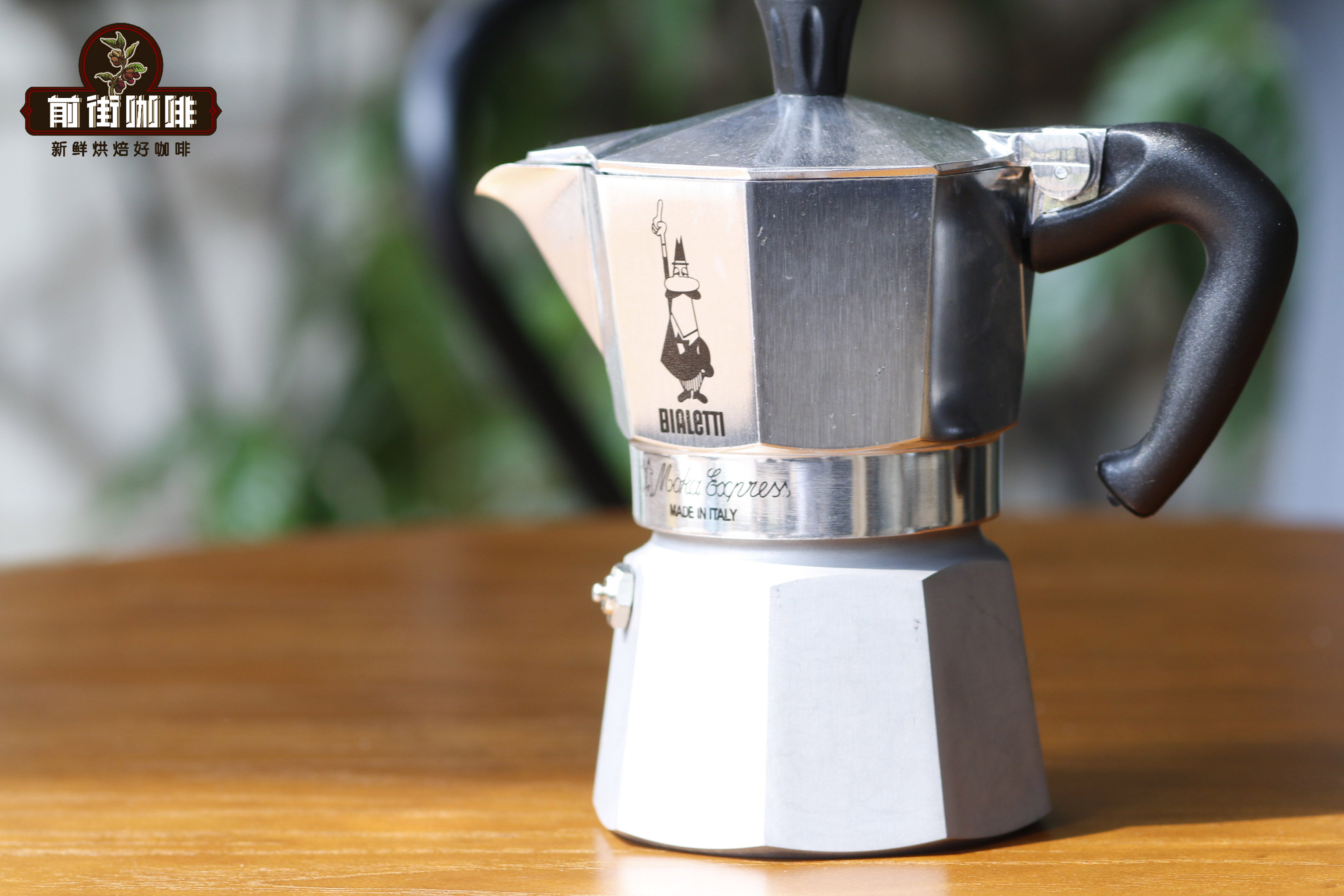
The Moka pot is a national-level coffee brewer in Italy. It is said that 8 out of 10 Italian households keep one on hand. Yet it has relatively few users in China, so a complete guide to using it has been hard to find. This time, FrontStreet Coffee offers a full tutorial on the Moka pot.
Structure and Principle of the Moka Pot
The Moka pot has three parts: the upper chamber, the coffee filter basket, and the lower chamber. The lower chamber holds water, the filter basket holds the grounds, and the upper chamber collects the brewed coffee.
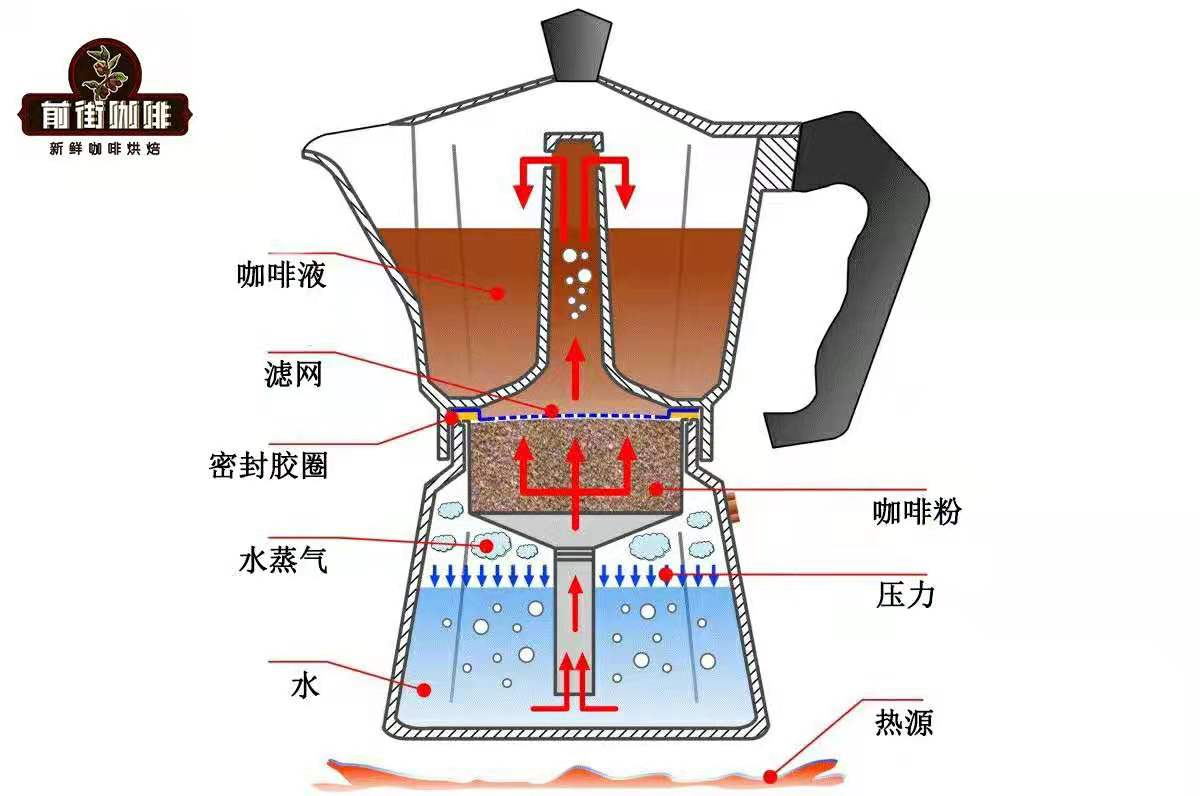
The principle is simple. By heating the lower chamber, the water inside builds steam pressure. When the pressure reaches a certain level, it pushes hot water up to the upper chamber — much like a siphon brewer. As the hot water passes through the filter basket, the coffee grounds create resistance. When the water overcomes that resistance, it flows into the upper chamber as rich, aromatic coffee.
Moka Pot Tutorial Section
Most Moka pot questions come down to how much coffee to use, how much water to add, and how fine to grind. FrontStreet Coffee answers each in turn.
Coffee Amount for Moka Pot
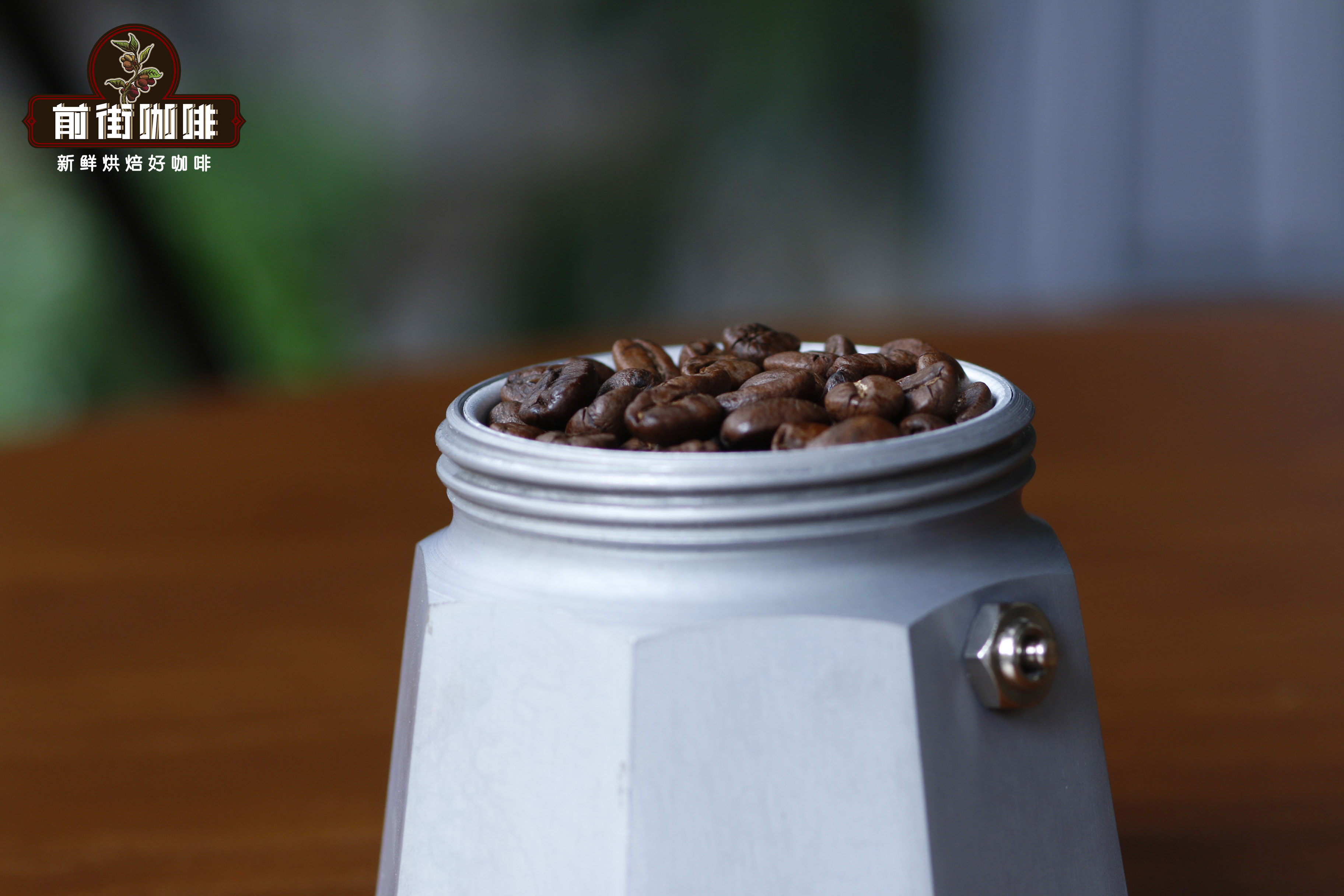
When you buy a Moka pot, you'll usually see different sizes — 2-cup, 3-cup, up to 18-cup versions. The main difference between them is the capacity of the filter basket. In other words, how much coffee you need depends on your basket's size. The most direct way to measure is to fill the basket with whole beans until it is full and level with the rim, then grind those beans.
For those who prefer a formula, you can also weigh the beans that fill the basket and record the number. FrontStreet Coffee uses a Bialetti 3-cup single-valve Moka pot, and the measured coffee amount is 18g.

Water Amount for Moka Pot
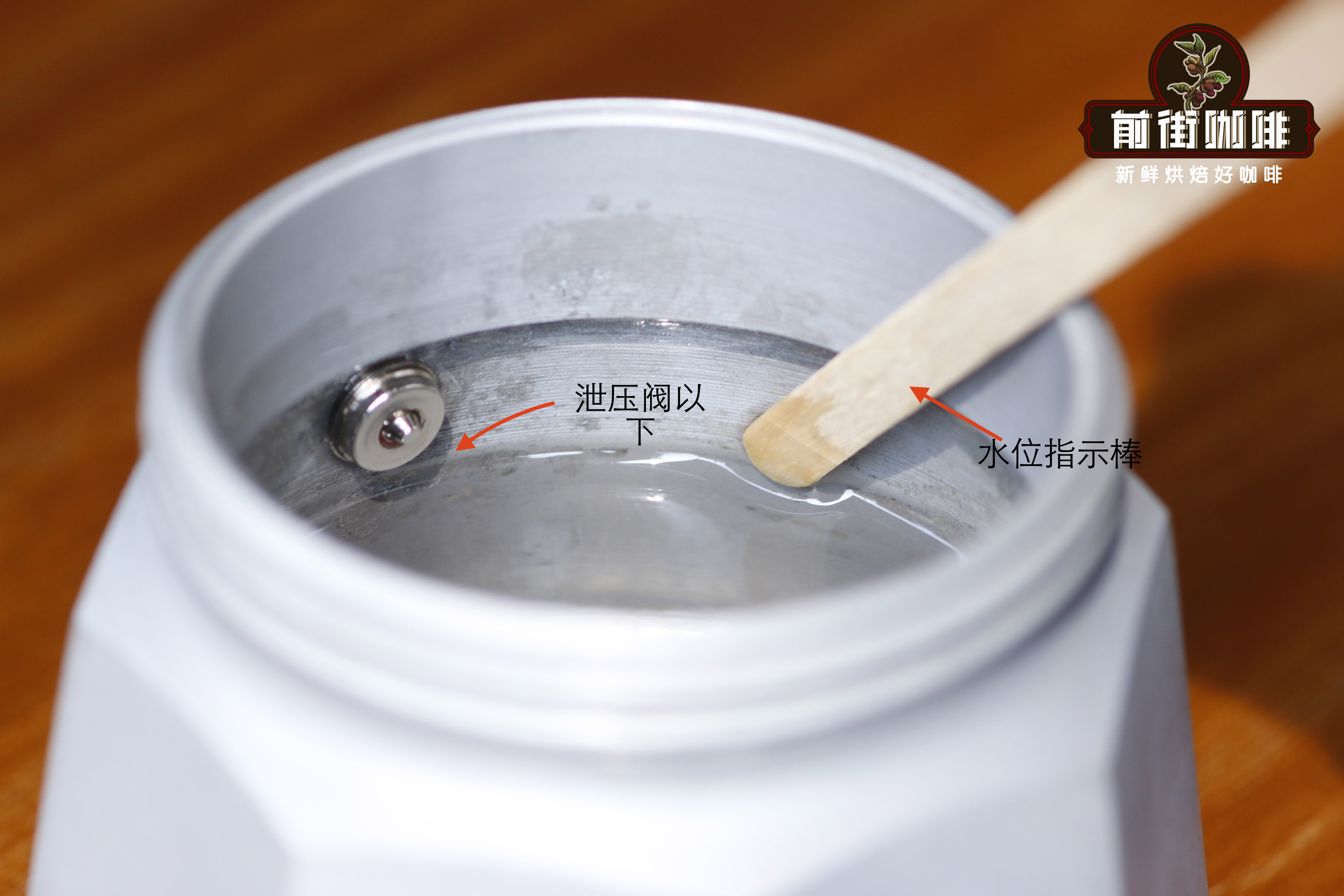
How much water to add is another common concern. Look at the lower chamber and you'll notice a prominent hole — the pressure relief valve. This valve prevents explosions that can occur when pressure builds too high, for example if the grounds are too fine. If water covers the valve, it may lose its relief function, raising the risk of an explosion.
The water level should generally sit about 0.5 centimeters below the pressure relief valve. For those who prefer a formula, you can weigh the water and record it. FrontStreet Coffee uses a Bialetti 3-cup single-valve Moka pot, and the measured water amount is 130ml.
Coffee Grind Size for Moka Pot
First, note that Moka pot grind size differs from espresso grind size. An espresso machine runs at greater pressure (9 bar) and can overcome the resistance of a puck. A Moka pot's pressure is lower, so if the coffee is ground too fine, the liquid likely won't rise, and pressure will build in the lower chamber, posing an explosion risk if the relief valve fails. So if the water is boiling but no coffee rises for a long time, turn off the heat at once.
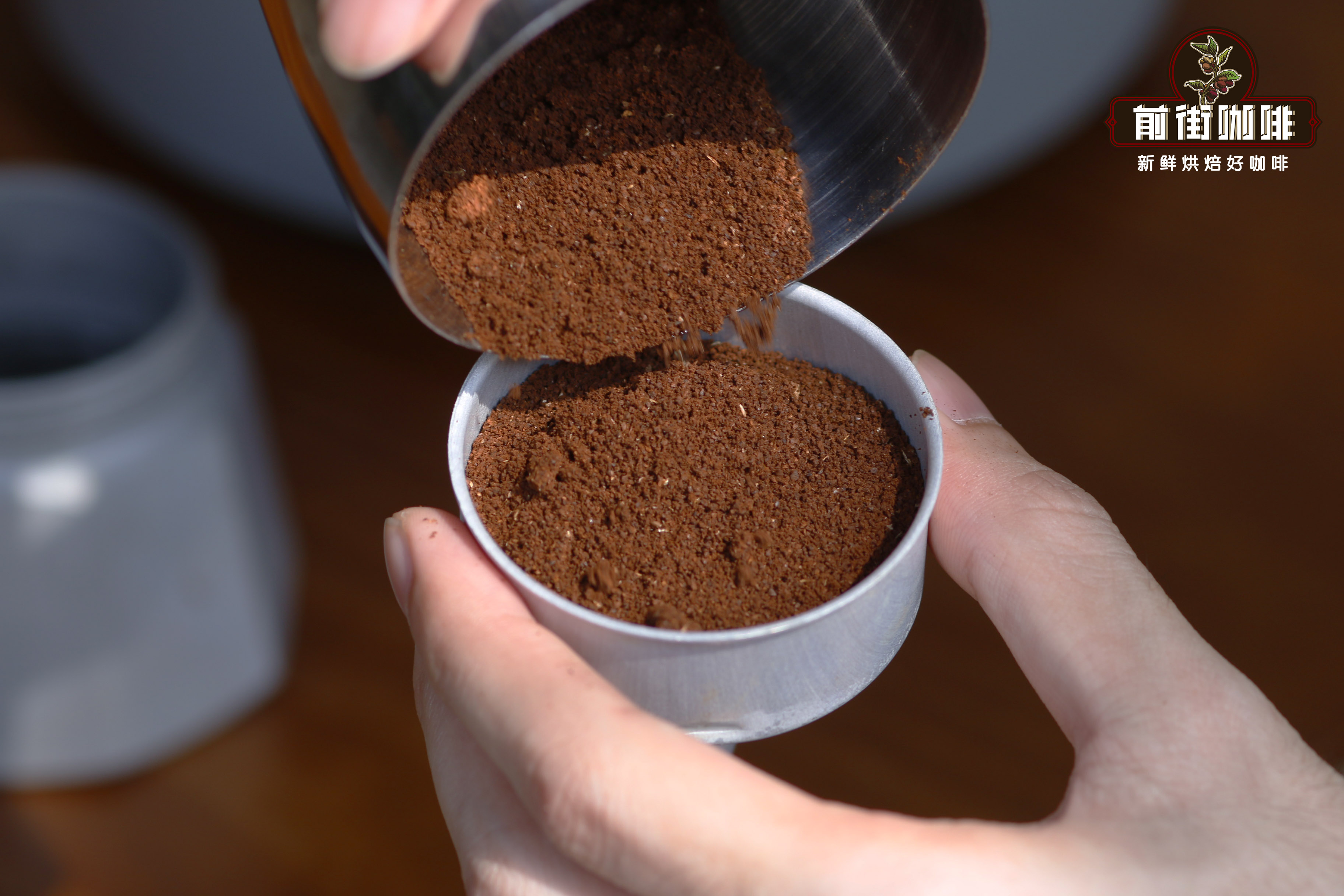
Too coarse is unsuitable as well, since the resistance becomes too small and the coffee gushes out, risking splatters and burns. FrontStreet Coffee recommends a grind of EK-43s #3-3.5 setting.
Coffee Beans Suitable for Moka Pot
FrontStreet Coffee recommends medium-dark roasted beans, espresso beans, or Moka pot-specific grounds. If you usually use a Moka pot for Americanos and prefer rich-bodied black coffee, we suggest FrontStreet Coffee's Brazil Queen Estate beans. This medium-dark roasted single-origin bean gives off a distinct roasted peanut aroma when brewed. If you sometimes make Americanos at home and sometimes lattes, and prefer balanced flavors, we suggest FrontStreet Coffee's Warm Sun Blend espresso beans. Designed for pressure extraction, this bean suits both coffee machines and Moka pots, producing a cup with striking vanilla-milkshake and milk-chocolate flavors.

Moka Pot Operation Steps
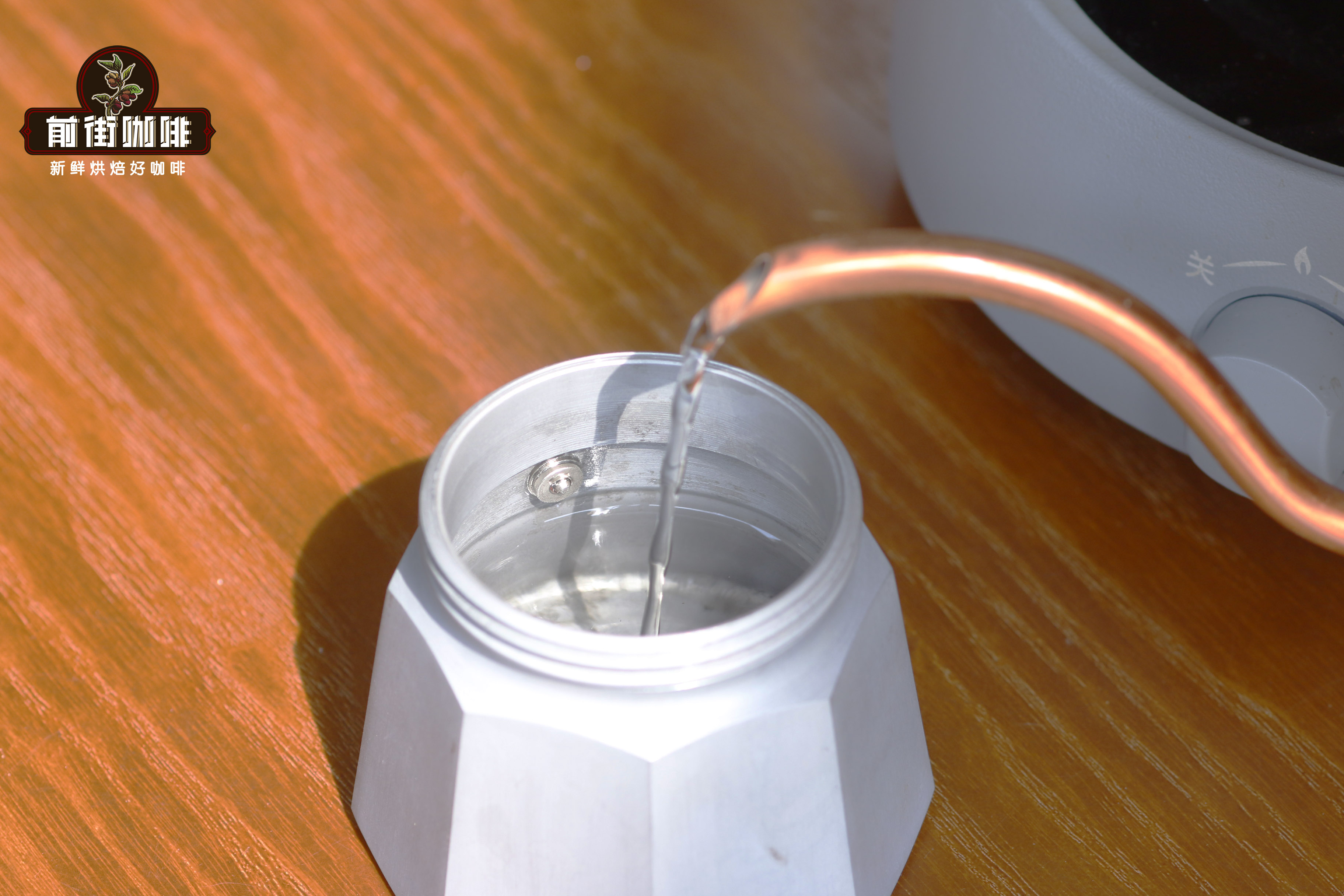
1. Pour hot water into the lower chamber up to 0.5cm below the pressure relief valve. Using hot water shortens the brewing time.
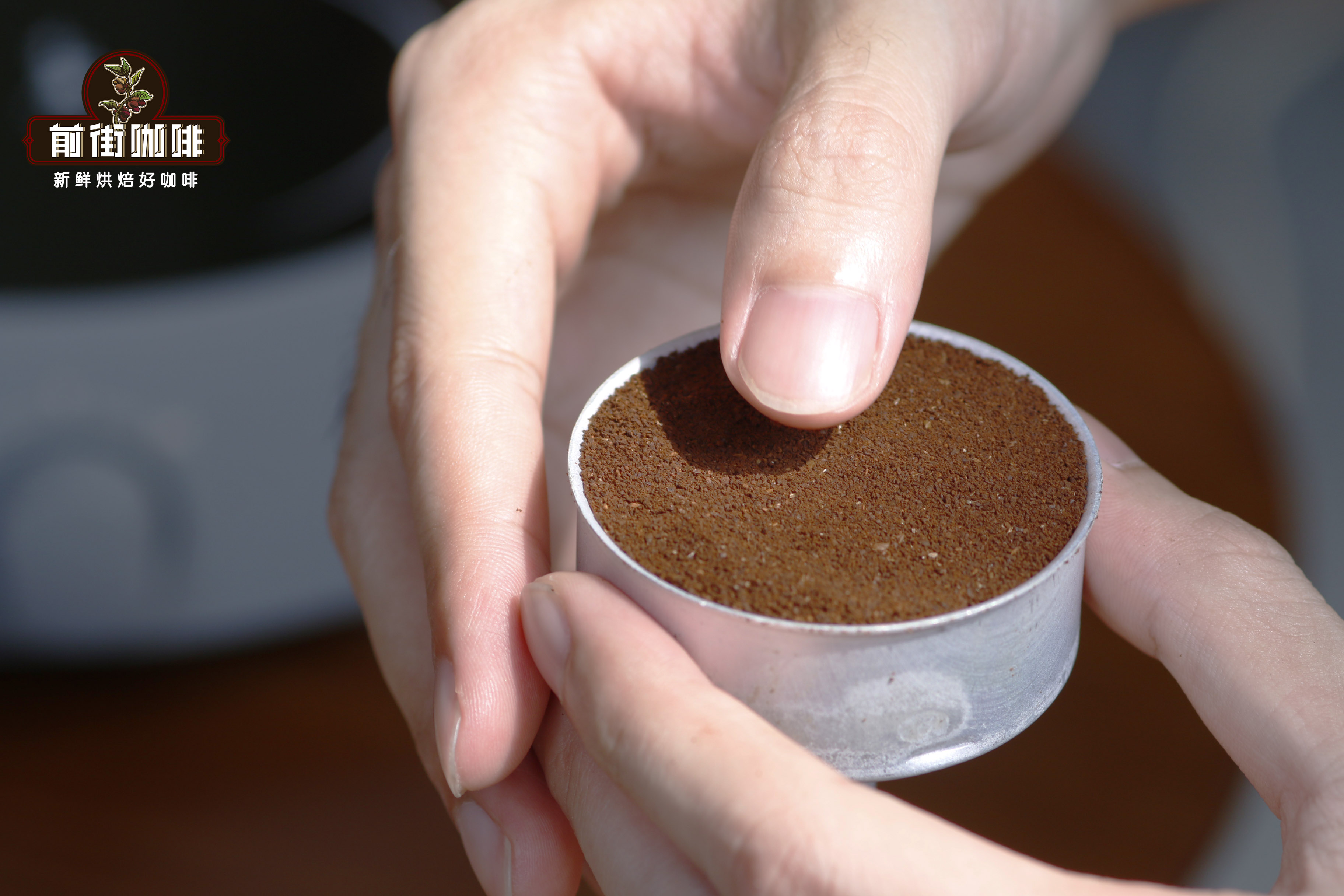
2. Pour the ground coffee into the filter basket, tap it left and right so the grounds settle naturally, and level the surface. This ensures even spacing between particles; not tamping down prevents excessive resistance in the coffee bed.
3. Place the filter basket into the lower chamber and twist the upper and lower chambers together tightly.
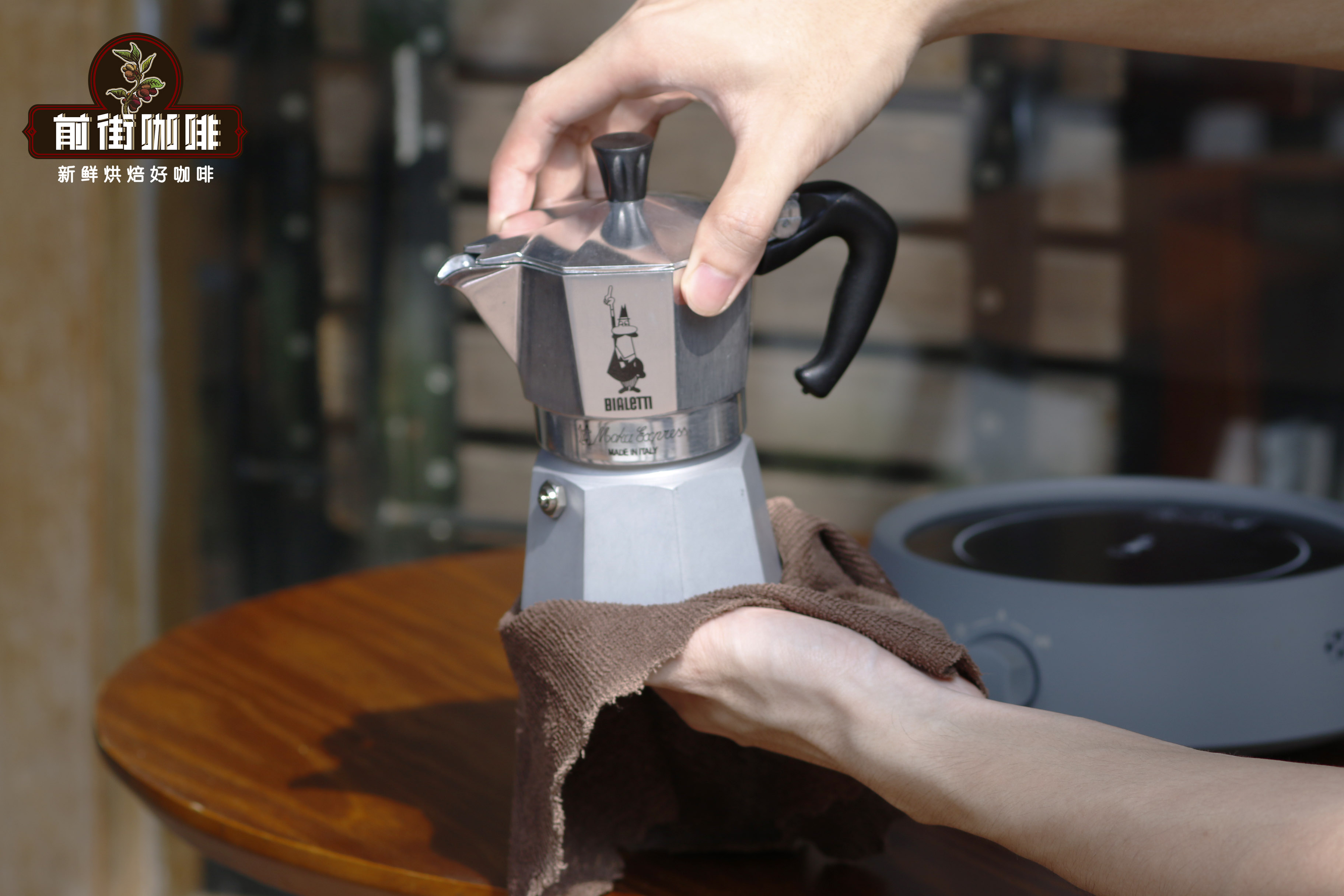
The lower chamber holds hot water, so remember to use a cloth for insulation to avoid burns.
4. Place it on an electric ceramic stove, turn on the power, and begin heating.
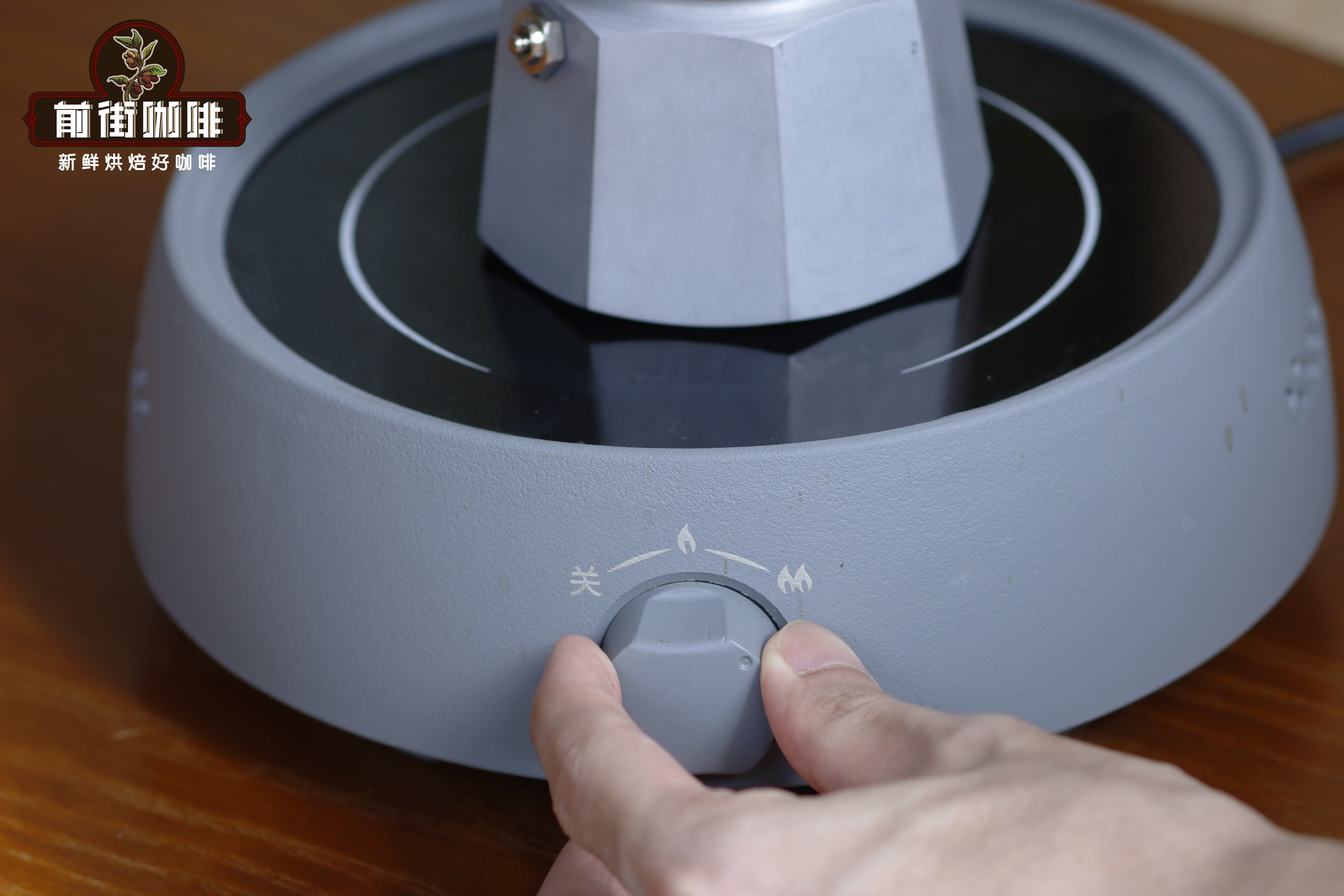
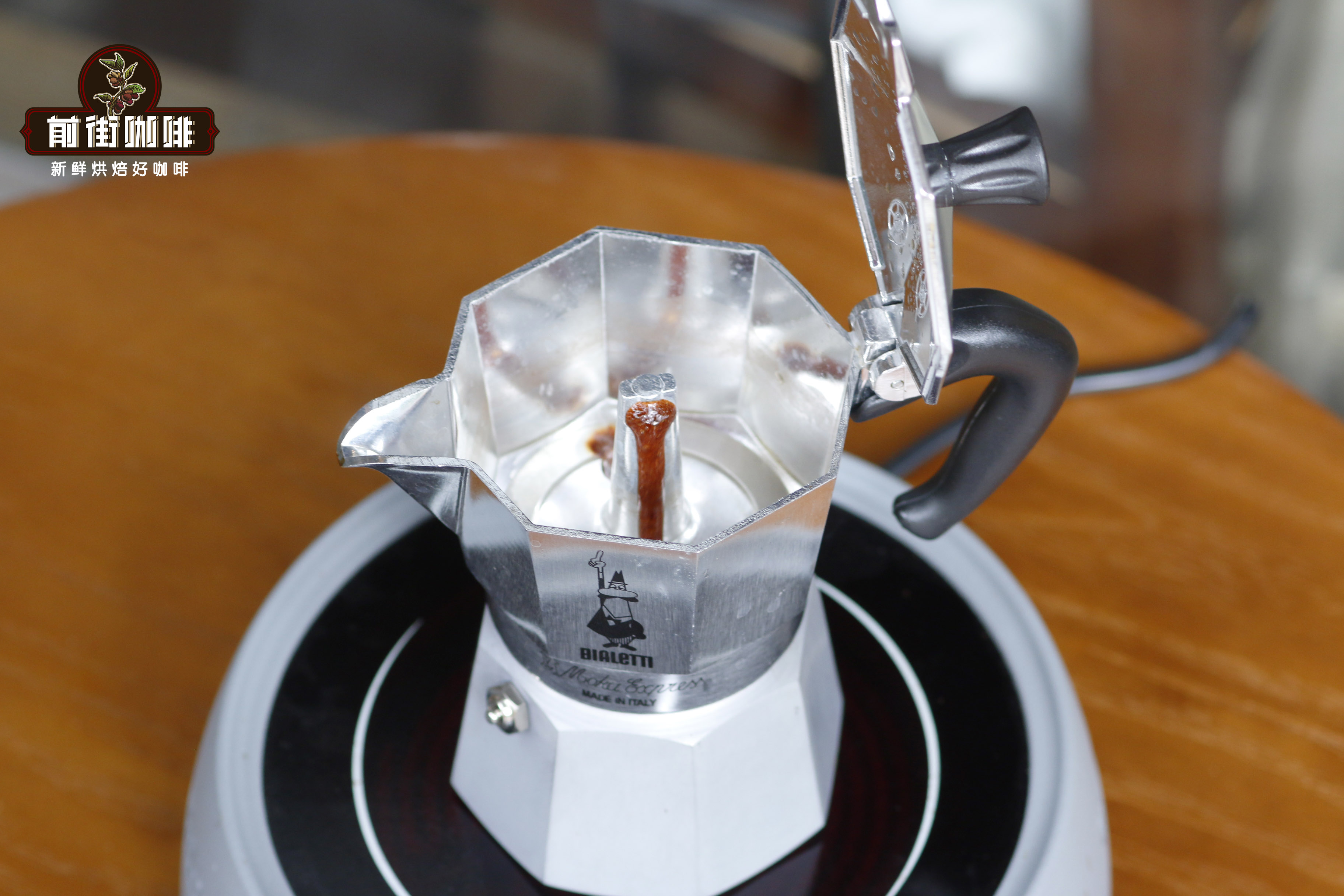
5. When the Moka pot reaches temperature and makes a distinct "whooshing" sound, set the stove to low heat and open the upper chamber's lid. Coffee liquid and crema will begin to flow out.
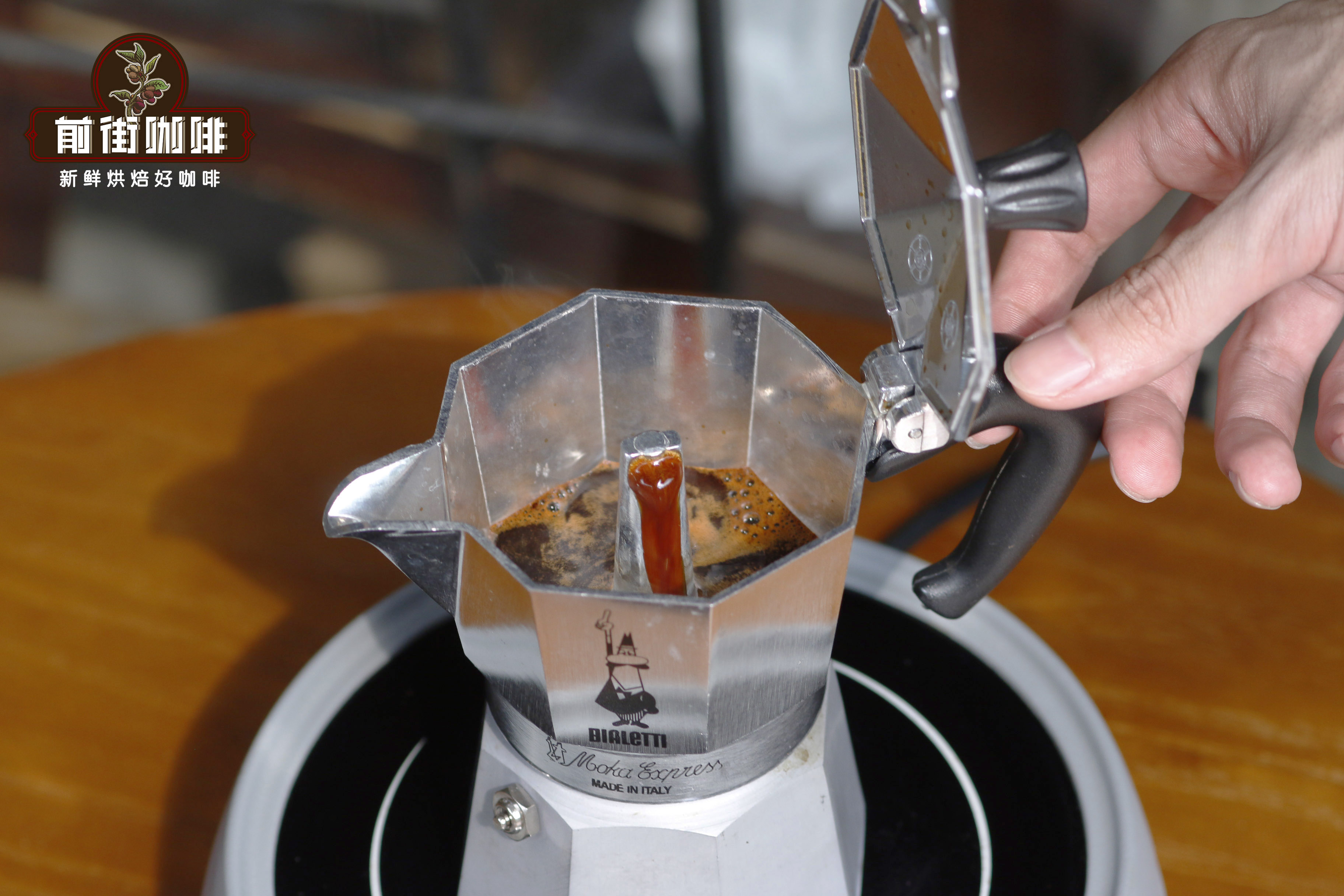
6. When the coffee in the upper chamber reaches halfway, turn off the stove and move the Moka pot to the table. The residual heat and pressure will "push" the remaining coffee into the upper chamber.
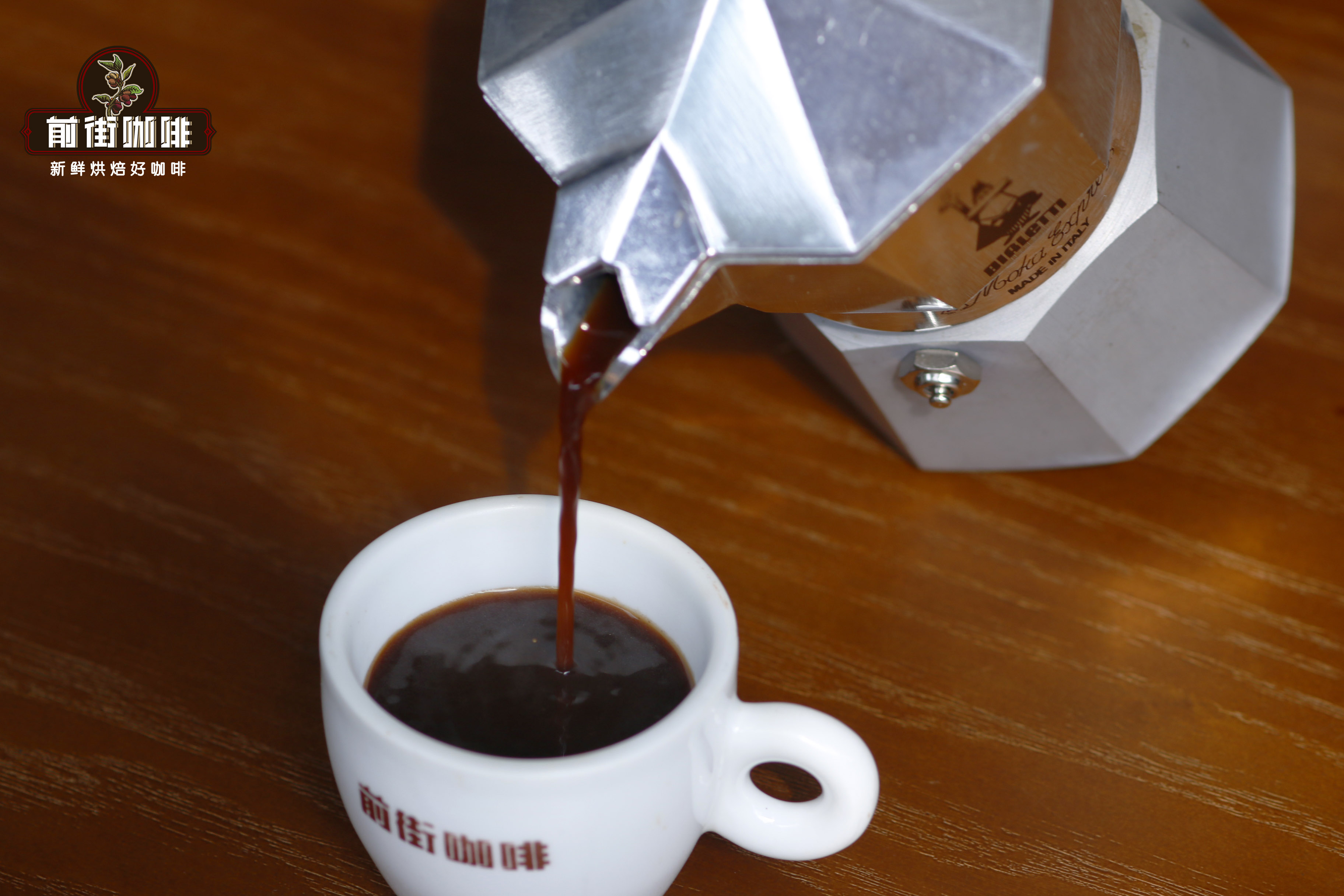
7. Finally, pour the coffee into a cup and you're done. The crema from a single-valve Moka pot is relatively thin and coarse, and won't last long — it dissipates quickly. This year Bialetti also launched a new generation of pressure Moka pots, whose crema performance is a level above single-valve models.
FrontStreet Coffee Recommendation
The Moka pot rewards beans that stand up to pressure. These FrontStreet options are made for it:
FrontStreet Classic Blend
Designed specifically for espresso and Moka pot, this blend's biggest strength is outstanding crema. Even beginners with a non-professional home machine can pull dense, fine crema. Lattes, cappuccinos, and Dirty drinks all depend on good crema, and Classic Blend meets that need perfectly. Its traditional Mamba-style recipe gives a full-bodied, mellow cup that seasoned drinkers and newcomers alike can enjoy, making it a reliable first choice for home or commercial use.
FrontStreet Brazil Queen Estate
If you make Americanos in a Moka pot and prefer rich black coffee, FrontStreet Brazil Queen Estate is a natural fit. This medium-dark roasted single-origin bean gives a distinct roasted peanut aroma in the cup. Low in acidity and well balanced, it carries intense nut and cocoa aromas with clear caramel sweetness, and it goes down smooth and never astringent. It works equally well for pour-over, espresso, and Moka pot.
FrontStreet Black Cocoa Blend
For beginners or anyone watching costs, FrontStreet Black Cocoa Blend offers ample crema and a full body at an approachable price. Made from 100% Arabica beans, it balances quality and value — a smart choice for shop owners who want to save effort and money without giving up a rich, clean cup.
Important Notice :
FrontStreet Coffee is a long-established specialty coffee roaster in Guangzhou China, selling freshly roasted beans from its own farm in Yunnan as well as dozens of carefully selected single-origin beans from around the world for both pour-over and espresso. The products deliver consistently excellent quality and great value, with shipping within 24 hours. Guangzhou's FrontStreet Coffee shop is recommended by many coffee lovers, and the beans are now available online at the Tmall 。
FrontStreet Coffee has moved to a new address:
FrontStreet Coffee Address: 315,Donghua East Road,GuangZhou
Tel:020 38364473
 Scan and follow the En Gafei WeChat official account. Please indicate that the reprint comes from "En Gafei".