What is Coffee Extraction? How to Identify Under-extracted and Over-extracted Flavors in Pour-over Coffee
Under-extraction and Over-extraction: Common Misconceptions
"Under-extraction" and "over-extraction" are the two most misunderstood siblings in coffee. Many people assume that a watery-tasting coffee is "under-extracted," and a very bitter coffee is "over-extracted." In reality, the two are not that simple.
Q1: What is "coffee extraction"?
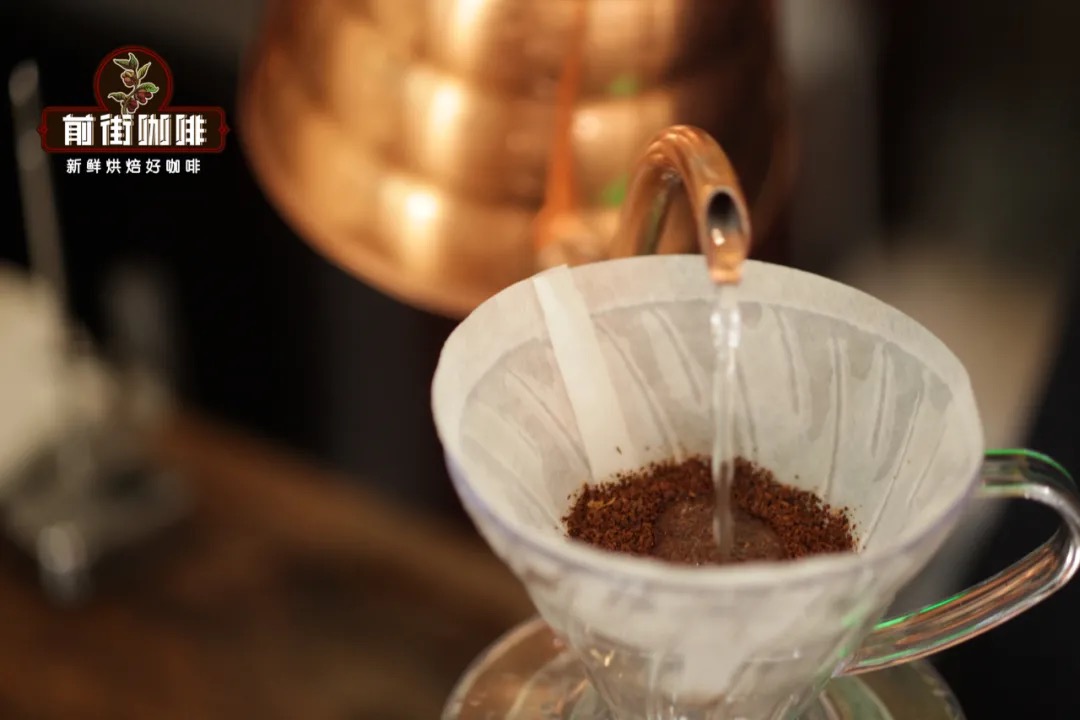
Coffee extraction, put simply, is the process by which water, acting as a solvent, picks up soluble substances as it passes through the coffee particles, ultimately producing a flavorful coffee liquid.
Within a coffee bean, only 30% is made up of soluble substances, while the remaining 70% is woody fiber. Of that 30%, only about 20% is desirable flavor compounds, with the remaining roughly 10% being bitter or negative flavor compounds. Because each substance dissolves at a different time and speed, the positive flavors generally dissolve first and most easily, while the negative compounds need more time to dissolve.
So while 30% is the maximum extraction rate for coffee, the range that suits most palates is actually 18%-22%. That is also considered the optimal coffee extraction rate under the SCA's Golden Cup theory.
Q2: How do you calculate the extraction rate?
To calculate the extraction rate, you need a coffee refractometer (a TDS meter) to measure it. A refractometer quickly reads the proportion of extracted coffee substances in the total coffee liquid, where the concentration refers to the coffee liquid itself. (If you want to work out concentration by hand, the formula is: weight of extracted coffee substances divided by weight of coffee liquid. Too fiddly — don't bother.)
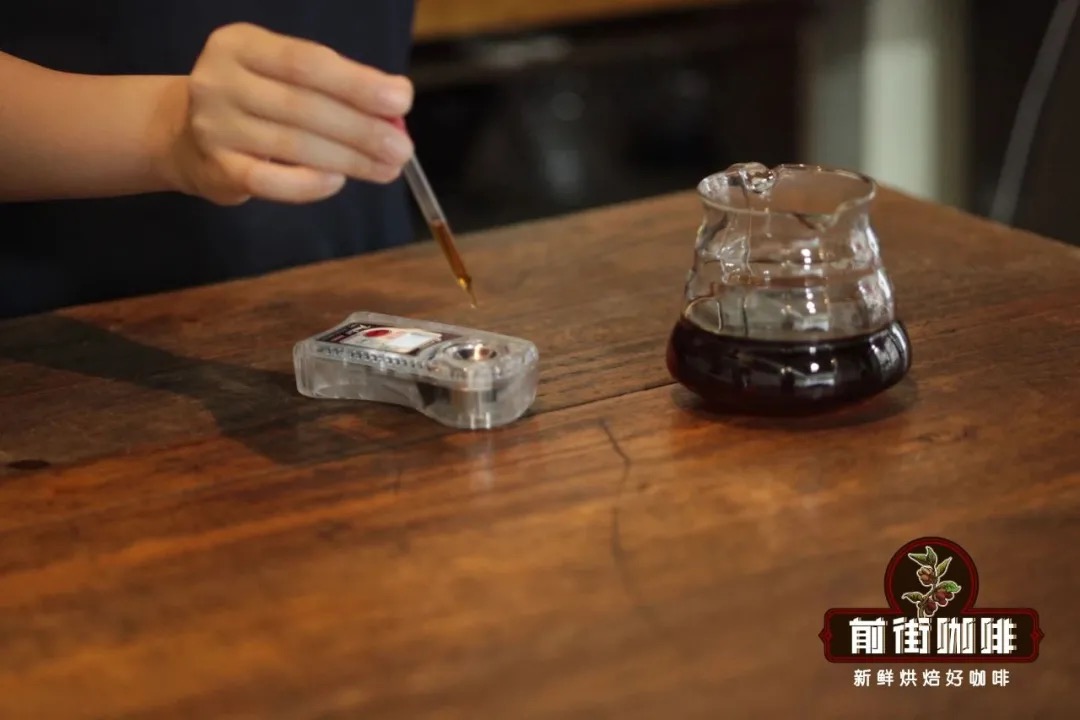
The extraction rate is the proportion of extracted coffee substances to the total coffee bean weight, where the extraction rate refers to the coffee beans or ground coffee. So the formula is: coffee liquid concentration × coffee liquid weight ÷ coffee bean (ground coffee) weight.
With a refractometer, you can work out the extraction rate very conveniently. If you are calculating the extraction rate for pour-over coffee, note that the blooming stage absorbs twice the weight of the coffee grounds in water. So the coffee liquid weight formula is: water amount - coffee bean (ground coffee) weight × 2.
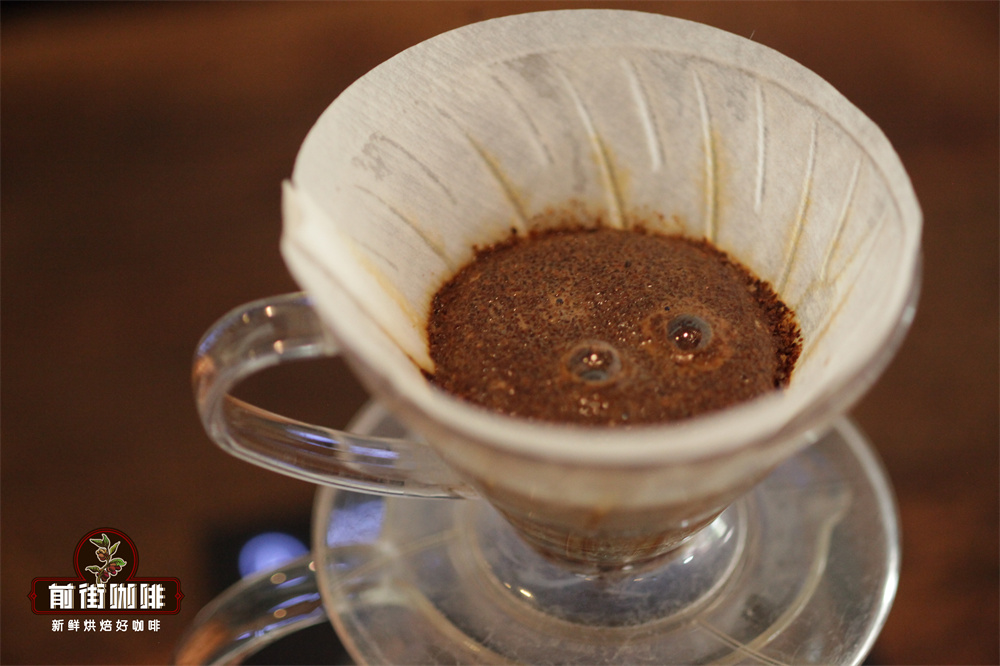
Still not clear? Here is an example: if you use 15 grams of coffee grounds at a 1:16 coffee-to-water ratio for drip extraction, and the brewed coffee liquid measures 1.37% concentration on the refractometer, then the extraction rate works out as follows: 1.37% × [(15×16) - (15×2)] ÷ 15 = 19.18%.
Q3: What is "under-extraction"? What are its characteristics?
Using the Golden Cup theory to define it, an extraction rate below 18% means under-extraction. FrontStreet Coffee knows that doing math just to drink a cup of coffee is a pain, so let us simply explain what a coffee tastes like when it is under-extracted.
Sharp Acidity and a Watery Flavor
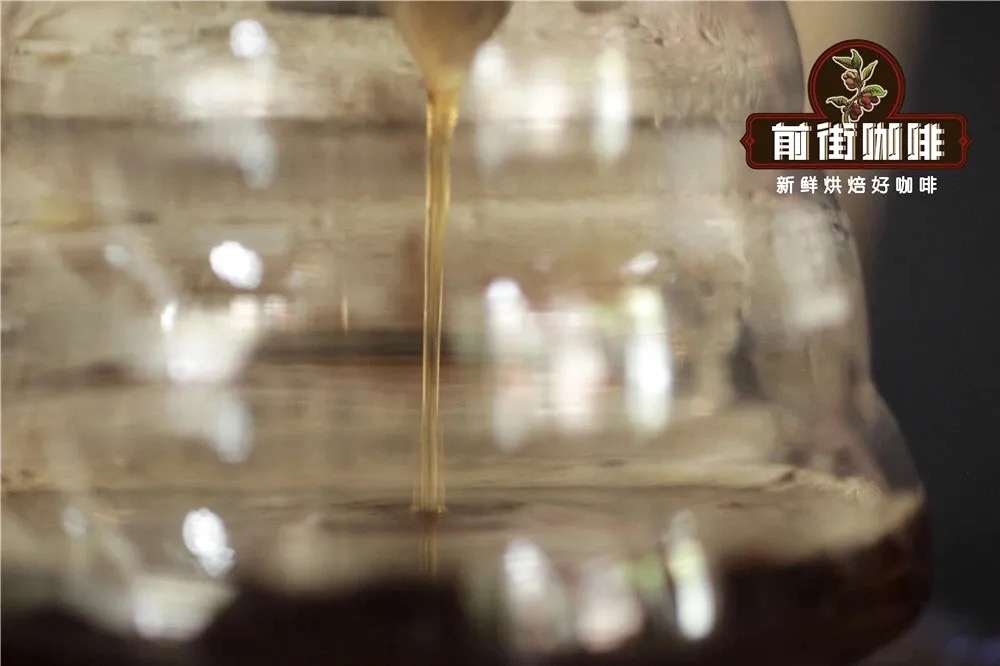
The most obvious characteristic of under-extracted coffee is prominent acidity. The order in which flavor substances are released during extraction is acid, then sweet, then bitter. In under-extracted coffee, the early acidic substances are basically extracted, but sweetness and bitterness are insufficient to soften that acidity and add body, so the coffee tastes very sharp and flat, with a short aftertaste.
Salty Taste
Under normal circumstances, saltiness rarely shows up in coffee because it is masked by sweet and sour tastes. Saltiness comes from minerals and inorganic compounds in the beans. Sweetness and saltiness reinforce each other, so in an under-extracted coffee where sweetness has not been extracted enough, we may be able to detect a salty note.
Q4: What is "over-extraction"? What are its characteristics?
Again using the Golden Cup theory, an extraction rate above 22% means over-extraction. Once more, the math is a pain — let us look instead at what a coffee tastes like when it is over-extracted.
Bitterness
The bitterness here is a very unpleasant, unusual bitterness, and bitterness alone does not mean over-extraction. For one thing, everyone perceives bitterness differently, but the bitterness from over-extraction is unacceptable to most people — a burnt bitterness, for example.
Astringency and Dryness
When over-extracted coffee hits the mouth, you not only get that unusual bitterness but a drying astringency on the tongue — over-extracted coffee shows very strong bitter and astringent sensations. After swallowing, the throat immediately feels dry, or as if a lump of smoke is stuck there, and it lingers for a fairly long time.
Q5: How should we view "under-extraction" and "over-extraction"?
"Under-extraction" and "over-extraction" are conclusions drawn from the SCA Golden Cup standards, which were proposed around American taste preferences and scientific research. When a coffee's extraction rate falls below 18% or climbs above 22%, it does not automatically mean the coffee is unpleasant to drink.
In actual brewing, FrontStreet Coffee has found that, depending on a bean's variety, processing method, and roast level, some coffees below 18% extraction taste somewhat bland yet show very clear flavors, and some above 22% taste strong without any astringency. In those cases, FrontStreet Coffee prefers to call them "low extraction" or "high extraction."
FrontStreet Coffee Recommendation
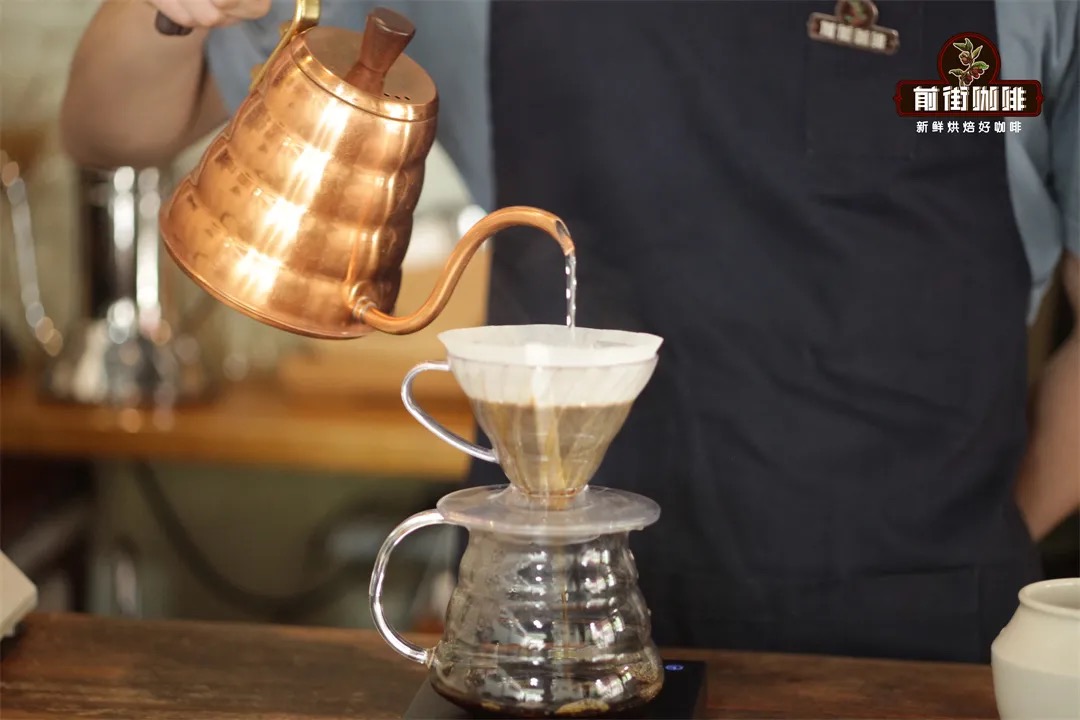
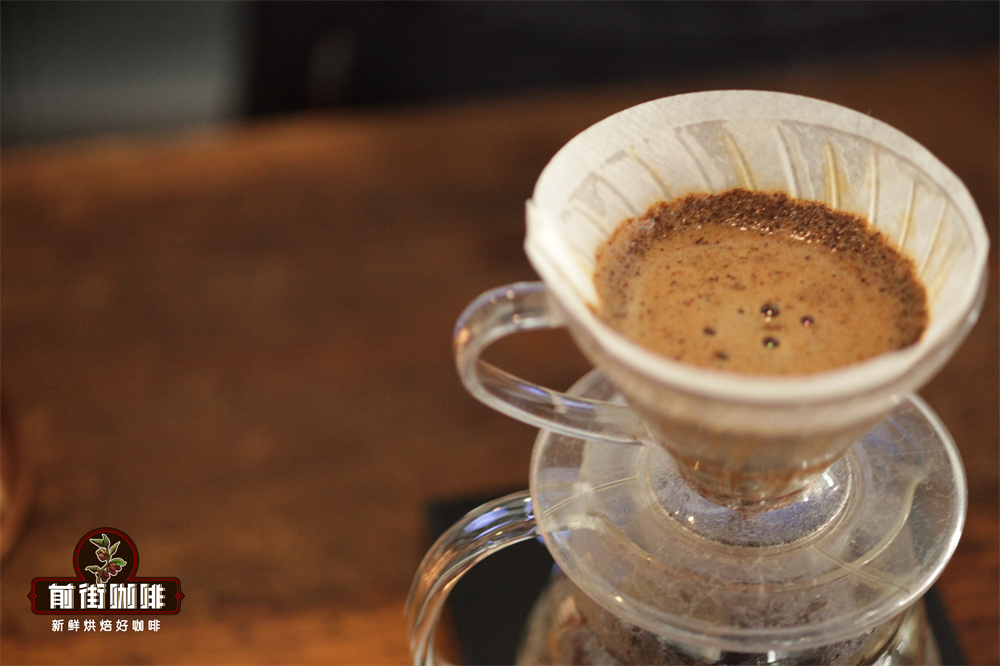
To taste extraction clearly, it helps to brew with a V60 cone. The Hario V60 is named for its unique 60° cone angle and "V" shape, a design that forces the water to flow toward the center before dripping through — lengthening contact between water and grounds so aroma and flavor extract fully. Its signature single large hole lets water run without obstruction, meaning flow rate depends heavily on your pouring, and that shows directly in the cup.
For a classic floral-citrus cup, try FrontStreet's Yirgacheffe Gudingding. A great first stop into specialty coffee, it brings bright citrus, berry, and floral notes with a green-tea-like finish; the acidity is soft and bright rather than sharp, making it very approachable. If you want something fruitier, FrontStreet Ethiopia Huakui is known for intense tropical aromas of strawberry, passion fruit, jackfruit, and even lychee, with obvious sweetness, almost no bitterness, and a juicy, smooth body. FrontStreet Panama Emerald Estate Red Label Gesha sits at the top of the range, with elegant jasmine florals and delicate citrus, bergamot, and black-tea notes, a clean, transparent cup with a long finish.
Important Notice :
FrontStreet Coffee is a long-established specialty coffee roaster in Guangzhou China, selling freshly roasted beans from its own farm in Yunnan as well as dozens of carefully selected single-origin beans from around the world for both pour-over and espresso. The products deliver consistently excellent quality and great value, with shipping within 24 hours. Guangzhou's FrontStreet Coffee shop is recommended by many coffee lovers, and the beans are now available online at the Tmall 。
FrontStreet Coffee has moved to a new address:
FrontStreet Coffee Address: 315,Donghua East Road,GuangZhou
Tel:020 38364473
 Scan and follow the En Gafei WeChat official account. Please indicate that the reprint comes from "En Gafei".