What's the Difference Between Ground Coffee and Whole Bean Coffee? Pros and Cons of Ground Coffee vs Coffee Beans
Whole Bean Coffee vs Ground Coffee: Which Should You Choose?
You can buy coffee in one of two forms: whole beans or pre-ground. But what's the difference, and which is better? Do whole beans taste better than ground? Is ground coffee cheaper? FrontStreet Coffee takes a deep look at the differences between ground and whole bean coffee to help you decide which form is best for you.
What is Whole Bean Coffee?
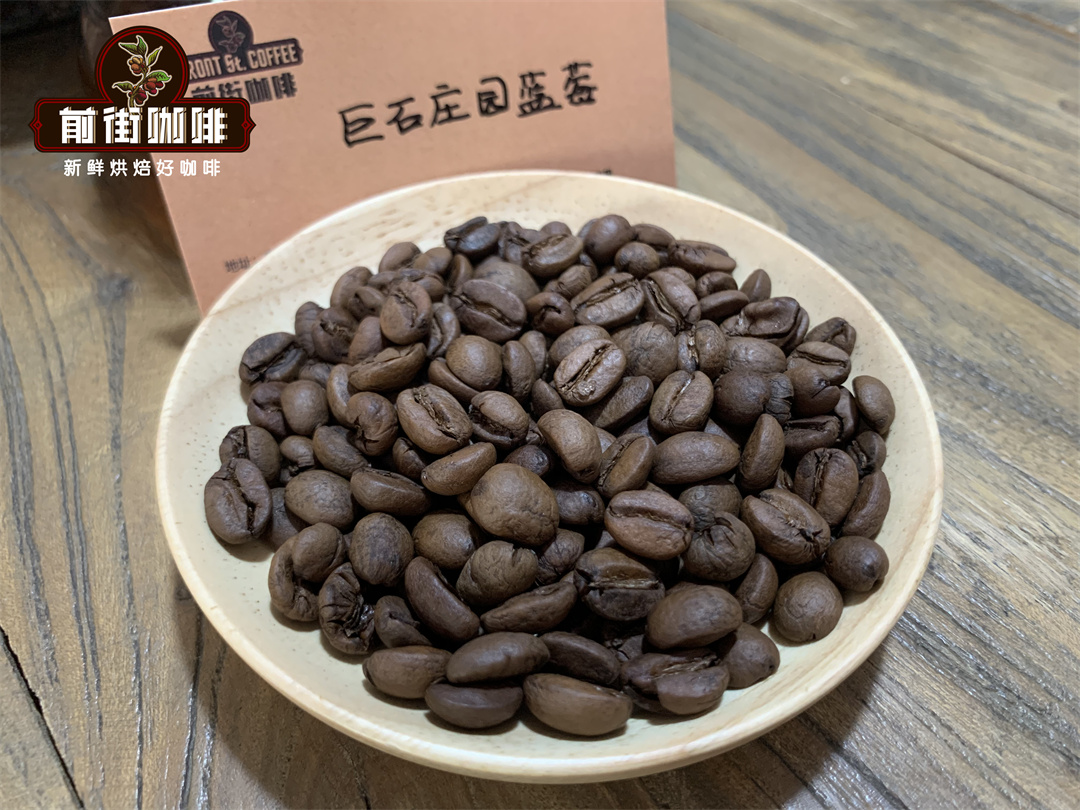
When you buy whole bean coffee, you're purchasing complete, roasted coffee beans. They remain in their original bean form. However, you can't brew coffee with whole beans. After purchasing, you need to grind these beans at home to prepare them for your brewing process.
What is Ground Coffee and Instant Coffee?
Ground coffee is more popular than whole bean coffee because it's convenient and easy. Ground coffee is essentially pre-ground by the roaster, so you don't have to grind it yourself at home. You just need to put it in your coffee maker in the morning.
Advantages of Whole Bean Coffee
Whole bean coffee is ground right before pour-over brewing, so its flavor is often fresher and more delicious than pre-ground coffee.
The beans also retain more flavor and aroma before grinding, allowing them to stay fresh longer in your pantry.
If you're a coffee connoisseur, whole bean specialty coffee is typically the best choice to ensure all the flavors, aromas, and notes of the coffee are freshly released in your cup.
Some Disadvantages of Whole Bean Coffee
Before brewing, you need to grind the whole beans. This means investing in a quality home grinder and spending extra time in the morning grinding your beans. However, the grinding process typically takes no more than 30-60 seconds. You'll also need to clean the grinder periodically to keep it working efficiently.
You also need to experiment with different grind sizes. Grinders may have different settings to produce grinds of various sizes and coarseness. This means you may need to experiment with your grinder and brewing method to find which setting and coarseness works best for making perfect coffee.
Whole Bean Advantages
- Fresher taste
- More aromatic
- Longer shelf life
Whole Bean Disadvantages
- Time-intensive
- Requires additional equipment (like a burr grinder)
- Uncertainty about grind size
What Are the Benefits (and Drawbacks) of Buying Ground Coffee?
One of the best parts about pre-ground coffee is that it eliminates the guesswork in the grinding process. Most companies pre-grind coffee beans to the ideal size suitable for drip coffee makers, such as pour-over coffee makers or French press. You typically don't need to experiment to see which grind size works best for your coffee maker.
In addition, you don't have to grind the beans yourself, which saves you time.
Disadvantages
However, pre-ground coffee is often too coarse for other brewing methods. For example, pour-over or espresso machines require finer grinds, which you typically won't find in pre-ground coffee (unless the bag specifies that these beans were ground specifically for that machine).
Unfortunately, ground coffee expires faster than whole bean coffee. It's highly susceptible to deterioration because the oils released from ground beans are very fragile. The more ground coffee is exposed to the environment, the faster it deteriorates.
Advantages of Ground Coffee
- Coarse grind suitable for traditional coffee makers
- Time-saving
- Convenient
Disadvantages of Ground Coffee
- Too coarse for some brewing methods
- Goes stale faster
- Less flavorful or fresh
FrontStreet Coffee Recommendation
If this comparison has convinced you to buy whole beans and grind fresh, the next question is which beans reward that extra effort most — and light-roasted, floral coffees are the answer, because their delicate aromatics are exactly what ground coffee loses fastest. FrontStreet Coffee's Hario V60 is the classic tool for the job: its 60° cone and large single hole make the flow rate depend on your pouring, which lets you draw out the layered aromas of a bean like FrontStreet's Ethiopian Gedeb Yirgacheffe, a bright cup of citrus, berries, and florals with a green-tea finish. If you want a bean that makes people forget coffee can be bitter, the FrontStreet Ethiopia Huakui is famous for its tropical fruit explosion of strawberry, passionfruit, jackfruit, and lychee. And for a crisp, juice-like acidity, FrontStreet's Kenya Small Tomato brings sun-dried tomato, smoked plum, and a full-bodied fruit sweetness from the SL28 and SL34 varieties. Grind any of them fresh just before brewing and the difference in the cup will be obvious.
Important Notice :
FrontStreet Coffee is a long-established specialty coffee roaster in Guangzhou China, selling freshly roasted beans from its own farm in Yunnan as well as dozens of carefully selected single-origin beans from around the world for both pour-over and espresso. The products deliver consistently excellent quality and great value, with shipping within 24 hours. Guangzhou's FrontStreet Coffee shop is recommended by many coffee lovers, and the beans are now available online at the Tmall 。
FrontStreet Coffee has moved to a new address:
FrontStreet Coffee Address: 315,Donghua East Road,GuangZhou
Tel:020 38364473
 Scan and follow the En Gafei WeChat official account. Please indicate that the reprint comes from "En Gafei".