Why Can't I Taste the Sweetness in Coffee? What Is Coffee Sweetness? Should It Be Perceived by Smell or Taste?
Barista: "Mmm! This coffee has wonderful sweetness!"
You: "?? What sweetness?"
Barista: "The sweetness of the coffee, of course!"
You: "The what???"

If you're new to single-origin coffee, this exchange might feel familiar. Why do FrontStreet Coffee's baristas keep praising a coffee's sweetness when you can't taste any at all? What exactly is coffee sweetness — and why can't your taste buds pick it up?
Sugars in Green Coffee Beans
The sugars in green coffee fall into three groups — monosaccharides, disaccharides, and polysaccharides — and together they account for roughly 50% of the dry weight of a green bean. However! Not all of them taste sweet.
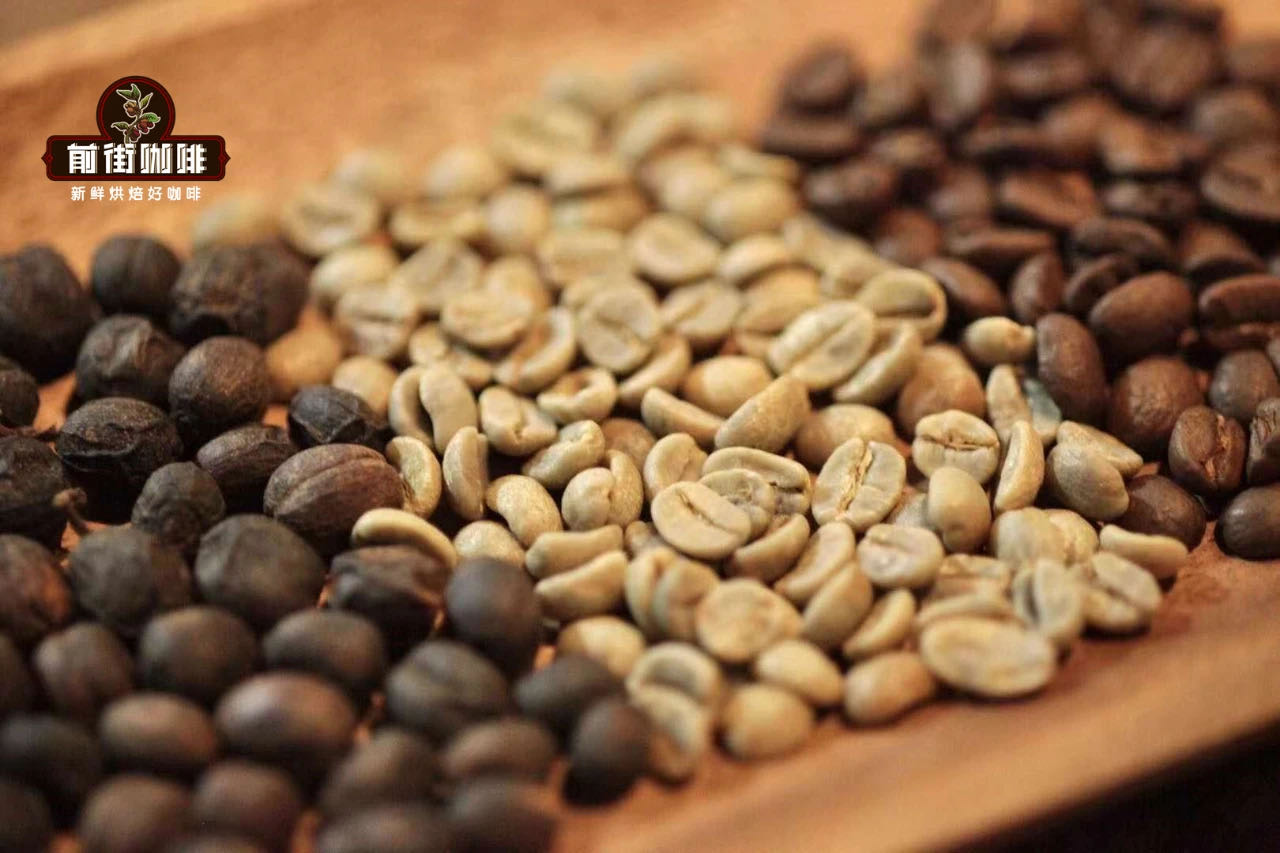
Monosaccharides are the simplest sugars: water-soluble and genuinely sweet. Glucose and fructose belong to this group. Disaccharides form when two monosaccharide molecules join with the loss of water; they are also water-soluble and sweet. Sucrose, lactose, and maltose are all disaccharides.
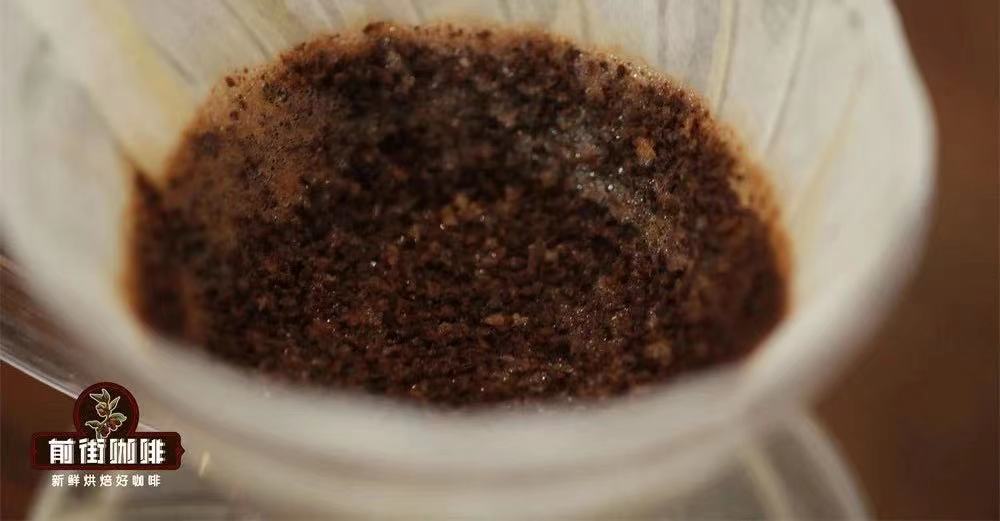
Polysaccharides are the odd ones out — tasteless and insoluble in water, yet they make up the largest share of the bean. They are the main component of coffee cellulose (the material that becomes spent grounds), formed by the polymerization of ten or more monosaccharide units.
Does Coffee Sweetness Come from the Sugars in Green Beans?
No, it doesn't!
Coffee is typically roasted at temperatures above 190°C before it leaves the drum. Along the way, monosaccharides and disaccharides simply cannot survive the combined work of the Maillard reaction and caramelization. By the time the beans are dropped, the sugar compounds that could tickle your taste buds have been reduced to almost zero. So how can you ever taste sweetness from coffee beans? (Eat them green.) Just kidding, of course!
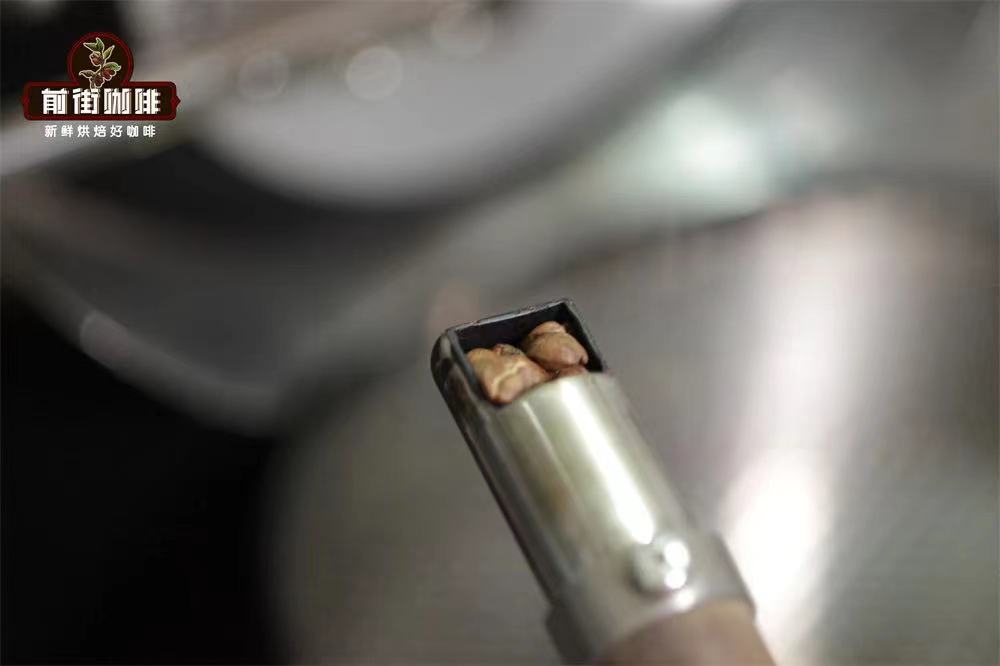
What Actually Is Coffee Sweetness?
Do we perceive it with the taste buds or with the nose?
The answer is the nose. Taste buds can only detect sour, sweet, bitter, salty, and umami sensations from compounds that dissolve in water. If a flavor compound isn't water-soluble, the tongue can't register it at all, and if water-soluble compounds are present only in tiny amounts, the taste buds struggle to identify a clear taste. Although monosaccharides and disaccharides are nearly gone after roasting, that doesn't mean they vanish completely — trace amounts of sweet substances still make it into the cup.
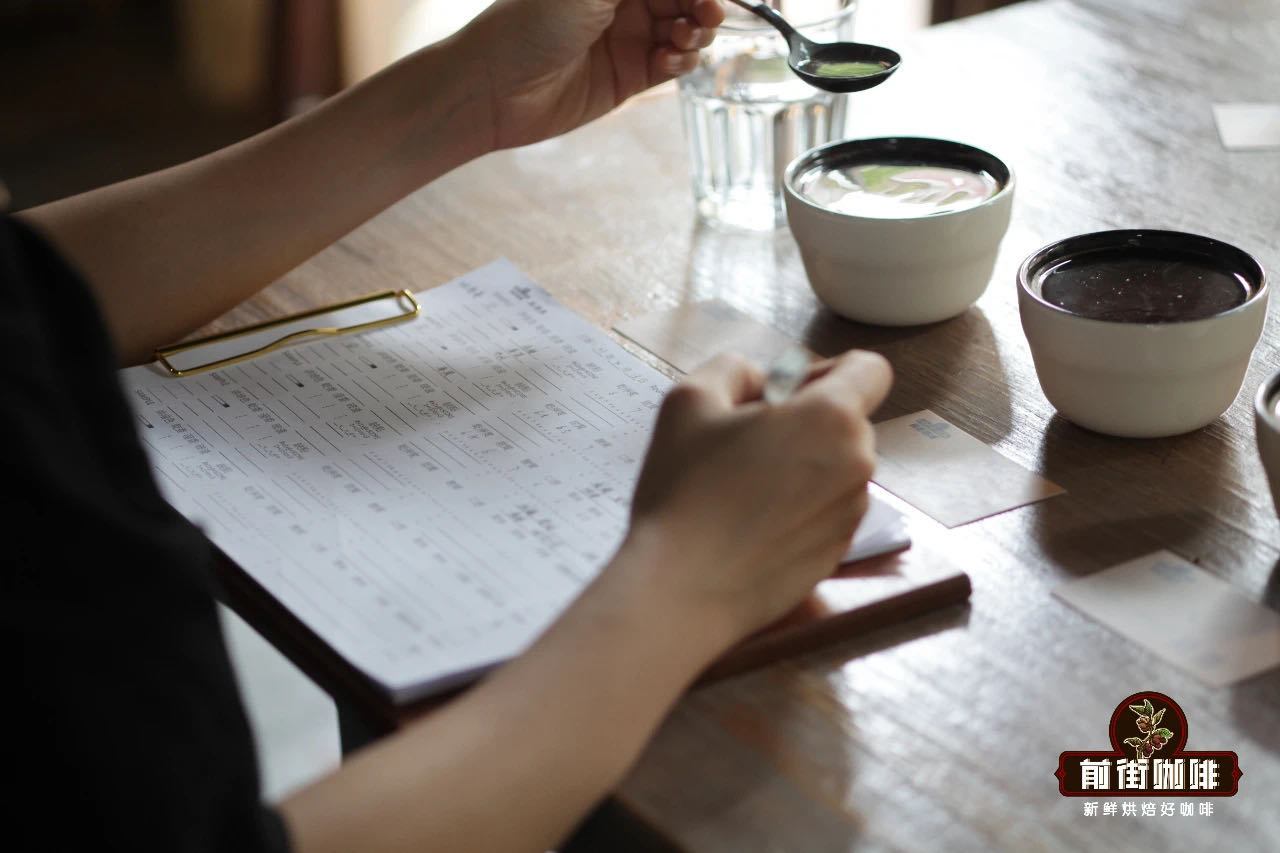
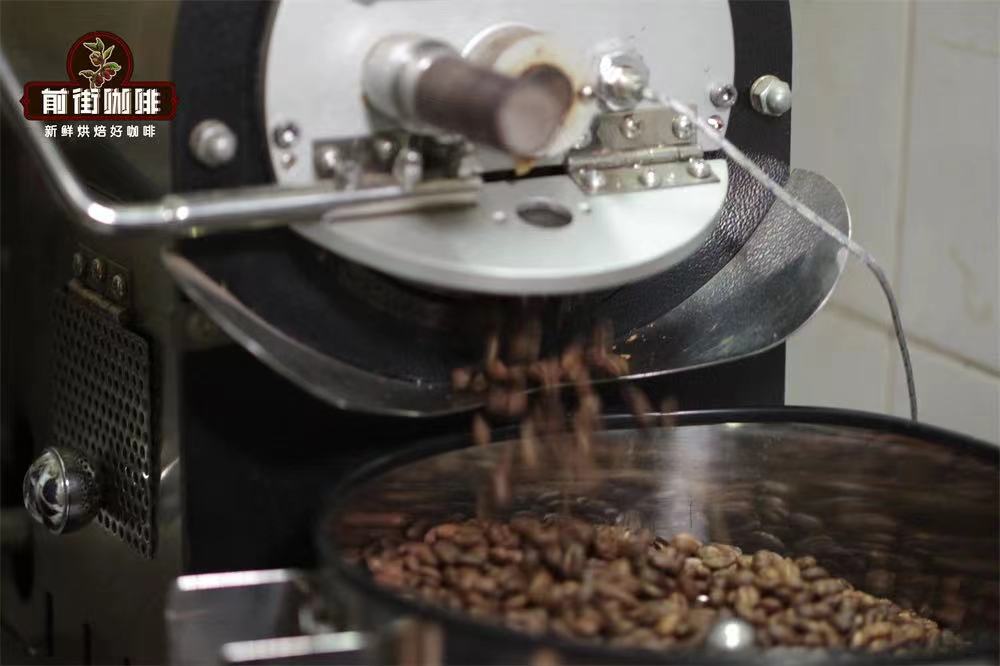
At FrontStreet Coffee we call the stretch between the yellowing point and first crack the development stage. In those few minutes, the coffee's sweet, fragrant flavors are built — and this is what baristas mean by "sweetness." This sweet fragrance belongs to aroma, showing up mostly as sugarcane, honey, or fruity sweetness; after first crack, the beans go on to develop caramelized notes like caramel, brown sugar, and molasses. These aromas usually surface during the aftertaste when you drink the coffee.
The aftertaste is perceived through smell — yes, not through the taste buds. Olfaction works in two modes: orthonasal and retronasal. Orthonasal olfaction means inhaling air directly into the nasal cavity to pick up external odors. When you appreciate a coffee's dry aroma and wet aroma, you're using orthonasal olfaction.

Once the coffee is in your mouth, the taste buds first register sour, sweet, bitter, salty, and umami. Then, as you swallow, aromatic compounds travel up into the nasal cavity. Your brain matches the tastes just detected with the aromas arriving from behind, and the complete flavor of the food finally clicks into place. That is retronasal olfaction.
How to Improve Your Ability to Identify Coffee Sweetness?
Everyone's sensitivity to aromatic compounds is different, and not everyone picks up the same aromas in the same coffee. To sharpen your recognition of sweet aromatics, eat more foods with obvious sweet flavors — fruits and candies are great practice.
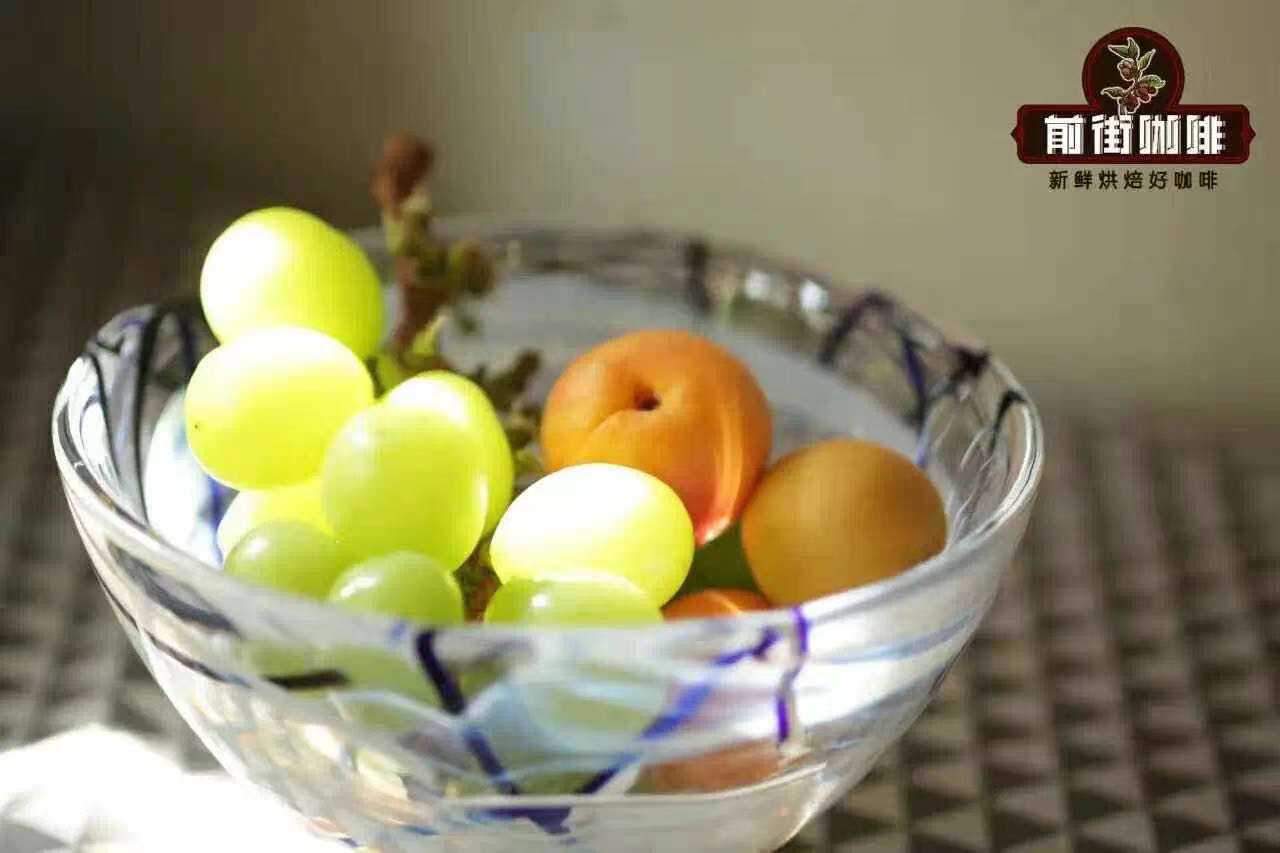
Before tasting, use orthonasal olfaction to form an initial impression and commit it to memory. Then, when you sip and swallow, close your mouth and exhale through your nose to engage retronasal judgment and build that memory too. This is how you train your nose to find sweetness.
Once you've done that training, here's the scene you'll get to enjoy:

FrontStreet Coffee Recommendation
Sweetness in coffee depends heavily on the roast. During roasting, three elements decide the final flavor: acidity, sweetness, and bitterness. The darker the roast, the more bitter and heavy the cup; the lighter, the more acidic and delicate. If what you're after is balance, medium-roast beans are the best place to start.
FrontStreet's Brazil Queen Estate (Huanghou) coffee is a great pick if you dislike both sour and bitter. Grown in the world's largest coffee-producing country, it is a local Yellow Bourbon variety with a quiet, gentle sweetness. Roasted medium, it offers aromas and sweetness of creamy peanut, chocolate, toasted bread, and sugarcane, and it works for pour-over as well as moka pot and espresso brewing.
For something fruitier in a medium roast, try FrontStreet's Strawberry Sugar (Caomei Tang) Geisha blend. It combines two renowned origins — a Costa Rican honey-processed coffee and a Panamanian washed Geisha — and the medium roast draws out orange-blossom honey notes and a rounded sweetness. It suits cold brew, pour-over, and espresso alike, with a refreshing, fragrant cup.
Important Notice :
FrontStreet Coffee is a long-established specialty coffee roaster in Guangzhou China, selling freshly roasted beans from its own farm in Yunnan as well as dozens of carefully selected single-origin beans from around the world for both pour-over and espresso. The products deliver consistently excellent quality and great value, with shipping within 24 hours. Guangzhou's FrontStreet Coffee shop is recommended by many coffee lovers, and the beans are now available online at the Tmall 。
FrontStreet Coffee has moved to a new address:
FrontStreet Coffee Address: 315,Donghua East Road,GuangZhou
Tel:020 38364473
 Scan and follow the En Gafei WeChat official account. Please indicate that the reprint comes from "En Gafei".