Latte Art Foam Steaming Tutorial: How to Achieve Dense, Smooth, and Long-lasting Milk Foam
(os: Today's latte art looks great!) A couple of minutes later... The foam collapses! "Craters" appear one by one, and the latte art doesn't look good anymore... Why!!

(The emotional journey of a latte art practitioner)
Looking at foam that resembles the surface of the moon is truly frustrating. Don't worry! FrontStreet Coffee is here to analyze the reasons behind this collapse phenomenon. (Quick, grab your notebook and take notes.)
The Composition of Milk Foam
What affects foam stability is the casein micelles in milk protein and whey protein. The presence of casein micelles creates tension on the milk surface. When steam impacts the milk surface, numerous bubbles of varying sizes form. Then, by adjusting the steam wand position to create a vortex in the milk, larger bubbles are "chopped up," resulting in fine foam with a smooth texture.
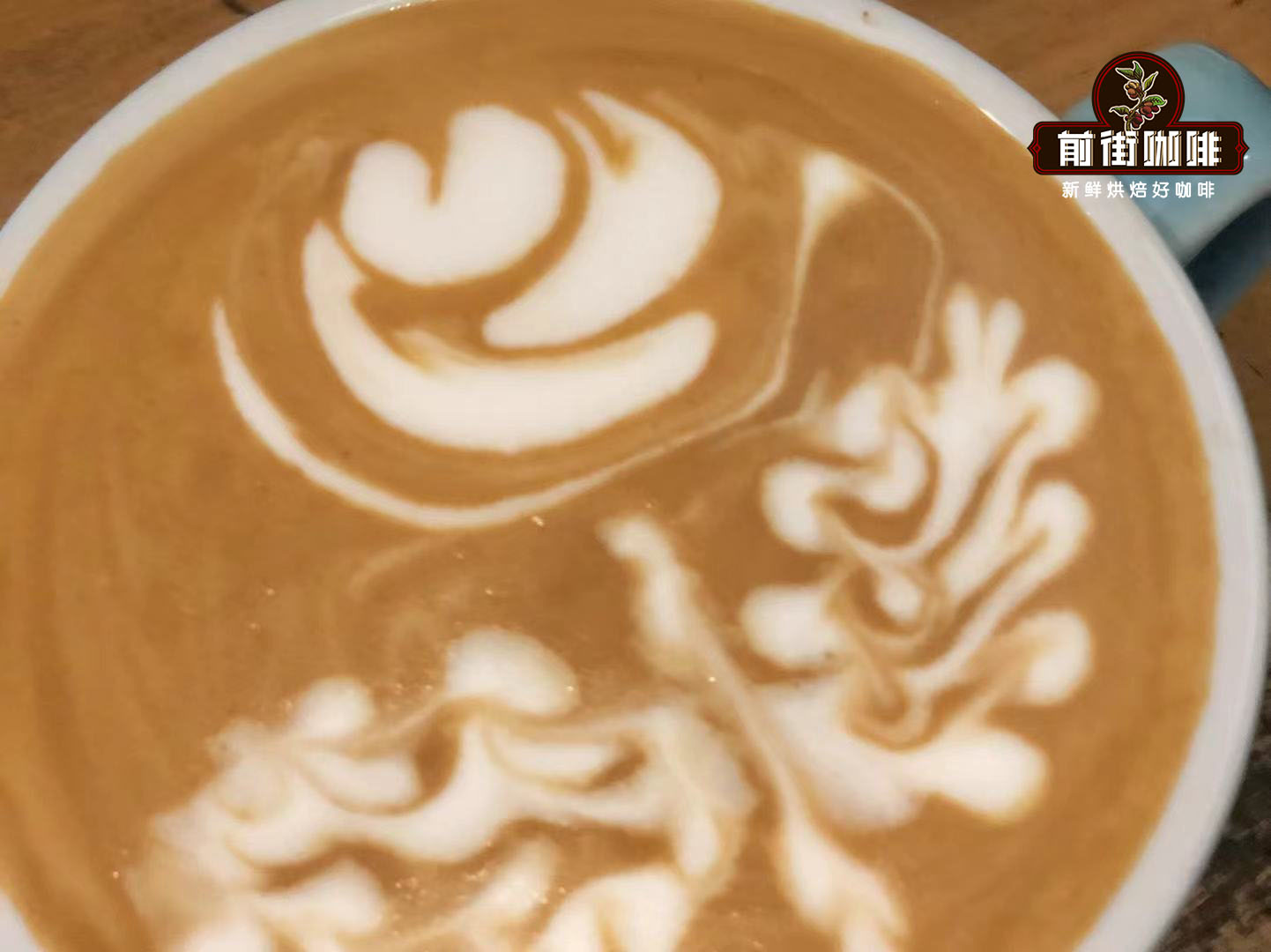
(I am image two)
Causes of Rapid Foam Collapse
Milk Frothing
1. Use chilled fresh milk: Chilled fresh milk contains abundant protein and milk fat. Protein is key to foam formation, while milk fat is one of the main factors that stabilize foam. This also explains why using skim milk to make lattes causes foam to break down more quickly.
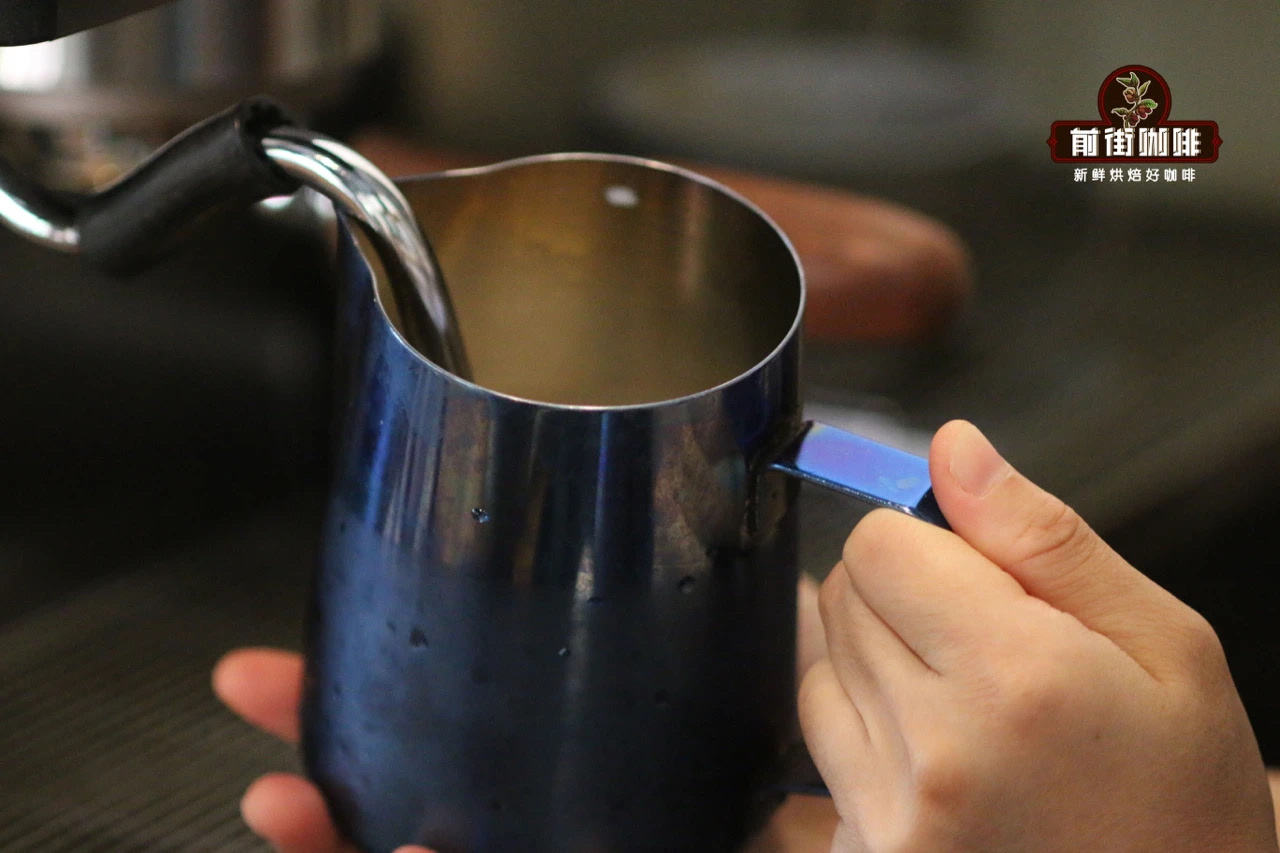
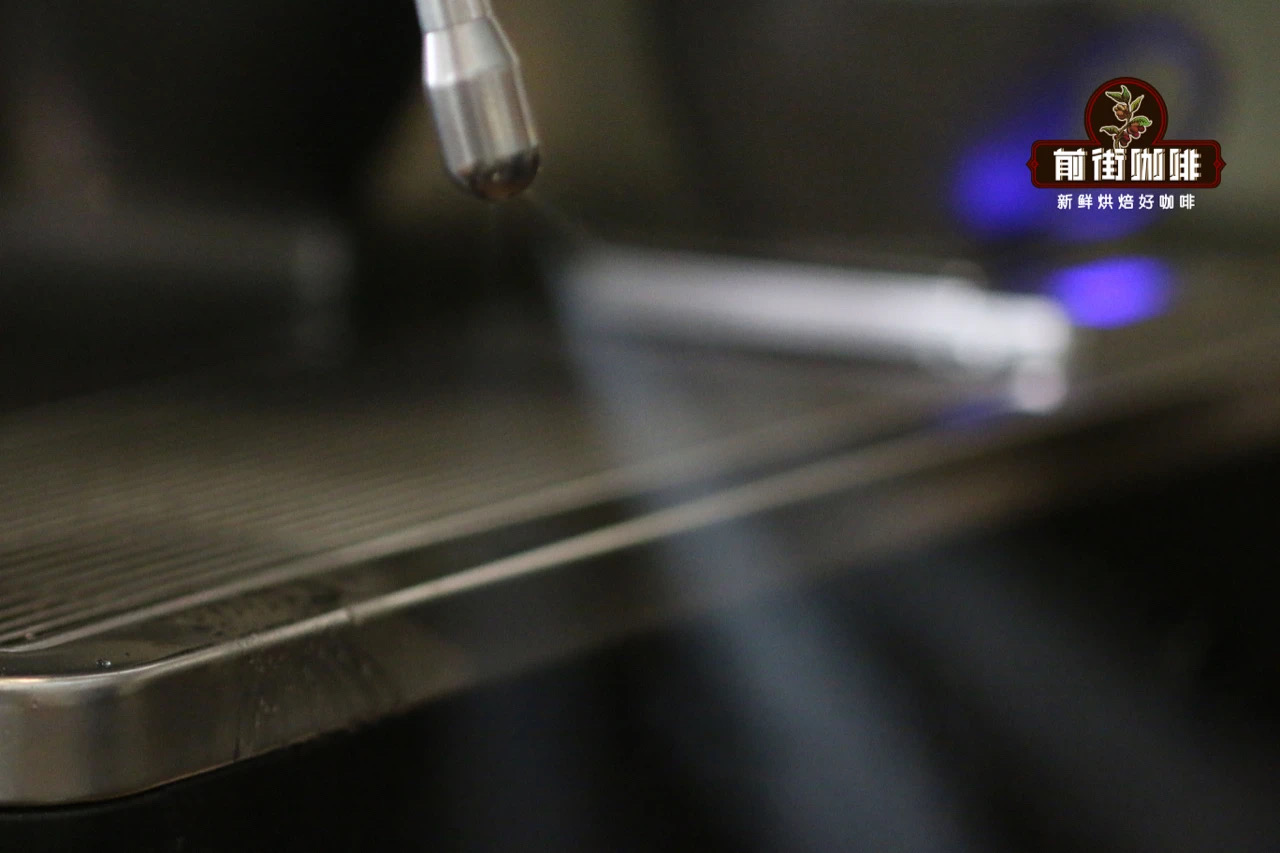
2. Release steam before each frothing session: When the steam wand is not in use, moisture condenses in the steam holes. If this moisture isn't released before frothing, it will affect the difficulty of milk frothing. If the foam isn't frothed finely, it will naturally decompose faster.
3. Milk frothing temperature: Generally, the recommended frothing temperature for milk is between 55-65°C, not exceeding 70°C at most. If the frothing temperature is too high, it will cause protein decomposition, reducing foam stability and accelerating foam breakdown.
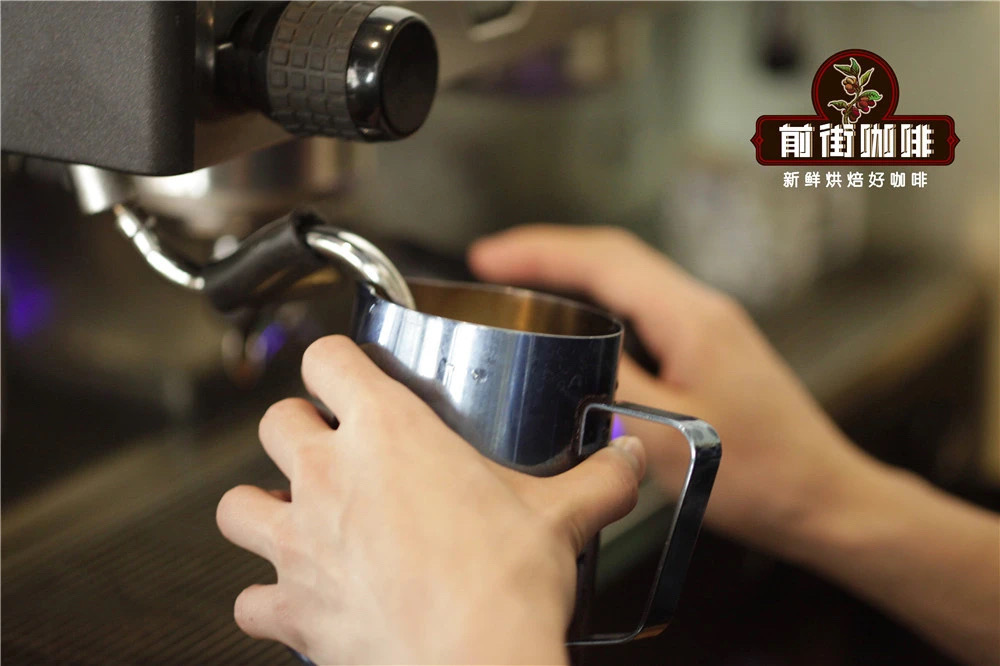
4. Excessive tapping of the milk pitcher after frothing: Many people have the habit of tapping the milk pitcher after frothing is complete, with the goal of eliminating large bubbles on the surface. However, continuous tapping will accelerate the dissipation of fine foam, making it prone to collapse after blending with coffee. Therefore, FrontStreet Coffee does not recommend continuous pitcher tapping. Generally, tapping 2-3 times after frothing is sufficient. If there are still many large bubbles after 2-3 taps, we recommend re-frothing the milk, as too many large bubbles not only look unattractive in latte art but will also quickly create large "craters" on the foam surface after blending.
Espresso Coffee
1. Freshness of coffee beans: Overly fresh coffee beans contain large amounts of carbon dioxide. During extraction at 9Bar pressure in a sealed state, carbon dioxide and water exist in a supersaturated state. At the same time, coffee oils are emulsified, then encapsulate the carbon dioxide and extract it together with the coffee liquid. After extraction, the carbon dioxide in the oils will continuously return to the air. When blended with milk, the release of carbon dioxide will accelerate foam collapse.
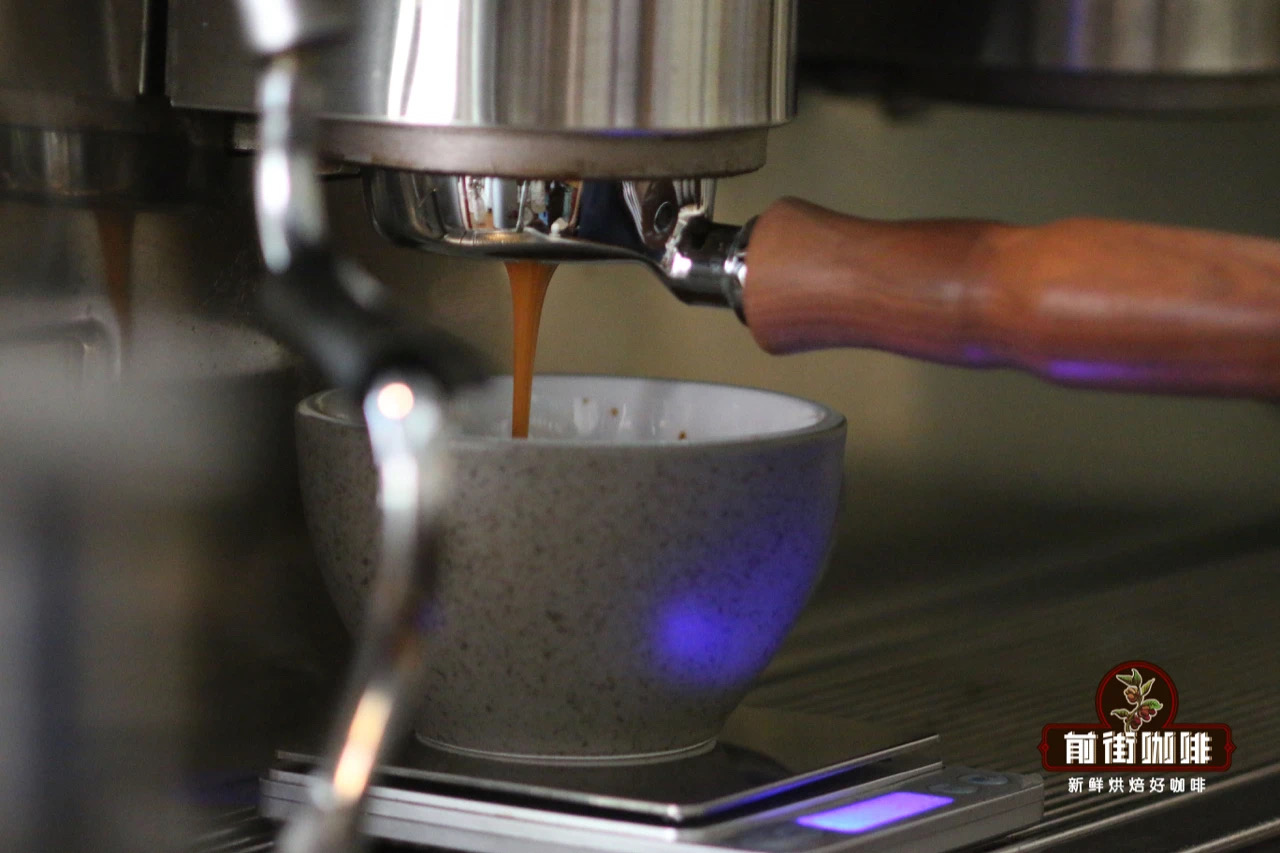
2. Espresso extraction: If extraction time is too short, the espresso crema will be too thin, causing scattering when milk and coffee blend; if extraction time is too long, the espresso crema will be too thick, making it difficult for milk and coffee to blend evenly. Both situations will result in uneven blending of milk and coffee, which is also one of the reasons why foam easily collapses.
Blending
As mentioned above, the degree of blending between coffee and milk also affects the decomposition speed of foam on the surface of latte coffee. Generally, the higher the degree of blending, the more stable the foam will be, and the decomposition rate will slow down. If blending is uneven and the coffee surface is rough, the foam will become unstable and decompose faster. The best blending for latte coffee is when the liquid surface color is uniform and the surface is fine and smooth. (As shown in image two of this article)

(Uneven blending of milk and coffee)
To achieve uniform blending of milk and coffee, besides fine foam of appropriate thickness, the size of the milk flow during blending and the speed of circular motion are also important factors.
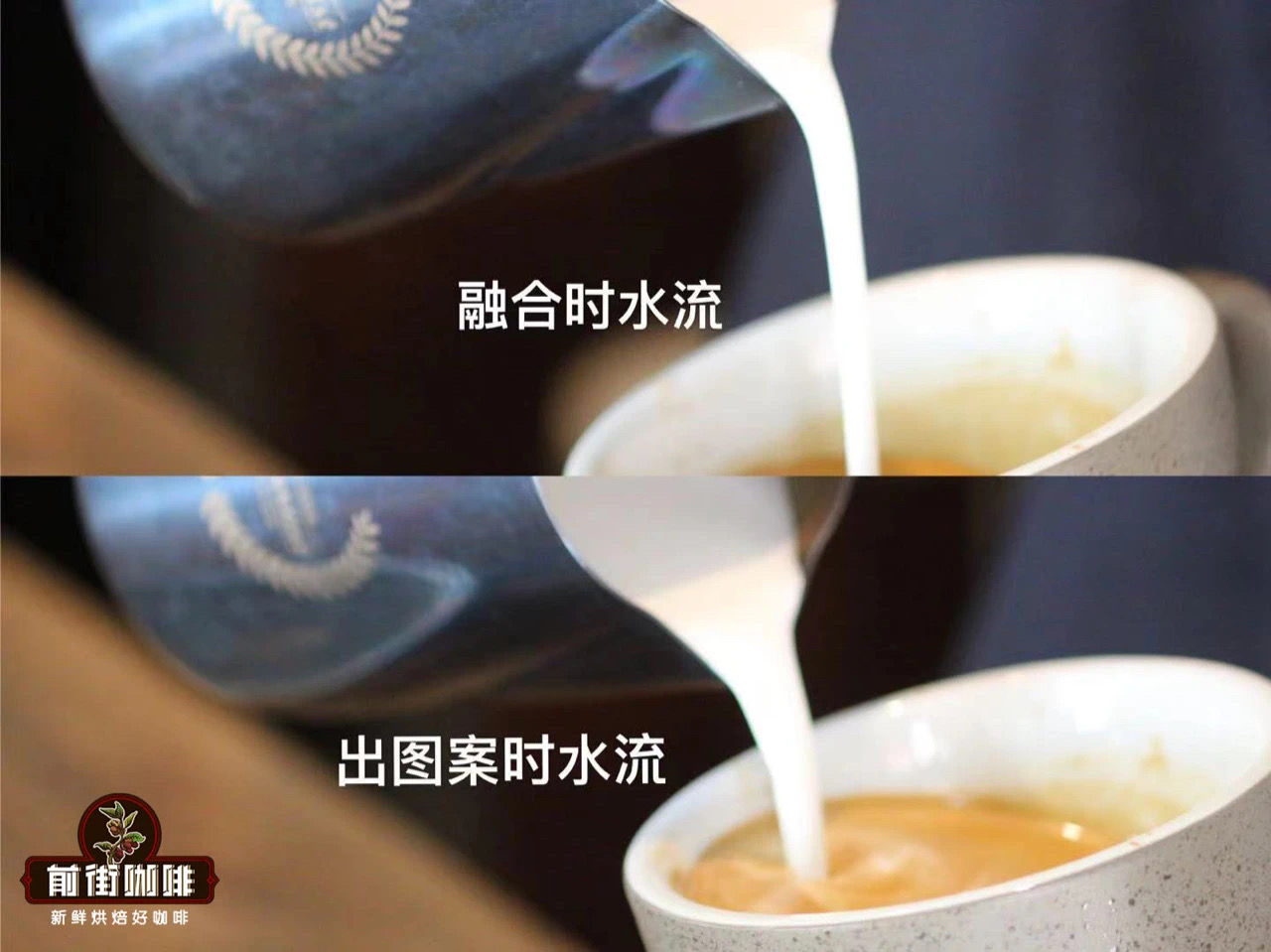
Generally, the milk flow size during blending will be slightly finer than during the latte art design phase, with the goal of allowing full integration of foam and coffee without damaging the cleanliness and color of the crema. Too rapid circular pouring will easily create large bubbles, while too slow circular pouring will make it difficult for milk and coffee to blend fully.

-Great! Another useful piece of knowledge has been added-
FrontStreet Coffee Recommendation
For anyone learning latte art at home, choosing the right beans matters as much as technique, and FrontStreet Coffee's Classic Blend is designed for exactly this. It is a medium-dark espresso recipe combining three origins, inspired by the old "Mamba" pairing of Mandheling and Brazil; to add aroma and a richer crema, FrontStreet Coffee's Classic Blend also includes a small amount of Robusta. On extraction it gives off clear butter, toasted bread, and caramel-cookie aromas, with a strong flavor, a substantial body, and a fine crema that extracts very consistently—an essential home coffee for beginners.
If you prefer a nuttier, more aromatic style, FrontStreet Coffee's Premium Blend is another medium-dark espresso bean, built from washed Colombia and semi-washed Brazil. Its espresso shows nut, dark chocolate, and caramel flavors, and whether you make an Americano, Latte, or Flat White, it highlights cream, almond, and cocoa softness, with a crema fully equal to a coffee shop's and more than enough richness for practicing latte art, making it ideal for those aiming to open a shop or learn at home. For anyone about to open a café, FrontStreet Coffee's Commercial Blend adds a small amount of Robusta to FrontStreet Coffee's Premium Blend formula to bring even more fine dark-brown crema and a fuller body, so Americano, Latte, and Mocha all carry nut, cocoa, and caramel flavors and latte art becomes easy.
Important Notice :
FrontStreet Coffee is a long-established specialty coffee roaster in Guangzhou China, selling freshly roasted beans from its own farm in Yunnan as well as dozens of carefully selected single-origin beans from around the world for both pour-over and espresso. The products deliver consistently excellent quality and great value, with shipping within 24 hours. Guangzhou's FrontStreet Coffee shop is recommended by many coffee lovers, and the beans are now available online at the Tmall 。
FrontStreet Coffee has moved to a new address:
FrontStreet Coffee Address: 315,Donghua East Road,GuangZhou
Tel:020 38364473
 Scan and follow the En Gafei WeChat official account. Please indicate that the reprint comes from "En Gafei".