What is Ateng Mantin Coffee Bean Variety? The Story of Golden Mantin Coffee Beans and How to Brew for the Best Taste
The Origins of Mandheling Coffee Varieties
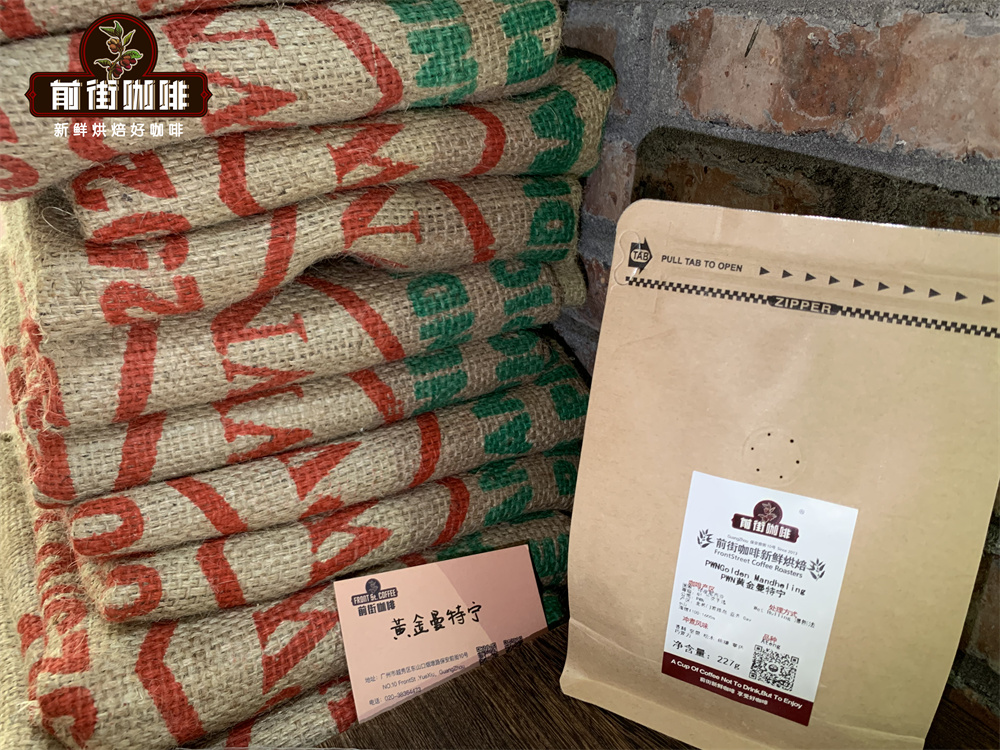
The Gold Mandheling produced today by PWN Company is of the Ateng variety, which is the local name Indonesian farmers use for what is in fact Catimor. Originally, the coffee grown in Indonesia was Typica, prized for its excellent flavor and brought to Java by the Dutch at the end of the 17th century, where it was known locally as Bergendal or Sidikalang. So how did Typica give way to the Catimor of today?
The development of coffee cultivation in Indonesia
Indonesian coffee begins in the late 17th century, when the Dutch took Jakarta on Java and made it the headquarters of the Dutch East India Company in the East. The Dutch introduced two batches of Typica seedlings from India to Java for breeding. By the 1870s, coffee-growing areas had been established in Sumatra, Bali, Sulawesi, and Timor, spreading from Java across the archipelago. The prosperity did not last. In 1869 coffee leaf rust swept through Asian producing regions, Indonesia among them, and vast areas of Typica withered.
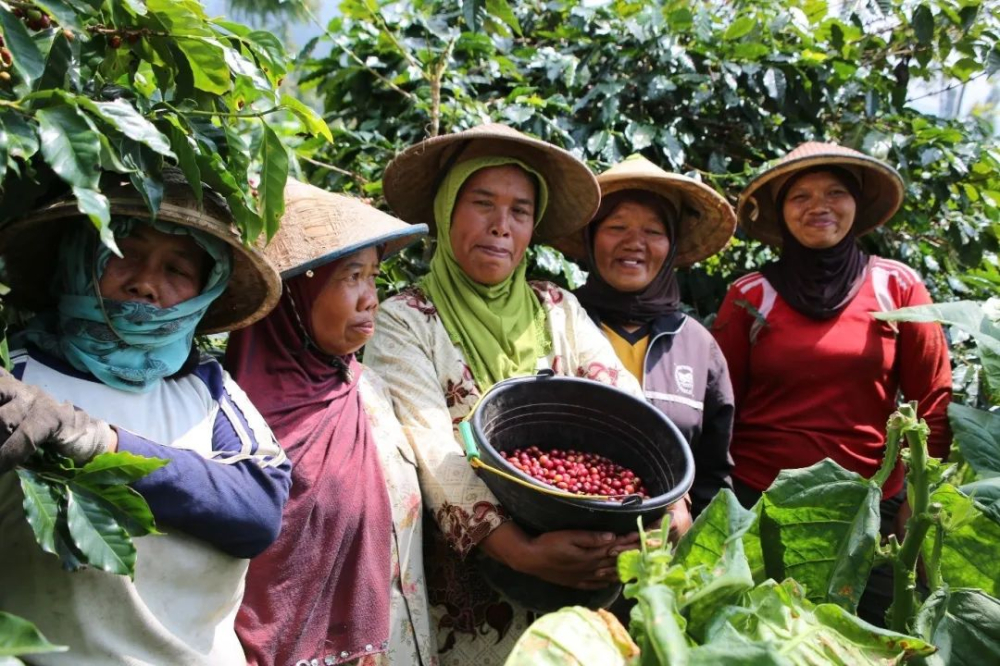
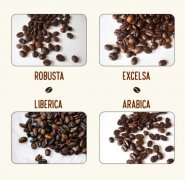
To rescue the ruined plantations, the Indonesian government introduced Robusta from Africa and elsewhere for its stronger disease resistance, and Robusta remains the country's main variety to this day. To keep plants alive and lift production, Indonesia continued to import disease-resistant varieties. Among them were the Tim Tim, Bor Bor, and Catimor series (Ateng), hybrids of Robusta and Arabica that, because of their resistance, generous yields, and easy adaptation to Sumatra's terroir, present a distinctive fir and herbal aroma. Ateng and Tim Tim gradually replaced the original Typica and became the main varieties of Sumatra and beyond, accounting for 70% of Sumatra's total coffee production.
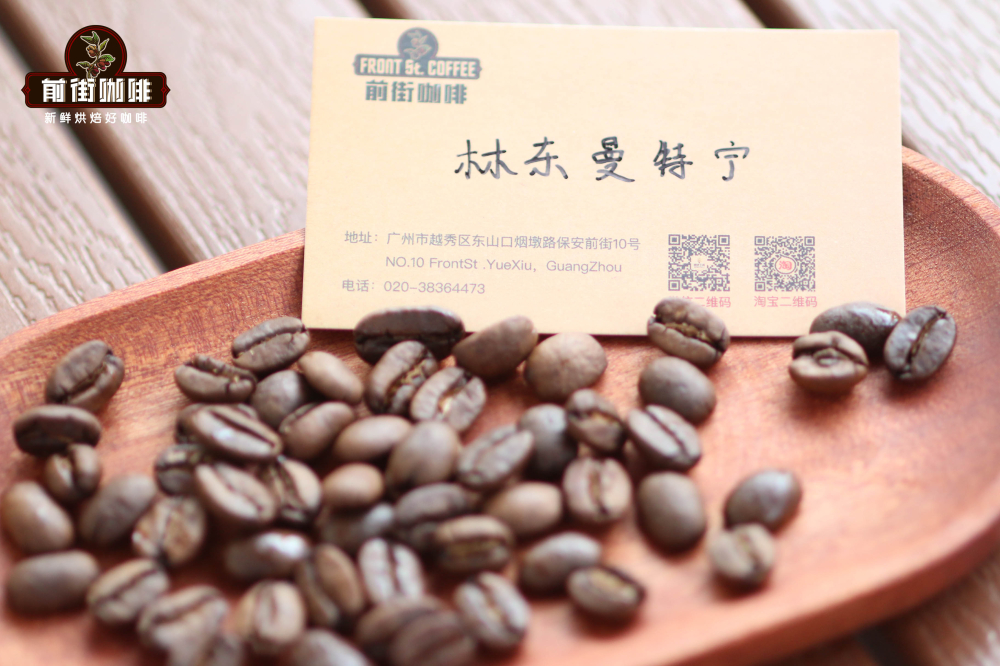
FrontStreet Coffee's Indonesian Lintong Mandheling is a blend of Tim Tim and Ateng, processed with the wet-hulling method common to Indonesia. It presents a rich, bitter coffee aroma with extremely low acidity, carries herbal and spice notes, and feels mellow and solid on the palate, which makes it a coffee with high recognizability.
Sumatran Semi-Washed Method: Wet-Hulling
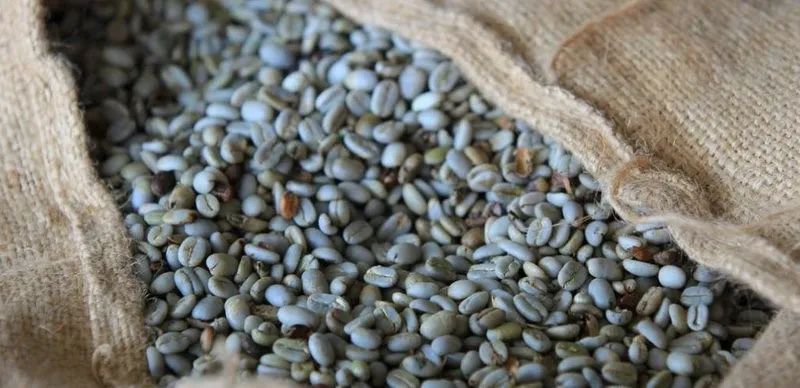
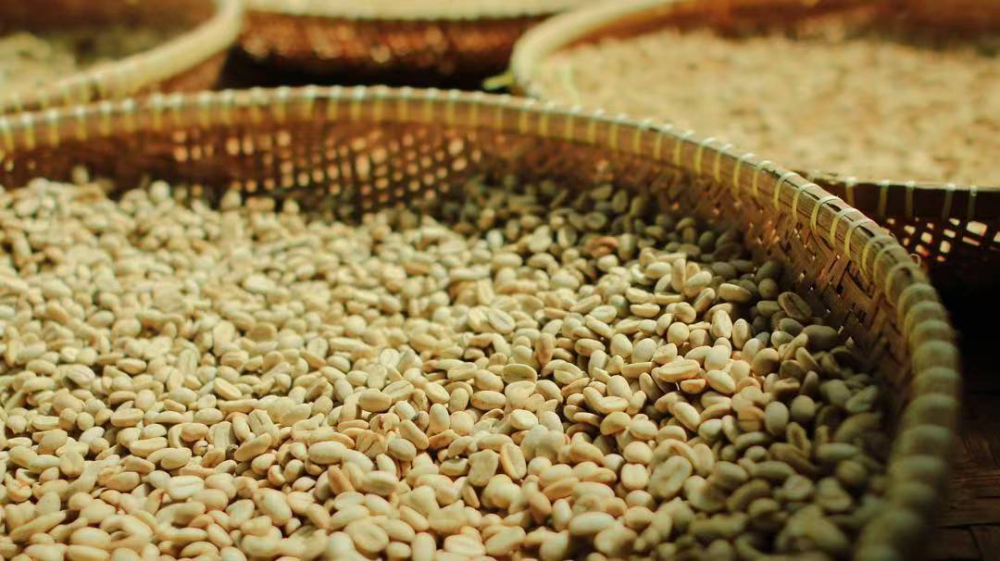
Indonesia's annual humidity runs from 70% to 90%. If washed processing were used, the raw beans would mold and deteriorate in the humid air before they ever finished drying. Growers therefore developed a semi-washed method that dramatically shortens processing time: wet-hulling. The first steps match the washed method. Farmers remove the pulp from the cherries and ferment them in water for 3 hours. After the mucilage is washed away, the parchment-covered beans get a short drying period of 2-3 days. When the beans reach a semi-soft, semi-hard state at 20-24% moisture content, the parchment is removed and drying continues until moisture drops to 13%, at which point the coffee is packed.

Because the hulling machine relies on heavy friction to tear away the parchment clinging to the raw bean, that same friction makes the beans easy to crush or squeeze, especially at the ends, forming small gaps and creating "elephant beans." The naked beans, with no parchment left, dry very quickly, but they are also directly exposed to a humid environment where fungi proliferate. This is what gives Indonesian coffee its unique woody, spicy, and herbal notes, the flavor we call terroir.
Wet-hulling clearly shortens fermentation, which lowers acidity, increases body, and intensifies herbal and medicinal flavors. The naked beans keep absorbing moisture from the hot, humid air, which forms Sumatra's characteristic earthy, herbal, and cedar aroma. After roasting, the cup shows rich dark chocolate, caramel, and nut flavors, and it has long been favored by Japanese drinkers who love dark-roasted coffee.
The Story of Gold Mandheling Coffee
During World War II the fighting spread from Europe to Asia. Indonesia, then a Dutch colony, was invaded by Japan in 1942 after the Netherlands declared war on Japan, and Japanese troops landed on Sumatra in February 1942. The Japanese already drank coffee, and in northern Sumatra they encountered the charm of wet-hulled Mandheling and became loyal fans of it from then on.
Even the name Mandheling is said to trace back to the Japanese, the product of a pronunciation misunderstanding. During the war, a Japanese soldier drank a cup of rich, mellow coffee at a local cafe. Impressed, he asked the owner what the coffee was called. Because of the language barrier, the owner thought the soldier was asking where he was from and answered "Mandailing." After the war the soldier commissioned an Indonesian broker to ship 15 tons of the "Mandheling coffee" of his memory to Japan, where it proved extremely popular. You could say that this broker made Mandheling famous, and Mandheling made this broker the founder of what is now the renowned PWN Coffee Company.
PWN mainly buys high-quality local batches of Mandheling raw beans and produces only specialty-grade Mandheling. "Gold Mandheling" is its signature product. Japanese buyers recognized the quality of Sumatra coffee and bought it over the long term, gradually discovering that the local bean quality was often inconsistent. They therefore paid closer attention to production and began setting strict standards and methods for removing defects, starting from density, size, shape, and color. The finished Mandheling requires one machine selection plus four manual hand-sortings to remove defects, ensuring the beans are complete, uniform, large, and translucent while reducing the earthy and grassy flavors of Mandheling. Legend has it that it glistens golden in the sun, which is how the name Gold Mandheling came about.
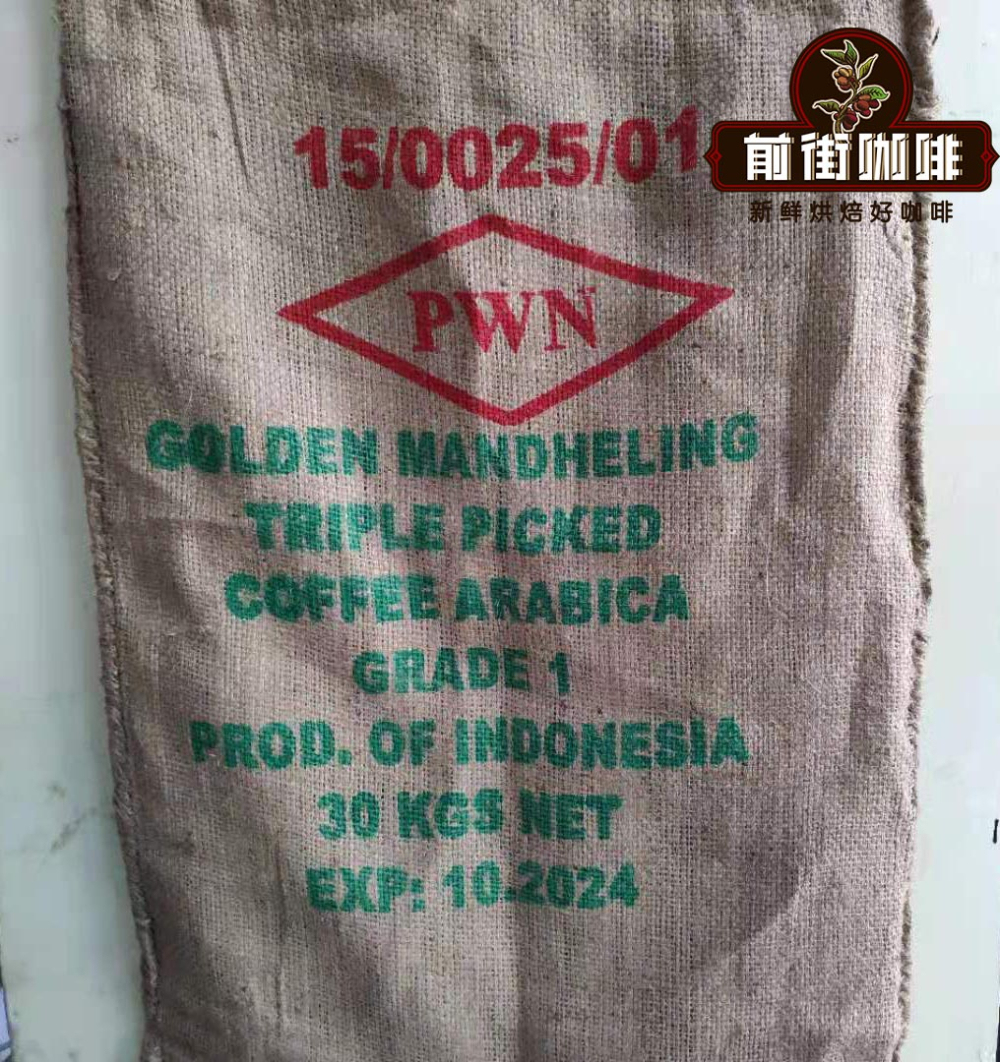
As the specialty Mandheling market grew, PWN also recognized the importance of trademarks and registered the English name "Gold Mandheling" as an exclusive mark ahead of the Japanese. Only Gold Mandheling produced by PWN Company can therefore be considered genuine Gold Mandheling, while producers in Japan had to rename their coffee "Top Mandheling." The Gold Mandheling that FrontStreet Coffee carries is, of course, an authentic product from PWN. Genuine Gold Mandheling can be identified by raw bean sacks bearing the PWN logo and a certificate of origin signed by PWN Company, which FrontStreet Coffee displays in its store.
How to Brew Gold Mandheling Coffee for the Best Taste
Customers often ask FrontStreet Coffee which Mandheling to choose. If you are a beginner just starting out and want to understand the flavors of different regions, FrontStreet Coffee suggests starting with the cost-effective Lintong Mandheling as a daily coffee bean, so you can learn the flavor characteristics of the major producing regions before choosing a favorite. If you are already a coffee connoisseur, FrontStreet Coffee considers PWN Gold Mandheling an excellent choice.
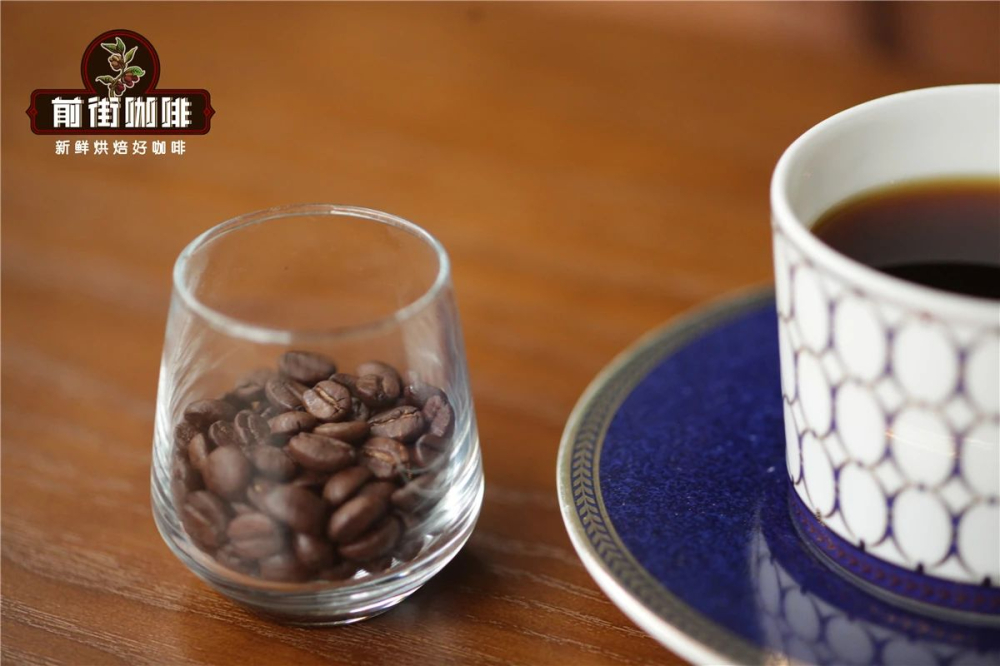
Mandheling presents a rich roasted coffee aroma and a solid texture, and it suits a range of brewing and extraction methods: pour-over, siphon, French press, Aeropress, moka pot, and more. FrontStreet Coffee's favorite way to enjoy the rich texture of Gold Mandheling is as pour-over black coffee.
FrontStreet Coffee prefers a KONO dripper for beans that express body. The KONO has short ribs only in the middle and lower sections, while the upper part of the dripper is a smooth curve. When the filter is wetted, it fits tightly against the wall of the dripper and restricts airflow during extraction. The result is a longer residence time for the hot water, a higher extraction rate, and a more concentrated brew, which makes the coffee taste richer and more mellow. The KONO is also well suited to full-flavored beans such as the Brazil Queen Estate coffee.
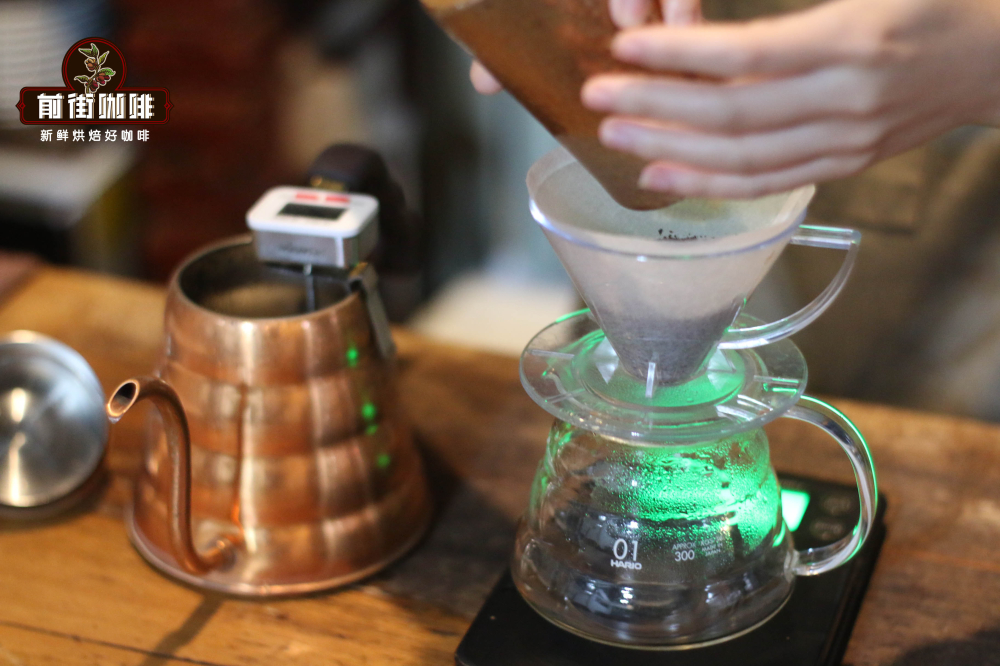
FrontStreet Coffee generally uses 15g of coffee. The choice of dose is tied to the size of the dripper, and FrontStreet Coffee's dripper suits one to two servings, so 15-20g is the working range; too much easily disrupts extraction. For the brew ratio, 1:15 is the most common choice, and anything between 1:13 and 1:17 is acceptable. FrontStreet Coffee finds that tastes differ: 1:13 can be too strong for some drinkers and 1:17 too weak, so we take the middle value of 1:15.
Brewing parameters: KONO dripper, 87°C water, 1:15 brew ratio, grind passing 70% through a China No. 20 standard sieve, 15g of coffee, three-stage extraction.
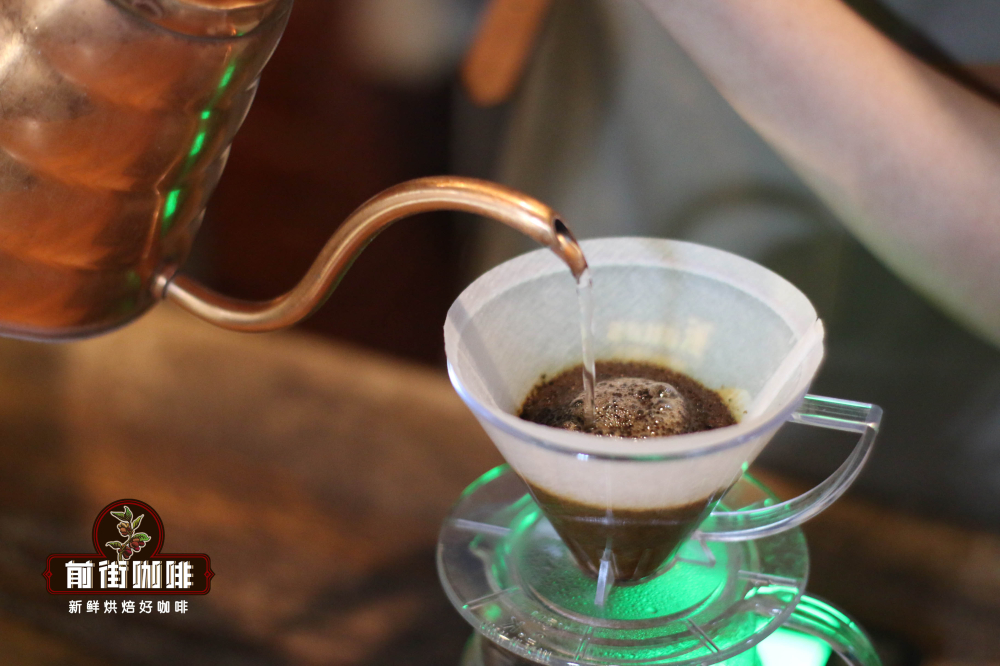
First wet the filter paper so it sits tightly against the dripper, then add the ground coffee and level the bed. Inject 30g of hot water from the center for a 30-second bloom, at which point the dark-roasted Mandheling will form a tall dome. Then begin the second stage, pouring evenly until the liquid weight reaches 125g. Wait for the coffee to drop to the halfway point before starting the final 100g pour. Keep the flow steady and small throughout to avoid uneven extraction. Once all the liquid has dripped through, remove the dripper, swirl the coffee in the server to mix it, and taste.
The parameters FrontStreet Coffee gives assume fresh coffee beans, so freshly roasted coffee is the primary condition here. FrontStreet Coffee ships beans roasted within 5 days, so by the time the coffee reaches you it is right at its optimal tasting window. The aim is to ensure every customer can drink good coffee with the most complete flavors.
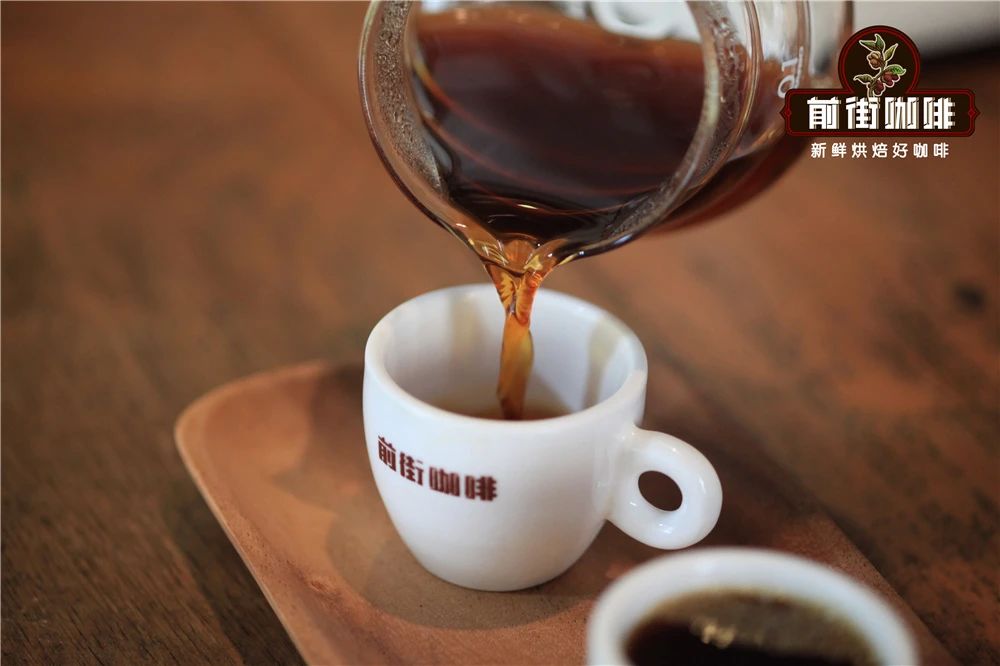
Freshly brewed PWN Gold Mandheling has an obviously solid texture, with more intense notes of cedar, spice, dark chocolate, and roasted hazelnut. The aftertaste is clean, the flavor lifts to another level, and you can feel the sweetness of caramel and the lingering finish.
FrontStreet Coffee Recommendation
Gold Mandheling is the clearest expression of what wet-hulling does to a coffee: low acidity, heavy body, and a clean, sweet finish built on herbal, cedar, and dark chocolate notes. It is the benchmark for anyone who likes a strong, full cup.
FrontStreet Coffee carries two Mandhelings that cover both ends of that spectrum. The Lintong Mandheling and the PWN Gold Mandheling come from the Lintong growing area of Sumatra and from Aceh respectively, and both are roasted medium-dark so the black chocolate and caramel flavors lead while the wild herbal character of Mandheling stays intact. PWN Company buys only high-quality Mandheling lots and sorts them by density, size, shape, and color; after one machine selection and several hand-sortings, the beans come out even, plump, and low in defects, and they are the head of PWN's range. After a medium-dark roast they carry a full roasted aroma, and the black coffee pours up clean with a thick, filling body, which makes them ideal for drinkers who dislike acidity. For the espresso machine, FrontStreet's best-selling Classic Blend takes Brazilian cream and nut flavors and layers medium-dark Mandheling on top, so butter, roasted chestnut, and caramel come forward; the Mandheling lifts the body of the whole cup and adds sandalwood, herbal, and spice notes, while a small amount of Robusta increases the richness of the crema, making latte art and a layered Dirty easy to pull off.
To brew the Gold Mandheling as a pour-over, use 87-88°C water, 15g of coffee, a 1:15 ratio, and a grind about the texture of coarse sugar. Pour in three stages: a 30ml bloom to wet the grounds and let them degas, then 100ml to bring up the golden foam and lift the bed, and finally a gentle 95ml pour down the center to raise the sweetness. That sequence draws out the thick body, the caramel sweetness, and the chocolate and nut flavors that define the coffee.
Important Notice :
FrontStreet Coffee is a long-established specialty coffee roaster in Guangzhou China, selling freshly roasted beans from its own farm in Yunnan as well as dozens of carefully selected single-origin beans from around the world for both pour-over and espresso. The products deliver consistently excellent quality and great value, with shipping within 24 hours. Guangzhou's FrontStreet Coffee shop is recommended by many coffee lovers, and the beans are now available online at the Tmall 。
FrontStreet Coffee has moved to a new address:
FrontStreet Coffee Address: 315,Donghua East Road,GuangZhou
Tel:020 38364473
 Scan and follow the En Gafei WeChat official account. Please indicate that the reprint comes from "En Gafei".