What Grade is Blue Mountain Coffee? How Does Blue Mountain Coffee Taste and Who is it Suitable For?
Professional Coffee Knowledge Exchange
Even before I had any exposure to coffee, I had already heard of Blue Mountain. It carries an air of the premium — a high-end name in the coffee world — and that reputation is well earned, because Blue Mountain truly sits at the very top of specialty coffee. In the past, a cup of authentic Blue Mountain was hard to come by; today it is far easier to find, and it remains a fine coffee suitable for every kind of drinker to taste.
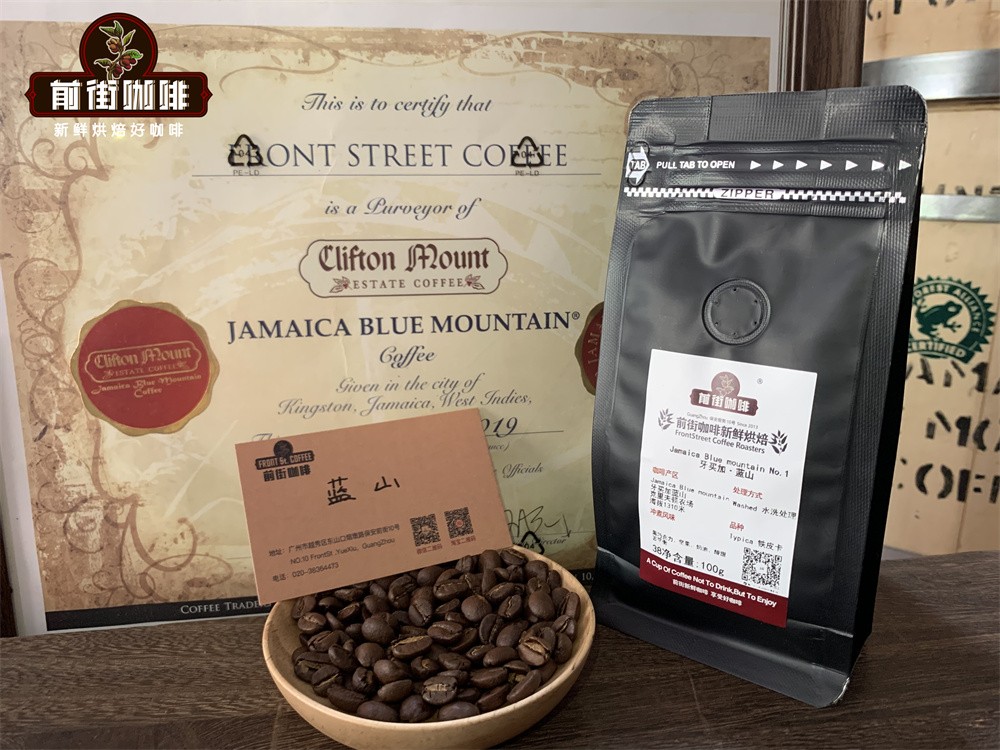
At FrontStreet Coffee, the Jamaica Blue Mountain No. 1 at 158 yuan/100g is a perennial favorite, because the flavor of Blue Mountain is the most mellow in the world — a perfect balance of sweet, sour, and bitter — making it a "founding father" that defined what good coffee means.
The Origin of Blue Mountain Coffee
Blue Mountain's superb flavor is closely tied to its growing environment and variety. Let's first understand why Blue Mountain is the finest of the specialty coffees.
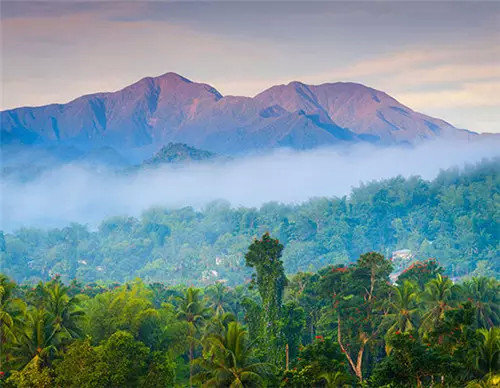
There are many "Blue Mountain" coffees on the market today — so which are truly authentic? And why are they considered high-end? FrontStreet Coffee explains: the Blue Mountains are located in eastern Jamaica. On clear days, the sun shines directly on the azure Caribbean Sea, and the peaks reflect the brilliant blue light of the water — hence the name. The highest peak reaches 2,256 meters, the tallest in the Caribbean region and a famous tourist destination.
The area lies within the coffee belt, with fertile volcanic soil, fresh unpolluted air, and a humid climate of year-round fog and rain (average precipitation of 1,980 mm, temperatures around 27°C). These conditions created the world-renowned Jamaica Blue Mountain beans — and the world's highest-priced coffee. This coffee has every hallmark of greatness: rich and mellow in taste, and thanks to the perfect marriage of sweet, sour, and bitter, utterly free of harshness, with only moderate, polished acidity. It is best enjoyed as a single origin, but because production is so limited and the price so high, the market is full of blends made with similar-tasting coffees.
Why is Blue Mountain Coffee So Pure?
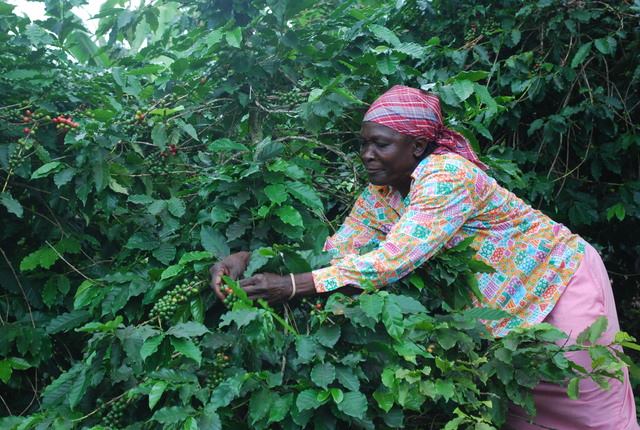
FrontStreet Coffee has learned that Blue Mountain coffee trees all grow on rugged mountain slopes, which makes harvesting extremely difficult. Only skilled local female pickers can do the job. Selecting cherries at exactly the right ripeness is crucial — underripe or overripe fruit will damage the quality. After picking, the cherries must be hulled the same day, then fermented for 12-18 hours. The beans are then washed and screened. Next comes drying on concrete floors or thick blankets until the moisture drops to 12%-14%, after which they are stored in special warehouses. When needed, they are brought out for roasting and grinding. Every step must be strictly controlled, or quality suffers.
The History of Blue Mountain Coffee
In 1717, King Louis XV of France ordered coffee planted in Jamaica. In the mid-1720s, Governor Sir Nicholas Lawes imported Arabica seeds from Martinique and promoted cultivation in the St. Andrew area. St. Andrew remains one of the three major producing regions of Jamaica Blue Mountain, alongside Portland and St. Thomas. Within 8 years, Jamaica was exporting over 375 tons of pure coffee. In 1932, production peaked, with more than 15,000 tons harvested.
In 1950, the Jamaican government established the Jamaica Coffee Industry Board, which sets and enforces quality standards for Jamaican coffee. The Board grants special official seals to both green and roasted coffee exported from Jamaica — making it the world's highest-level national coffee institution. Six trademarks can certify the origin of Blue Mountain Coffee: Mavis Bank Coffee Factory (M.B.C.F), Blue Mountain Coffee Cooperative Factory (M.H.C.C.T.), Portland Blue Mountain Coffee Cooperative Factory (P.X.X.S.H.), Coffee Industry Association (Wallenford), Coffee Industry Association (St. John's Peak), and J.A.S.
By 1969, the situation had improved, because Japanese loans were used to raise production quality and thereby secure the market. Today the coffee enjoys near-fanatic popularity. By 1981, Jamaica had opened about 1,500 hectares of land for coffee cultivation, followed by an additional 6,000 hectares. In fact, today's true Blue Mountain region is small — only 6,000 hectares of planting area — making it impossible for all coffee labeled "Blue Mountain" to come from there. Another 12,000 hectares grow two other classifications: High Mountain Supreme Coffee and Jamaica Prime Washed Coffee.
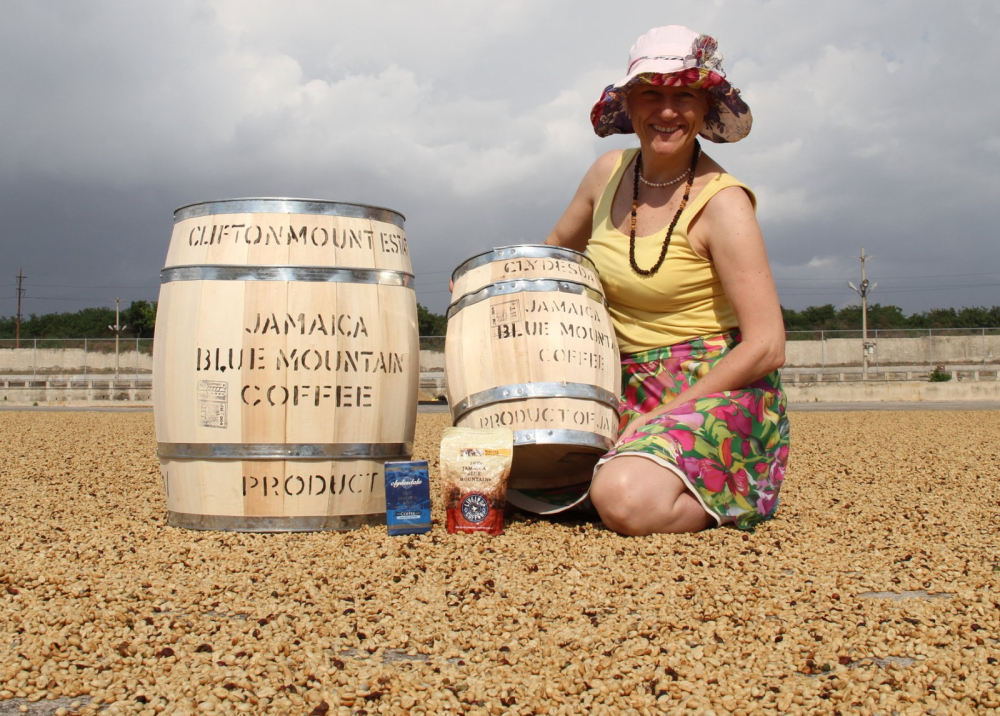
Because of Japan's continuous investment in Jamaica's coffee industry, most Blue Mountain is now controlled by Japanese buyers, who also hold priority purchasing rights. In 1992, Jamaica sold 688 tons of Blue Mountain to Japan, 75 tons to the United States, and 59 tons to the United Kingdom. Today, 90% of Blue Mountain is purchased by Japan. With the rest of the world sharing only 10%, Blue Mountain is always in short supply, regardless of price.
Blue Mountain Coffee Varieties
Blue Mountain belongs to the ancient Typica bloodline. Among today's coffee varieties, heirloom types are actually quite rare. But even Typica-lineage coffee is not necessarily true Blue Mountain — only beans grown at the specific high altitudes of the Blue Mountains can claim the crown.
Typica is a variety with highly distinct traits, arguably the easiest to recognize. It grows in a conical shape, with a vertical trunk reaching up to 5 meters. That height means the spacing between branches — and between nodes on the same branch — is longer in Typica than in other varieties.
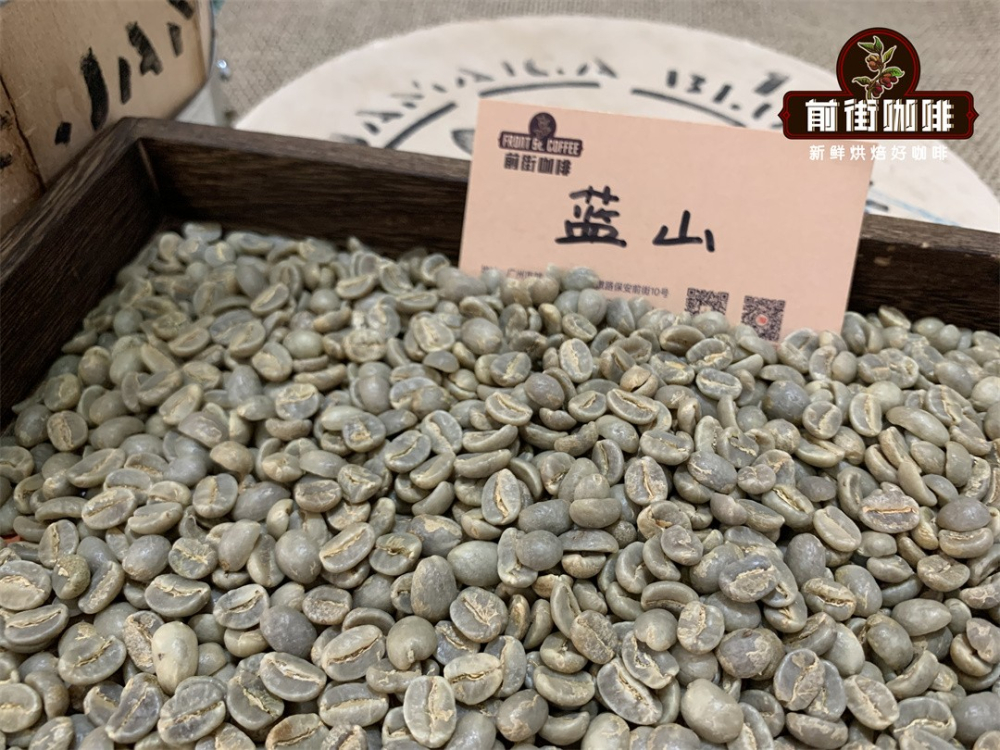
The lateral branches form a 50 to 80-degree angle with the trunk. Trunk and branches are relatively slender, and the leaves, fruits, and green beans usually appear elongated. The young leaf buds have a distinctive bronze color. Compared with other Arabica varieties, Typica leaves are smoother with fewer wavy edges, and its fruits turn a bright red when ripe.
One of Typica's unique markers is its bronze-colored top leaves — hence the nickname "red-topped coffee" — along with larger beans that are pointed oval or slender and pointed. The variety is known for its quiet, clean flavor and balanced character, with excellent cup clarity. The downsides are low yield, demanding altitude requirements, and susceptibility to leaf rust and weak resistance to pests and diseases.
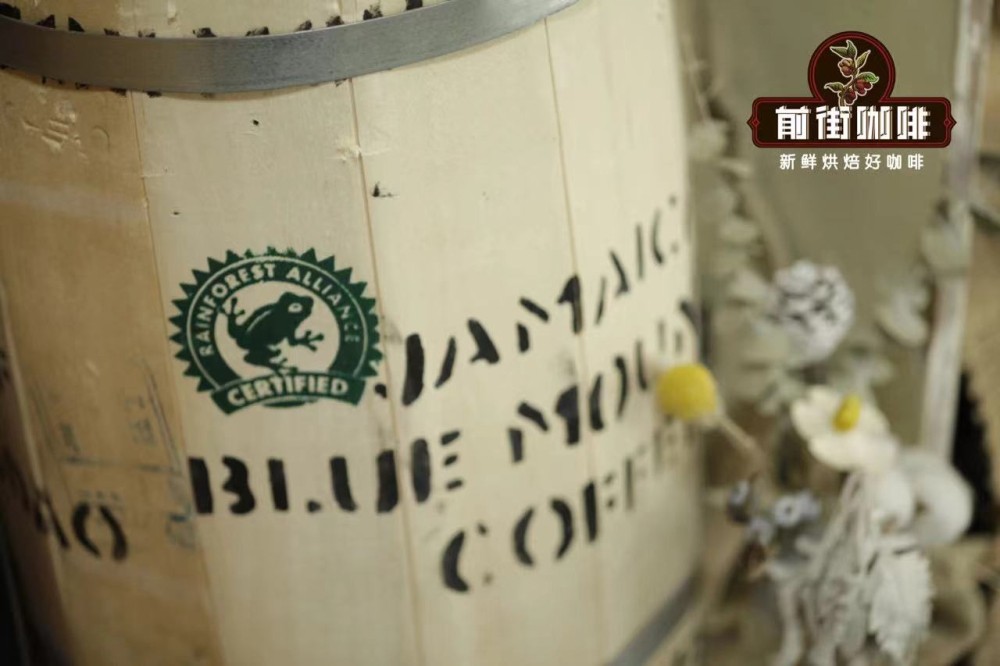
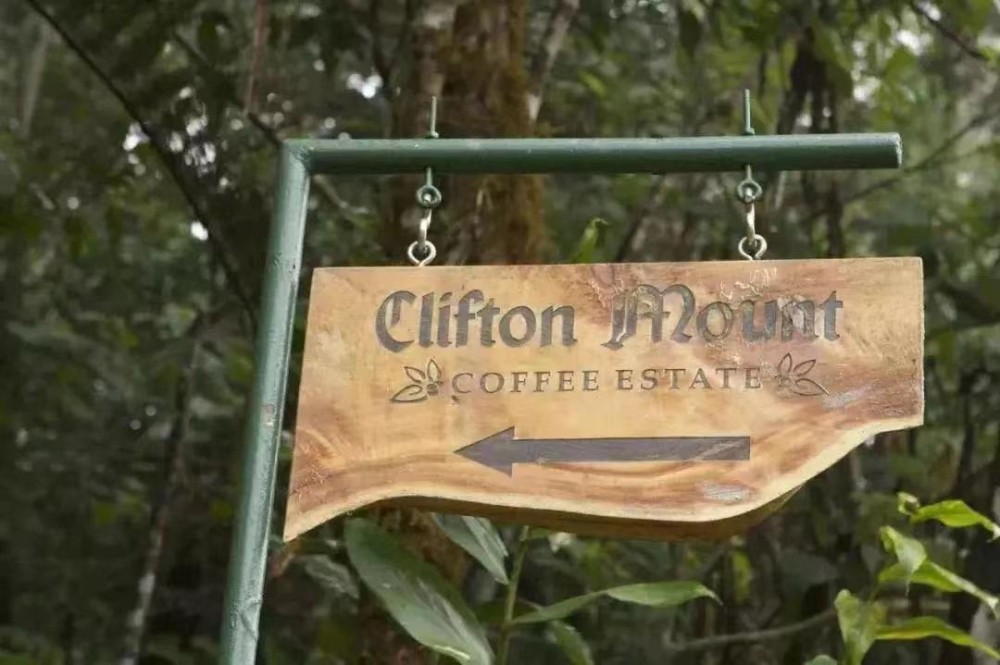
The Jamaica Blue Mountain No. 1 offered by FrontStreet Coffee comes from Clifton Manor, the only coffee estate with Rainforest Alliance certification, and carries a certificate issued by the Jamaica Coffee Board. Jamaica Blue Mountain is the only coffee shipped in wooden barrels for its green beans, and the barrels feature a green frog logo.
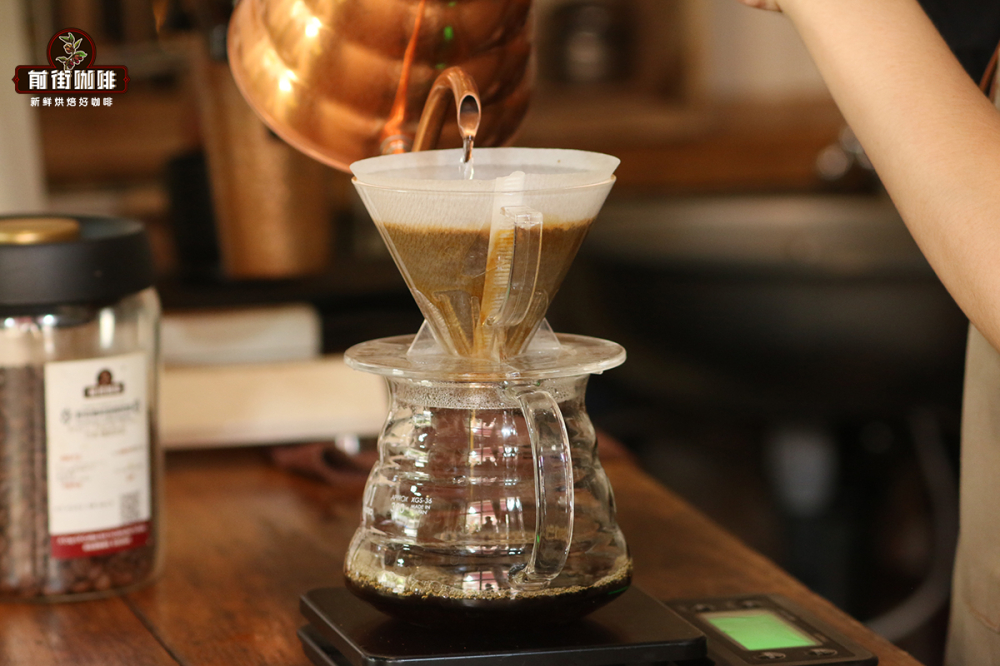
Brewing Recommendations from FrontStreet Coffee
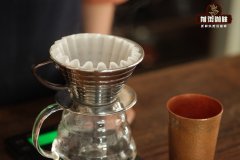
To let Blue Mountain express its full richness, FrontStreet Coffee recommends brewing with a Kono dripper. Its short ribs, combined with a snugly fitted filter paper, create a semi-sealed state that slows the flow and produces a short immersion effect. The parameters FrontStreet Coffee uses for daily Blue Mountain service are: 88°C water temperature, 1:15 coffee-to-water ratio, 15g of coffee, and a grind size at 75% pass-through on the No. 20 standard sieve.
Washed Blue Mountain Flavor: Opens with dark chocolate and nuts, high clarity, very bright, excellent body, and a perfect balance of sweet, sour, and bitter.
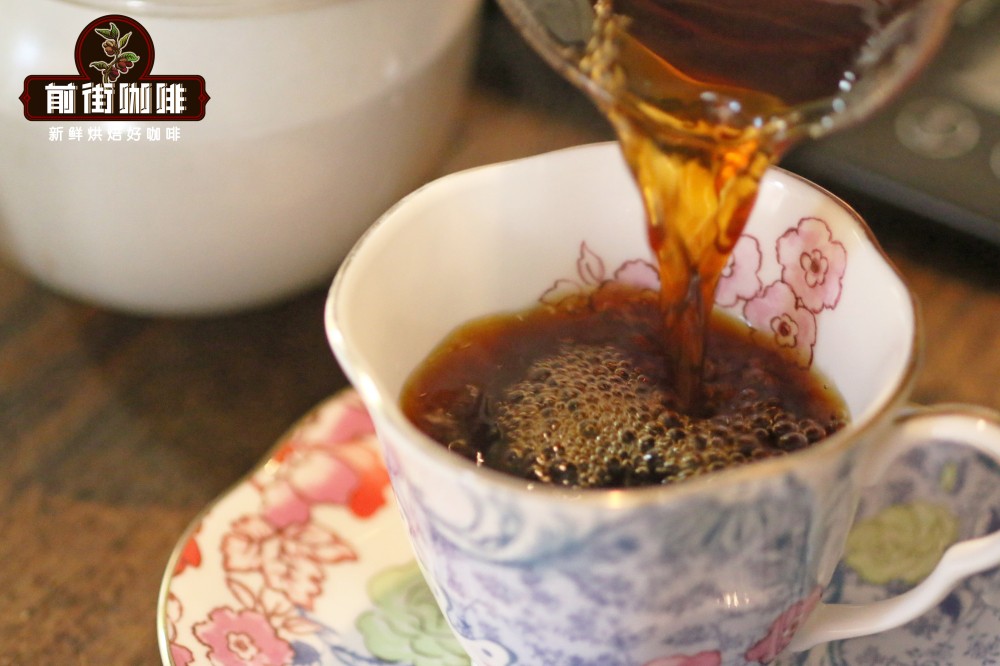
FrontStreet Coffee Brewing Recommendations
For brewing, FrontStreet Coffee recommends freshly roasted beans to capture the fullest expression of flavor. All FrontStreet Coffee beans are shipped within 5 days of roasting, because freshness profoundly affects the cup. FrontStreet Coffee's roasting philosophy is "Freshly Roasted Good Coffee," ensuring every order arrives at its peak — the beans rest for about 4-7 days, so they are ready to brew the moment you receive them.
FrontStreet Coffee Recommendation
For a genuine taste of the legend, FrontStreet Coffee's Jamaica Blue Mountain No. 1 — from the historic Clifton Estate, where coffee has been grown since roughly 1750 — is the definitive choice. The estate's growing areas average 4300 feet (1310.64 meters), where cool nights, gentle afternoon mists, and mineral-rich soil extend the cherry-ripening period and deepen the cup's complexity. Its authenticity is fully verifiable: Jamaican government certification and origin documents, plus the traditional wooden shipping barrels (in 15kg, 45kg, and 70kg sizes) that are themselves a hallmark of real Blue Mountain.
Roasted to a traditional medium-dark profile within 5 days of order, it delivers nuts, dark chocolate, cream caramel, and layered soft sweetness with sweet, sour, and bitter in perfect harmony — equally suited to daily drinking or as a premium gift. Brew it FrontStreet Coffee's way: a Kono dripper, 15g of beans rested 4-7 days from the roast date, a grind slightly coarser than light roasts (about white sugar), 87-88°C water, a 1:15 ratio, and three pours — 30g bloom for 30 seconds, then to 120g with a slow, vertical pour, then to 225g with slightly faster circles to keep the bed from clogging — for a clean, complex, and perfectly balanced cup.
Important Notice :
FrontStreet Coffee is a long-established specialty coffee roaster in Guangzhou China, selling freshly roasted beans from its own farm in Yunnan as well as dozens of carefully selected single-origin beans from around the world for both pour-over and espresso. The products deliver consistently excellent quality and great value, with shipping within 24 hours. Guangzhou's FrontStreet Coffee shop is recommended by many coffee lovers, and the beans are now available online at the Tmall 。
FrontStreet Coffee has moved to a new address:
FrontStreet Coffee Address: 315,Donghua East Road,GuangZhou
Tel:020 38364473
 Scan and follow the En Gafei WeChat official account. Please indicate that the reprint comes from "En Gafei".