Differences Between Pour-Over Coffee and Americano - Is Pour-Over Coffee Better Than Machine-Made? How to Pronounce Pour-Over Coffee in English

Readers often write in asking how the same bag of beans can taste so different depending on whether it is brewed as pour-over or as an Americano. In this article FrontStreet Coffee breaks that question down, starting with what actually separates the two drinks.
In English, pour-over coffee is called "pour over" or "hand drip" — a brewing method in which water passes through a bed of ground coffee under nothing more than gravity. Americano takes its name from "American's coffee," the habit American soldiers had of diluting espresso with hot water. Italians later adopted the joke, and the drink became one of the standard items on any coffee menu.
What Is Pour-Over Coffee?
Pour-over is a brewing method that relies on a dripper as its vessel. Fresh coffee is ground to a suitable fineness, then water at the right temperature is poured over it to dissolve the soluble material. Change the dripper, the grind size, the water temperature or the pouring technique and the very same bean will present a different flavor and texture.
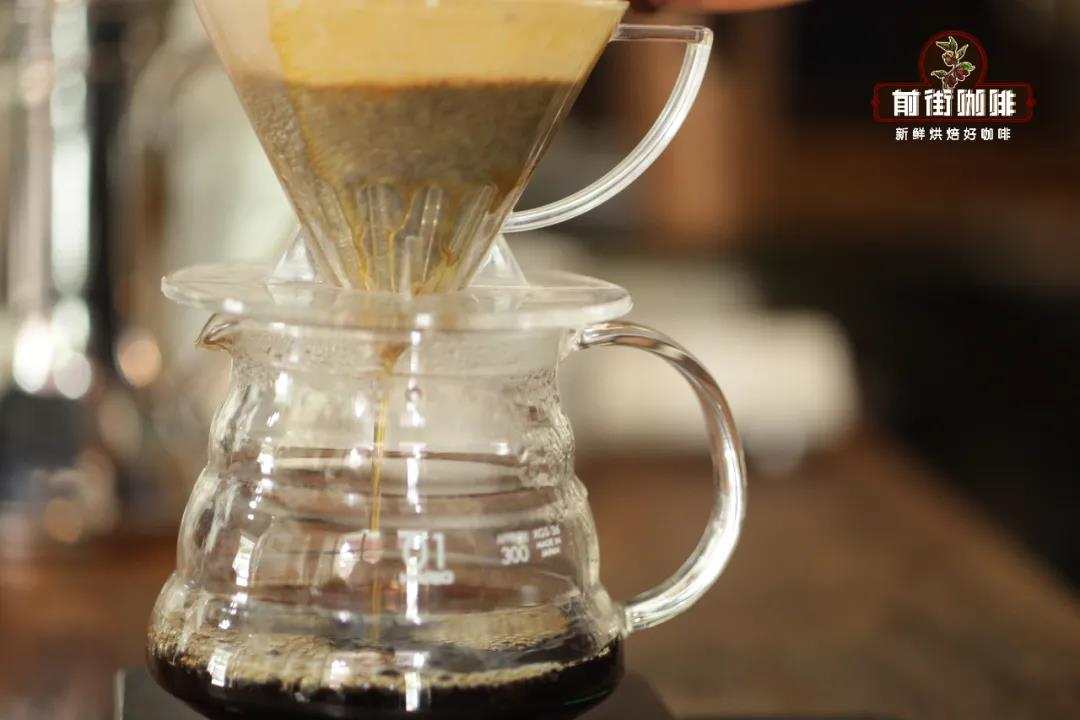
Because the dripper acts as a support, the water extracts the coffee and then drips through the filter paper into the server below. No pressure is applied at any point, which places pour-over firmly in the drip-coffee family.
What Is Americano Coffee?
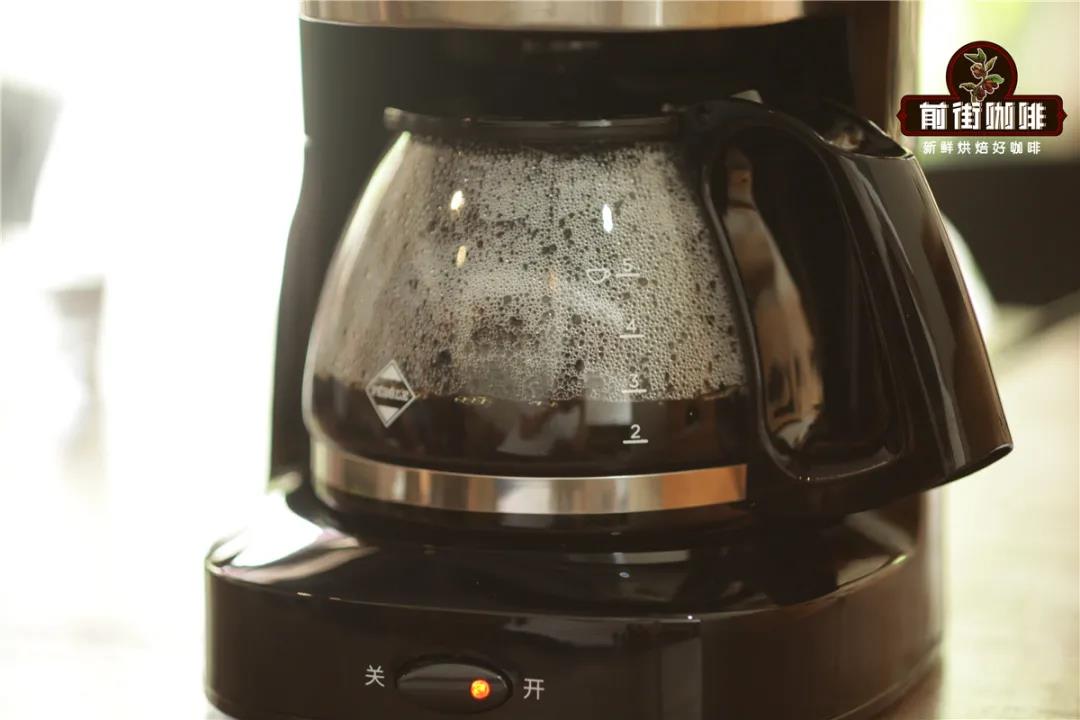
A true Americano begins with espresso pulled on an espresso machine, which is then diluted with a measured amount of water. What the market calls an "Americano coffee machine," on the other hand, is really a drip brewer: it pours water over the grounds and lets the liquid filter through a paper or mesh screen into the carafe.
Espresso works on an entirely different principle. Hot water is forced at 9 bar through a very fine, tightly packed puck of coffee, pulling a highly concentrated shot at a 1:2 brew ratio in 20-30 seconds. Mix that concentrate with the right amount of water and you have the familiar Americano. Because pressure is central to the process, Americano belongs to the pressurized-extraction category.
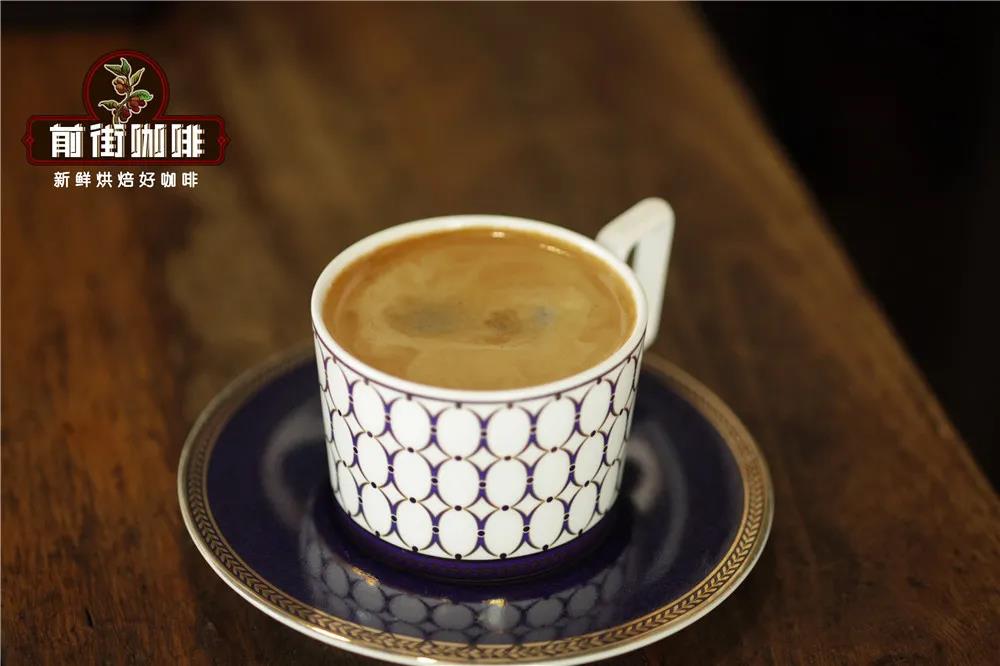
The Same Bean, Brewed Two Ways
How Do the Flavor and Texture Differ?
For this comparison FrontStreet Coffee used the Guanyin 5.0 beans from the Yirgacheffe region of Ethiopia. The choice was deliberate: when cupped, this lot showed clear floral and fruit aromatics, acidity that never felt sharp, and good sweetness.
Pour-Over Parameters
A Hario 01 dripper, a medium-fine grind (roughly a 78% pass-through rate on a Chinese standard #20 sieve), 90°C water, 15g of coffee and a 1:15 ratio. The pour follows a three-stage pattern: 30g of water for a 30-second bloom, then a thin stream in concentric circles up to 125g for the first stage; when the bed is about to be exposed, pour on to 225g and stop; when the bed is about to be exposed a second time, lift the dripper away. Total extraction time is 2'08", timed from the start of the bloom.
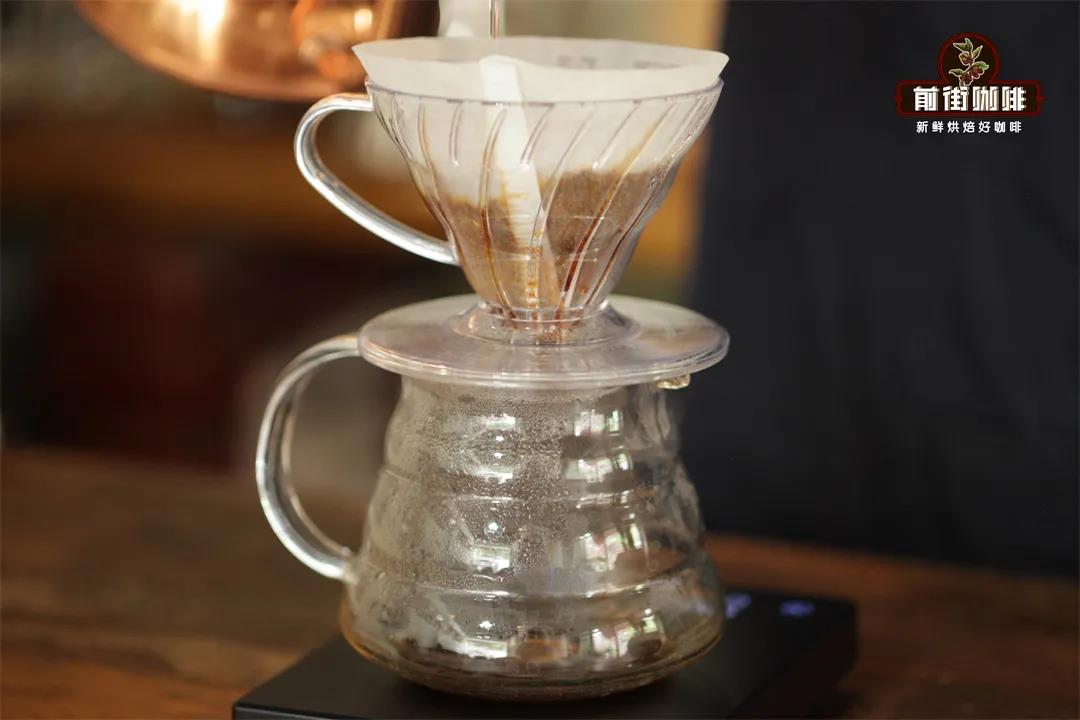
Brewed this way, Guanyin 5.0 delivers floral aromatics, berry and citrus acidity, a plum-like sweet-sour core, mango juice and honey, finishing on sweet black tea.
Espresso Parameters
A Fiama E98 espresso machine, an EK43S grinder set to 0.1, a 1:2 brew ratio, a double portafilter, 20g of coffee in and 40g of liquid out in 24 seconds.

As espresso, Guanyin 5.0 shows medium-high acidity, medium sweetness and fairly low bitterness with a smooth texture. Citrus acidity opens the shot, berry aromas follow, and the finish lingers with dark berries threaded through caramel.
Given how that shot reads, the espresso should not be diluted too heavily when it becomes an Americano. FrontStreet Coffee therefore tasted through several dilution ratios and settled on 1:6.5 — 40g of espresso combined with 260g of 86°C water.

The resulting Americano shows soft berry acidity with a hint of tropical fruit, a juice-like body and a creamy, caramel finish.
Summary
Pour-over coffee extracted from the same bean is more layered than the Americano, with a more three-dimensional flavor expression; the paper filter also leaves it cleaner and more refreshing in texture. The Americano, by contrast, keeps the oils from the espresso, so it feels fuller on the palate and, overall, richer and more robust.

FrontStreet Coffee Recommendation
If the pour-over side of this comparison appeals to you, the dripper that makes the biggest difference is the Hario V60. Hario, founded in Tokyo in 1921, redesigned the V60 in 2004 and launched it a year later; its 60-degree cone and single large hole put the flow rate almost entirely in the brewer's hands, which is exactly what lets a light roast show off aroma and lively acidity. FrontStreet keeps a resin V60 on the shelf precisely because resin holds heat in and molds to the tightest tolerances.
For the beans themselves, a light roast with clear fruit and floral structure suits this method best. FrontStreet's Yirgacheffe Guting Guting is a gentle introduction, with citrus, berry and jasmine notes; Ethiopia Huakui leans far more tropical, throwing off strawberry and passion fruit; and Kenya Scarlet is the choice for anyone who wants a bright, tomato-and-plum acidity. All three reward the short, controlled pours that a V60 encourages.
Important Notice :
FrontStreet Coffee is a long-established specialty coffee roaster in Guangzhou China, selling freshly roasted beans from its own farm in Yunnan as well as dozens of carefully selected single-origin beans from around the world for both pour-over and espresso. The products deliver consistently excellent quality and great value, with shipping within 24 hours. Guangzhou's FrontStreet Coffee shop is recommended by many coffee lovers, and the beans are now available online at the Tmall 。
FrontStreet Coffee has moved to a new address:
FrontStreet Coffee Address: 315,Donghua East Road,GuangZhou
Tel:020 38364473
 Scan and follow the En Gafei WeChat official account. Please indicate that the reprint comes from "En Gafei".