Coffee Bean Recommendations for Beginners - Differences Between Washed and Natural Process Coffee Beans
"This coffee has a lemon-tea character." "This one feels like strawberry juice." Many people new to single-origin coffee are amazed by how much flavor a bean can carry. The quality of that flavor depends heavily on how well the farmer manages the crop. Beyond the decisive factors of soil, climate and variety, the way the cherries are handled is just as important, and that is what we call the coffee processing method.
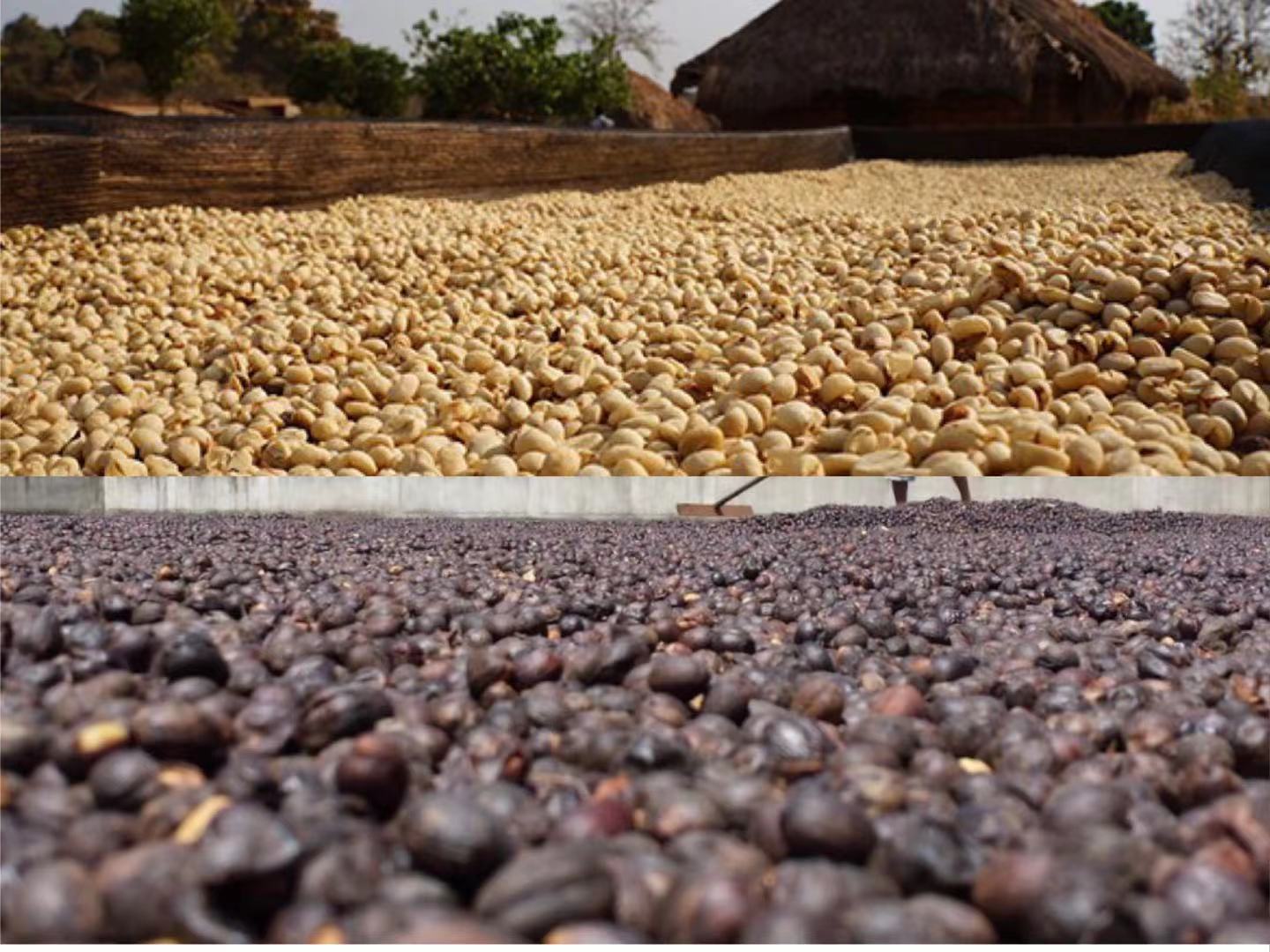
What is Coffee Processing?
To understand processing methods, it helps to know the structure of a coffee cherry. From the outside in, it consists of skin, pulp, mucilage, parchment, silver skin and finally the coffee bean itself. Coffee processing, then, exists to remove everything except the bean and end up with the seed we roast.
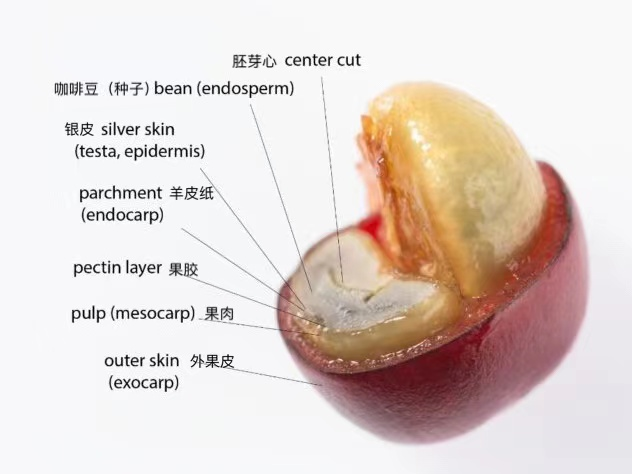
As drinkers have come to expect ever more refined flavors, many innovative processing methods have appeared in recent years. Behind all of them sit the two most traditional methods we know best: natural processing and washed processing. What separates the two, and how should each be brewed for the best result? Follow FrontStreet Coffee as we look at the characteristics of natural and washed processing.
Natural Processing Method
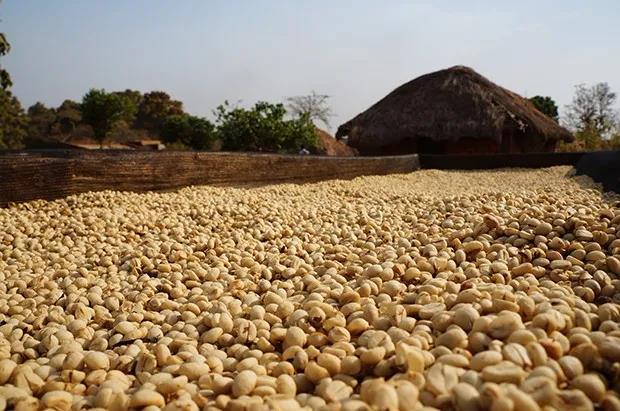
Natural processing means drying the coffee beans in the sun. As the most primitive method, the quality it produced was once a real headache for farmers. With basic equipment, many cherries were laid straight on the ground, or on a waterproof cloth as a barrier for those with better means, for direct sun exposure. Rough conditions and crude handling let the beans soak up the taste of the earth, forming earthy flavors. Natural processing also depends heavily on the weather: once cloudy days or rain arrive, the cherries mold easily and the beans develop rotten flavors.
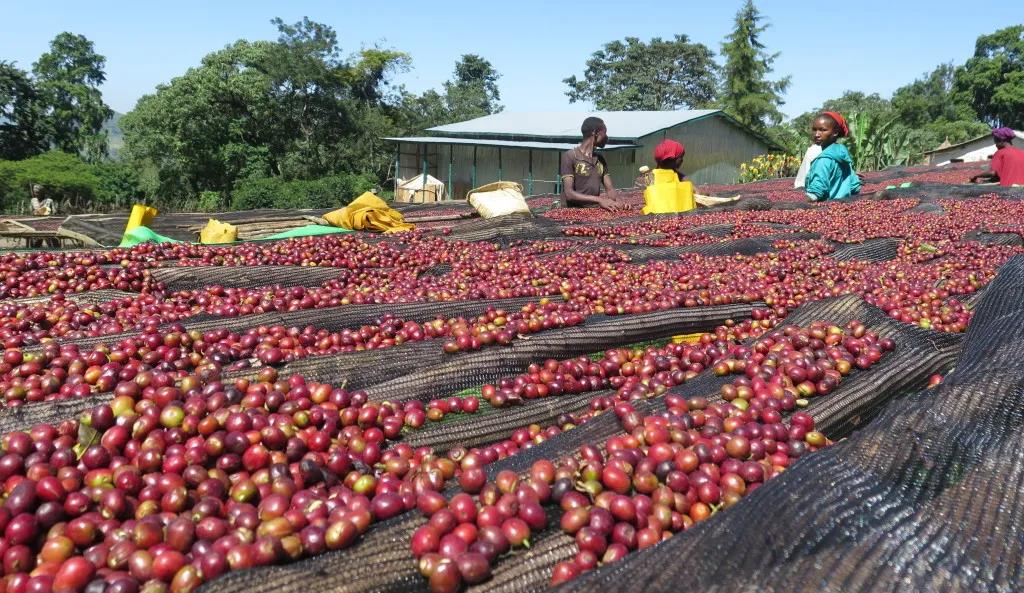
As attention to specialty coffee grew, however, natural processing equipment in many producing regions was upgraded. Better-off areas built raised drying beds, with netting on frames that let air circulate from top to bottom, also known as African raised beds, while less wealthy areas laid cement floors to keep the cherries from picking up earthy flavors. The drying process now emphasizes turning too, so the cherries dry more evenly.
Natural Processing Steps
After harvest, the cherries are selected and then laid on cement floors or drying racks for 3-4 weeks of natural drying, until moisture content falls to 11%, at which point the outer shell is hard and dark reddish-black. Once drying is complete, the outer shell is crushed and removed. The beans are then stored in parchment, which is removed only before export.
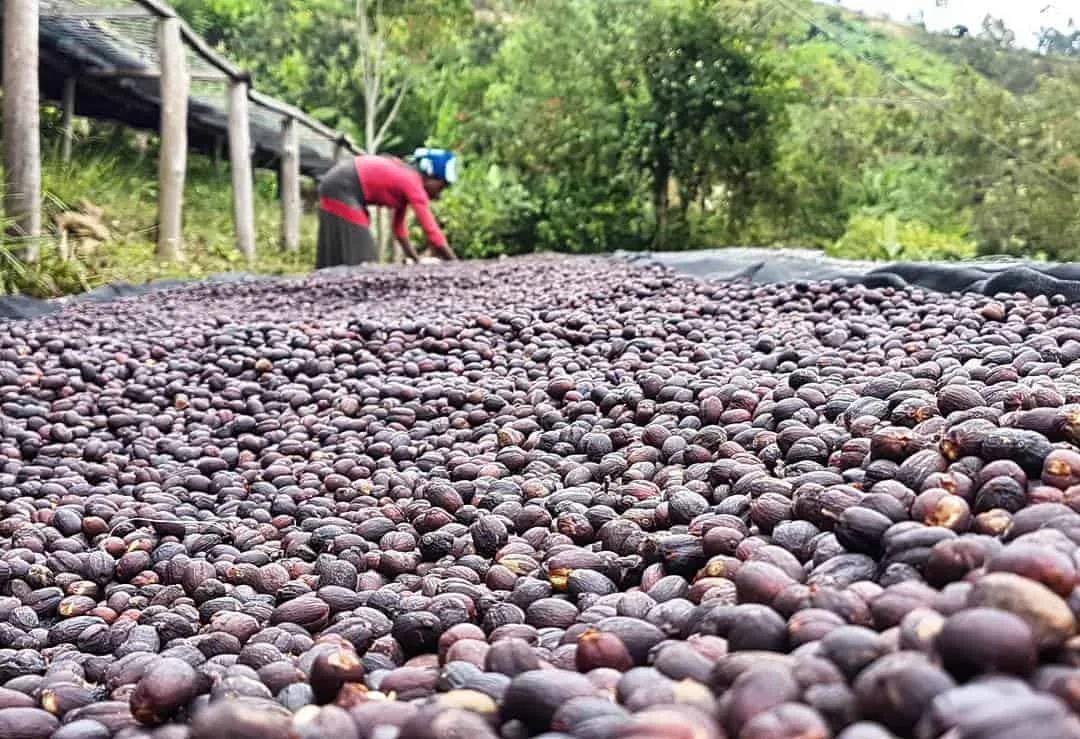
Identifying Natural Processed Coffee Beans & Flavor Characteristics
Naturally processed green beans look yellow-green, with relatively complete silver skin left on the surface. During roasting, that silver skin peels off in whole pieces, so the vast majority of naturally processed roasted beans show no white line in the central crease. FrontStreet Coffee believes the biggest flavor characteristic of natural processing is rich fruit aroma with light fermentation, noticeable sweetness and a smooth mouthfeel.
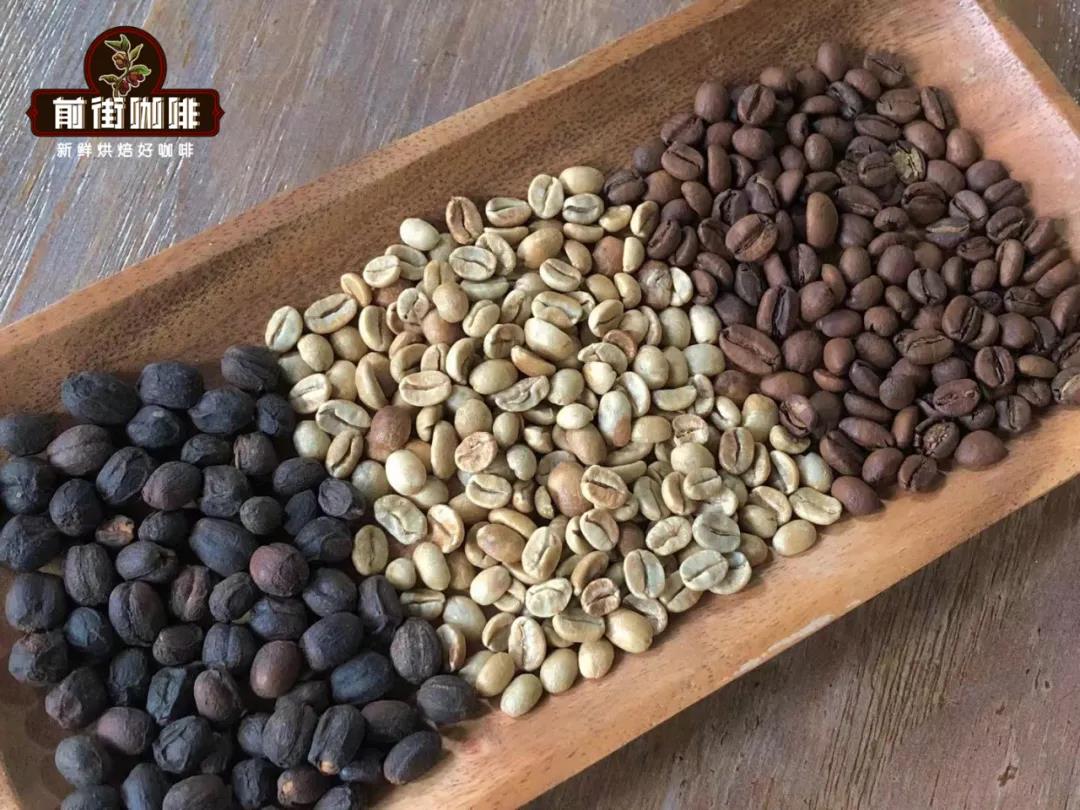
Brewing Tips for Natural Processed Coffee Beans
As noted above, naturally processed beans carry rich floral and fruit aromas and noticeable sweetness, though this is not the bean's own sugar but sweet flavors like honey, sugarcane and brown sugar. When brewing, use a center pour so the grounds extract sour and sweet compounds at the same temperature, giving a fuller overall cup. A brew water temperature of 91-92°C helps bring out the body of the coffee.

Washed Processing Method
Unlike natural processing, washed processing is a quality-stable method, which is why many countries in Central and South America introduced it and built washing stations to raise capacity. Before honey processing became popular in Costa Rica, washed processing was the primary method there. In 1821, keen to develop coffee cultivation, Costa Rica introduced washed processing and adopted it formally by 1830. Ethiopia, which had traditionally relied on natural drying, brought it over from Central and South America in 1972. The introduction greatly improved the quality of Ethiopian beans and won over many enthusiasts.
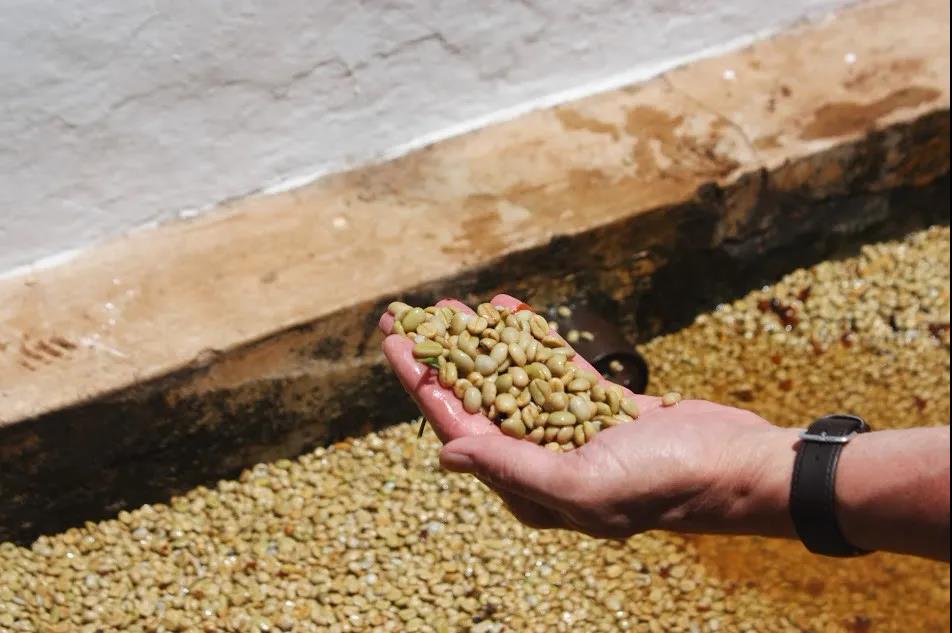
The arrival of washed processing genuinely raised bean quality in many producing regions. Because the skin, pulp and mucilage are removed first, the beans' moisture content drops sharply before sun drying, so drying time is much shorter and dependence on the weather is reduced. To remove pulp and mucilage more thoroughly, the beans must be fermented in clean water tanks and then washed, which demands a very ample water supply. That is why many producing regions still rely on natural processing alone.
Washed Processing Steps
First, harvested cherries go through flotation to remove any that lack density. Next, machines remove the skin and pulp, and the beans are placed in water tanks for either dry or wet fermentation, using fermentation to break down the mucilage layer. When fermentation is complete, the beans are washed with clean water to remove the mucilage. Finally, the beans, now free of mucilage, are sun-dried until moisture content falls to between 11% and 13%. The beans are stored in parchment, which is removed only before export.
Identifying Washed Processed Coffee Beans & Flavor Characteristics
Washed green beans look blue-green, with incomplete silver skin left on the surface. During roasting, that silver skin peels off in fragments. On some roasted beans the silver skin is hard to remove from the central crease, leaving a white central line. Because the fermentation step boosts the beans' acidity, FrontStreet Coffee believes the biggest flavor characteristic of washed processing is bright fruit acidity, with the coffee overall clean and fresh and rich in layers.
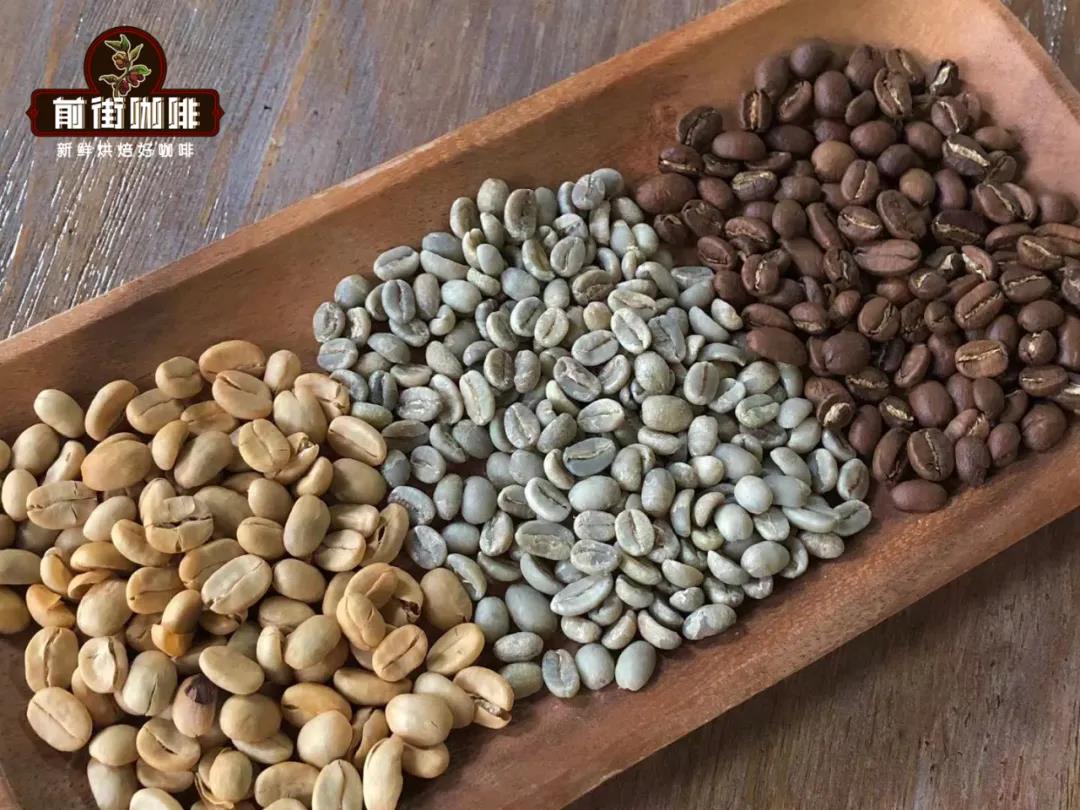
Brewing Tips for Washed Processed Coffee Beans
As noted above, washed beans are rich in layers, so the brewing method should be a three-stage pour, letting different flavor compounds present themselves as the grounds gradually heat up. A brew water temperature of 90-91°C safeguards the coffee's cleanliness while still extracting its bright acidity.

FrontStreet Coffee Recommendation
If this walk through washed processing has you curious, FrontStreet Coffee's washed line is a good place to taste the style for yourself. FrontStreet Coffee Gedingding is a washed Yirgacheffe from Gedingding village whose clean, bright citrus-lime acidity and jasmine florals are exactly what washed processing is meant to highlight, finished with green tea and honey notes after a medium-light roast.
FrontStreet Coffee Kenya Little Tomato is one of the clearest expressions of Kenya's double-washed method, in which the wash step is repeated to draw out the fruit. The cup shows cherry tomato, smoked plum, snow pear and black plum over a firm, bright acidity, with yellow-sugar sweetness and a light green-tea finish.
For contrast, FrontStreet Coffee Jamaica Blue Mountain No. 1 shows the calm, balanced side of washed processing, with hazelnut, cream, chocolate and caramel and no single note overpowering the others. Whichever you pick, a three-stage pour at 90-91°C keeps the cup clean while still pulling out the acidity.
Important Notice :
FrontStreet Coffee is a long-established specialty coffee roaster in Guangzhou China, selling freshly roasted beans from its own farm in Yunnan as well as dozens of carefully selected single-origin beans from around the world for both pour-over and espresso. The products deliver consistently excellent quality and great value, with shipping within 24 hours. Guangzhou's FrontStreet Coffee shop is recommended by many coffee lovers, and the beans are now available online at the Tmall 。
FrontStreet Coffee has moved to a new address:
FrontStreet Coffee Address: 315,Donghua East Road,GuangZhou
Tel:020 38364473
 Scan and follow the En Gafei WeChat official account. Please indicate that the reprint comes from "En Gafei".