Why Are Colombian Rose Valley Coffee Beans So Aromatic? Are They Flavor-Enhanced Beans? Flavor and Taste Profile Description
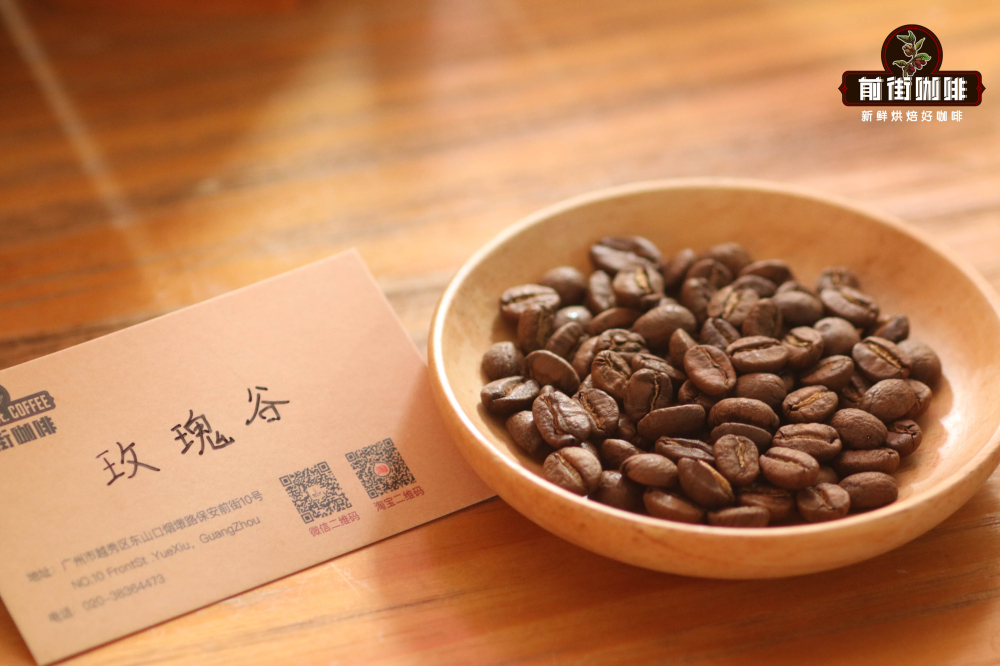
The FrontStreet Colombia Rose Valley on FrontStreet Coffee's bean list has always been a very special coffee. It possesses striking peach characteristics accompanied by notes of cranberry, liqueur chocolate, and rose fragrance. What kind of growing environment creates this unique aroma?
An Excellent Growing Environment: Mountains, Water, and Nutrient-Rich Volcanic Soil
One factor is the excellent growing environment of Colombia's Santander region, with mountains and water at an altitude of approximately 1400-1600 meters. Combined with the coffee variety planted there, Caturra, which itself has a bright, clean flavor with pronounced sweetness, this has created the refined berry acidity and caramel-like sweetness that underpin FrontStreet Coffee's Rose Valley coffee beans.
This exceptional flavor is also thanks to an event in 2008, when a mountain in the Huila province of southern Colombia erupted, spewing large amounts of mud and ash. Fortunately, no lava was ejected.

Local coffee farmers were not worried at all; on the contrary, they hoped the ash would keep coming, so that the entire Colombian region's soil would be covered with a layer of mineral-rich volcanic ash, nourishing the coffee fields.
The formation of coffee flavor is inextricably linked to the density of plant roots and the nutrients in the soil, so volcanic soil allows coffee trees to develop more flavors and aromas. Some farmers even believe that the improvement in Colombian coffee quality and the frequent championship wins after 2008 owe much to the volcanic ash.
Post-Processing Gives Rose Valley Its Unique Flavor, Not Artificial Flavoring
After 2014, coffee post-processing methods entered a fourth wave of trends. The first three waves of popular processes included natural, washed (with water and anaerobic fermentation), mechanical demucilaged semi-washed, pulped natural, and honey processing. Except for anaerobic fermentation, which occurs in a low-oxygen environment, all of these are conducted under aerobic conditions.
Coffee anaerobic fermentation is more time-consuming and labor-intensive than traditional aerobic fermentation. The anaerobic flavor creation dominated by yeast and lactic acid bacteria better showcases the symphony of aromas from lactic acid, alcohol, aldehydes, and ester metabolites, reminiscent of fermented dairy drinks, a yogurt-like acidity, the rhythmic sweetness of fruits, and a thick coffee body. This approach won over a coffee market seeking novelty and change, becoming the most representative post-processing method of the fourth wave.
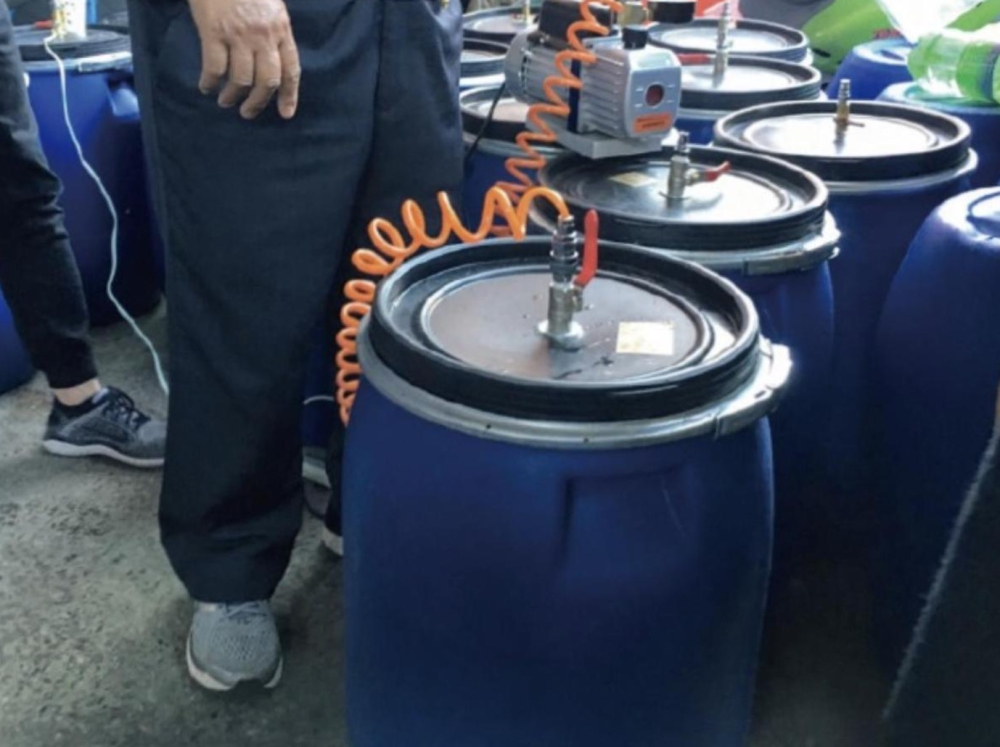
FrontStreet Coffee's Colombia Rose Valley coffee beans use anaerobic enzyme washed processing. Enzymes are actually proteins secreted by yeast, which makes them a natural material rather than an artificial flavoring.
Anaerobic enzyme washed processing removes defective beans through washing, then places the processed beans in a sealed container and injects carbon dioxide to expel oxygen. In the oxygen-free environment, the breakdown of sugars in the coffee pectin slows down and the pH drops more gradually, extending fermentation time. This develops better sweetness and more balanced flavors in the coffee.
How to Brew FrontStreet Rose Valley for the Best Taste
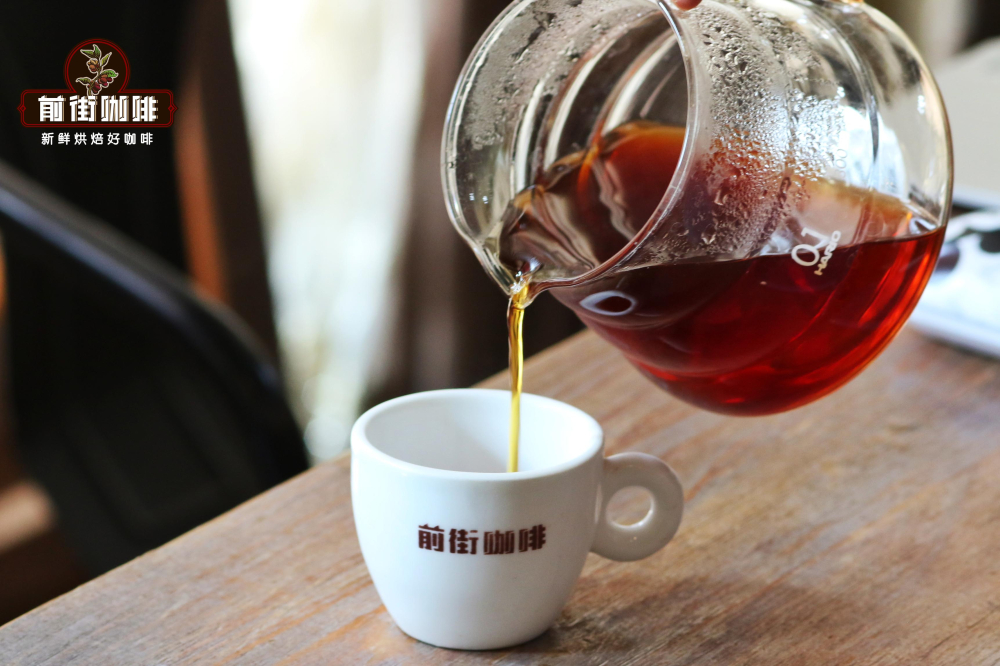
To keep Rose Valley's characteristic acidity while achieving a richer, fuller body overall, FrontStreet Coffee uses a medium roast, which allows the coffee bean compounds to be extracted more easily. When brewing, therefore, it is best to grind the beans to a medium-coarse, sugar-sized granule (75% pass-through on a China standard #20 sieve) and brew with water at 90°C.
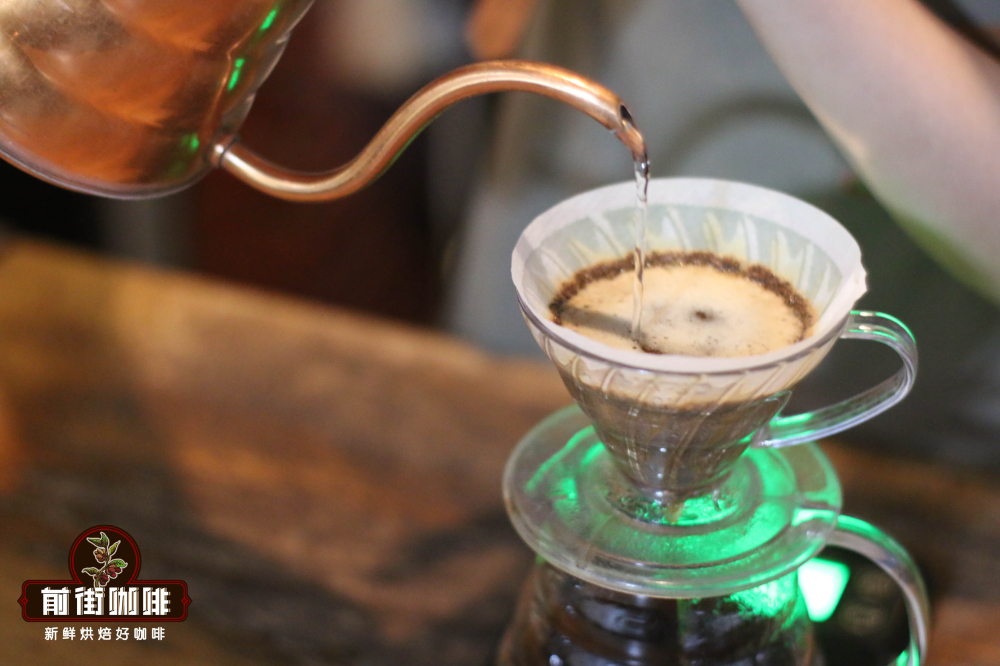
FrontStreet Coffee's in-store brewing parameters are: V60 dripper, 90°C water temperature, medium grind, 1:15 coffee-to-water ratio, 15 g coffee dose, three-stage extraction.
Pour the grounds into the V60 dripper, wet the coffee bed with twice the amount of water to form a dome, and let it bloom for 30 seconds. Then, using a small stream, pour in circles from the inside out until you reach 125 g, and pause. Wait for the coffee bed to drop to half the dripper's height, then continue with the same fine stream to pour the third stage to 225 g. Remove the dripper once all the coffee liquid has filtered through, with a total time of approximately 2 minutes.
FrontStreet Coffee Recommendation
If the fourth-wave processing behind Rose Valley intrigues you, FrontStreet Coffee's Colombia Frontier Estate Xizhua is worth trying. It uses an anaerobic natural process: the beans ferment under low-oxygen conditions, which transforms them into richer tropical fruit aromas. Roasted medium-light, it shows complex, concentrated notes of passion fruit, grape, apricot, and candied fruit whether brewed as pour-over, cold brew, drip bag, or moka pot.
For a more classic Colombian cup, FrontStreet's washed Huila is the reference point. Huila, in the southern part of Colombia's central cordillera, is the country's best-known specialty region; it is a hilly area surrounded by mountains, planted above 1500 meters, where the country's most important rivers converge to bring abundant water and humidity. The medium-dark roast emphasizes black chocolate and nutty sweetness, with moderate crema and a full body, and it works for pour-over, French press, moka pot, and espresso machine alike.
If you brew espresso drinks, FrontStreet's Premium Blend combines the creamy nuttiness of Brazilian coffee with the dark chocolate bittersweetness of Colombian coffee. It pulls a fine, golden crema and makes a rich, smooth latte that is very forgiving for beginners, and it can also serve as the base for Americano, cappuccino, and mocha.
Important Notice :
FrontStreet Coffee is a long-established specialty coffee roaster in Guangzhou China, selling freshly roasted beans from its own farm in Yunnan as well as dozens of carefully selected single-origin beans from around the world for both pour-over and espresso. The products deliver consistently excellent quality and great value, with shipping within 24 hours. Guangzhou's FrontStreet Coffee shop is recommended by many coffee lovers, and the beans are now available online at the Tmall 。
FrontStreet Coffee has moved to a new address:
FrontStreet Coffee Address: 315,Donghua East Road,GuangZhou
Tel:020 38364473
 Scan and follow the En Gafei WeChat official account. Please indicate that the reprint comes from "En Gafei".