Why Are Kenyan Coffee Beans Acidic? The Impact of Water Quality, Roast Level, and Pouring Technique on Brewed Coffee Flavor
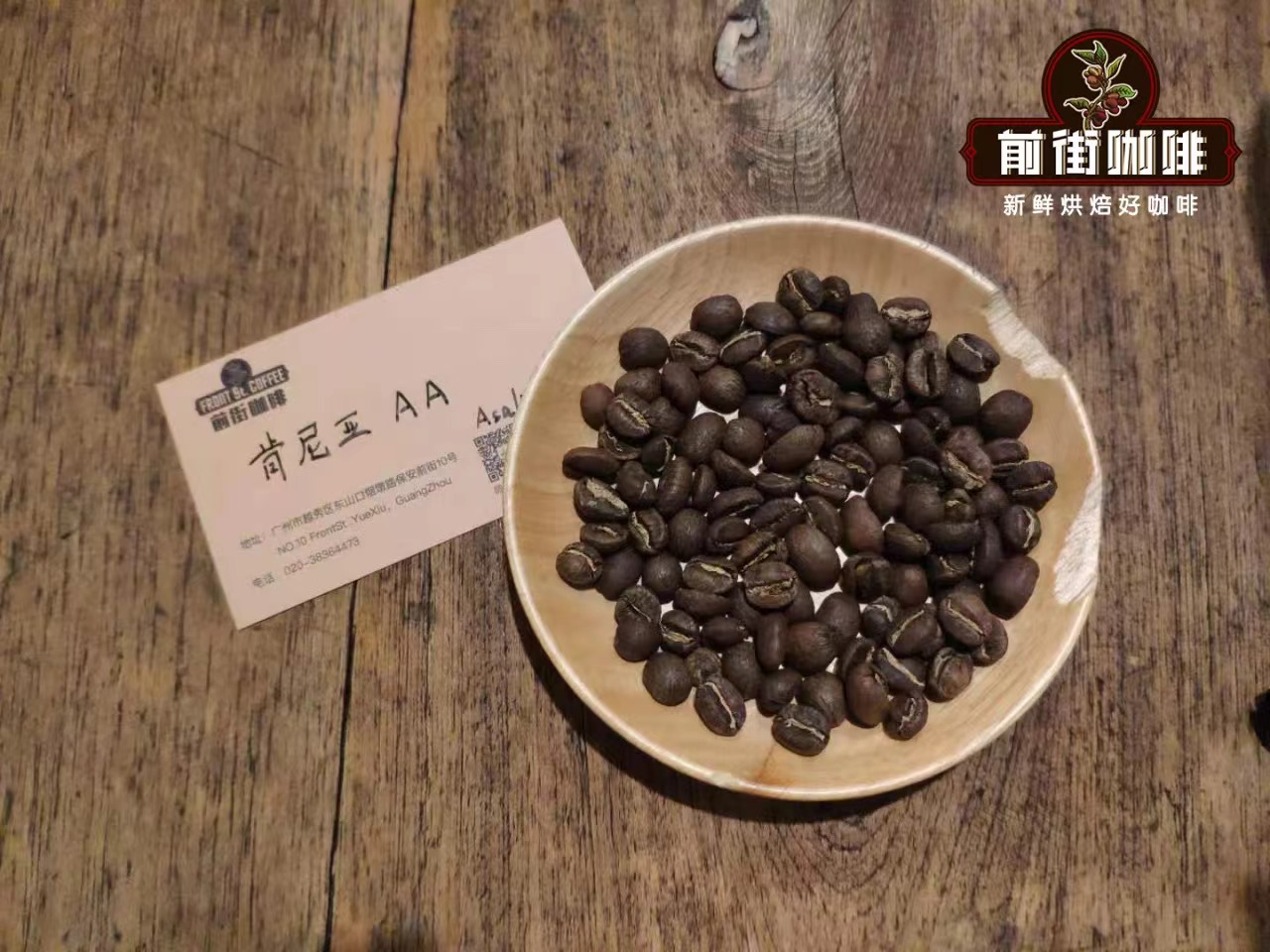
After introducing so many coffee beans, FrontStreet Coffee would like to test your knowledge: which coffee-growing region in the world produces the most acidic coffee? Many customers tell us that the Kenyan coffee they buy is more acidic than any other bean. Indeed, at our cupping tables we distinctly pick out tomato, citrus, and lemon notes in Kenyan coffee—a true blessing for acidity lovers. So why is Kenyan coffee so acidic? And what other coffees offer similar brightness? Today, FrontStreet Coffee answers these questions.
The Remarkable Origins of Kenyan Coffee
Without a doubt: Kenya is an amazing coffee origin, renowned for rich aroma, refreshing acidity, sweet berry flavors, full body, and a clean, lingering aftertaste. Start with the land itself. Kenyan Arabica grows in the fertile volcanic soil of highlands between 1,400 and 2,000 meters, and both altitude and volcanic soil shape the flavor.

FrontStreet Coffee believes high altitude is one of the key factors behind the quality of Kenya AA coffee. The higher the altitude, the lower the temperature and the oxygen; coffee trees grow more slowly, giving the beans more time to absorb nutrients. Moreover, the soil's high phosphate content is one of the main sources of Kenyan acidity.
Phosphoric acid is less harsh than citric and acetic acids, so Kenya AA's acidity is bright but never overpowering. Mount Kenya is a dormant volcano rich in minerals; the highland air is often cloudy, and sunlight diffuses through the thin atmosphere, keeping temperatures cool—especially at night. Just as fruits from Xinjiang become exceptionally sweet under large day-night temperature swings, Kenyan coffee cherries develop more sugars overnight. The result is intense fruity acidity backed by full body and rich aroma.
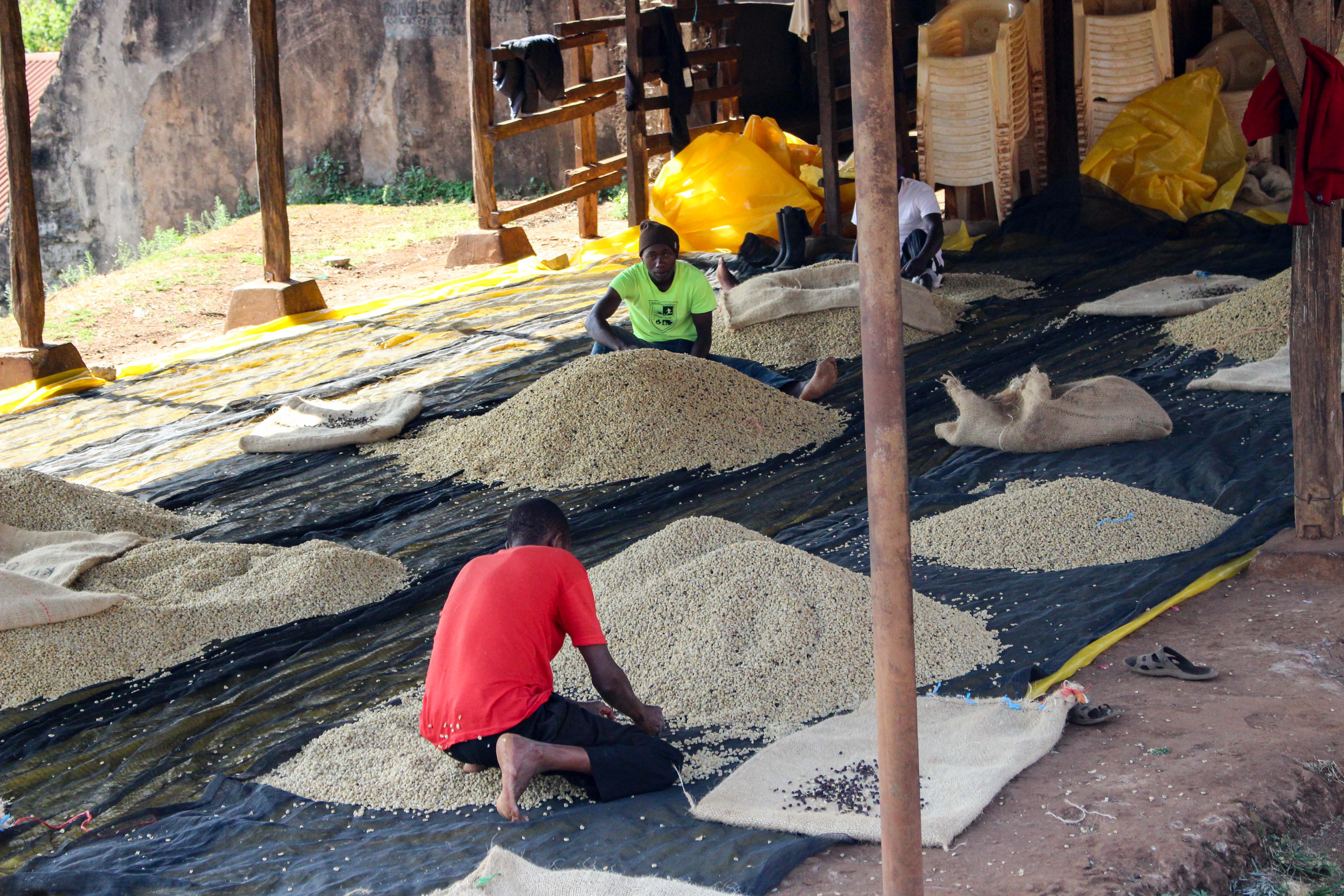
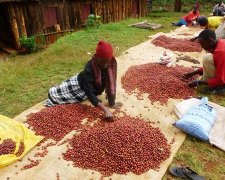
Kenyan coffee is typically grown by smallholder farmers who value quality, so processing and drying are carefully controlled and monitored. A "coffee batch" is the quantity delivered from cooperatives to the dry mill on a given day. On arrival, it is processed (hulled), analyzed (technically and sensorially), screened (separated by bean size), and given a final count. During hulling, beans are sorted by shape and size to maximize quality. Well-run factories refuse unripe or unevenly ripe cherries, because accepting them would lower the best price everyone depends on.
Kenyan Coffee Processing and Grading

In the Kenyan market, the price of cherries is tied directly to cup quality, and most Kenyan beans are washed. FrontStreet Coffee's Asalia, for example, uses the K72 method: unlike ordinary washed processing, the cleaned beans are soaked in fresh water tanks for 24 hours, then washed, and the step is repeated more than three times—72 hours in total, hence "K72." It is time-consuming and labor-intensive, which is one reason Kenyan beans cost more, and FrontStreet believes it also contributes to the coffee's superior acidity.
The Impact of Roasting on Acidity

Roasting shapes acidity, too. Some say acidity gives coffee its vitality—so why do most roasters choose light roasts for floral, fruity beans?
Look at the chemistry. Chlorogenic acid is the most common acid in green beans, and roasting gradually breaks it down: acid concentration peaks at very light roast levels and then declines as roasting continues. FrontStreet Coffee's roasting profile for Asalia deliberately amplifies Kenyan acidity. Roasting starts with green beans and, through a perfect balance of heat, airflow, rotation, and other factors, transforms them into the coffee we know and love. The Maillard reaction converts green coffee's organic compounds into delicious flavors and caramelizes its sugars—without it, coffee would taste sharply acidic and rather raw.
Home Brewing Factors That Affect Acidity

For home brewers, FrontStreet Coffee believes two often-overlooked factors shape flavor: brewing water and extraction. Take water first. In recent years, brewing water has become a focus in brewing competitions, with many baristas customizing their own water.
A cup of coffee is 98% water, so water quality and stability matter. What is the best brewing water? The usual options are filtered, distilled, and purified water. Look at the TDS (Total Dissolved Solids), typically composed of magnesium, calcium, and bicarbonates, and at pH—FrontStreet Coffee considers a pH between 6.5 and 7.5 acceptable. At neutral pH, the ideal brewing water has a TDS of about 150 mg/L, roughly 10 mg/L of sodium, 40 mg/L of total alkalinity, and 0 mg/L of chlorine. As a direct recommendation: Nongfu Spring water's TDS is closest to the standard for brewing, and it brings out coffee's aromatic soluble compounds well, at home or commercially.

Now, extraction. A common cause of sour coffee is under-extraction—not enough flavor pulled from the grounds. The longer coffee brews, the more sugars are extracted and the sweeter it tastes; but brew too long and bitterness appears (over-extraction). In either case, adjust the grind size or the water temperature.
When you buy beans at FrontStreet Coffee stores, we can grind them for you. If you have specific taste preferences and prefer to grind at home, FrontStreet suggests buying a standard #20 sieve to check the grounds—with Asalia, a 75%-80% pass rate is reasonable. The finer the grind, the greater the surface area and the higher the extraction rate, so with everything else equal, changing grind changes flavor. If the coffee tastes too sour, grind coarser. We have covered the factors affecting brewed flavor in detail in previous articles if you want to dig deeper.

If you have no sieve at home but want to verify the grind quickly, judge it from particle appearance and timing during extraction: the look of particles suspended during blooming, the total drip time, and the size of the spent grounds will tell you whether the grind is too coarse, too fine, or just right.
Here, FrontStreet Coffee uses Kenya Asalia to demonstrate how to find the ideal setting on an unfamiliar hand grinder.

The first setting produced mostly chunky particles, clearly approaching sea-salt texture, so a significant adjustment finer was needed. We moved 10 clicks finer, and the grounds came out close to fine granulated sugar—right for pour-over. Time to verify with an actual brew.
Coffee: 15 grams
Total water: 225 grams
Water temperature: 91°C
Three-stage pour: 30 grams, 95 grams, 100 grams

During blooming, the particles packed tightly and held water; near the end of the pour the flow slowed sharply as fines clogged the filter paper, and extraction ran past 2.5 minutes. The spent bed showed muddy fines floating on the surface, and the cup was heavy with berry flavor and a slightly astringent aftertaste—too fine, over-extracted. We adjusted 3 clicks coarser and tested again.

With the same parameters, the new grounds bloomed with looser, more permeable particle gaps; the flow stayed uniform, with total extraction at 2 minutes 8 seconds. The spent bed sat fluffy and even against the dripper wall, the coffee showed moderate concentration, citrus sweetness and acidity, and a caramel aftertaste—the ideal grind, found.
FrontStreet Coffee Recommendation
Coffee varieties come down to three species—Arabica, Robusta, and Liberica—and nearly every specialty coffee on the shelf is Arabica, prized for its complex, refined flavors that shift with each origin. Kenyan coffee is one of the finest Arabica expressions of all, and FrontStreet Coffee's Kenya Asalia, washed by the 72-hour K72 method, is our flagship for that bright tomato-citrus character. For a softer but equally vivid Arabica, our washed Yirgacheffe Guodingding G1 shows elegant white florals with lemon, orange, and green tea, while the natural Huakui—winner of its year's TOH green bean competition—brings cream-strawberry, mango, jackfruit, citrus, and blueberry over classic Sidamo tropical fruit.
If you want to explore Arabica's other faces, try FrontStreet Jamaica Blue Mountain No. 1: its Typica—among the oldest Arabica varieties, first spread from Yemen to Asia and the Americas—arrived in the Blue Mountains from Martinique in the 1720s, and after more than 200 years of adaptation it developed better disease resistance and a sweet, delicate balance no other origin can quite replicate. Or our Brazil Queen Estate yellow Bourbon—Bourbon yields about 30% more than Typica, and the yellow-fruit mutation discovered here offers cream, peanut, toasted bread, and sugarcane aromas, rich and gently sweet, in pour-over, moka pot, or espresso.
For the pinnacle, there is Geisha: low-yielding, fragile, and demanding, but in the cup it delivers rich florals, citrus, peach, layered fruit acidity, cream-smooth texture, and an oolong-tea sweetness—more perfumed fruit tea than coffee. FrontStreet's Red Label Esmeralda Geisha comes from Panama's most famous estate in Boquete, Chiriqui, where volcanic soil, old forest, mist, and abundant rain create near-perfect growing conditions. And for a modern variety story, our Colombia Boundary Estate Sidra—likely a cross of an Ethiopian research variety with local Bourbon, made famous by champion barista Anthony Douglas in 2022—shows florals, tropical fruit, grape, dried fruit, passion fruit, and a juice-like mouthfeel after a medium-light roast.
Important Notice :
FrontStreet Coffee is a long-established specialty coffee roaster in Guangzhou China, selling freshly roasted beans from its own farm in Yunnan as well as dozens of carefully selected single-origin beans from around the world for both pour-over and espresso. The products deliver consistently excellent quality and great value, with shipping within 24 hours. Guangzhou's FrontStreet Coffee shop is recommended by many coffee lovers, and the beans are now available online at the Tmall 。
FrontStreet Coffee has moved to a new address:
FrontStreet Coffee Address: 315,Donghua East Road,GuangZhou
Tel:020 38364473
 Scan and follow the En Gafei WeChat official account. Please indicate that the reprint comes from "En Gafei".