The Origin Story of Expensive Kopi Luwak Coffee and How It Became Famous: How Many Types of "Poop Coffee" Exist Beyond Just Cat Poop Coffee?
A few days ago, an article from Coffee Workshop mentioned that coffee has a laxative effect, discussing both coffee and bowel movements. Today I would like to overlap those two elements again and explore something else.
Seriously, if it is considered eccentric for cute cats to enjoy sniffing smelly shoes, then are humans who enjoy drinking "poop coffee" not even more eccentric than cats?
What exactly are the processing techniques behind these coffees that emerge from animal digestive tracts? They differ from the familiar natural, washed, semi-washed, and semi-natural processes.
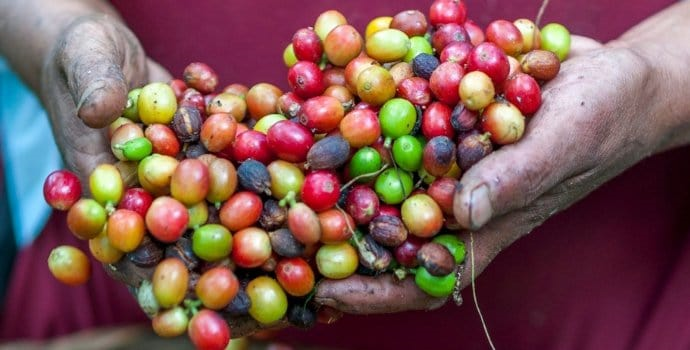
These beans rely on in-body fermentation, using lactic acid bacteria and digestive fluids from animal digestive tracts to remove the coffee cherry's pulp and the mucilage attached to the surface of the parchment beans.
Civet Coffee
In the 18th century, when Sumatra and Java were still part of the Dutch East Indies colonies, Arabica coffee was introduced as an economic crop.
Dutch plantation owners prohibited local workers from tasting the fruits of their labor. However, the locals' sharp eyes noticed that civets would steal the harvested coffee cherries. Eventually the beans would be excreted in the animals' feces, maintaining their shape.
So the workers cleaned these beans, roasted them, brewed them, and tasted them.
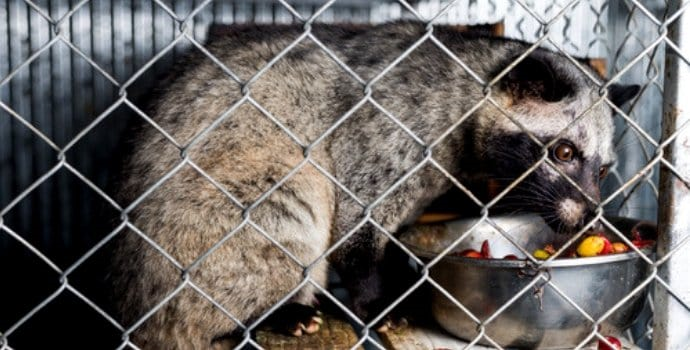
Civet coffee was therefore once considered coffee for the poor. What ultimately brought it into the public eye was an article published in National Geographic in 1981, which caught the attention of a man named Tony Wild, who worked at Taylors of Harrogate, a British company specializing in tea and coffee. He first bought a kilogram of civet coffee locally and then contacted the local media. He never expected that media outlets would report so extensively on such a bizarre novelty, and this is what made civet coffee famous.
Those who have tasted civet coffee say it has nutty and herbal flavors with a hint of earthiness, and that the coffee liquor is smooth, viscous, and full-bodied.
Monkey Coffee
According to Han Huaizong's introduction to monkey feces coffee in "World Coffee Studies," as early as the 19th century, Indian coffee plantations were plagued by groups of macaque monkeys. Macaques specifically selected the ripest, sweetest, and highest-quality coffee cherries to eat, causing significant losses to local farmers. When eating the cherries, macaques chew them and then spit out the remaining fruit and parchment beans together.
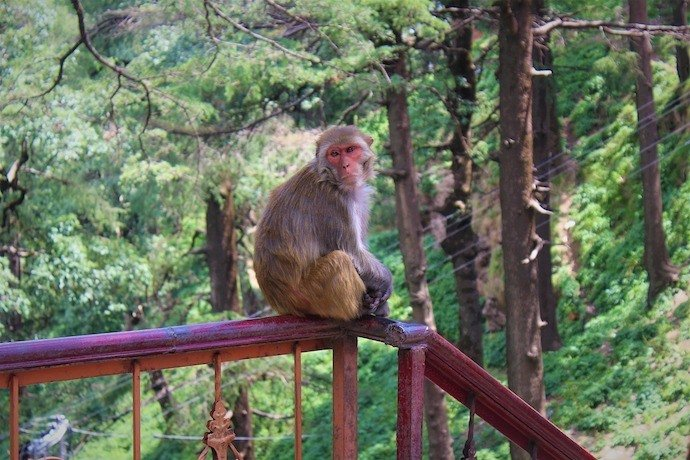
Its flavor is said to cover the entire flavor wheel, from citrus to nutty cocoa notes, with a viscous mouthfeel and rounded acidity.
Black Ivory Coffee
At an Asian elephant base in Thailand's Golden Triangle region, keepers feed elephants coffee cherries mixed with other fruits. The enzymes in the elephants' digestive system break down the proteins in the beans during digestion. After 15 to 70 hours in the elephants' bodies, the coffee fruits are excreted along with other food digestive residues.
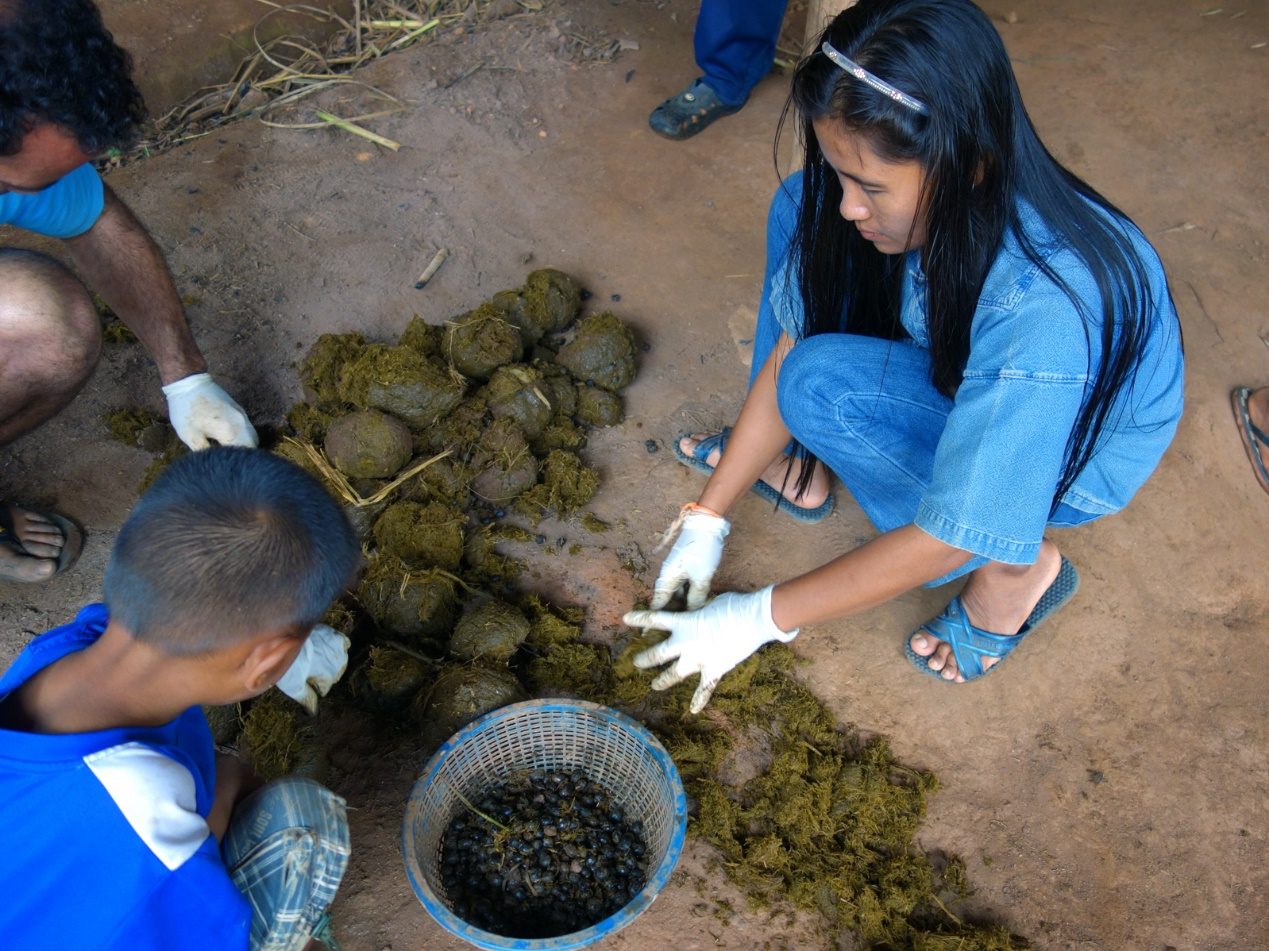
According to Han Zonghuai's introduction in "World Coffee Studies," an elephant sanctuary in Sri Lanka also had the idea of making elephant dung coffee, but no trace of it has been found.
Foreign netizens who have tried it say Black Ivory Coffee has flavors of malt, chocolate, floral notes, cherry, tobacco, and leather, with even a hint of grass.
Bird Dropping Coffee
Because Indonesia's civet coffee became globally popular, Brazil did not want to fall behind. It is said that one morning in 2009, the owner of the Camoquin estate in Espirito Santo, Brazil, woke up to find that wattled jacana birds had invaded his coffee plantation. He could only sit and watch as the birds pecked at the delicious red fruits, which gave him the idea of using this organic processing method.
Unlike civets, which are omnivores, jacana birds are herbivores, so the excreted coffee beans are less likely to acquire off-flavors.
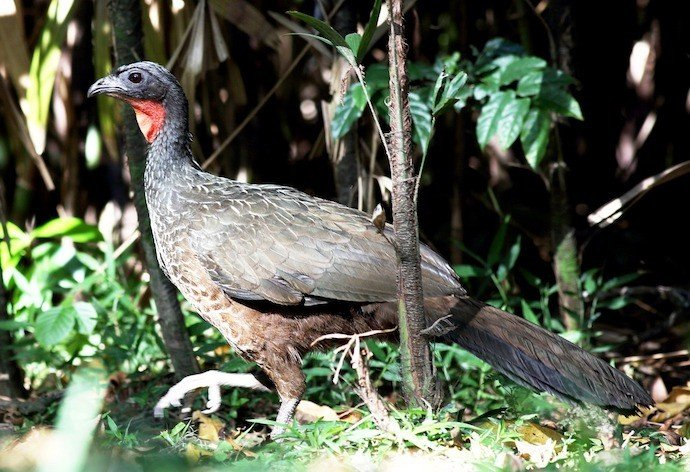
After the parchment beans are excreted along with the droppings, someone specifically collects the droppings, washes out the parchment beans, and stores them for three months before they can be sold.
Specialty bean expert Tom Owen's cupping notes are: low fruit acidity, mellow aroma, heavy nutty and sweet notes, with a slight black pepper fragrance.
Bat Coffee
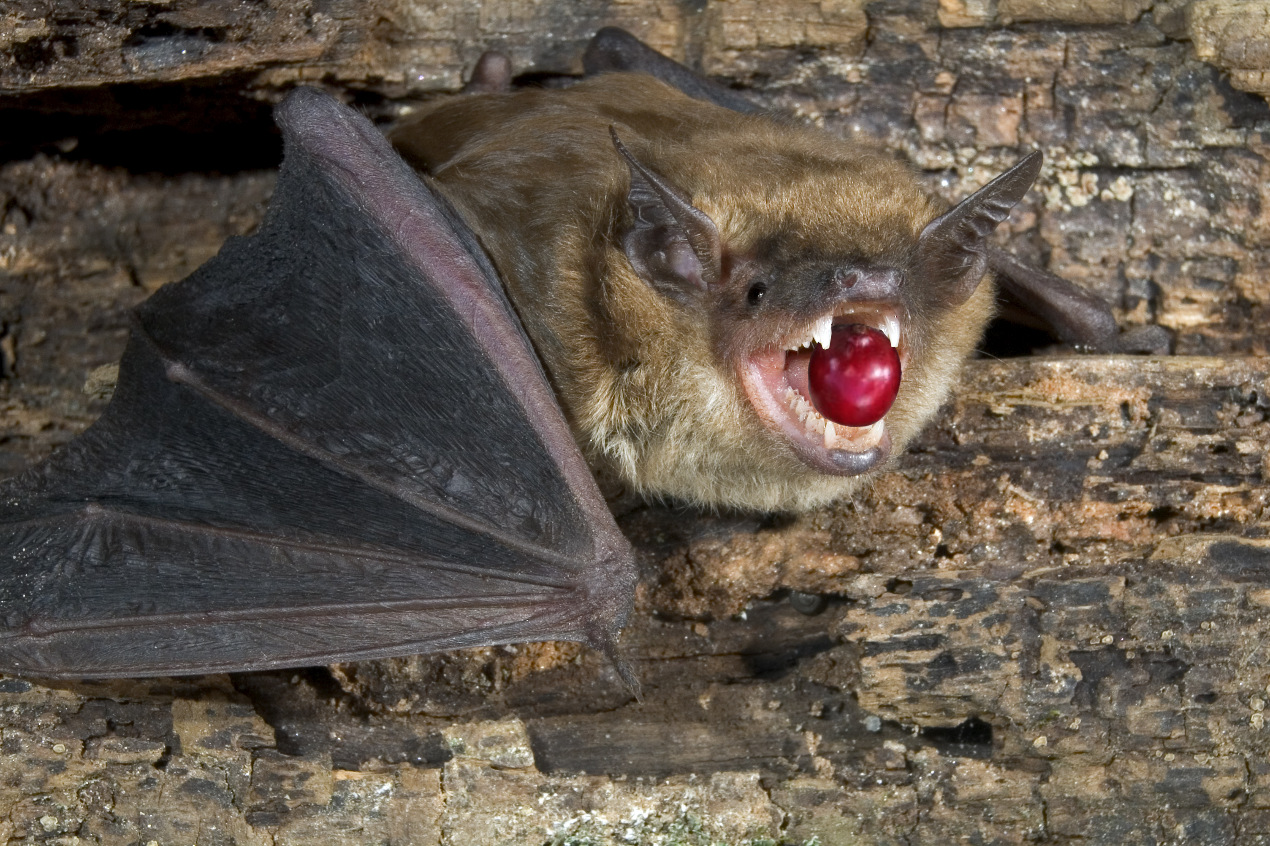
Bat coffee beans come from a species of bat in the forests surrounding the Divisa estate in the Brunca region of southern Costa Rica. However, bats are small and cannot swallow entire coffee cherries, so they only bite off the outer shell of the mature fruits, then lick the pulp and suck the juice to obtain the sugar inside. The remaining parts are wrapped in saliva and left on the coffee trees to ferment while naturally drying.
All the coffees above are remembered by the world because of their novelty, and targeted because of that same novelty. They are either caged for eating or for excreting. Imagine being watched while you defecate - would you be nervous? They are worth trying for the novelty, but for long-term drinking, Geisha is still more fragrant, don't you think?
Image source: Internet
FrontStreet Coffee Recommendation
These novelty coffees from animal digestive tracts are fascinating to read about, but for daily drinking, Indonesia's classic processes deliver more pleasure with far less controversy. The best growing areas across the Indonesian archipelago are Java, Sumatra, and Sulawesi, and FrontStreet Indonesia Wet-Hulled Mandheling is the essential starting point. Mandheling refers to Arabica from Sumatra, and it is mainly processed with the local wet-hulled method (Giling Basah). Because the beans are hulled while still half-dry and half-wet, the green beans are fully exposed to the air as they dry, giving the coffee its classic herbaceous and spicy character. FrontStreet's Mandheling comes from the Toba Lake area of the Lintong region and is roasted medium-dark to present the classic profile: low acidity, a full body, and rich aromas of caramel, dark chocolate, and toasted bread, with a long sweet finish - ideal for anyone who loves a strong cup.
For the top of the category, FrontStreet PWN Golden Mandheling is the first choice. PWN is a trading company that buys up premium local Mandheling lots and sells only specialty-grade Mandheling, with "Golden Mandheling" as its signature. Production follows strict standards for screening defects, assessing bean density, size, shape, and color; the coffee passes machine sorting and repeated hand sorting to remove imperfections, ensuring beans that are complete, uniform, large, and translucent while reducing the muddy and grassy notes typical of Mandheling. The name is said to come from the golden glow the beans give off in sunlight. Freshly roasted, it offers sandalwood, herbs, spice, roasted hazelnut, caramel, and dark chocolate, with a clean finish, a sweet, rich body, and a layered, captivating aroma - ideal for everyday drinking and for gifting.
Mandheling's wild character also made it a natural fit for espresso blends in the era before light-roasted acidic coffee became popular, and the Mamba blend - a mix of Mandheling and Brazil - was born from that tradition. To capture the rich, golden crema a top Mamba-style shot needs, FrontStreet Classic Blend adds a small proportion of Robusta to its base and uses a dark roast, pushing its dark chocolate, nutty, and caramel aromas to the maximum. Even a beginner can easily produce an authentic Mandheling-style espresso with it.
Important Notice :
FrontStreet Coffee is a long-established specialty coffee roaster in Guangzhou China, selling freshly roasted beans from its own farm in Yunnan as well as dozens of carefully selected single-origin beans from around the world for both pour-over and espresso. The products deliver consistently excellent quality and great value, with shipping within 24 hours. Guangzhou's FrontStreet Coffee shop is recommended by many coffee lovers, and the beans are now available online at the Tmall 。
FrontStreet Coffee has moved to a new address:
FrontStreet Coffee Address: 315,Donghua East Road,GuangZhou
Tel:020 38364473
 Scan and follow the En Gafei WeChat official account. Please indicate that the reprint comes from "En Gafei".