Heytea Responds to Rumors About Acquiring Nayuki - What's the Relationship Between Heytea and Nayuki?
The year 2021 was a busy one for China's new-style tea beverage market.
The financing rounds came first, one after another. According to an article by New Consumer Reference, tea beverage brands closed 15 financing rounds in the first half of 2021, with disclosed amounts exceeding 5 billion yuan - more deals and more disclosed capital than in the whole of 2020.
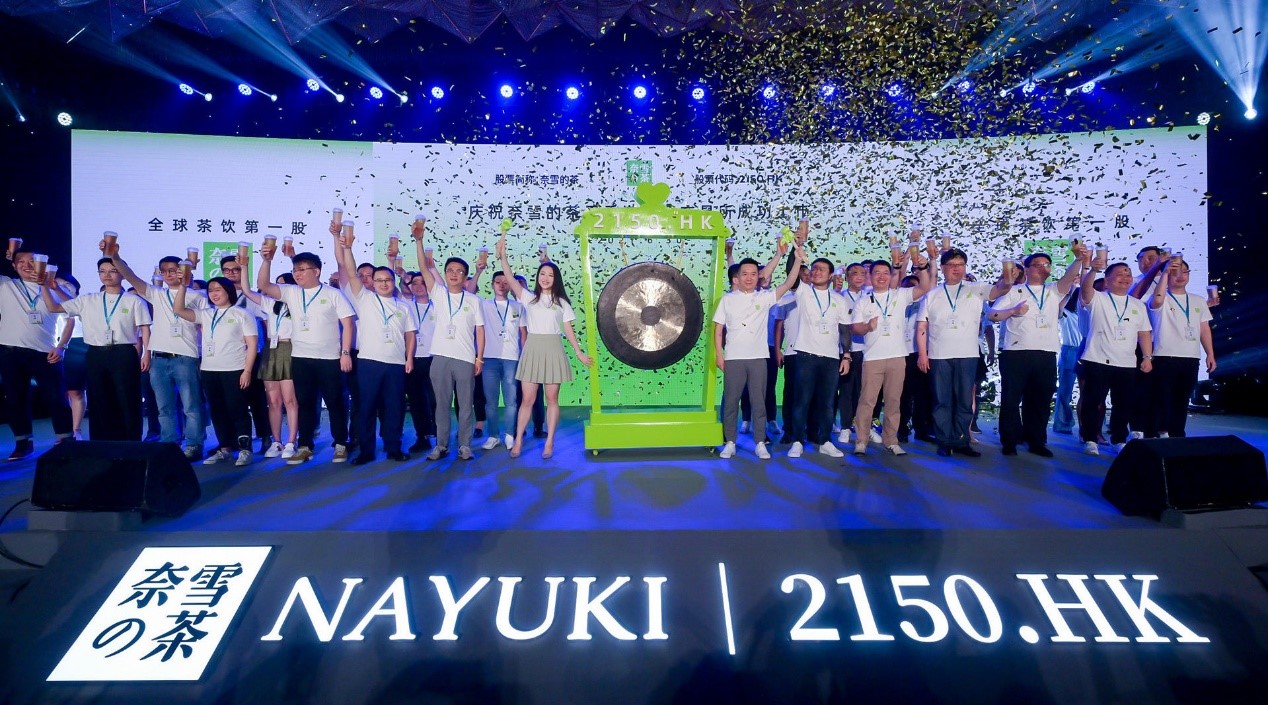
Then, on June 30, Nayuki debuted on the Hong Kong Stock Exchange as the "first tea beverage stock," priced at HK$19.8 per share. The triumph was short-lived: the stock broke its issue price on the first day of trading and kept sliding.
On the evening of July 19, Guanchao New Consumption reported exclusively that Heytea and Genki Forest were both interested in acquiring LELECHA, valuing the company at 4 billion yuan, with both parties emphasising LELECHA's channel value.
According to the annual report Heytea released in February, the company had 695 stores across 61 cities in China and overseas by the end of 2020.
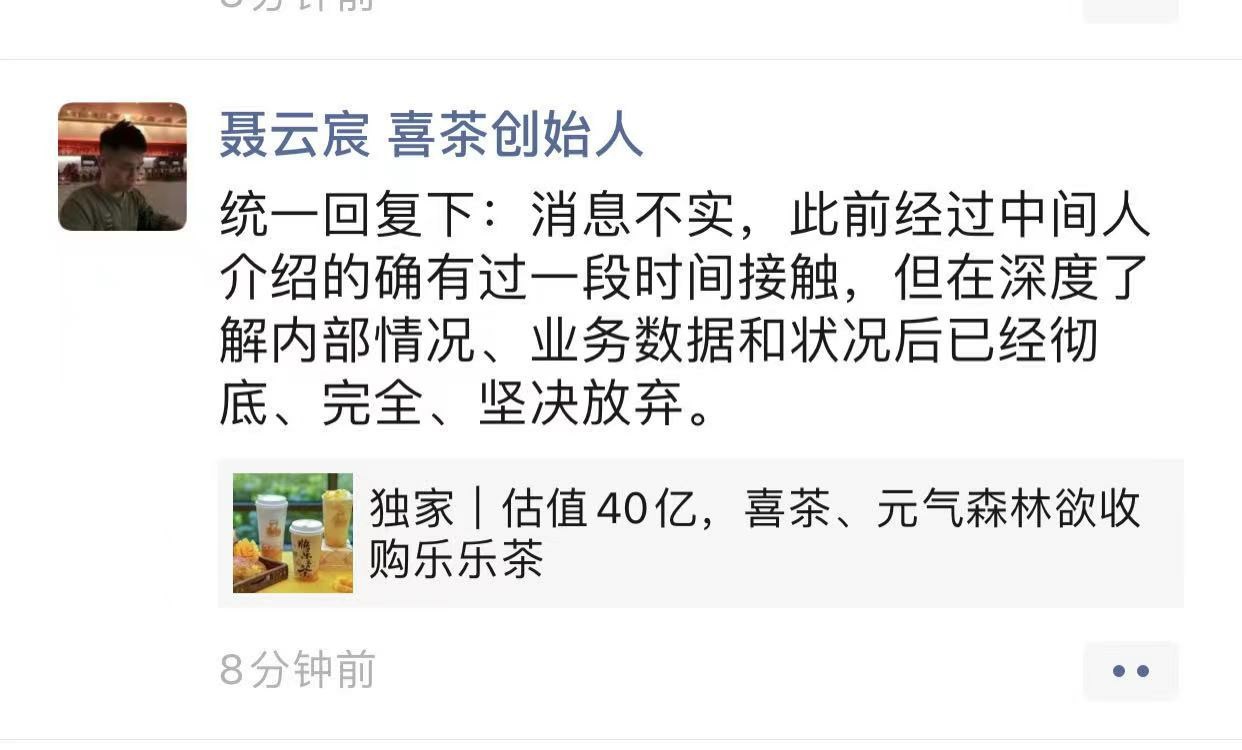
Responding to the report, Heytea founder Nie Yunchen posted on WeChat Moments: "This news is false. There was indeed contact through intermediaries for a period, but after gaining an in-depth understanding of their internal situation, business data and condition, we have given up on it entirely and resolutely."
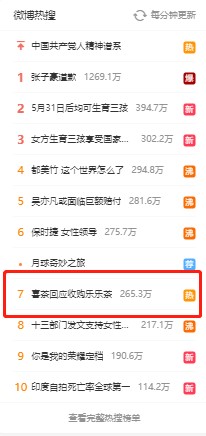
On July 20, the topic "Heytea responds to acquiring LELECHA" trended on Weibo. A LELECHA brand representative said the report was false, that the company is developing independently with solid results and has no intention of merging or being acquired. A Genki Forest representative also told a Beijing News reporter that the matter was not true.
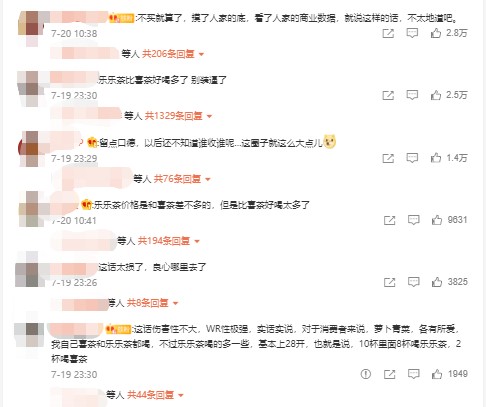
Netizens took the trending topic in good humour.
According to LELECHA's official website, as of July 20, 2021, the brand had opened more than 70 stores nationwide.
LELECHA Brand Background
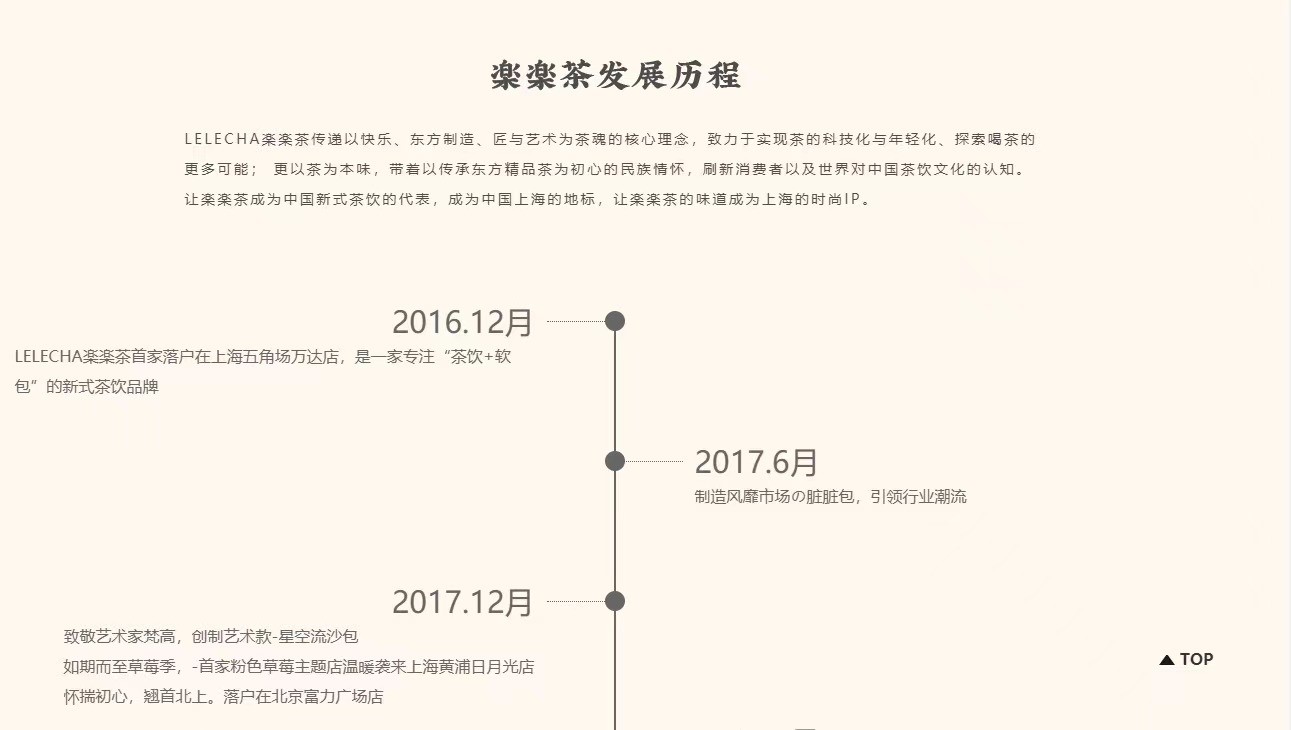
LELECHA was founded in Shanghai in December 2016. Like Nayuki, every store is company-operated, with no franchising or agency arrangement of any kind, making it a new-style tea beverage brand built around "tea plus soft buns." In June 2017 it went viral with "dirty buns" and tea drinks built around "dirty" elements, setting the tone for the category.
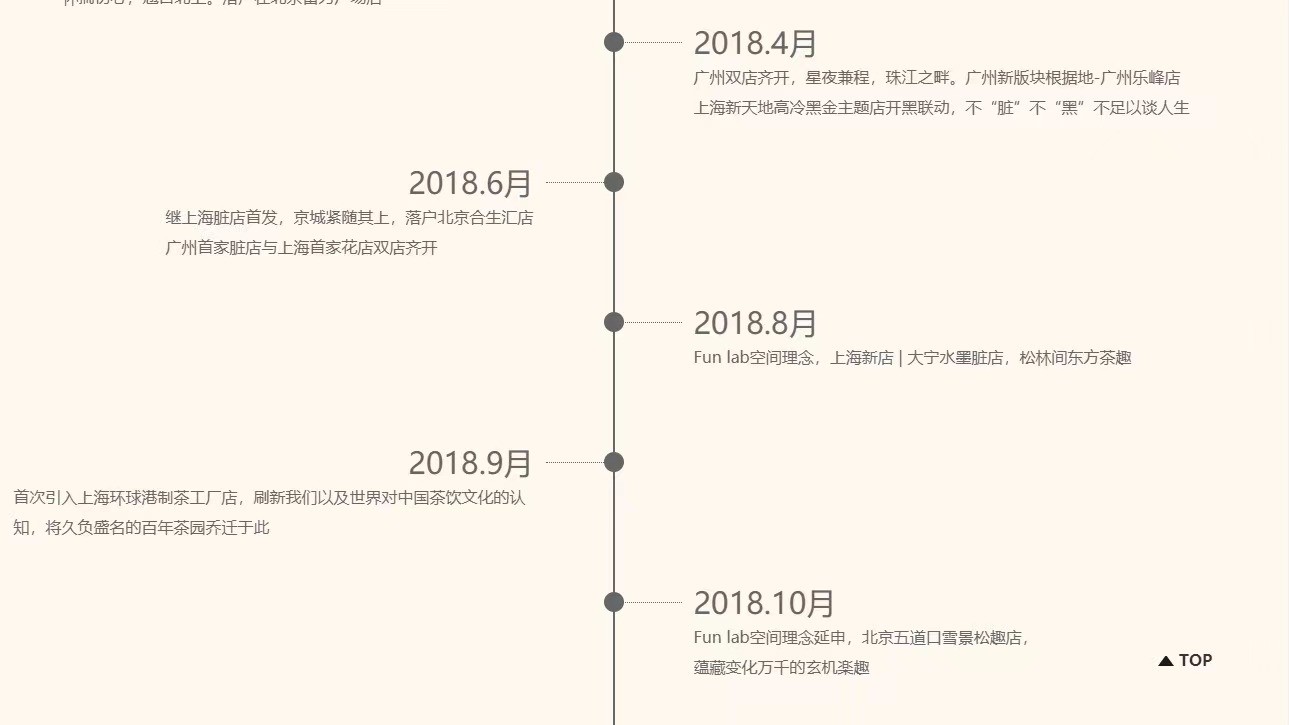
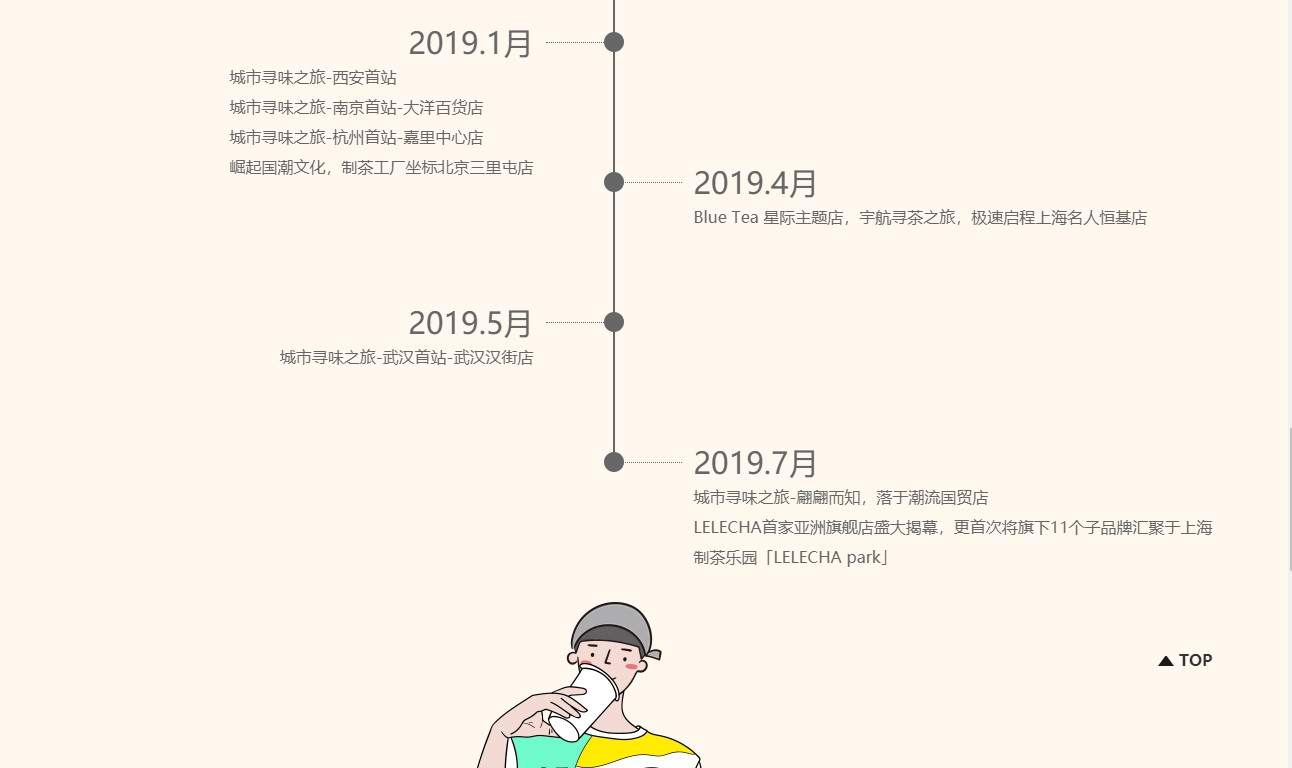
According to a July 20 report by International Financial News, recent recruitment information posted on LELECHA's official WeChat account stated that as of the end of June that year the company had 73 directly operated stores and was accelerating new store development.

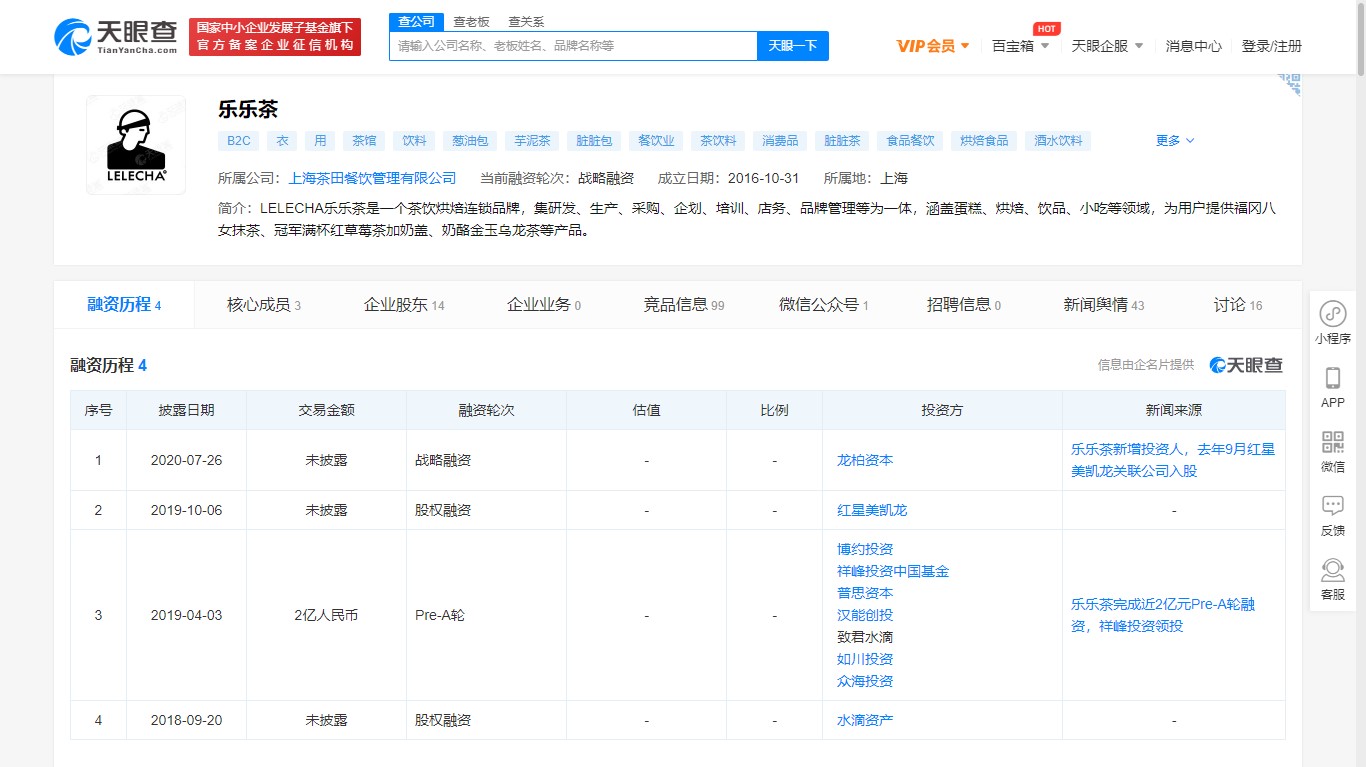
Data from the Tianyancha website shows that LELECHA has completed four financing rounds, the most recent a strategic round on July 26, 2020. Earlier, on April 3, 2019, it closed a 200 million yuan Pre-A round.
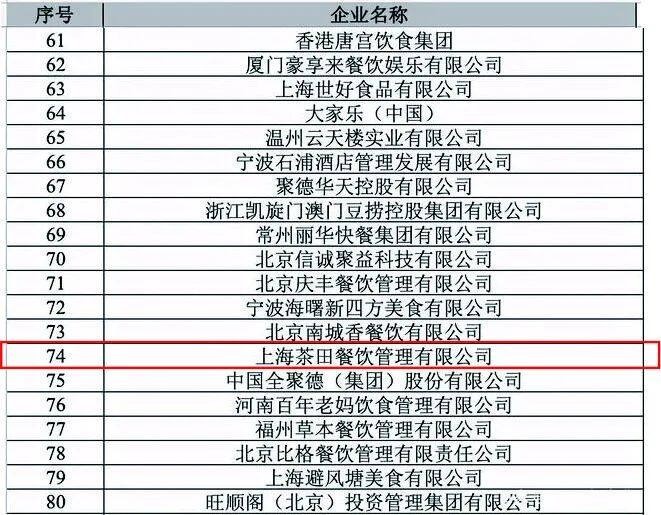
According to the 2020 Top 100 Catering Enterprises and Top 500 Catering Stores Analysis Report released by the China Cuisine Association on June 8 this year, Shanghai Chatian Catering Management Co., Ltd., which owns LELECHA, ranked 74th.
Industry Competition and Controversies
LELECHA had previously been accused of copying ChaYueColor in 2019. When the brand released a series of new products on its official WeChat account that year, netizens called the move "unseemly."
Observant readers noted that not only were the product names similar; the designs and product combinations showed a strikingly high degree of overlap.
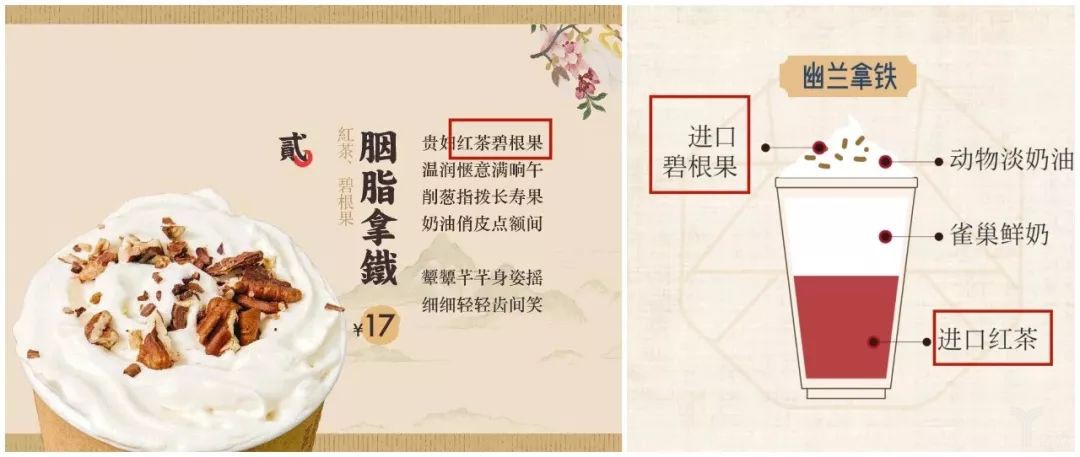
Competition in the new-style tea beverage industry keeps intensifying. Every new brand wants a larger share of the market, and the scale of that rivalry is plain to see from a single episode such as Heytea's response to the LELECHA acquisition report.
Image sources: LELECHA official website, LELECHA official account, and internet
FrontStreet Coffee Recommendation
If the news cycle above has left you wanting a quiet cup, FrontStreet Coffee's entry-level single origins are a good place to start. On the Ethiopian side, FrontStreet Sun-Dried Huakui shows the tropical, fermented character that made Sidamo naturals famous - think berries, florals, jackfruit, melon and honey - while FrontStreet Washed Gutingding Cooperative, a classic Yirgacheffe, is all jasmine, lemon acidity and berry.
For something rounder and lower in acidity, FrontStreet Brazil Cerrado Red Bourbon is a textbook everyday Brazilian lot: cream, peanut and cocoa in the cup, delicate fruit acidity and a smooth, well-balanced body. FrontStreet Brazil Queen Farm, a rare Yellow Bourbon grown at higher altitude, layers the butter, sunflower seed, macadamia and almond notes typical of Brazil with a clear sugarcane sweetness, whether brewed black or paired with milk.
Drinkers who prefer a heavier, savoury profile can turn to FrontStreet Indonesia Mandheling, produced with the wet-hulled method that Indonesia developed for its wet climate; the result is denser and creamier than most coffees, with herbal and spice notes and almost no acidity. FrontStreet PWN Golden Mandheling is the higher grade, hand-sorted three times and machine-sorted once, for a cleaner, smoother cup with clearer cedar and caramel notes.
Important Notice :
FrontStreet Coffee is a long-established specialty coffee roaster in Guangzhou China, selling freshly roasted beans from its own farm in Yunnan as well as dozens of carefully selected single-origin beans from around the world for both pour-over and espresso. The products deliver consistently excellent quality and great value, with shipping within 24 hours. Guangzhou's FrontStreet Coffee shop is recommended by many coffee lovers, and the beans are now available online at the Tmall 。
FrontStreet Coffee has moved to a new address:
FrontStreet Coffee Address: 315,Donghua East Road,GuangZhou
Tel:020 38364473
 Scan and follow the En Gafei WeChat official account. Please indicate that the reprint comes from "En Gafei".