Is a Barista a Waiter? What's the Difference Between a Barista and a Waiter?
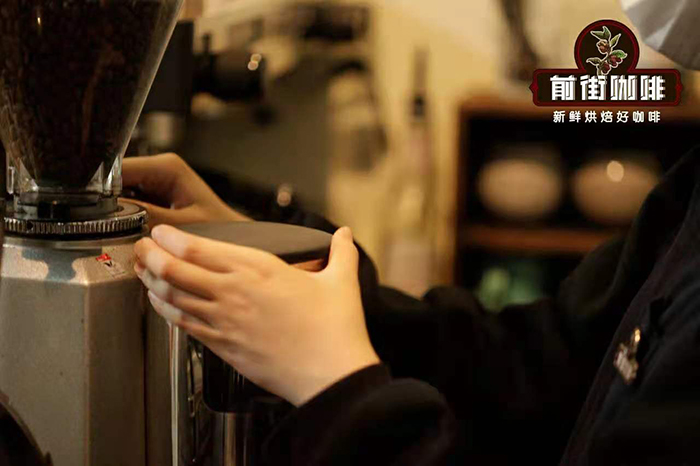
Have you ever accidentally called a barista a "waiter"?
— That first question goes out to all the coffee enthusiasts reading this.
And to the baristas and cafe owners: when a customer calls you a "waiter," does it sting?
(Pause for two seconds.) Today, let's dig into this topic.
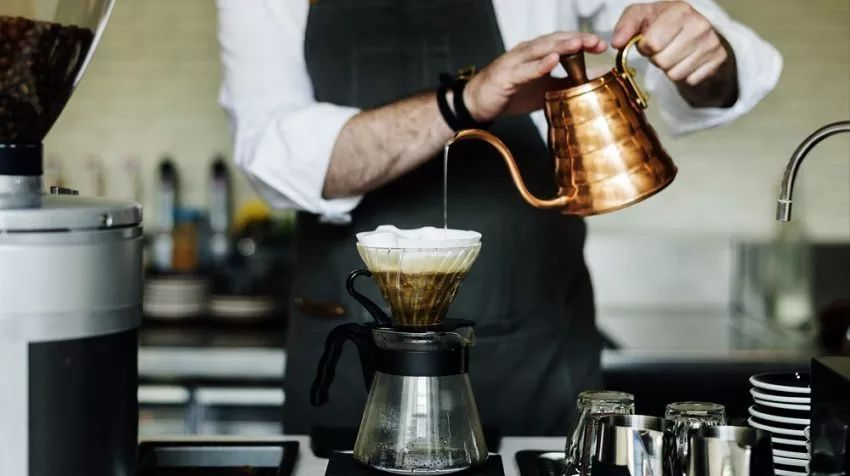
Why Coffee Competitions Matter
Most of you have heard of the annual WBC (World Barista Championship).
The competition exists to discover and steer coffee trends, spread coffee culture, and give professional baristas from around the world a stage to perform, compete, and exchange ideas. Its mission is to push coffee quality higher and professionalize the barista craft. In many ways the WBC is a microcosm of the specialty coffee ecosystem, with a profound influence on where the industry goes next.
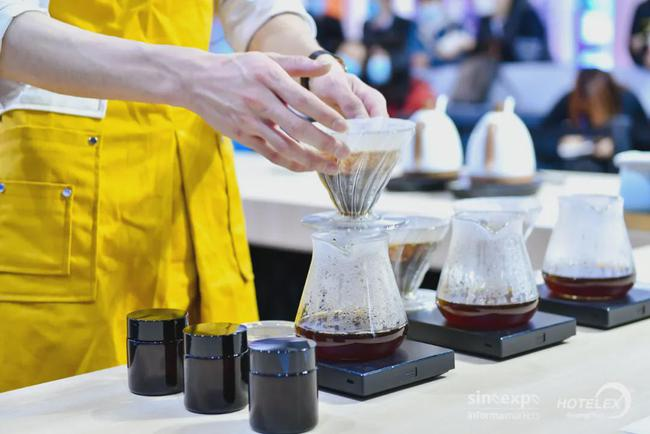
The Barista
The profession of barista can't be summed up in a sentence or two. Without baristas, you would rarely find genuinely good coffee, and you'd have almost no opportunity to hear the story behind each cup.
A barista's role is multifaceted — making coffee is only part of it. They also spread coffee culture, take care of customers, and much more.
That said, not everyone who can make coffee is a barista.
A qualified barista knows how to use the equipment; knows the origins, varieties, and flavor profiles of the beans they serve; and knows how to brew a coffee that truly expresses what those beans have to offer.
Baristas also need to keep pursuing self-improvement. If you never strive for better, it's easy to convince yourself that what you're already doing is the best it can be.
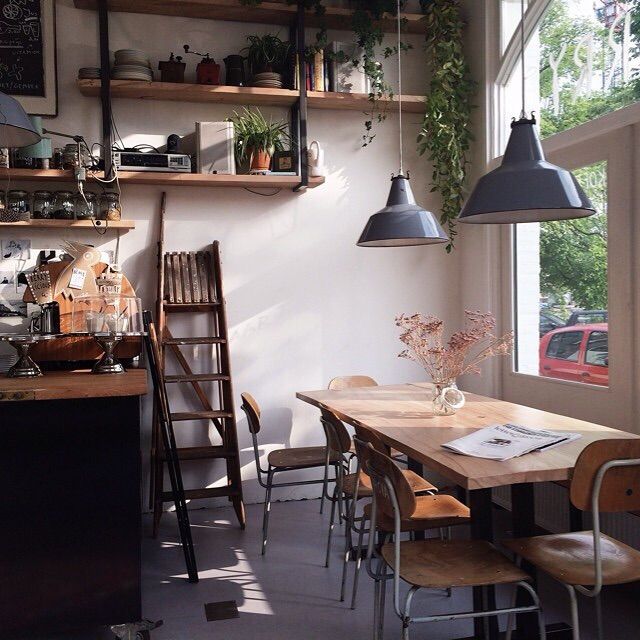
Is There a Service Standard for Coffee?
Performing for professional judges on a competition stage and serving everyday customers in a working cafe are two very different scenarios. A coffee shop sells coffee, but what it provides goes well beyond the value of a single cup.
Some customers are fascinated by the brewing process; others just want a refreshing drink.
In our view, there is no one-size-fits-all service standard for coffee.
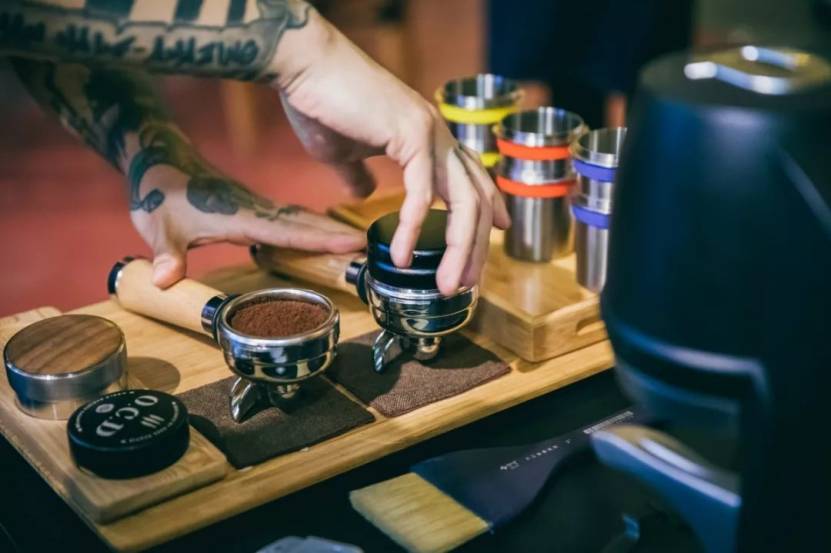
The Waiter
Broadly speaking, the entire tertiary sector is the service industry, and a waiter is simply someone who works in it:
"Service is work or an economic activity performed by individuals or organizations for consumers, directly or through tools, equipment, facilities, or media; it is provided to individual consumers or enterprises to meet specific needs, and its production may or may not be tied to material products. It adds value to individuals, goods, or the services of other economic units, manifesting mainly as use value or utility delivered through activity."
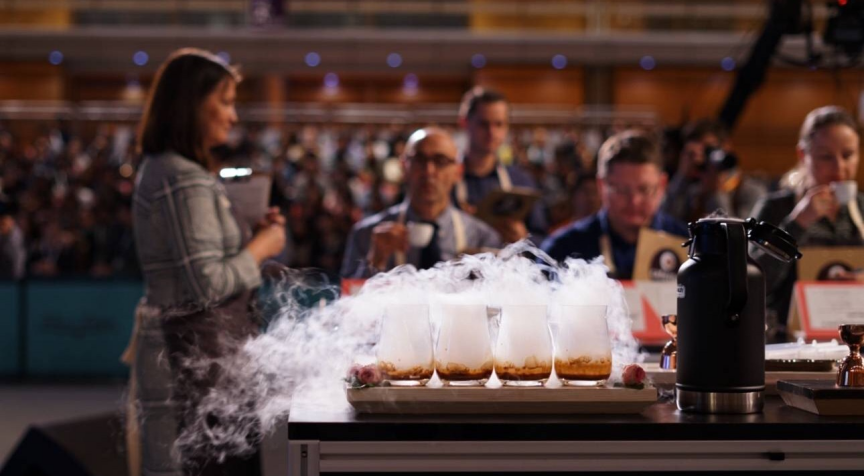
Originally, "waiter" referred to staff providing services within a fixed scope at a fixed location. Any frontline retail service worker can technically be called a waiter.
"Can a waiter become a barista?" "Is a barista just a waiter?" "Can a kitchen assistant become a head chef?"... These questions are really questioning the assumptions behind them.
So let's reframe it. It's not that "a barista is just a waiter" —
it's that "a barista is one kind of service worker."
Is a Robot Barista a Waiter?
With advances in technology, we now have robot baristas.
But here we want to be emphatic: no.
Nothing can truly replace a barista — not AI, not robots.
Machines can eventually surpass any manual skill, but service and the human touch cannot be replicated.
A barista is a service provider, but not merely a waiter. There's nothing wrong with describing a barista as being in the service business — what's wrong is limiting them to the role of waiter alone.
Image source: Internet
FrontStreet Coffee Recommendation
If this article put you in the mood to visit a cafe and order something great, here are a few beginner-friendly beans we always recommend. Start with Ethiopia: FrontStreet Coffee's washed Guodingding cooperative lot and natural Huaguoi represent the country's two signature styles. Ethiopia is Africa's largest coffee-producing country and the widely acknowledged birthplace of coffee, and its Yirgacheffe and Sidamo regions are the most famous of all. Since washing was introduced in the 1970s to raise green bean quality, Yirgacheffe coffees have been mostly washed — jasmine florals, lemony acidity, and berry notes in the case of Guodingding — while Sidamo is best known for naturals with pronounced tropical fruit and fermentation aromas; Huaguoi delivers berries, florals, jackfruit, melon, and honey.
Brazil is another easy entry point. As the world's largest coffee producer, it offers plenty of high-quality lots even amid the commercial volume. Sun-exposed cultivation lets the cherries ripen quickly, producing soft beans with gentle acidity, excellent sweetness, and a smooth, balanced cup. FrontStreet Coffee's Brazil Cerrado Red Bourbon is an entry-level single origin famous for being delicious yet affordable, with classic cream, peanut, and cocoa notes in the extraction. The higher-grown Fazenda Rainha (Queen Estate), a rare yellow Bourbon, adds sugarcane sweetness to Brazil's compound nut aromas of butter, melon seeds, macadamia, and almond — wonderfully thick and silky whether black or with milk.
Finally, for espresso drinkers, FrontStreet Coffee's Boquete washed Geisha from Panama offers a taste of the variety that made the country famous — pure varietal genetics, washed-processed for clear orange-blossom sweetness and honeyed finish, at a price a beginner can actually justify. However you brew it, it's a wonderful way to experience Panama Geisha's charm without the Esmeralda price tag.
Important Notice :
FrontStreet Coffee is a long-established specialty coffee roaster in Guangzhou China, selling freshly roasted beans from its own farm in Yunnan as well as dozens of carefully selected single-origin beans from around the world for both pour-over and espresso. The products deliver consistently excellent quality and great value, with shipping within 24 hours. Guangzhou's FrontStreet Coffee shop is recommended by many coffee lovers, and the beans are now available online at the Tmall 。
FrontStreet Coffee has moved to a new address:
FrontStreet Coffee Address: 315,Donghua East Road,GuangZhou
Tel:020 38364473
 Scan and follow the En Gafei WeChat official account. Please indicate that the reprint comes from "En Gafei".