Espresso Coffee Extraction Steps and Process, Important Details for Making Espresso, Italian Coffee Drinking Methods
Introduction
Espresso is a highly concentrated coffee extracted under pressure by an espresso machine, and it forms the base of popular café drinks like Americanos and lattes. In recent years, many coffee enthusiasts have added espresso machines to their home setups. Pulling a quality shot, however, is not a simple task. Today FrontStreet Coffee shares some practical tips for espresso extraction.
Developing an Espresso Recipe
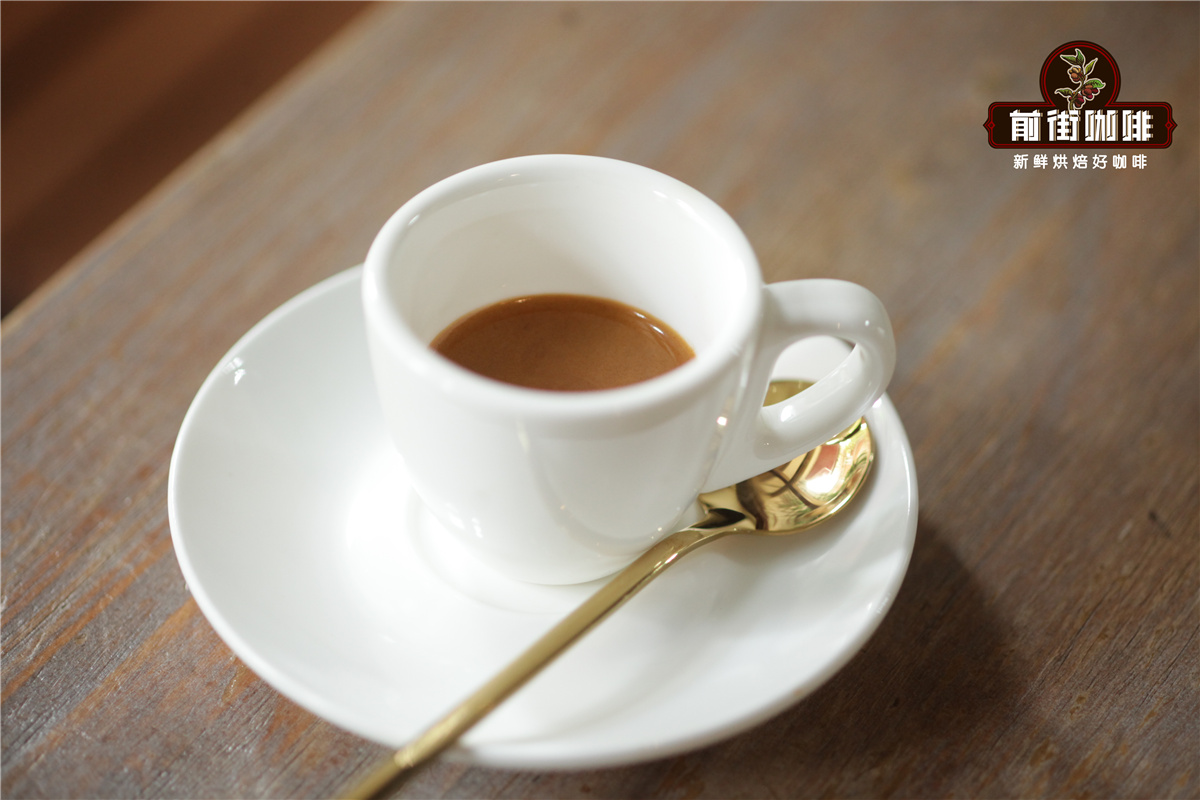
To extract delicious espresso, you first need to understand both the coffee and the process. Espresso, as the name suggests, is a high-concentration coffee extracted in an extremely short time, with a typical serving of about 30 ml, topped with a rich, fine golden-brown crema.
The variables that shape such an extraction are dose, ratio, time, grind size, water temperature, and pressure. Most machines have preset water temperature and pressure that don't need adjustment unless something is off. That leaves four parameters to dial in: dose, ratio, time, and grind size.
Dose
Dose is the easiest of the four to determine, since it depends on the capacity of your portafilter basket. Check the basket capacity in your machine's manual. If the manual is unavailable, fill the dry basket with espresso-ground coffee, tamp firmly until the grounds reach the ridge line, then weigh the coffee — that gives you the basket's maximum capacity.
The double-shot basket used at FrontStreet Coffee holds 18-20 g, and FrontStreet Coffee doses 20 g per shot.
Ratio
We generally work with the coffee-to-liquid ratio — the weight of dry grounds relative to the weight of brewed espresso. Common ratios run from 1:1.5 to 1:2.5. FrontStreet Coffee suggests starting at 1:2, so 20 g of grounds would yield 40 g of espresso.
Time
Keeping the extraction between 20 and 30 seconds makes it much easier to pull a balanced shot. Espresso that finishes in under 20 seconds usually tastes thin and watery, while an extraction that runs past 30 seconds tends to pick up bitter, burnt notes.
Grind Size
The grind for espresso is very fine — closer to flour than sand. Grind size is also the parameter you'll adjust most often, because espresso machines are extremely sensitive to it. A slightly coarse grind leads to a fast flow and a shorter extraction; a slightly fine grind slows the flow and drags out the shot. In practice, you fine-tune the grind to hit that ideal 20-30 second window.
Espresso Extraction Steps
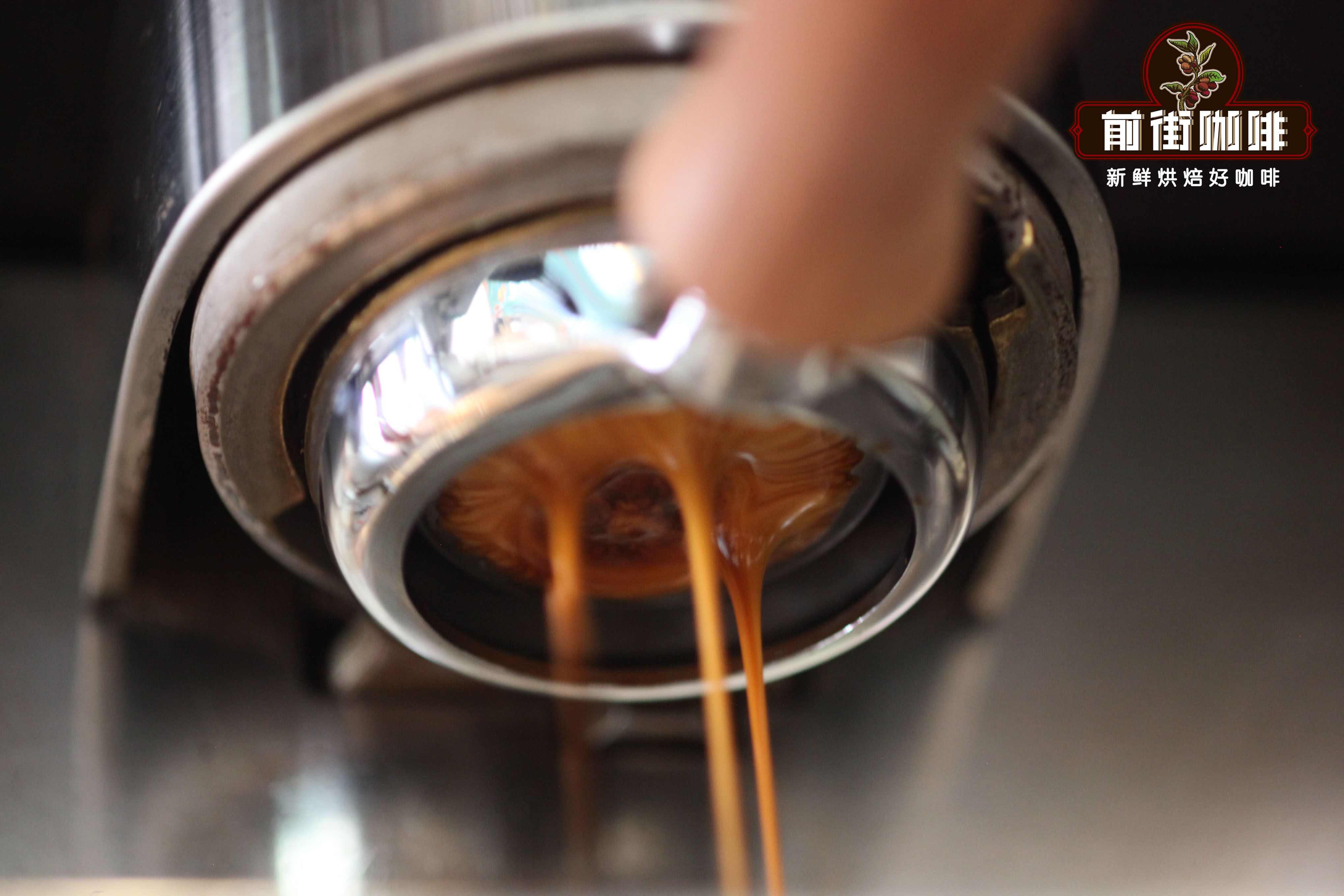
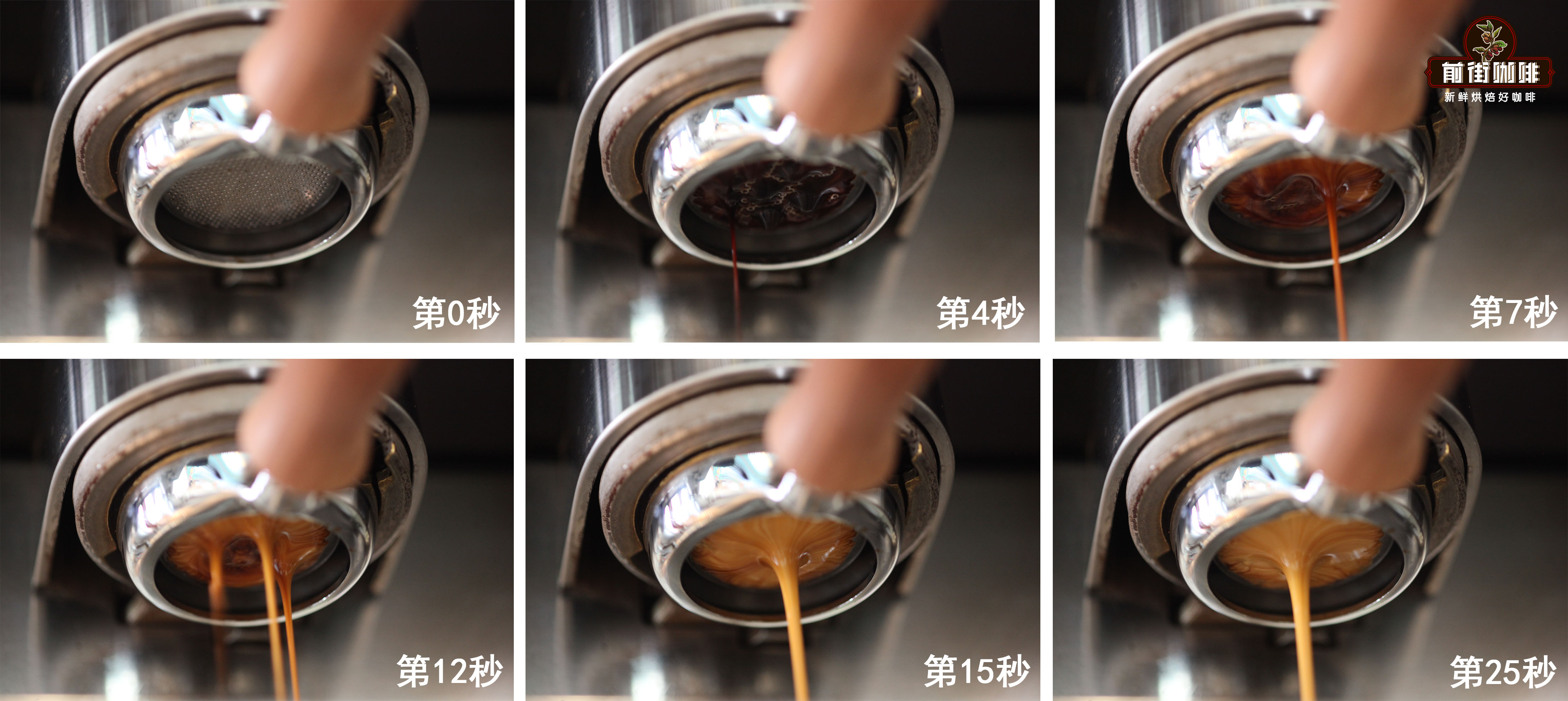
With the theory covered, let's move on to the hands-on process. This demonstration uses a Fiama E98 semi-automatic espresso machine fitted with a bottomless portafilter so the extraction can be observed directly.
1. Dosing
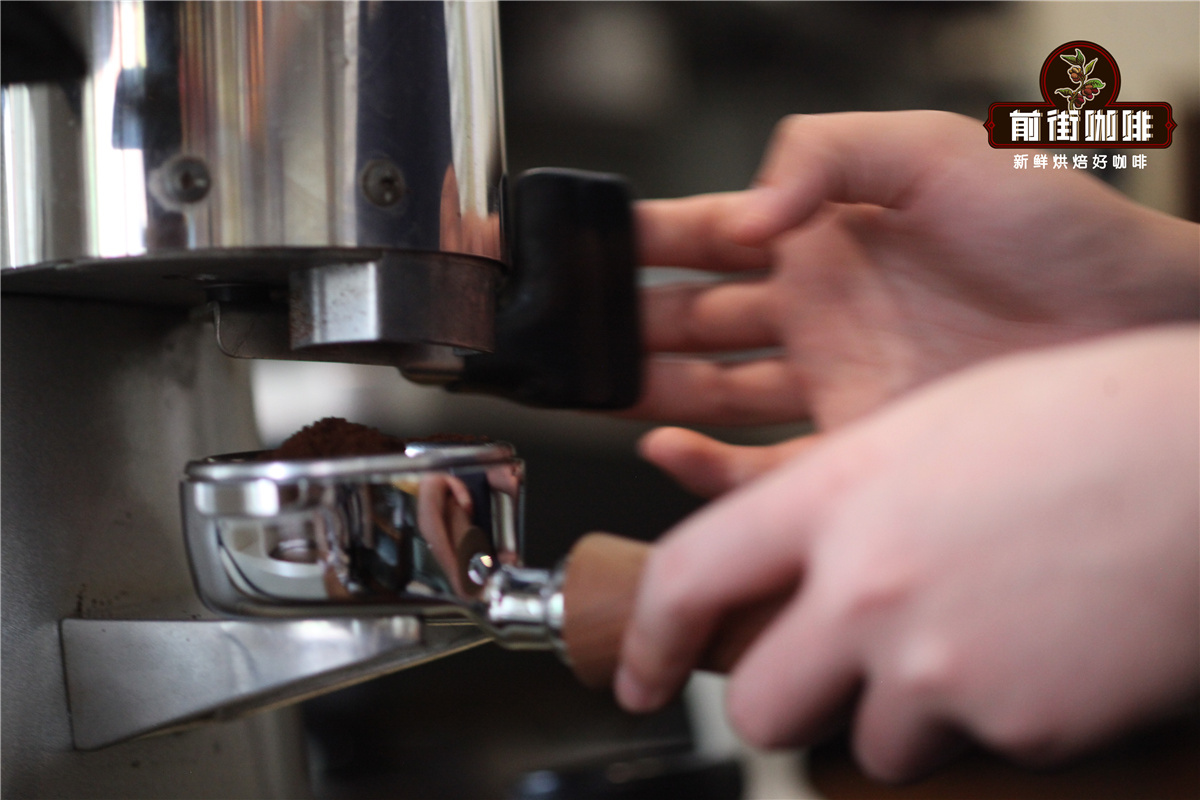
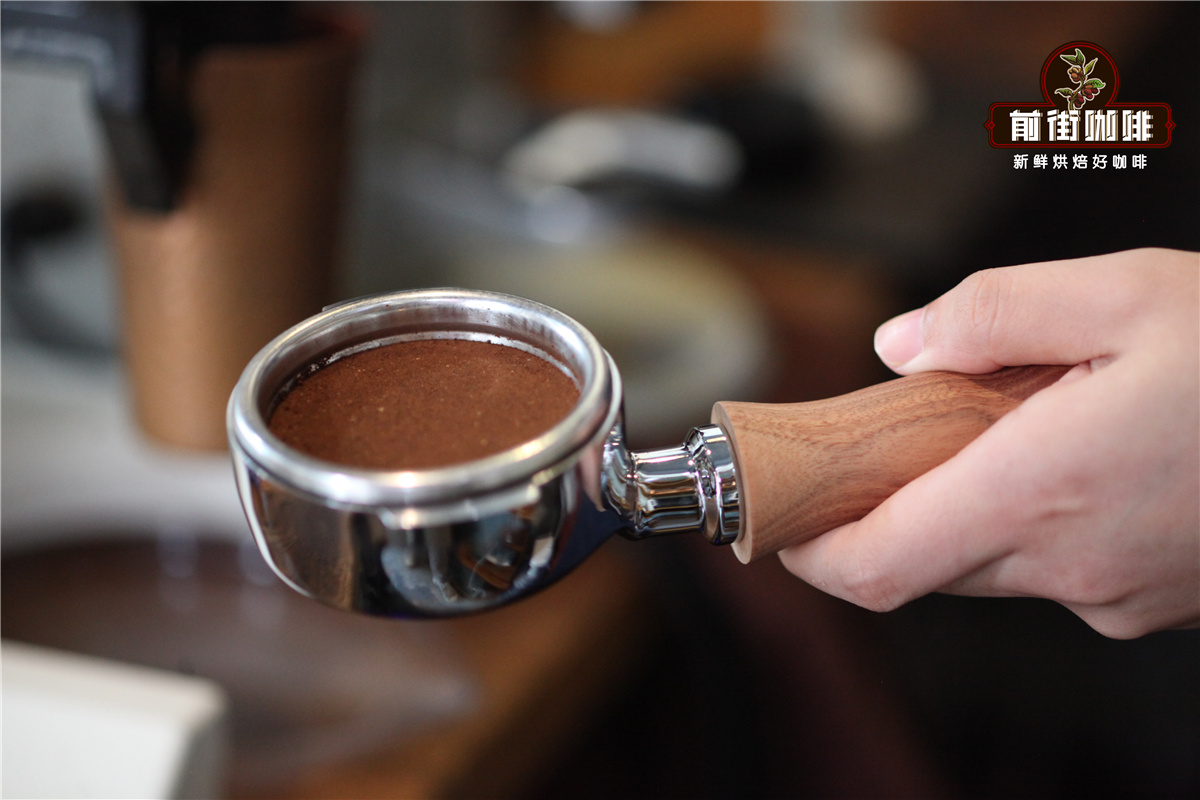
Before dosing, wipe the portafilter basket clean and keep it dry. Switch on the grinder and grind the beans, catching the grounds in the basket. Because FrontStreet Coffee uses a manual grinder with no dosing function, the grounds are weighed on an electronic scale — the target this time is 20 g.
2. Distribution & Tamping
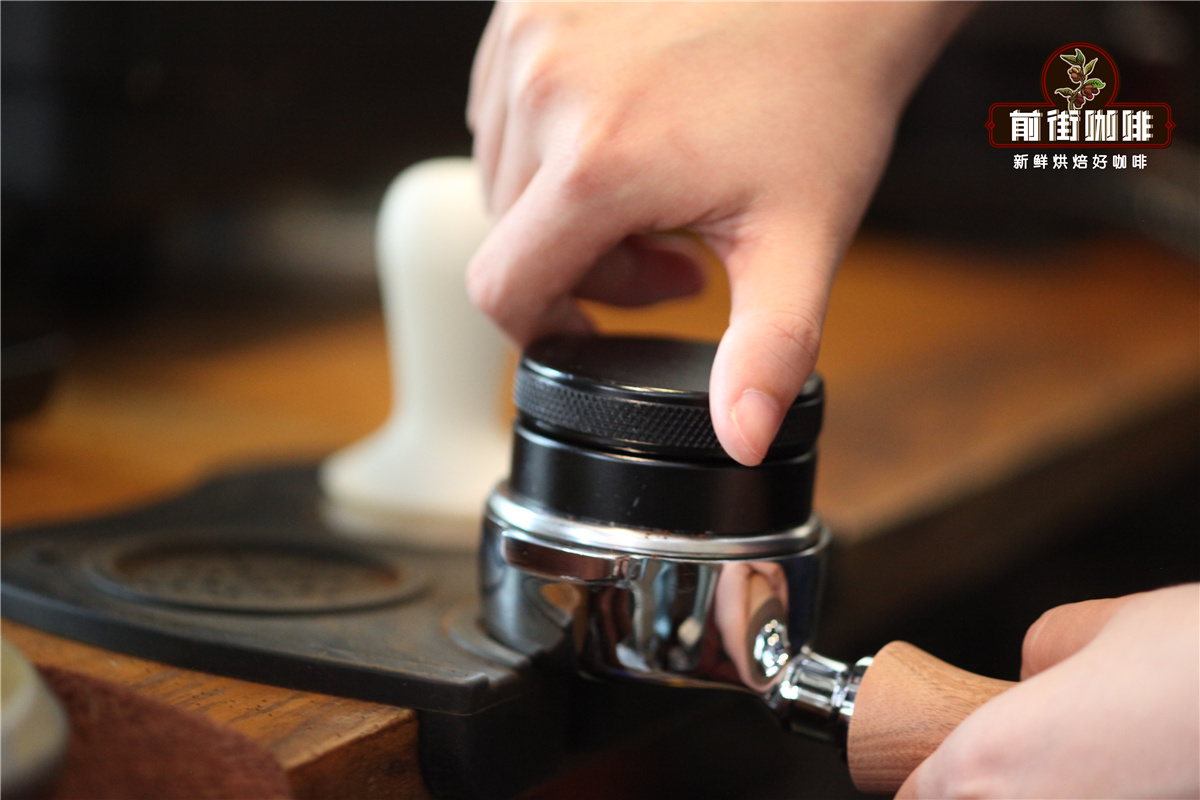
Distribute the grounds with your fingers or a distribution tool to make sure the coffee settles evenly and no dense or loose pockets form before tamping. FrontStreet Coffee recommends a distribution tool for consistent, quick results, especially for beginners: place it flat on the basket, rotate a few times, then lift it off.
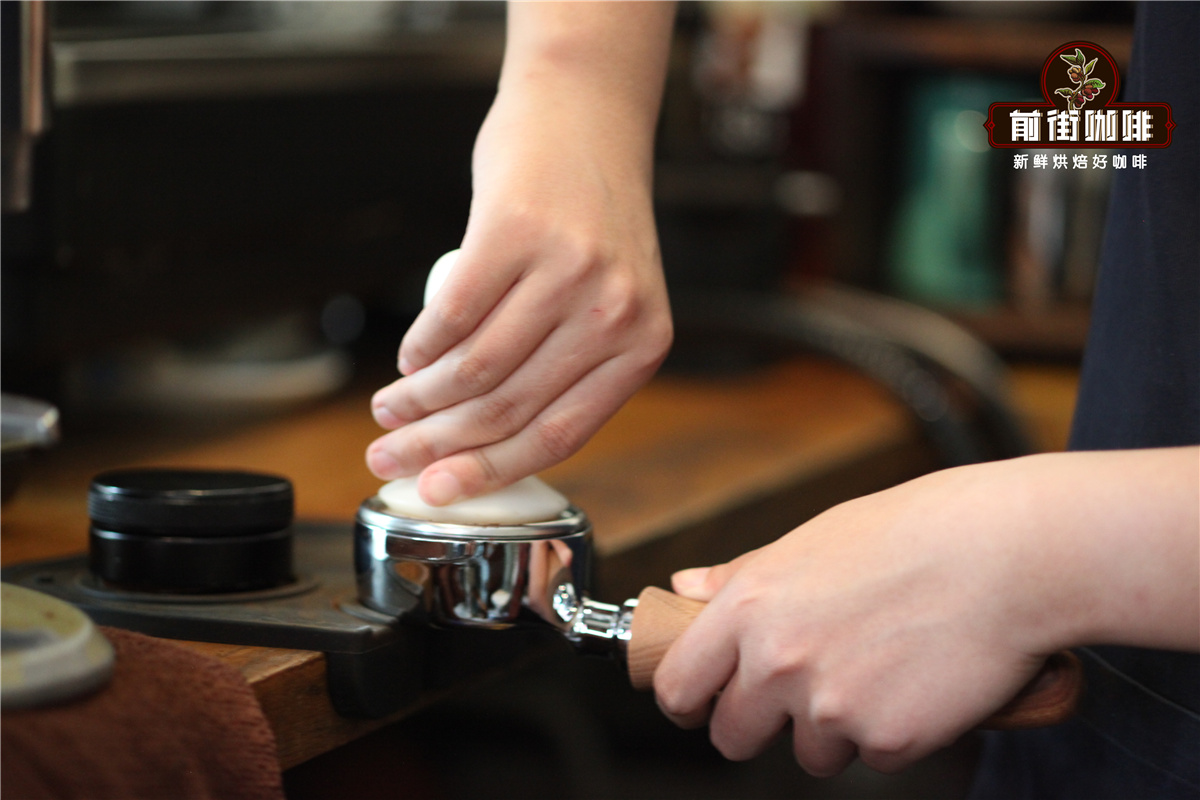
Next, tamp. Apply pressure perpendicular to the basket, keeping your arm vertical and tamping with your arm rather than your wrist. You don't need to press hard — just enough to compress the puck evenly up to the basket's ridge line.
3. Pre-Extraction Check
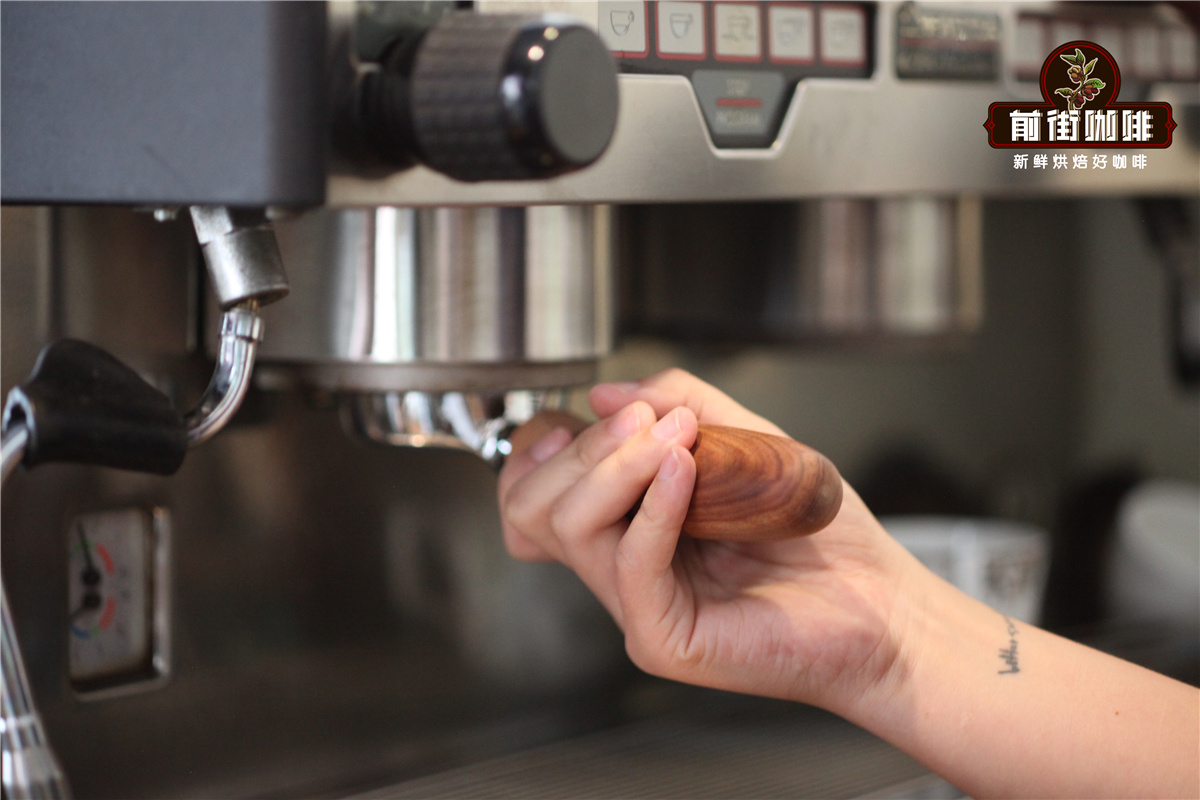
Before locking into the group head, run through two checks: first, confirm the tamp is level; second, make sure no loose grounds are clinging to the rim of the portafilter. Then press the brew button briefly to wet the group head, and attach the portafilter gently. Make sure it is locked in securely to prevent leaks.
4. Extraction
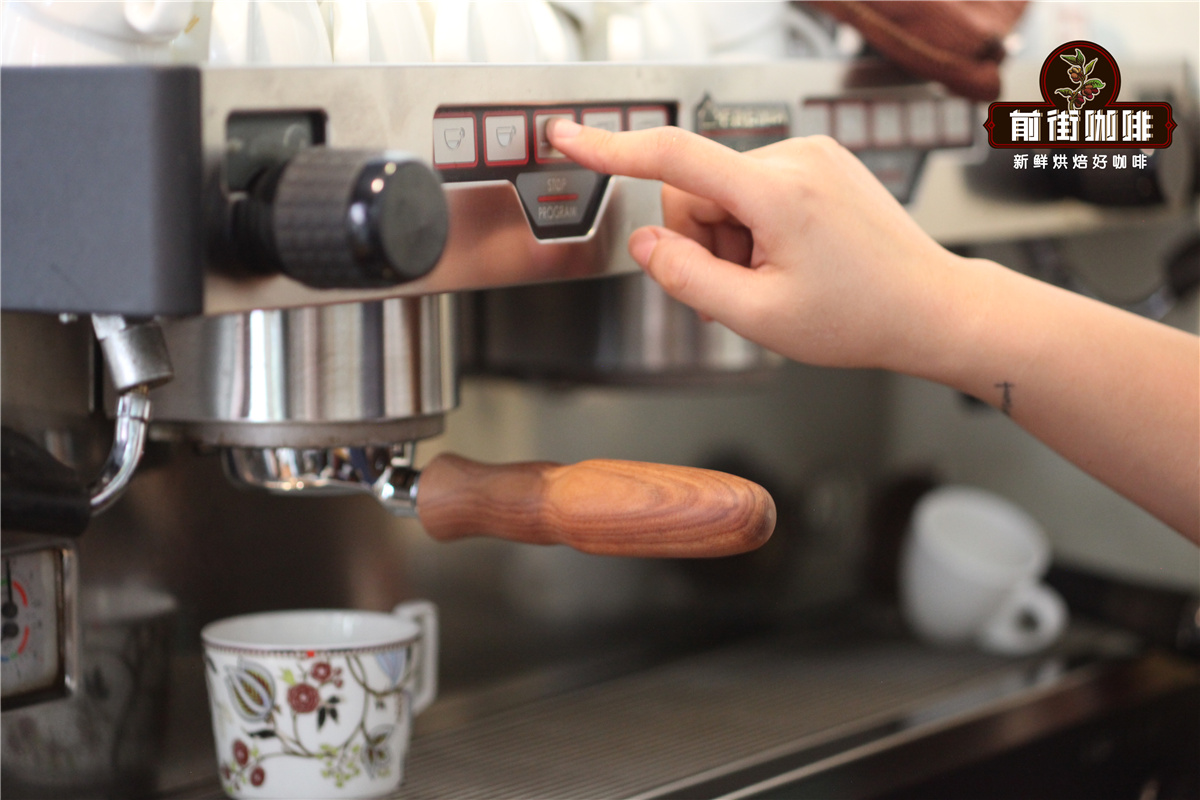
Once the portafilter is locked in, start the shot promptly so the hot group head doesn't scorch the coffee surface. About 4 seconds after pressing the brew button, thick coffee begins to emerge from the underside of the basket. The several streams gradually merge into one, shifting from dark brown to golden brown. At 40 g of espresso, press the stop button — a total of 28 seconds.
Common Extraction Issues
Here are two abnormal phenomena you may run into during extraction:
1. Spraying at the start of the shot: This is caused by channeling, usually the result of insufficient or uneven tamping.
2. Liquid appears only after 8-10 seconds, followed by slow dripping for the next 15 seconds: The likely culprits are too much coffee, a grind that is too fine, or excessive tamping pressure.
Enjoying Your Espresso
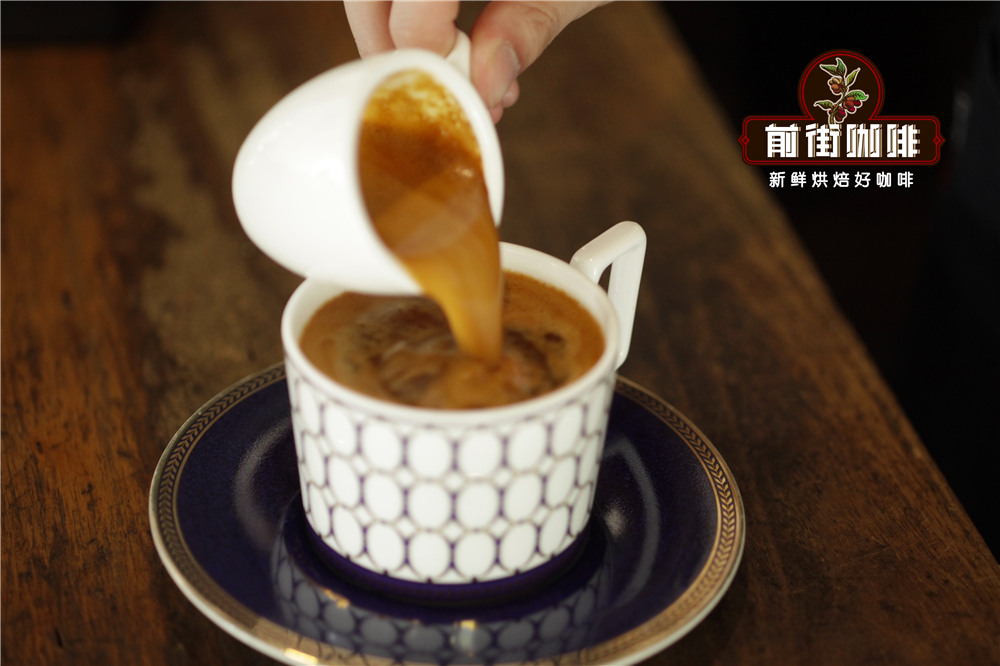
Espresso pairs beautifully with milk or water. Add milk and you get a latte — sweet and full of flavor. Add water and you get an Americano — clean and refreshing.
FrontStreet Coffee Recommendation
Since espresso is all about that concentrated base, choosing the right blend matters more than anything else. FrontStreet Coffee's Classic Blend is the go-to choice: designed specifically for espresso machines and moka pots, its greatest strength is an exceptionally rich, silky crema. Even beginners on entry-level home machines can extract a dense, fine crema with ease — and crema is exactly what lattes, cappuccinos, and Dirty drinks all depend on. Built on the traditional "Mamba" formula of Mandheling and Brazil, it delivers a mellow, rounded body that both seasoned coffee drinkers and newcomers can enjoy, making it a solid first pick for home or café use.
If you'd rather balance quality against budget, the FrontStreet Dark Cocoa Blend is a high-value commercial option. It uses 100% Arabica beans, produces plenty of crema and a full-bodied cup, and stays friendly on price — a sensible choice for new baristas or shop owners watching costs. For a nuttier milk-coffee profile, the FrontStreet Signature Blend pairs Brazil Cerrado with Colombia Huila beans. It is the blend FrontStreet's own cafés have relied on for nearly a decade for Americanos and espresso lattes, offering that classic, familiar Italian-espresso character with layered almond, walnut, and other nut notes that turn silky and lingering when milk is added.
And if fruit-forward milk drinks are more your style, the FrontStreet Strawberry Candy Blend is a popular option: an espresso blend whose single-origin Arabica components merge to recreate the unmistakable sweetness of strawberry gummy candy. It suits everyday home drinking and café service alike, and is a great pick for anyone who loves fruity coffee, shies away from bitterness, or wants to offer a distinctive milk-based signature drink.
Important Notice :
FrontStreet Coffee is a long-established specialty coffee roaster in Guangzhou China, selling freshly roasted beans from its own farm in Yunnan as well as dozens of carefully selected single-origin beans from around the world for both pour-over and espresso. The products deliver consistently excellent quality and great value, with shipping within 24 hours. Guangzhou's FrontStreet Coffee shop is recommended by many coffee lovers, and the beans are now available online at the Tmall 。
FrontStreet Coffee has moved to a new address:
FrontStreet Coffee Address: 315,Donghua East Road,GuangZhou
Tel:020 38364473
 Scan and follow the En Gafei WeChat official account. Please indicate that the reprint comes from "En Gafei".