Coffee Fundamentals: 3 Steps to Brew the Best Coffee at Home
Improving Your Home Coffee Experience
FrontStreet Coffee has published many articles on how to make better coffee at home. We could spend hours outlining the intricacies of brewing delicious coffee, but three methods consistently stand out as simple and accessible, yet capable of significantly improving your home routine.
Invest in a Quality Grinder
Having a grinder is crucial, because coffee tastes best when it is brewed immediately after grinding. Even grinding is essential for proper extraction. A consistent particle size enables more uniform extraction, resulting in a more balanced cup.
Think of it this way: when you roast potatoes, you want them diced as evenly as possible so that every piece cooks at the same rate. If you have large chunks and small pieces, the large chunks will not be done before the small pieces overcook. A similar idea applies to coffee. If your ground coffee is uneven in size, you cannot extract enough soluble material from the larger particles without extracting too much from the smaller ones, which leads to an uneven brew.
There are many grinders available at different price points, but not all products are created equal.
Use a Digital Scale
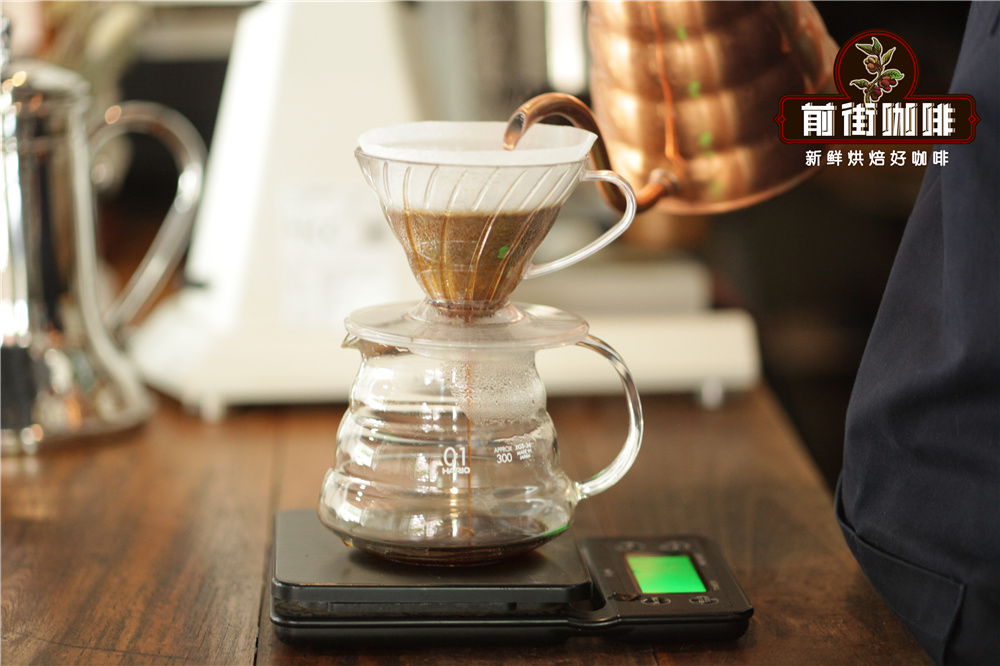
Just as proper ingredient ratios are crucial for good results in cake or cookie recipes, the proper coffee-to-water ratio is essential for making delicious coffee. Many of the world's best bakers use scales to ensure they make the best cakes and cookies time and time again. Similarly, many of the best baristas we know use scales to ensure consistency. This might make you wonder why we measure by weight rather than using a reliable coffee scoop.
When making coffee, the proper coffee-to-water ratio ensures consistency and repeatability: approximately 1.6-2 grams of whole bean coffee per ounce of water, depending on your brewing method. Different coffees from around the world have varying densities and physical sizes, and a coffee's roasting characteristics also affect its weight. This means one scoop of a particular whole bean coffee might weigh 5 grams, while another might weigh 8 grams, even though they look like the same amount in the scoop. In our example, if your preferred recipe uses 4 scoops of coffee per pot, that is a difference between 20 and 32 grams, a 60% variation. Weighing your coffee lets you maintain consistency regardless of variety or roast level, giving you better control over the cup you make.
As with grinders, there are many options available for scales.
Use Clean Water
Water is the unsung hero of coffee brewing and perhaps the most overlooked ingredient in making delicious coffee, which is remarkable considering that brewed coffee is 98% water. With this in mind, it is easy to understand why using clean water matters so much. If your water tastes like chlorine or other chemicals, those flavors transfer to your coffee. If the mineral content is too high or too low, it can affect extraction, and when it is too high, it can lead to faster buildup of mineral scale in your brewing equipment.
To avoid making things too complicated, just make sure your water tastes good and has moderate mineral content. If you use tap water at home, run it through a simple carbon filter to check for taste and odor, like a Brita filter. If you buy bottled water for coffee, we recommend spring water rather than water labeled "drinking water." Never use distilled water for brewing coffee; its lack of minerals can actually corrode your equipment.
Paying attention to these three things at home will consistently help you make more delicious coffee.
FrontStreet Coffee Recommendation
A good hand grinder is the heart of home brewing, and the beans you feed it matter just as much. FrontStreet's Yirgacheffe Sun-dried Red Cherry is one of the sweetest light-roast classics, from the famous Yirgacheffe region. It was the first bean to use whole-ripe-cherry sun-drying, so quality is high, and it is roasted medium-light. Ripe fruit aromas and a clear fermented note lead into berry flavors; as the cup cools, citrus acidity and a creamy smoothness appear, with a ripe-grape juiciness in the finish.
FrontStreet's Strawberry Candy Geisha Blend is a high-altitude pairing of washed Panama Geisha with a Costa Rican honey-processed coffee, roasted medium to preserve the rich floral and fruit notes while adding roast aromas. In the cup it shows caramel, raisin, candied fruit, and a sweet rose floral aroma. If you prefer something distinctly sweet, FrontStreet's Mozart from Costa Rica draws its character from a raisin honey process, in which the fruit ferments slowly during drying, so it has the sweetness of Kyoho grapes along with pineapple and osmanthus aromas, roasted medium-light to highlight raisins, roses, and a fermented wine note.
For an everyday all-rounder, FrontStreet's Queen Estate Yellow Bourbon is hard to beat for sweetness, and it is forgiving across methods: pour-over, French press, moka pot, or espresso machine. The estate is a Brazilian specialty farm and the Yellow Bourbon variety is an outstanding one, and its natural process makes the sweetness especially pronounced, with nut, cream, sugarcane, and soft fruit-acid notes after a medium roast.
Important Notice :
FrontStreet Coffee is a long-established specialty coffee roaster in Guangzhou China, selling freshly roasted beans from its own farm in Yunnan as well as dozens of carefully selected single-origin beans from around the world for both pour-over and espresso. The products deliver consistently excellent quality and great value, with shipping within 24 hours. Guangzhou's FrontStreet Coffee shop is recommended by many coffee lovers, and the beans are now available online at the Tmall 。
FrontStreet Coffee has moved to a new address:
FrontStreet Coffee Address: 315,Donghua East Road,GuangZhou
Tel:020 38364473
 Scan and follow the En Gafei WeChat official account. Please indicate that the reprint comes from "En Gafei".