What is Decaf Coffee, How It's Made, and Its Differences from Regular Coffee - Benefits of Low-Caffeine Beans
Decaffeinated coffee is rarely found in specialty coffee shops, for either pour-over or espresso. Decaf coffee beans are quite uncommon. Why is that? Flavor is our standard for measuring the quality of coffee beans, and during decaffeination, decaf coffee loses some of its flavor, so it "should" be priced lower. Yet decaf also carries the cost of decaffeination, which pushes its price up. That is why many specialty coffees are not decaffeinated: it loses flavor, and consumers feel the value is not there. Of course, there is a coffee variety called Laurina that is naturally low in caffeine, though it does not retain only 0.1% caffeine.
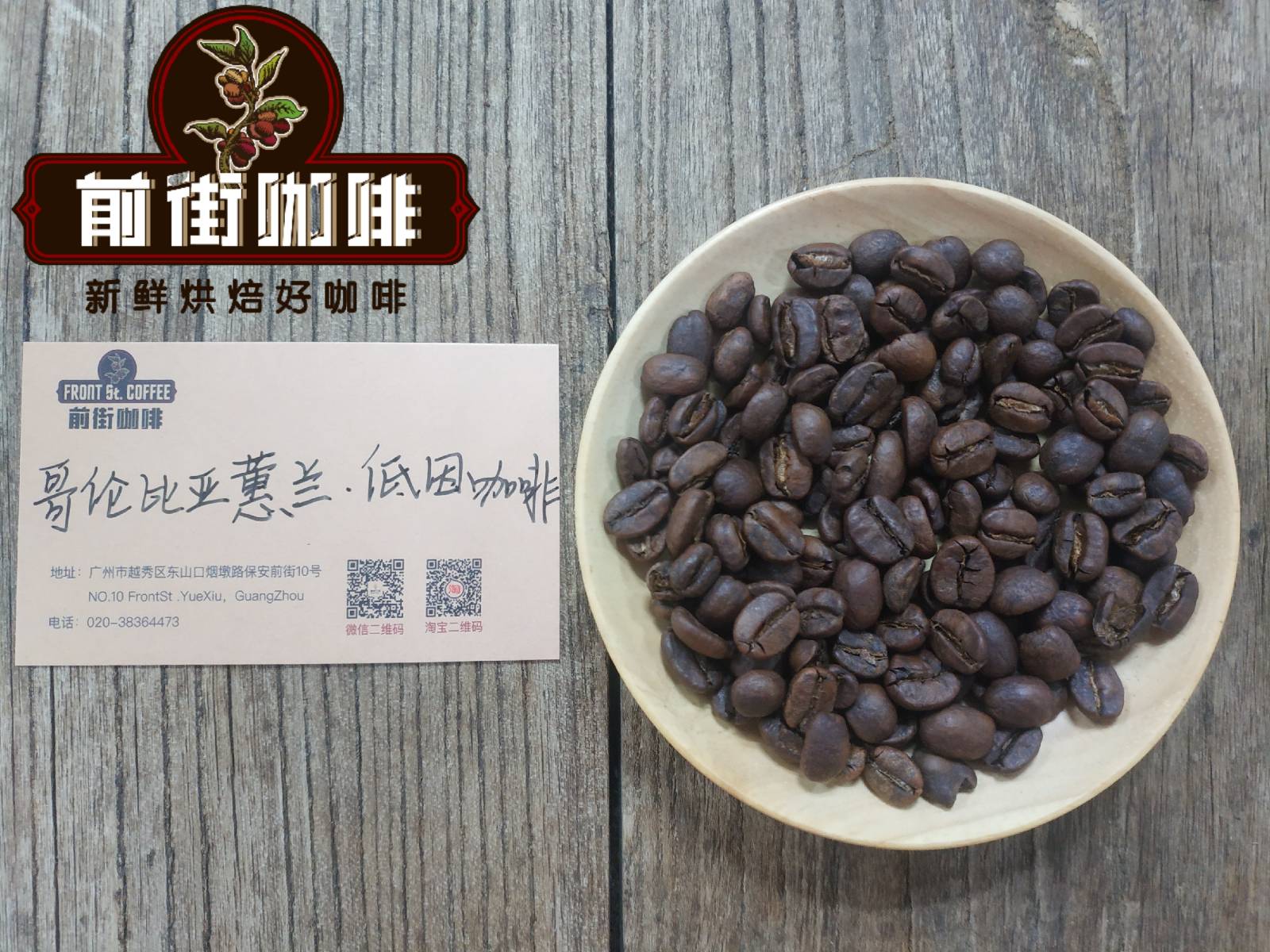
Many people enjoy drinking coffee, but sometimes excessive caffeine intake can cause symptoms like heart palpitations. For these people, decaffeinated coffee is an excellent choice.
Decaf coffee is just like regular coffee, only with reduced caffeine content.
In this article, FrontStreet Coffee gives a detailed introduction to decaffeinated coffee and its health effects.
What is Decaffeinated Coffee and How is it Made?
Decaf is short for decaffeinated coffee. Decaf coffee has had at least 97% of its caffeine removed. There are many methods of decaffeination, most involving water, organic solvents, or carbon dioxide. Coffee beans are washed in solvents until the caffeine is extracted, and then the solvents are removed. Carbon dioxide or charcoal filters can also be used to remove caffeine, a method known as the Swiss Water Process. This happens before the beans are roasted and ground. Aside from caffeine content, the nutritional value of decaffeinated coffee should be almost identical to regular coffee. The taste and aroma may become milder, however, and the color may change depending on the method used. For those sensitive to the bitterness and aroma of regular coffee, decaf will be more enjoyable.
How Much Caffeine is in Decaf Coffee?
Decaffeinated coffee is not completely caffeine-free. It actually contains varying amounts of caffeine, typically about 3 mg per cup. One study found that each 6-ounce (180 ml) cup of decaf coffee contains 0-7 mg of caffeine. A cup of regular coffee, by contrast, contains an average of about 70-140 mg, depending on the coffee type, preparation method, and cup size. So even though decaf is not completely caffeine-free, its caffeine content is usually very small.
In summary: Decaf coffee is not caffeine-free, as each cup contains about 0-7 mg. This is far lower than the content in regular coffee.
Decaf Coffee is Rich in Antioxidants and Contains Nutrients
Coffee is actually the largest source of antioxidants in the Western diet, and decaf typically contains similar amounts of antioxidants to regular coffee.
Decaf coffee has the following benefits:
- Preventing type 2 diabetes, improving liver function, and reducing premature death
- Preventing aging and neurodegenerative diseases
- Reducing symptoms of heartburn and lowering the risk of rectal cancer
Coffee may be known for its stimulating effects. It can increase alertness and reduce fatigue, effects directly related to caffeine, a natural stimulant present in coffee. Some beneficial effects of regular coffee are directly attributed to caffeine, so decaf coffee should not have these effects.
Here are some benefits that may apply only to regular coffee rather than decaf:
- Improving mood, reaction time, memory, and mental function
- Increasing metabolic rate and fat burning
- Enhancing athletic performance
- Reducing the risk of mild depression and suicidal thoughts in women
- Significantly reducing the risk of cirrhosis or end-stage liver damage
When it comes to caffeine tolerance, there are many individual differences. For some people one cup of coffee may be excessive, while others can handle more. Although individual tolerance varies, healthy adults should avoid consuming more than 400 mg of caffeine per day, equivalent to about four cups of coffee. Increased consumption can lead to elevated blood pressure and insufficient sleep, raising the risk of heart disease and stroke. Excessive caffeine can also overwhelm the central nervous system, causing irritability, anxiety, digestive problems, heart arrhythmias, or difficulty sleeping in sensitive individuals. People who are very sensitive to caffeine may want to limit their regular coffee intake or switch to decaf or tea. People with certain medical conditions may also need to limit their caffeine intake, including those taking prescription medications that can interact with caffeine. Pregnant and breastfeeding women are advised to limit their caffeine intake as well, and children, adolescents, and people diagnosed with anxiety disorders or sleep difficulties are recommended to reduce or avoid caffeine.
FrontStreet Coffee Recommendation
When a seasoned coffee person recommends a dripper that is practical, easy to master, and good-looking, the answer is almost always the V60. The company behind it, Hario, was founded in Tokyo in 1921 and is a well-known Japanese glassware maker that began by designing and producing heat-resistant glass instruments for research institutions; its heat-resistant glass server is a popular pour-over companion. In 2004, Hario redesigned the V60 prototype, bringing it closer to the shape we know today and naming it for its distinctive 60-degree cone and V shape. It went on sale a year later.
The conical 60-degree design forces water to the center before it drips into the server, lengthening contact between water and grounds so aroma and flavor extract fully. The V60's single large hole lets water flow freely, so the flow rate depends largely on the brewer's control and shows directly in the cup. FrontStreet Coffee favors the resin Hario V60 because resin blocks heat loss and is the easiest material to shape with the smallest tolerances in standard industrial production.
Several FrontStreet coffees are especially at home in a V60. The Yirgacheffe Gedingding and Ethiopia Huakui are classic choices for their bright floral and tropical-fruit character; the Strawberry Candy brings a Geisha-like floral profile; and the Mozart stands out for its raisin sweetness.
Among FrontStreet's pour-over single origins, the Ethiopia Yirgacheffe Gedingding is a classic first step into specialty coffee, with vivid citrus, berry, and floral notes and a green-tea sweetness, its acidity soft and bright rather than sharp. The Ethiopia Huakui is known for its intense tropical-fruit aroma of strawberry, passion fruit, jackfruit, and even lychee, with a sweet, low-bitterness, juice-like body. The Panama Emerald Estate Red Label Geisha is elegant and transparent, with jasmine, citrus, bergamot, and black-tea finesse. The Kenya Little Tomato, from Kenya's Sica region at 1,550-1,750 meters and made from SL28 and SL34 with the country's signature 72-hour double washed fermentation, brings cherry tomato, smoked plum, pear, and black plum flavors with a clean, long finish.
For fuller, low-acid cups, FrontStreet's PWN Indonesian Golden Mandheling and Brazil Queen Estate are reliable, while the Jamaica Blue Mountain No. 1 delivers a creamy, caramel, chocolate, and nut balance, and the 2013 Yunnan Sun-Dried Typica offers a clean citrus-and-caramel profile at a very reasonable price. The Papua New Guinea Bird of Paradise, grown at 1,600 to 1,800 meters on volcanic soil as an AA-grade Typica with a triple-washed process, rounds out the lineup.
Important Notice :
FrontStreet Coffee is a long-established specialty coffee roaster in Guangzhou China, selling freshly roasted beans from its own farm in Yunnan as well as dozens of carefully selected single-origin beans from around the world for both pour-over and espresso. The products deliver consistently excellent quality and great value, with shipping within 24 hours. Guangzhou's FrontStreet Coffee shop is recommended by many coffee lovers, and the beans are now available online at the Tmall 。
FrontStreet Coffee has moved to a new address:
FrontStreet Coffee Address: 315,Donghua East Road,GuangZhou
Tel:020 38364473
 Scan and follow the En Gafei WeChat official account. Please indicate that the reprint comes from "En Gafei".