How to Choose and Adjust Coffee Grind Size 1 to 10? Understanding Grind Coarseness for Light and Dark Roast Coffee Beans
Introduction
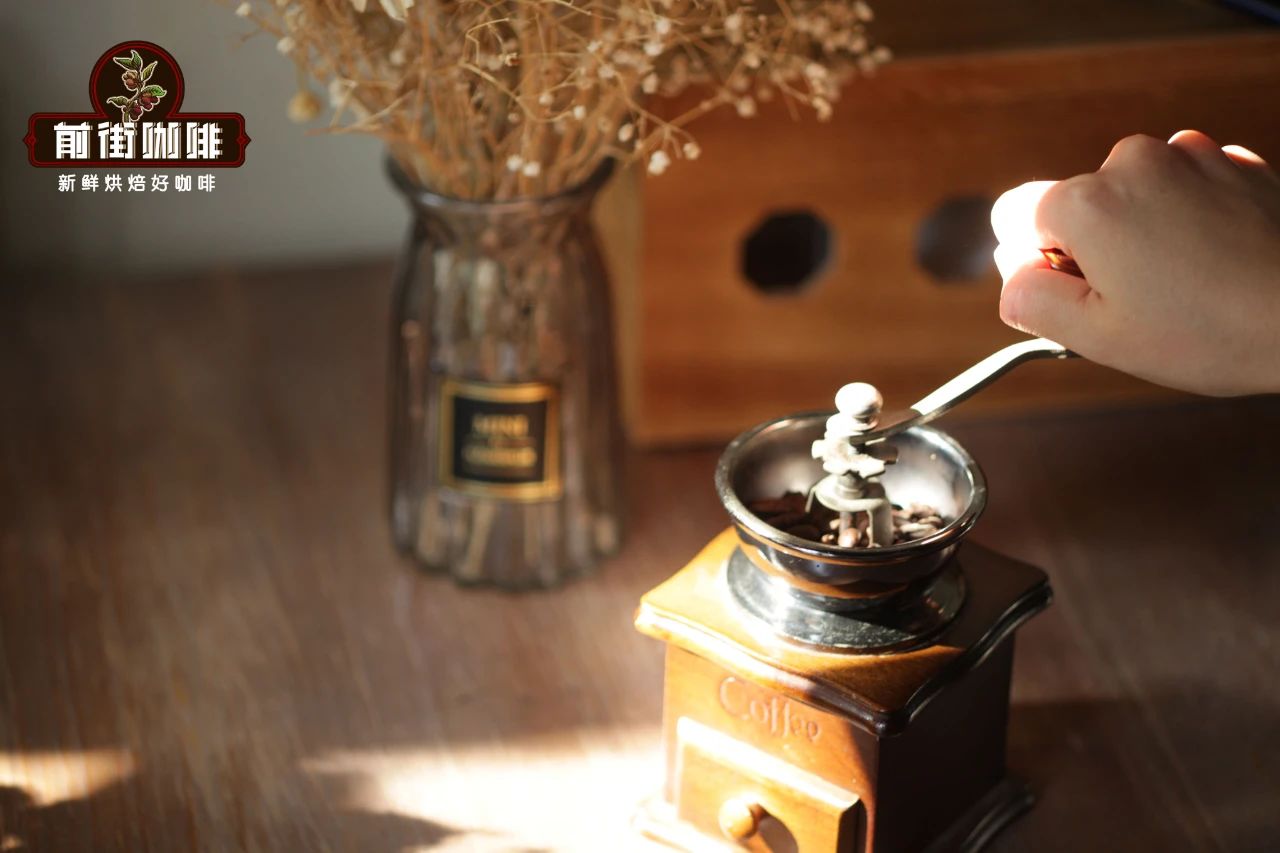
Anyone who has ground coffee by hand knows the feeling: some beans give way with almost no effort, while others take real muscle. The same thing happens with electric grinders - some beans are done with a quick whir, others seem to take forever.
What Causes This?
The first thing most people blame is bean density. Denser beans are harder and tougher to grind, while less dense beans are softer and relatively easier.
Bean density is set during growth. Coffee grown at higher altitudes faces lower temperatures, which slows its growth rate and lets more substances accumulate in the seeds - the coffee beans - so their mass density is higher. This is also why some Central American origins grade coffee by altitude hardness: in Costa Rica, for example, coffee grown above 1,400 meters is classified SHB, Strictly Hard Bean.
Put another way, grinding Ethiopian beans from 2,000 meters above sea level is harder than grinding Brazilian beans from an average of 1,000 meters. But while density does affect how easily coffee grinds, it isn't the primary factor. There is another property at play: brittleness.
Brittleness
Brittleness is the opposite of toughness - the tendency to fracture under external forces such as tension and compression. Put a raw bean, a light-roast bean, and a dark-roast bean on a table and press them with your fingers: the raw bean and the light roast are very hard to break, while the dark roast crushes easily. That is brittleness.
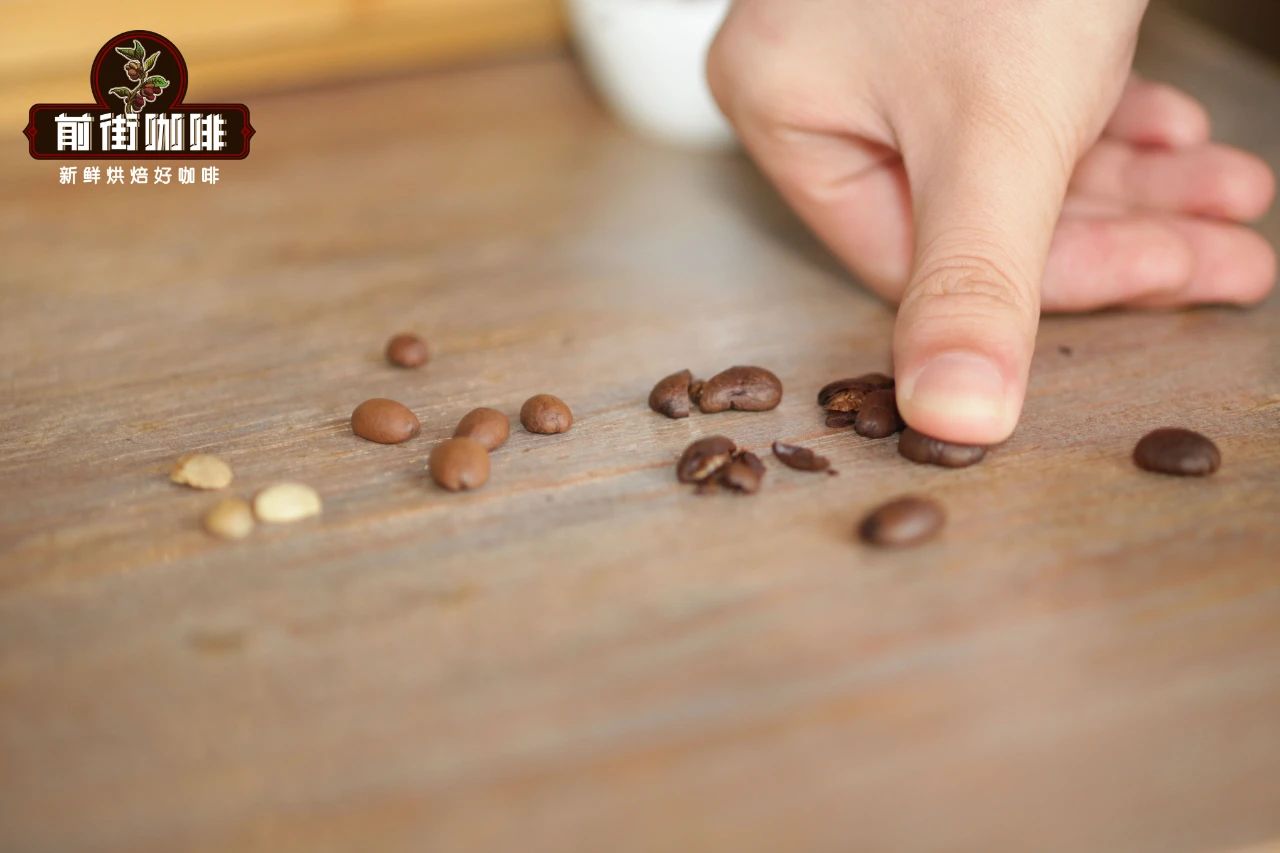
This ties back to roast degree. The whole roasting process is a process of dehydration. The longer coffee roasts, the more moisture evaporates, and the more porous its internal structure becomes. The deeper the roast, of course, the easier it is to grind and break apart.
How Does Brittleness Affect Grinding?
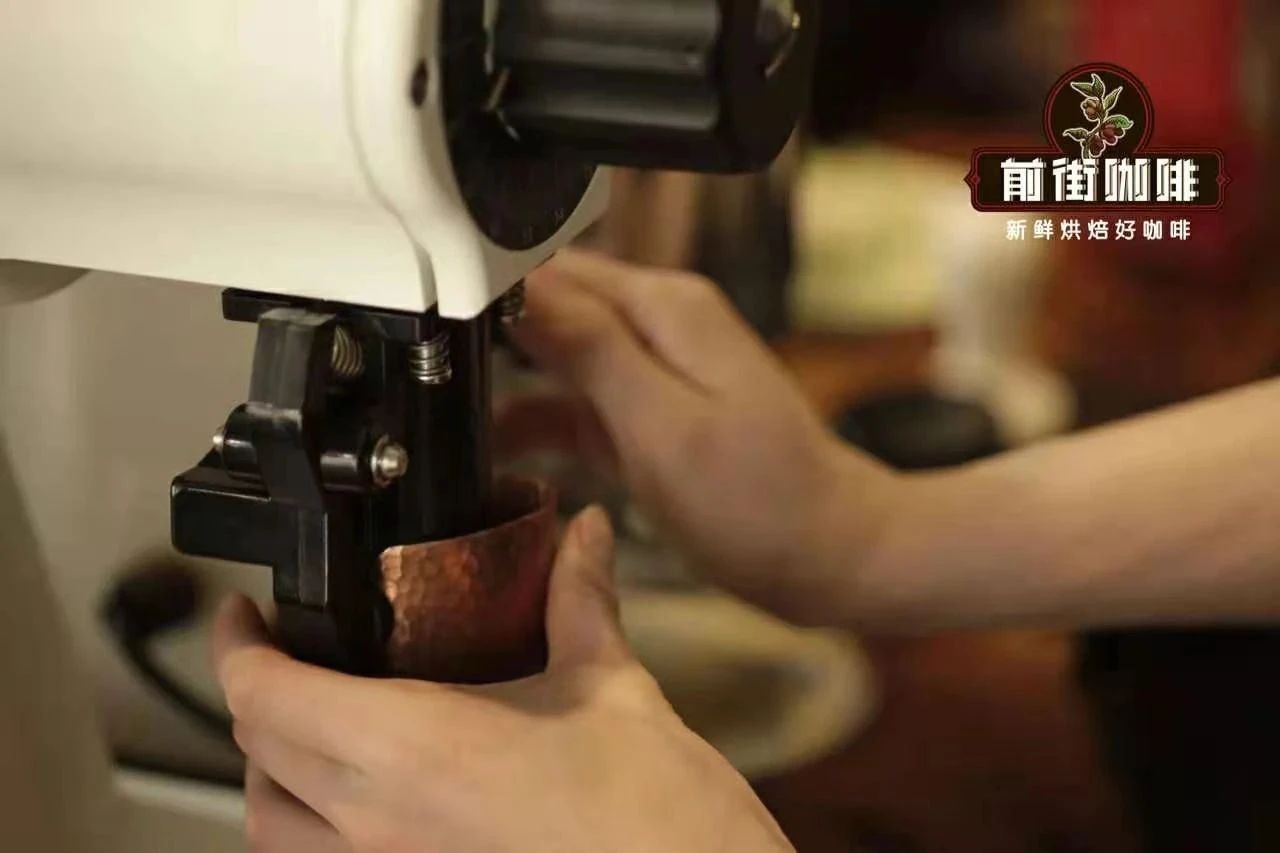
We know dark-roasted beans grind more easily and light-roasted beans are more challenging. Look at the microscopic side of grinding: when coffee is ground, it experiences compression between the two burrs and a cutting force as the burrs rotate. At the same grinder setting, dark-roasted beans are crushed more readily, so their median particle size is smaller than a light roast's. In other words, at the same setting, dark roast grinds finer overall than light roast.
How Does This Help With Brewing?
1. Grinder Settings Are Not Absolute
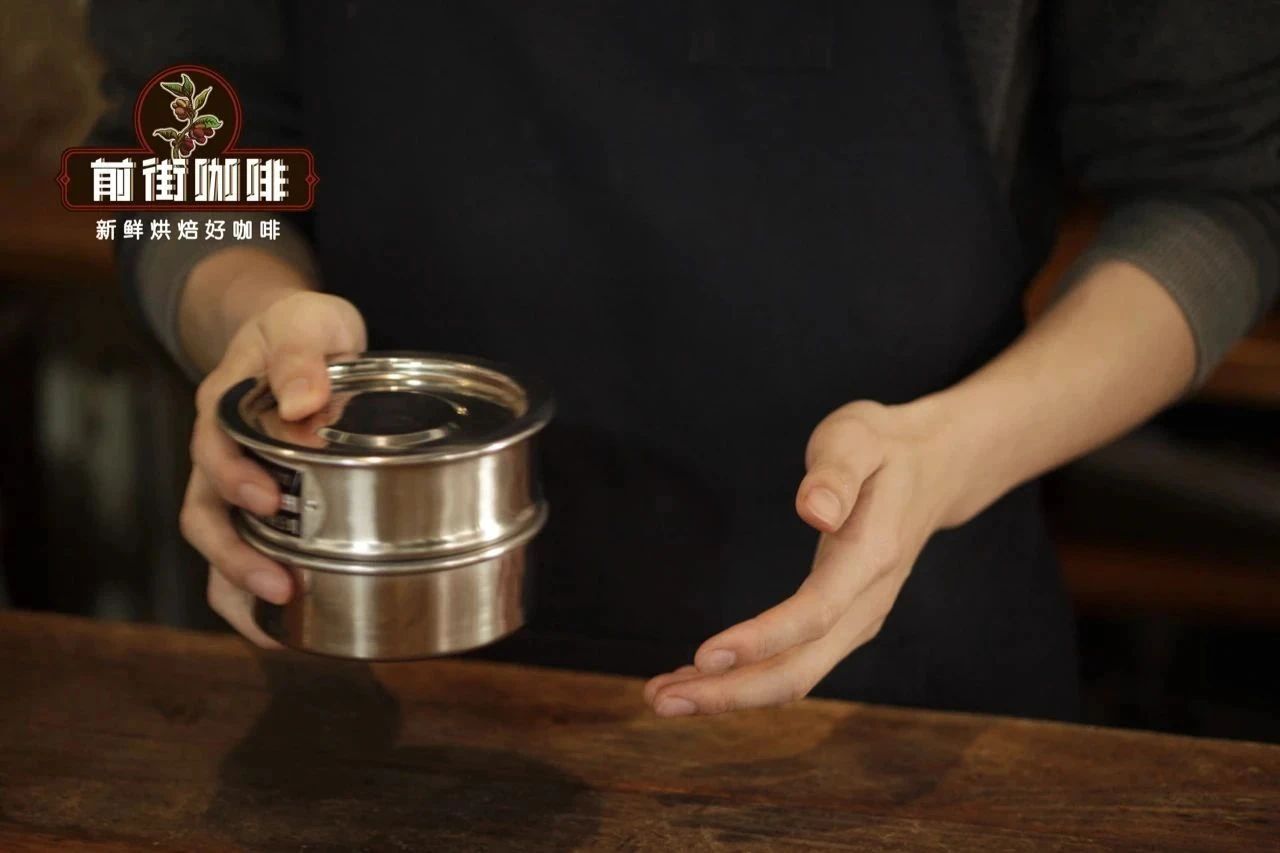
Because bean brittleness differs, the same grinder setting won't always produce the same particle size. That is why we need to check the grind for each coffee. FrontStreet Coffee calibrates with a #20 standard sieve, using an 80% pass rate for hand-pour grinding of light-roasted beans. Because substances in dark roast extract more easily, dark roast needs a coarser grind - roughly a 70% pass rate through a #20 sieve.
Above all, it's essential to understand the relationship between your grinder's settings and particle size.
2. Clean Your Grinder More Diligently
Dark-roasted beans produce more fine particles, which easily remain in the burrs and can affect the flavor of the next cup. So after grinding one type of bean, be sure to clean out the fines left in the burrs. FrontStreet Coffee runs a small amount of the same coffee through the grinder first to "clean the burrs."
FrontStreet Coffee Recommendation
Bean density and brittleness vary by origin, and Brazil is a useful case in point. FrontStreet Coffee's Brazil Cerrado Red Bourbon is a classic Brazilian single-origin: a Red Bourbon grown in the well-known Cerrado region on a semi-washed (pulp natural) process. A medium roast brings out cream peanut, toasted bread, caramel, and hazelnut aromas, with a round body, low acidity, and a mild bitterness, and it works for pour-over, moka pot, espresso SOE, siphon, and French press.
For a Brazilian Yellow Bourbon, FrontStreet Coffee Brazil Queen Estate comes from Mogiana, near South Minas, where the fertile red volcanic soil gives the cherries plenty of nutrients. The variety is the rare Yellow Bourbon, a natural mutation of Red Bourbon with a cleaner fruit character, and across pour-over, moka pot, and home espresso machines it shows a sugarcane sweetness and fruit and chocolate notes other regions don't offer. Whether you grind coarse for a French press or fine for espresso, use these as a reminder to reset your grinder for each bean rather than trusting a single number.
Important Notice :
FrontStreet Coffee is a long-established specialty coffee roaster in Guangzhou China, selling freshly roasted beans from its own farm in Yunnan as well as dozens of carefully selected single-origin beans from around the world for both pour-over and espresso. The products deliver consistently excellent quality and great value, with shipping within 24 hours. Guangzhou's FrontStreet Coffee shop is recommended by many coffee lovers, and the beans are now available online at the Tmall 。
FrontStreet Coffee has moved to a new address:
FrontStreet Coffee Address: 315,Donghua East Road,GuangZhou
Tel:020 38364473
 Scan and follow the En Gafei WeChat official account. Please indicate that the reprint comes from "En Gafei".