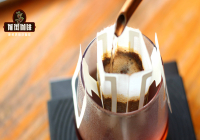
What is Cold Brew Coffee? How to Make Cold Brew Iced Coffee? How Long Does Cold Brew Take? Cold Water or Hot Water?
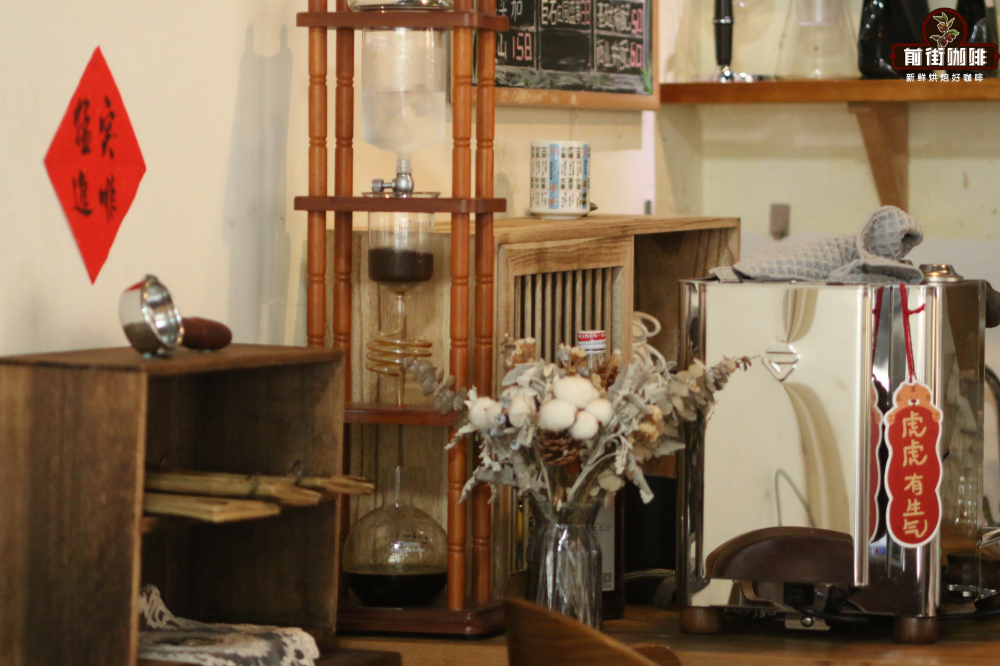
Cold brew coffee is one of the drinks we reach for most often on hot summer days. Standing in front of FrontStreet Coffee's blackboard, looking at the wall of coffee varieties, all that knowledge about growing regions can suddenly slip away and leave you unsure where to start. This time, let FrontStreet Coffee introduce you to the world of cold brew coffee.
What is Cold Brew Coffee?
Cold brew coffee is completely different from regular hot brewing. Taken literally, cold brew uses low-temperature water to extract coffee. But perhaps because iced pour-over coffee or iced Americano are served as ice plus coffee, FrontStreet Coffee has met plenty of people who mistakenly treat iced pour-over as cold brew.
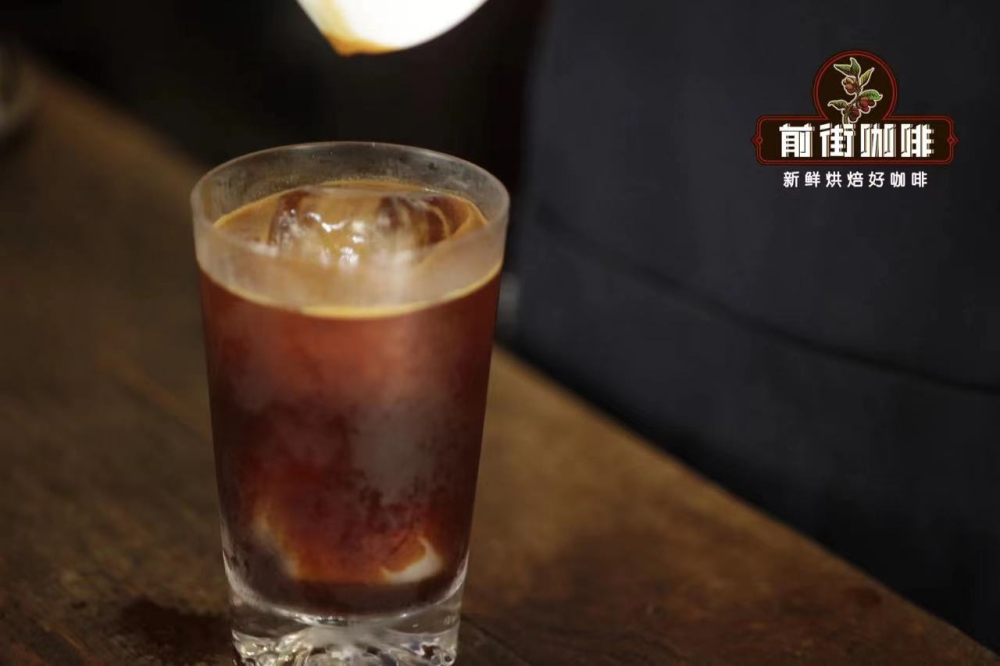
To tell clearly what cold brew really is, you only need to look at the water temperature used during extraction. Cold brew typically uses room-temperature water or even water close to 0°C. This means that whether it is an iced Americano or an iced pour-over, even though it is served cold, hot water still meets the coffee grounds during extraction, so neither counts as cold brew.
Cold brew can be roughly divided into two types by production method. One is cold brew in which the grounds are fully soaked in low-temperature water for an extended extraction; the other is ice-drip coffee, where ice water drips drop by drop onto the coffee grounds.
At FrontStreet Coffee's stores, equipment limits mean the cold brew range offers only ice-drip coffee.

The key point of cold brew is very low temperature. One concept to understand first: coffee beans contain 30% soluble substances, but making coffee is simply a process of extracting some of the better-flavored ones. The higher the water temperature, the faster the various soluble substances are released. Acidic substances move fastest, followed by sweet substances, while bitter substances move slowest. Rising temperature also increases the total amount of these flavor substances.
Conversely, when the water temperature is very low, extracting a given amount of flavor takes longer. That is why, if you want to taste ice-drip coffee made from a specific coffee at FrontStreet Coffee's store, you need to place an order two days in advance.
What Coffee Beans Are Suitable for Making Cold Brew Coffee?
During cold brew production the water temperature is relatively low, and once the grounds meet the water the release of flavor substances slows markedly, which also reduces the extraction of some larger-molecular-weight bitter compounds and lets the coffee's sweet and sour flavors come forward.
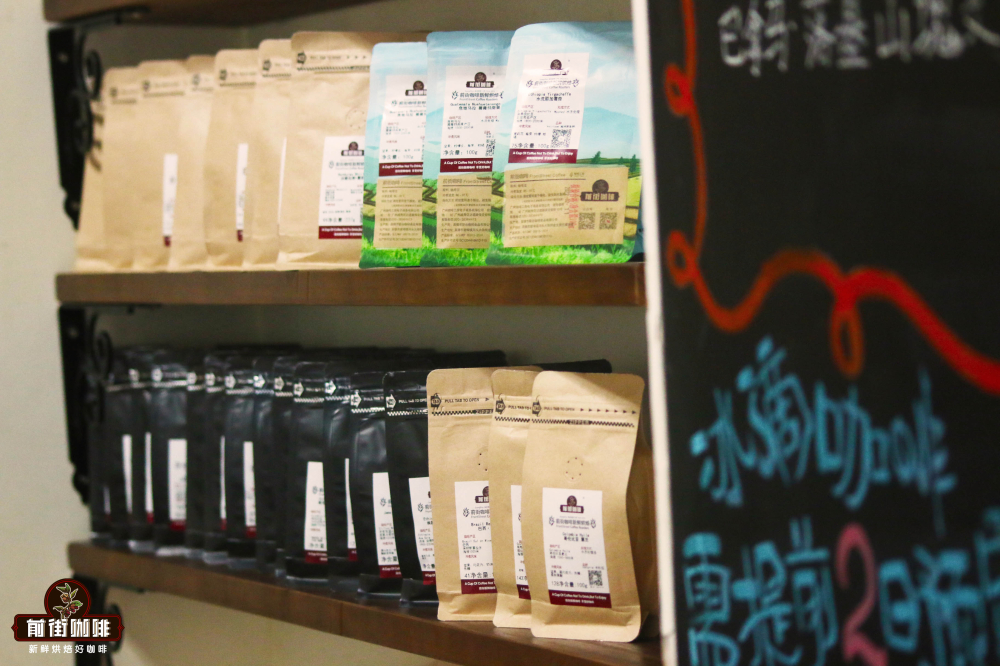
For this reason, FrontStreet Coffee suggests lighter roasted beans with good acidity, such as Kenya, or beans with a prominent, distinctive flavor, such as Honduras Sherry.
FrontStreet Coffee's Process of Using Honduras Sherry Coffee Beans to Make Ice-Drip Coffee
Next, FrontStreet Coffee will use Honduras Sherry coffee beans as an example to explain the cold brew process. First, let FrontStreet Coffee introduce this bean.
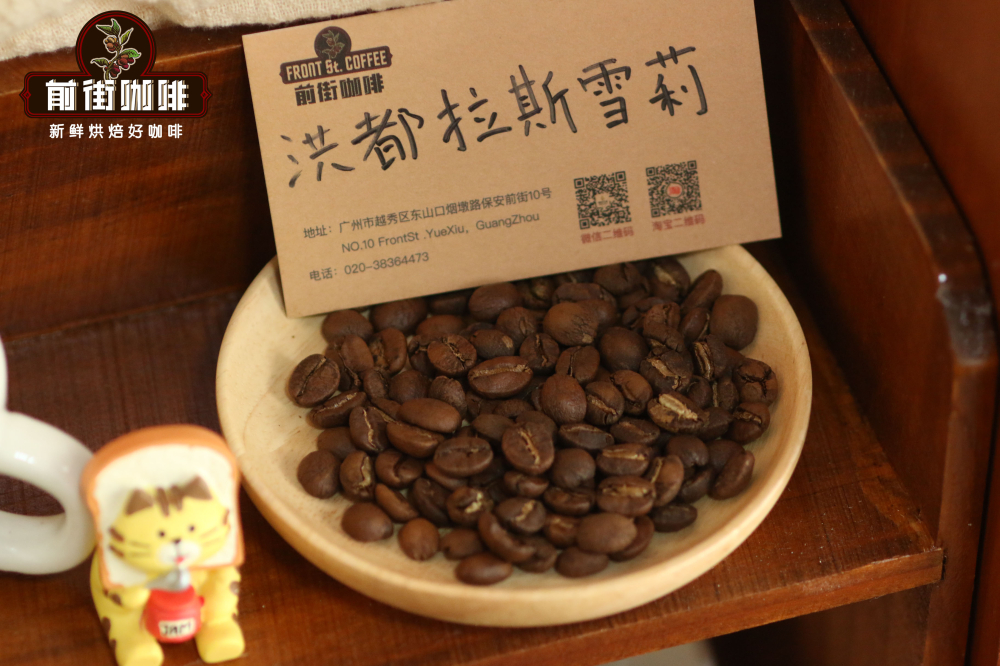
Honduras Sherry coffee beans use a processing method of refined washed plus Sherry whiskey barrel fermentation. Cleaned parchment beans are placed in Sherry whiskey barrels for low-temperature fermentation for 30 to 40 days, letting the aromatics from the barrels penetrate the raw beans. Finally the beans are spread evenly to dry in a cool place, so the aromatics do not break down into an unpleasant wine acidity from excessive heat in direct sunlight.
In the world of whiskey, malt is germinated, dried, ground, mashed, and fermented, and the distilled liquid is then put into barrels for long aging. About 75% of whiskey's flavor comes from the aging barrels, and using different woods or barrels soaked in different liquids for aging produces different flavors. Among the various whiskeys, sherry cask whiskey has won over a large following of both connoisseurs and beginners with its rich, sweet flavor. Because FrontStreet Coffee's Honduras Sherry beans are fermented at low temperature in Sherry whiskey barrels, they inherit some of that Sherry sweetness.
When FrontStreet Coffee developed the roasting curve, the Honduras Sherry beans were roasted to a medium degree to preserve the gentle acidity of Central American beans.
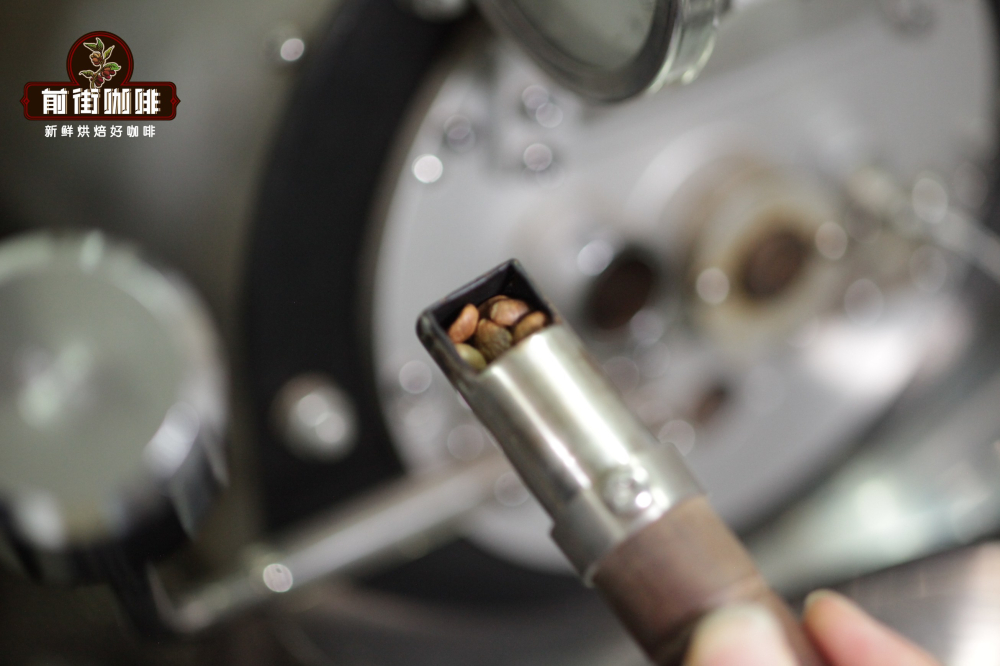
FrontStreet Coffee cupped the roasted Honduras Sherry and found rich vanilla and cream flavors, a gentle berry acidity, and, once the berry acidity faded, a distinct oak barrel aroma.
Coffee amount: 60 grams
Coffee-to-water ratio: 1:10
Water temperature: 0°C - 4°C
Time: 6-8 hours
Grind size: 85% pass rate through China No. 20 standard sieve
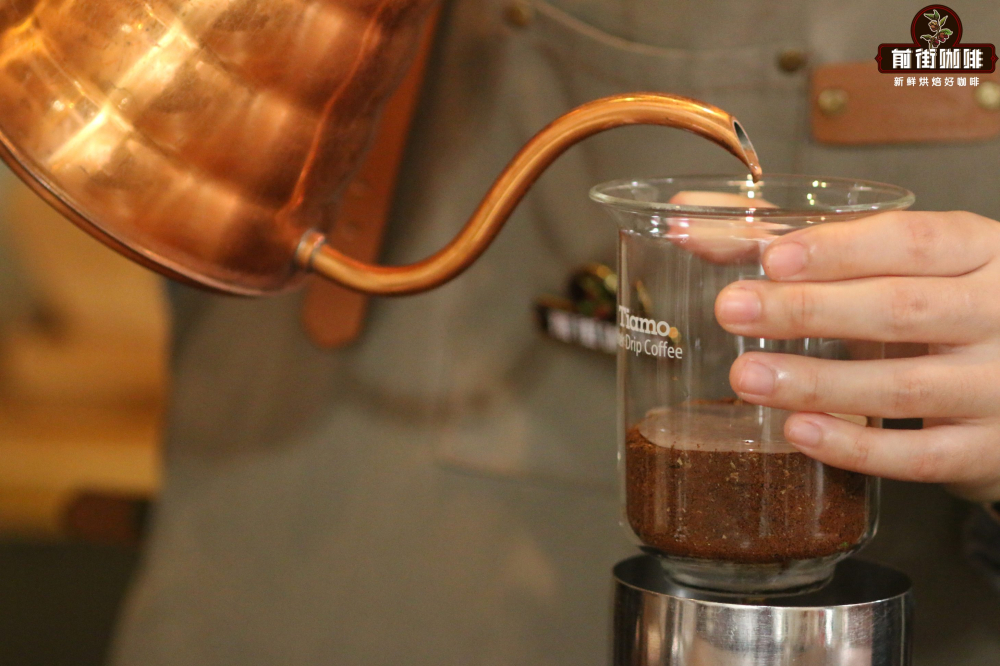
Use 60 grams of coffee grounds to extract 600 milliliters of coffee liquid, a cold brew ratio of 1:10. On grind size, because the water meeting the grounds is cooler than in regular pour-over, a slightly finer setting than pour-over is chosen, which by the No. 20 sieve gives a pass rate around 85%. The ice-to-water ratio is approximately 1:1, and the throttle valve controls the flow at 7 drops per 10 seconds. A moistened filter paper is placed on top of the coffee bed for more even extraction. The whole extraction takes approximately 6-8 hours. Once extraction is complete, the coffee liquid is bottled and refrigerated for 12 hours before drinking.
After a night of fermentation, the ice-drip coffee made with Sherry beans has a distinct berry acidity along with the rich sweetness of chocolate, nuts, and dried fruit found in Sherry whiskey, a heavy mouthfeel, and a fermented character.
How Long Can Cold Brew Coffee Be Stored?
Since cold brew takes a long time to make, some people prefer to make it in batches and store it for later, and the question of how long it keeps troubles many of them.

FrontStreet Coffee suggests that freshly made cold brew be stored in sealable containers and kept refrigerated.
Once cold brew is extracted and sealed for storage, the coffee liquid begins to ferment. As time goes on, the fermented flavor grows richer until it eventually tastes spoiled. FrontStreet Coffee's records show that on the fifth day of refrigeration after making cold brew, the coffee flavor fades and is replaced by a strong fermented sensation. For safety, FrontStreet Coffee suggests drinking cold brew within one week of finishing extraction.
FrontStreet Coffee Recommendation
Cold brew strengthens floral and fruity notes while muting woody and roasted ones, so a light-to-medium roast shows off its character best. FrontStreet Coffee's Strawberry Candy Geisha blend is a strong cold brew choice: Geisha brings classic florals and fresh fruit acidity, while the Costa Rican honey-processed component adds grape, raisin, and strawberry candy sweetness, so the cold brew is bright and lively, and with a little fermentation it takes on a fruit-wine quality.
If you want a floral iced coffee, FrontStreet Coffee's Huakui is the one to buy. It comes from Ethiopia, the birthplace of coffee, and because it is natural processed the beans absorb plenty of sweet aromatic compounds from the fruit and skin. Cold brewed, it shows magnolia, cream strawberry, dried mango, guava, and black tea notes.
For a full, juicy cold brew, FrontStreet Coffee's Kenya Cherry Tomato leads with its cherry tomato, pear, black plum, and smoked plum sweet-tart character, which comes through fully at low temperature; the bitterness is low, the acidity is full, and it is especially refreshing over ice with a long-lasting aroma. It comes from Kenya's Thika region and uses the carefully selected SL28 and SL34 varieties, whose complex berry aroma is drawn out by the local K72 double washed process, and a medium-light roast turns the precursor aromatics into richer, more layered fruit. Because cold brew generally uses more grounds, FrontStreet Coffee also suggests a value-minded blend: taking the passion fruit, grape, apricot, and dried fruit sweetness of the Colombia Sidra and adding FrontStreet Coffee's Costa Rica Tarrazu at a 1:2 ratio, so the cold brew keeps the Sidra's floral and fruit notes and the Tarrazu's clean citrus acidity while going further on cost.
Yirgacheffe remains the most representative African coffee for many drinkers, and the washed version is bright and clean with a friendly price and wide range of uses, working in pour-over, siphon, French press, or cold brew alike. FrontStreet Coffee's Giddingding cooperative is the most representative washed Yirgacheffe and a fine choice for cold brew, showing sweet berries, good layering, and honeyed flavors.
Important Notice :
FrontStreet Coffee is a long-established specialty coffee roaster in Guangzhou China, selling freshly roasted beans from its own farm in Yunnan as well as dozens of carefully selected single-origin beans from around the world for both pour-over and espresso. The products deliver consistently excellent quality and great value, with shipping within 24 hours. Guangzhou's FrontStreet Coffee shop is recommended by many coffee lovers, and the beans are now available online at the Tmall 。
FrontStreet Coffee has moved to a new address:
FrontStreet Coffee Address: 315,Donghua East Road,GuangZhou
Tel:020 38364473
 Scan and follow the En Gafei WeChat official account. Please indicate that the reprint comes from "En Gafei".