Why is Gesha called Gesha? Stop calling it "Geisha" - The Historical Development Story of Gesha Coffee Beans
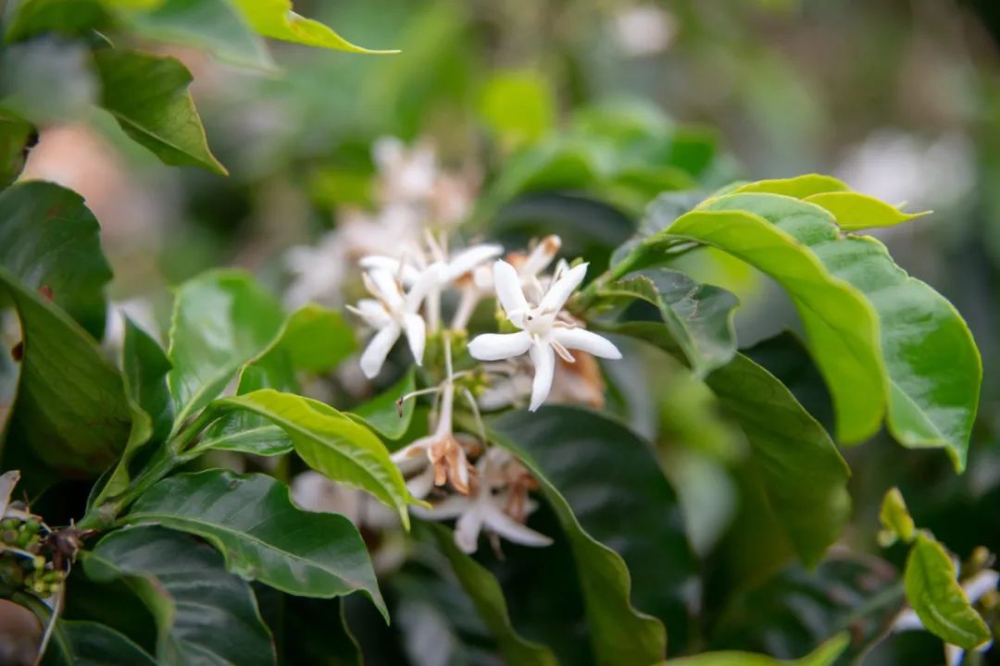
Ever since the Geisha variety won the 2004 Best of Panama (BOP) with the highest score in specialty coffee, it has never left the top of the conversation. The variety has repeatedly shattered auction price records, carried baristas to competition victories, and captivated coffee lovers worldwide with its unique, elegant, fresh flavor profile.
As more people meet Geisha coffee for the first time, they start researching it — which is how you found this article! Along the way you may have noticed that Geisha beans go by more than one name. Whichever name is used, they all point to the same variety: Gesha. So where did the two names come from?

The older name stuck first because when Japanese drinkers first encountered the variety, "Gesha" sounded exactly like the Japanese word for geisha. Taiwan then learned of the coffee through Japanese contact and adopted that reading as its Chinese name. Meanwhile, the mainland's translation was coined by Mr. Yuan, the China representative of the green bean company Menglu.
Why change it? According to FrontStreet Coffee's research, the original reading led many coffee merchants to decorate packaging and promotions with Japanese geisha imagery — a pairing that was, frankly, inappropriate, since the coffee has no connection to the performing art beyond a similar sound.
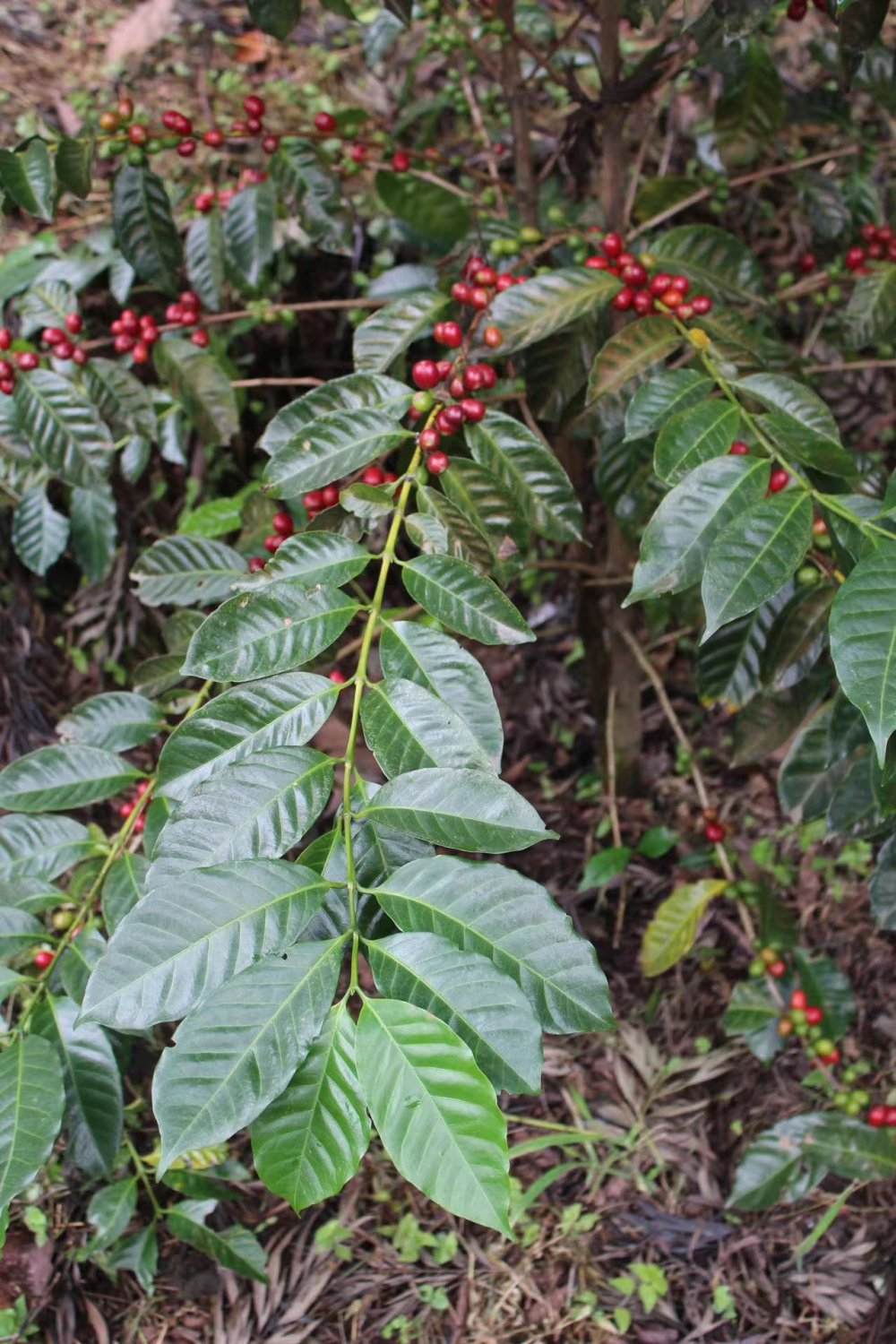
Changing the translation meant newcomers would no longer assume the coffee was named after the Japanese geisha tradition, that no orientalist imagery would be attached to its marketing going forward — and that this delicately flavored, sophisticated variety would get a more poetic name worthy of it.
The Origin and Discovery of Gesha Coffee
The Gesha variety was first "discovered" in southwestern Ethiopia in the 1930s by British colonial explorers. At first it went unnamed, recorded simply as samples collected from Gesha Mountain. The variety was then taken to research stations in Kenya and Tanzania, where its excellent resistance to coffee leaf rust came to light — and from there it was brought to Panama for coffee variety research and improvement.
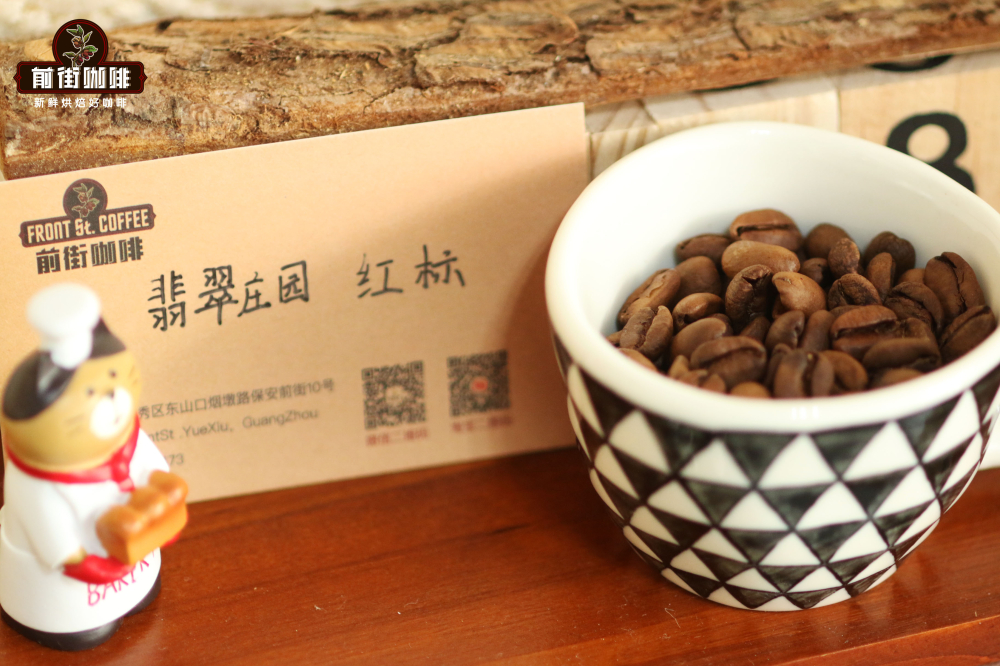
Not until 2003, when the Peterson family — managers of Panama's Hacienda La Esmeralda — cupped the harvest from a concentrated plot, did they notice some beans tasting slightly different from the rest of the estate, with singular citrus and floral notes. They separated that batch for special processing, and in 2004 decided to process the cherries from these unusual trees on their own and enter them in competition. They won the 2004 BOP championship with very high scores.
That championship lot fetched $21 per pound at auction — an extraordinary price in 2004. After the win, the Petersons ran a genetic trace on the beans, confirming the variety was identical to plants collected from Gesha Mountain in Ethiopia, and so the name Gesha was settled.
The Global Expansion of Gesha Coffee
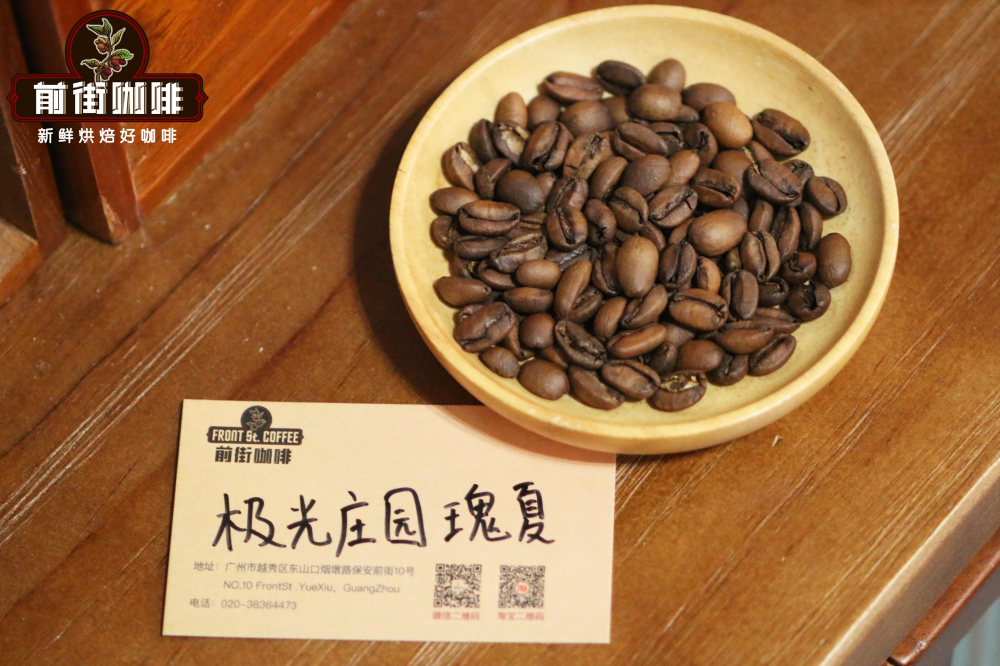
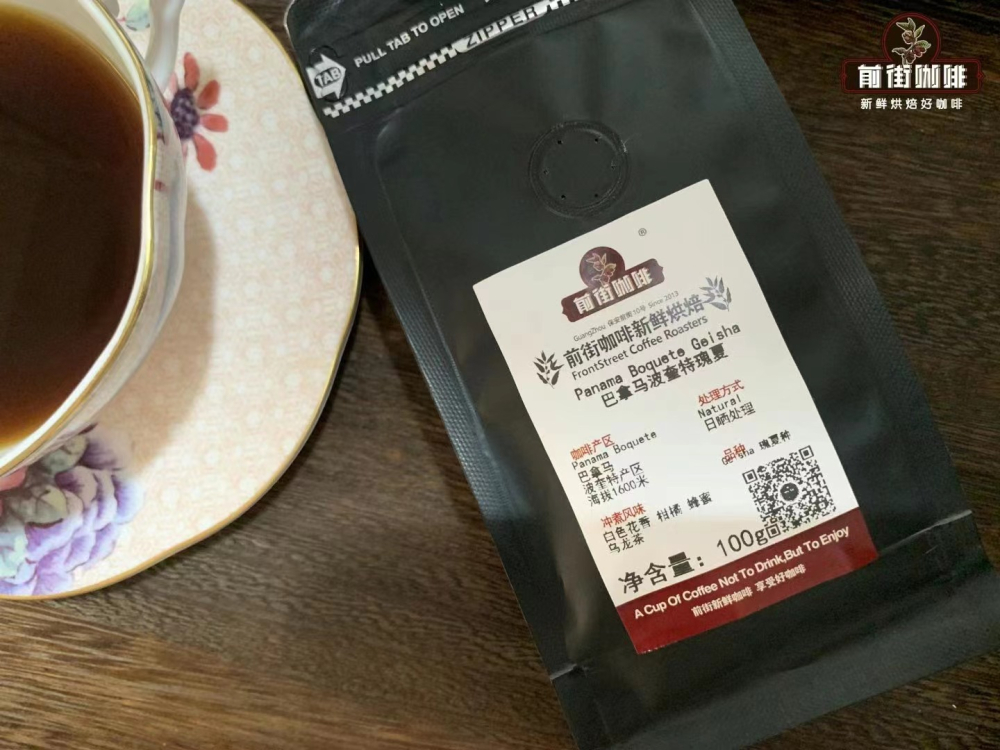
As Gesha's fame grew, the variety spread beyond Hacienda La Esmeralda to other parts of Panama, and many estates built their names competing with it: Elida Estate, Aurora Estate, Deborah Estate, Nuguo Estate. Gesha grown in neighboring regions performs beautifully too — and while it may lack the polish of estate-level lots, beginners can comfortably start with regular Panamanian Gesha, such as the Boquete-region beans FrontStreet Coffee offers. (Little secret: Hacienda La Esmeralda sits in Boquete too!)
Brewing Guide for Gesha Coffee
So you have some in hand — excellent! How should such an elegant coffee be brewed? Gesha grows at high altitude, where wide day-night temperature swings give the beans ample time to develop flavor. The beans are therefore relatively hard and prone to sinking and clogging a dripper's drainage holes. FrontStreet Coffee recommends a grind where 78% passes a Chinese standard #20 sieve — roughly the size of fine granulated sugar.
Brewing parameters: 15g of coffee, a small Hario V60 dripper, and a 1:16 coffee-to-water ratio. The slightly larger water volume keeps the extraction rate up while adjusting the coffee's concentration to between 1.15%-1.25% — the optimal range for tasting the coffee at its best. Keep the water temperature at 91°C.
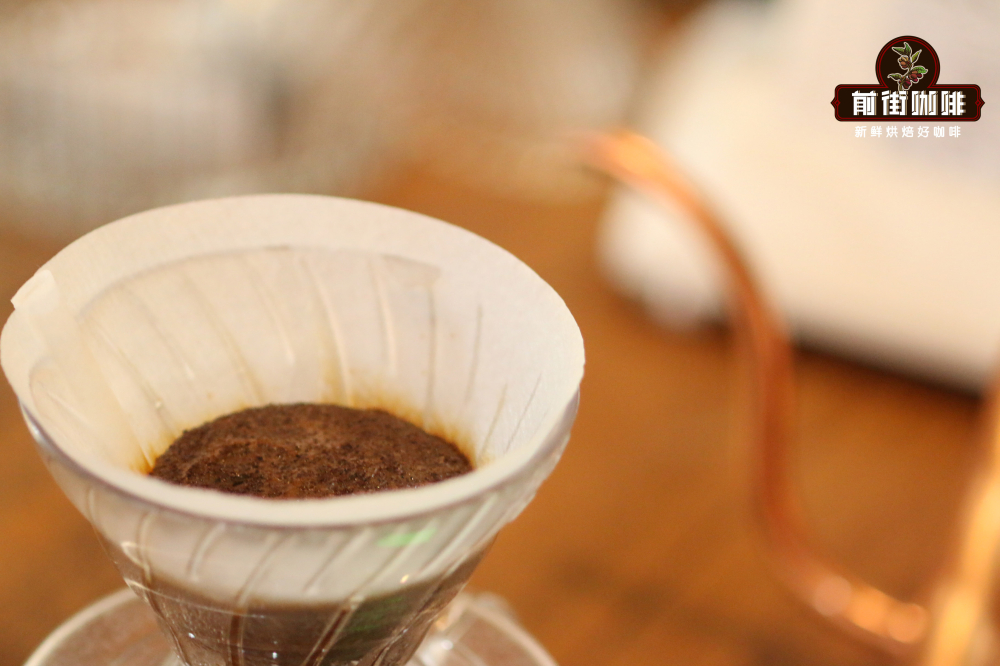
Then brew in three stages: start the timer, pour 30g of water and bloom for 30 seconds; begin the second stage with small circular pours to 125g; once the water level drops to half, continue with small circles to 225g. After full filtration, the total extraction time should run approximately 2 minutes 10 seconds to 2 minutes 20 seconds.
Tasting Notes
Panama Boquete Gesha, brewed this way: citrus, white floral notes, a green tea sensation, and honey.
FrontStreet Coffee Recommendation
For a first taste of the variety, FrontStreet Coffee's Boquete Geisha is the ideal entry point — an affordable Panama lot that delivers the classic orange-blossom honey aroma, oolong-tea sweetness, and fine fruit acidity of high-quality Panamanian Gesha, with cleanly layered flavors. Ready for estate level? The FrontStreet Granana Estate Gesha from Ethiopia is roasted medium-light to keep its pleasant white florals while spotlighting orange, guava, and citrus acidity and a clearer, more delicate finish. Brew either one as FrontStreet Coffee does its Geishas: 15g on a small V60 at 1:16, 91°C water, a grind with 78% passing a #20 sieve, and three pours to 30g, 125g, and 225g for a total extraction of about 2:10-2:20.
Important Notice :
FrontStreet Coffee is a long-established specialty coffee roaster in Guangzhou China, selling freshly roasted beans from its own farm in Yunnan as well as dozens of carefully selected single-origin beans from around the world for both pour-over and espresso. The products deliver consistently excellent quality and great value, with shipping within 24 hours. Guangzhou's FrontStreet Coffee shop is recommended by many coffee lovers, and the beans are now available online at the Tmall 。
FrontStreet Coffee has moved to a new address:
FrontStreet Coffee Address: 315,Donghua East Road,GuangZhou
Tel:020 38364473
 Scan and follow the En Gafei WeChat official account. Please indicate that the reprint comes from "En Gafei".