Typica Coffee and Bourbon Coffee: How to Identify Different Coffee Varieties

An Introduction to Coffee Varieties
You may or may not know what a coffee tree looks like — what a Typica tree looks like, or how to recognize a Bourbon. Coffee varieties number in the hundreds, and how they differ is not always obvious. Beyond flavor and cup profile, the plants themselves are physically distinct.
And it isn't just the trees: even the flowers vary in appearance from variety to variety. Let's walk through the identifying features of the major ones.
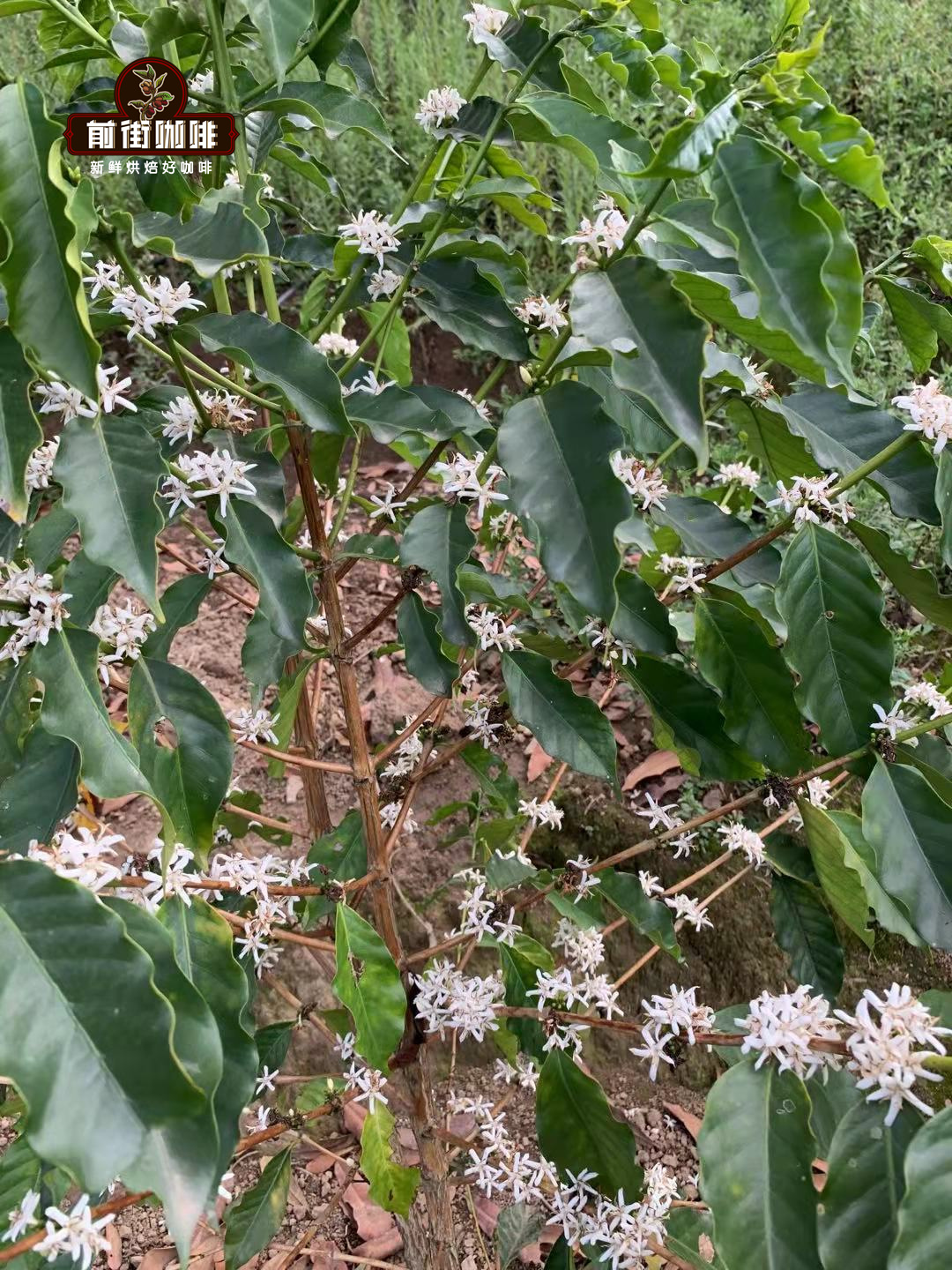
How to Tell Coffee Varieties Apart
There are hundreds of coffee varieties, yet roughly 70% of world production is Arabica. Arabica is more delicate than Robusta, but its taste and aroma make it far more attractive to most drinkers. Within Arabica, a handful of varieties dominate specialty and commercial planting. FrontStreet Coffee relies on physical characteristics — phenotypes — to identify plants, though never as the sole reference.
The traits to look at are: plant size (tall or compact), leaf-tip color (green or bronze), plant shape (conical or round), leaf shape (elongated or wide), the shape and size of cherries and beans (elongated, round, or otherwise; small, medium, large, or very large), cherry color (red, yellow, orange, even pink), branch angle, internode spacing between branches (short or long), and node spacing along a branch (short or long).
You rarely need every trait at once — many varieties announce themselves through a single distinctive feature.
Typica: Field Characteristics
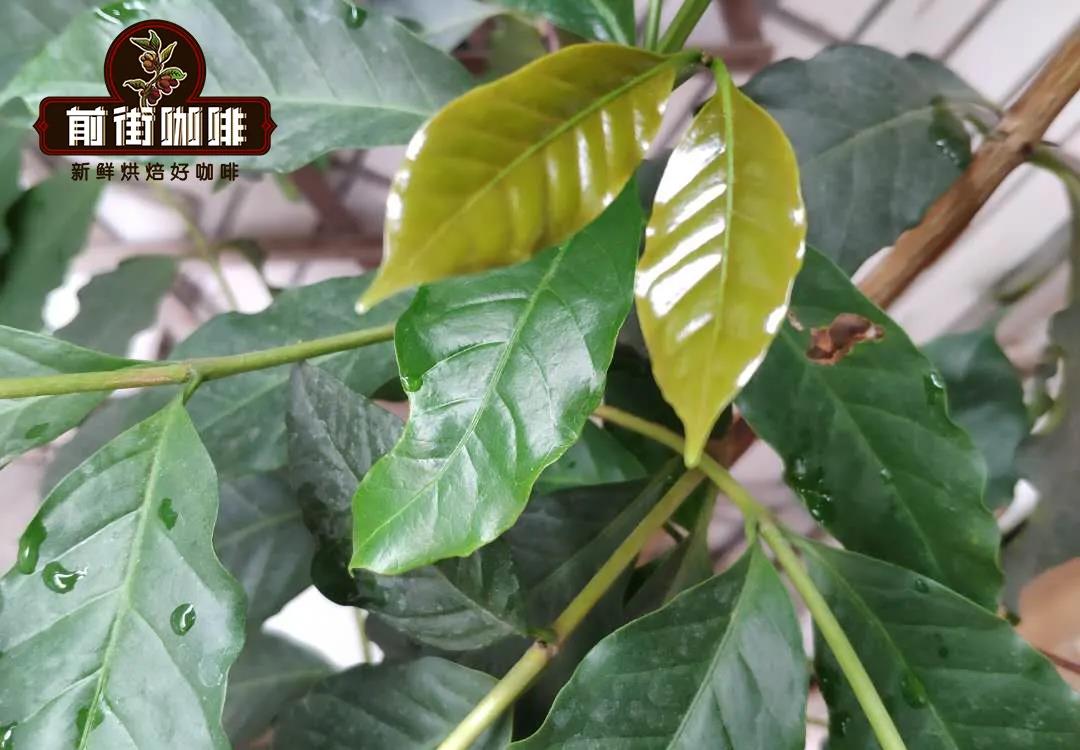
Typica is distinctive and probably the easiest variety to identify. The plant forms a cone around a single vertical trunk that can reach 5 meters — a height that signals longer spacing between branches, and between nodes along a branch, than in most other varieties.
The lateral branches leave the trunk at angles of 50 to 80 degrees. Neither trunk nor branches are particularly thick. Leaves, cherries, and beans are typically elongated, and young leaf tips come in bronze. Compared with other Arabicas, the leaf surface is smoother, with fewer wavy edges. Typica cherries ripen to a bright red.
Bourbon: Field Characteristics

Bourbon matches Typica in size and conical form but grows denser, with more secondary branches. The trunk is thicker and the branches sturdier, making the plant more robust than Typica; branch and node spacing run slightly shorter. All that density means Bourbon out-yields Typica by about 30%.
The leaves are broader than Typica's, with wavy, uneven edges. Young leaves are usually green, occasionally tipped in bronze. The cherries are round, ripening to shades of red, orange, or yellow.
Caturra: Field Characteristics

Many varieties descend from Bourbon and Typica. Caturra is a natural Bourbon mutation, far shorter and markedly denser than its parent: tighter branch spacing on the trunk and a wealth of secondary branches make it more compact than either Typica or Bourbon.
Beyond that, its traits track Bourbon's: large wavy-edged leaves with green tips, round average-sized cherries that ripen to red or yellow.
Catuai: Field Characteristics

Catuai is a deliberate cross of Mundo Novo and Caturra — and just as Caturra is a Bourbon mutation, Mundo Novo is a Typica mutation, so Catuai carries traits of both lines. The plant is relatively short, with lateral branches meeting the main limbs at tight angles. Secondary branches are rare at the top, giving Catuai an umbrella-like silhouette where Typica and Bourbon form cones.
Catuai's leaves are wavy with typically green tips. The fruit clings firmly to the branch — a valuable trait in windy, rainy regions.
Pacamara: Field Characteristics

Pacamara is a cross of Pacas and Maragogipe, bred by El Salvador's Coffee Research Institute (ISIC) in 1958. It is not considered a stable variety — plants vary from one generation to the next — yet it has been widely developed.
Pacas is another Bourbon mutation; Maragogipe is a Typica mutation with enormous cherries, a trait it passed to Pacamara. Fruit size and the distinctive pointed leaves make Pacamara easy to spot; those leaves may carry green or bronze tips. The plant is compact and conical, with short branch and node spacing that makes it dense. The thick, less flexible trunk and branches recall Bourbon's.
Geisha: Field Characteristics

The world's most fashionable variety is easy to identify by branch angle and plant shape. Geisha's branches stretch skyward at 45 to 50 degrees at the top. The plants are tall with wide branch and node spacing, and thin trunks and branches somewhat like Typica's. The leaves are smooth and elongated, and the cherries elongate in the same way. In our experience the obvious tell between Geisha and Typica is the crown: Geisha opens into a flat, umbrella-like top, while Typica holds its cone.
Ripe Geisha cherries cup utterly unlike other varieties — citrus, sweetness, and jasmine-like florals. Coffee varieties differ not only in flavor and profile; they are visually different plants, too.
FrontStreet Coffee Recommendation
Want to taste the two ancestral varieties side by side? FrontStreet Brazil Cerrado Red Bourbon shows the Bourbon line at its most classic: at a medium roast it pours out cream-roasted peanut, toasted bread, caramel, and hazelnut aromas, round and non-acidic on the palate with just a light bitter edge — equally happy in a pour-over, moka pot, espresso SOE, siphon, or French press.
Then try FrontStreet Brazil Fazenda Rainha (Queen Estate) Yellow Bourbon from Mogiana, where fertile red volcanic soils feed unusually aromatic cherries. A mutation of Red Bourbon with cleaner fruit character, it offers a sugarcane sweetness found nowhere else, layered with fruit and chocolate notes — a delicious lesson in how one variety's mutation can taste.
Important Notice :
FrontStreet Coffee is a long-established specialty coffee roaster in Guangzhou China, selling freshly roasted beans from its own farm in Yunnan as well as dozens of carefully selected single-origin beans from around the world for both pour-over and espresso. The products deliver consistently excellent quality and great value, with shipping within 24 hours. Guangzhou's FrontStreet Coffee shop is recommended by many coffee lovers, and the beans are now available online at the Tmall 。
FrontStreet Coffee has moved to a new address:
FrontStreet Coffee Address: 315,Donghua East Road,GuangZhou
Tel:020 38364473
 Scan and follow the En Gafei WeChat official account. Please indicate that the reprint comes from "En Gafei".