Pour-over Coffee Beginner's Guide: Three-Stage Segmented Extraction Principle & Coffee Flavor Characteristics
Introduction
The joy of pour-over lies in using different techniques to give coffee a character of its own. Among those techniques, three-stage extraction is one of the most common. When you brew, have you ever wondered what the three pours are actually for?
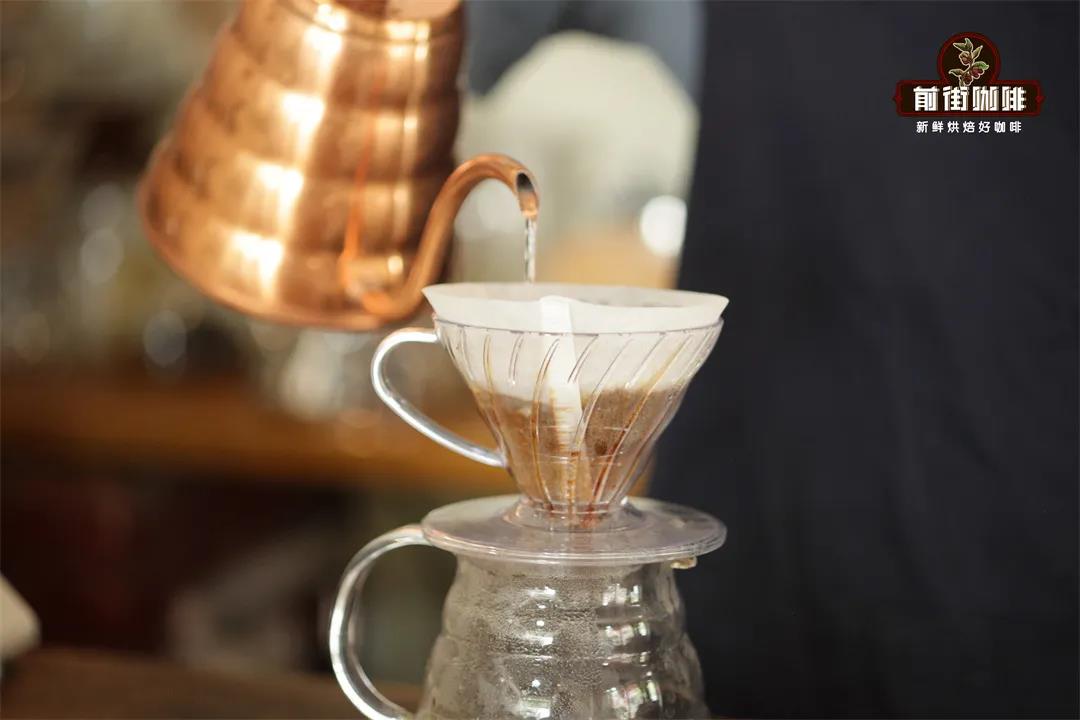
What Is Three-Stage Extraction?
Put simply, three-stage extraction divides the pouring process into three parts, including the first bloom. The advantage is that it extracts flavor compounds more completely and builds the coffee's layered complexity. Why is that?
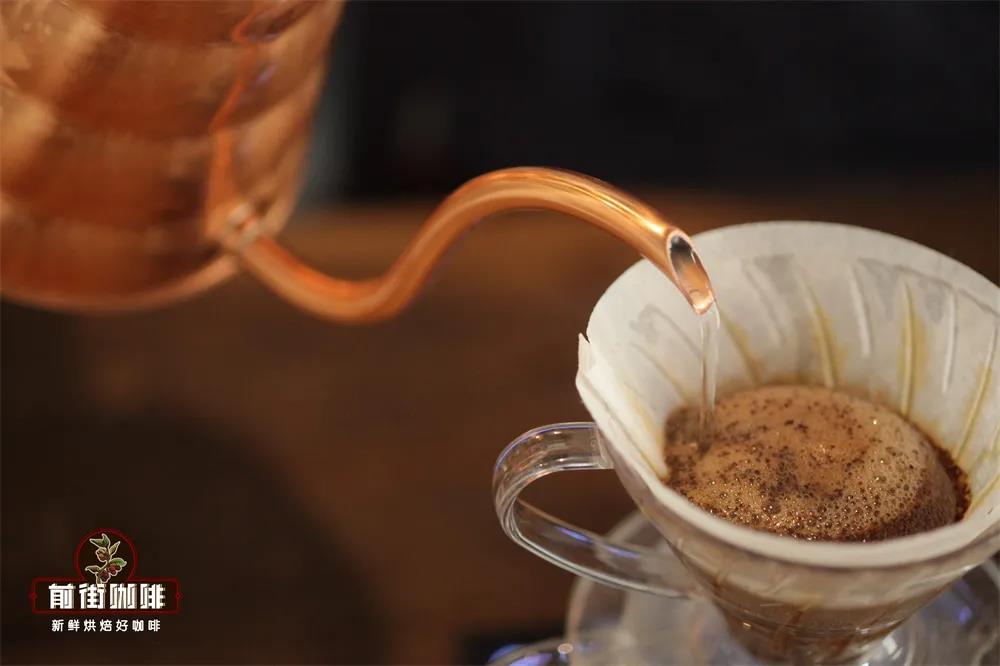
Temperature Changes During Segmented Extraction
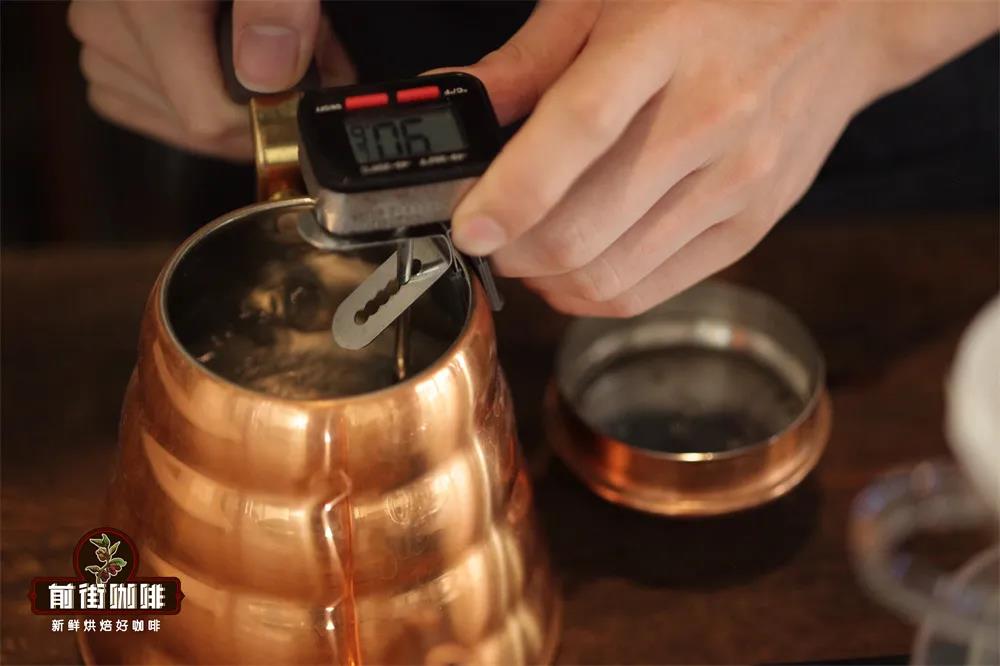
Start with a question: if you are brewing with 90°C water, is the water still 90°C when it reaches the grounds? FrontStreet Coffee ran a test on segmented brewing temperature. Using 90°C water for a three-stage brew, the first-stage bloom water measured about 86°C, the second stage about 85.3°C, and the third stage around 84.5°C.
After water at those different temperatures is poured onto the grounds, the grounds themselves behave like this: after the first pour, room-temperature grounds heat up rapidly, to about 86.2°C. After 30 seconds of blooming, they cool noticeably, to about 78°C. After the second pour they heat up substantially again, to about 84.5°C, then drift down slightly to about 84°C. After the third pour they warm a little more, to about 84.3°C.
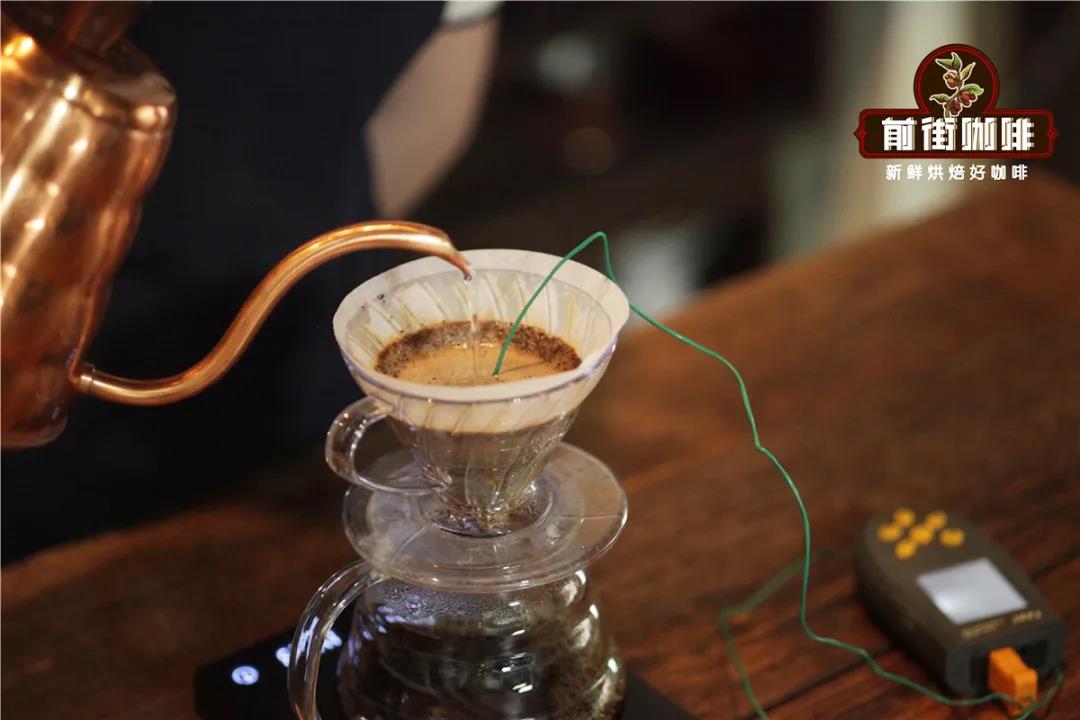
What this shows is that although the brewing water cools with each stage, the grounds experience stepwise heating. They heat up when water is poured, cool down when pouring stops, and heat up again at the next pour. And different soluble flavor compounds extract at different temperatures.
What Extracts at Each Temperature Stage?
The first stage, the bloom, does more than soak the grounds evenly and release most of the carbon dioxide. It is also the most important step for extracting coffee's acidity. Acidic aromatic substances such as citrus and berry notes are released during the first stage.
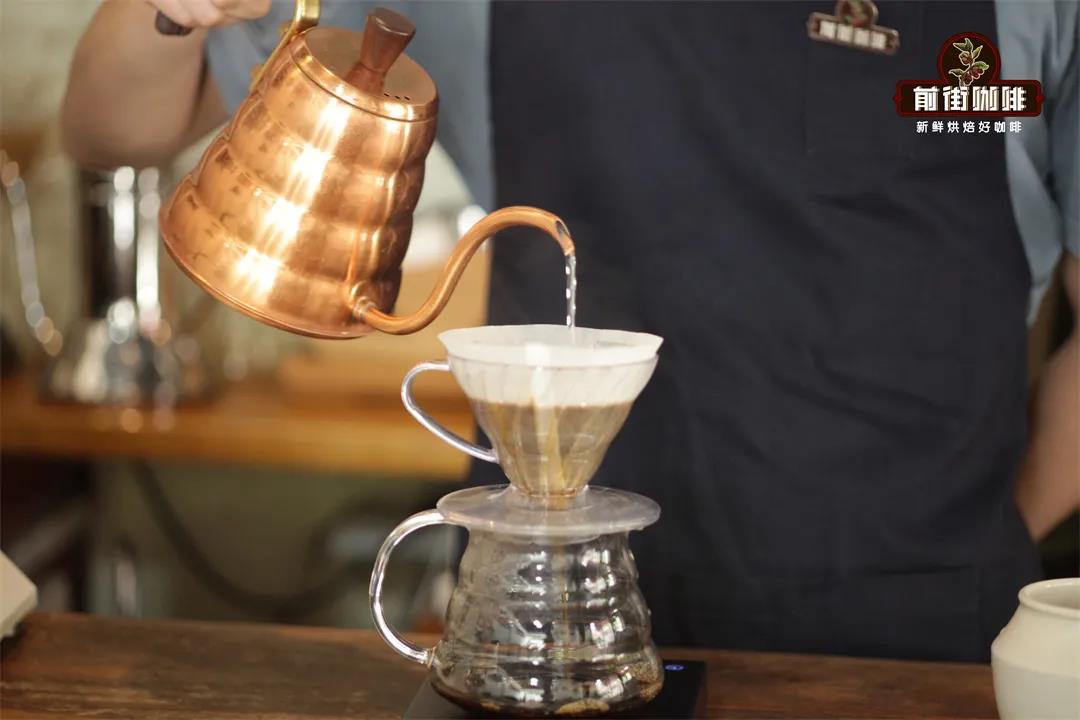
The second stage is mainly responsible for extracting sweetness. Fewer flavor compounds come out here, and whatever acidity remains from the first stage finishes extracting. Sweet substances, such as sucrose sweetness, fruit sweetness and tartness, and tea-like sweetness, are released during the second stage.
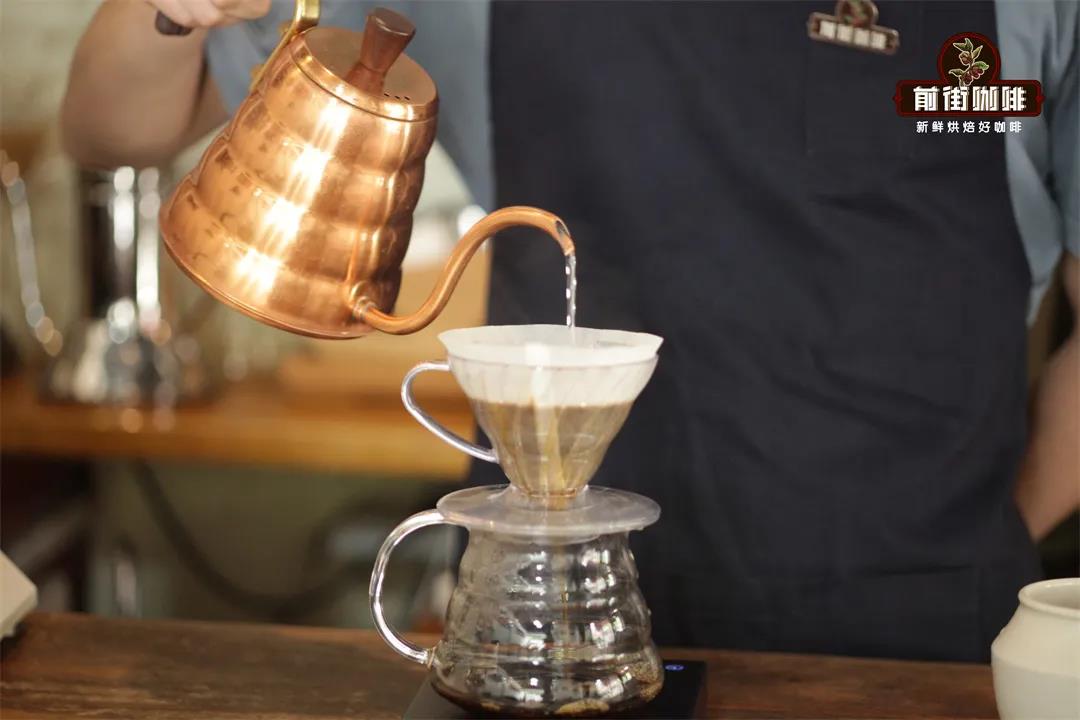
The third stage mainly extracts the rich, body-building compounds. Because the water temperature is no longer as high as in the first stage, it also effectively limits some less pleasant flavors such as woody notes. The third stage mostly builds overall richness, releasing roasted flavor compounds like nuts and cocoa.
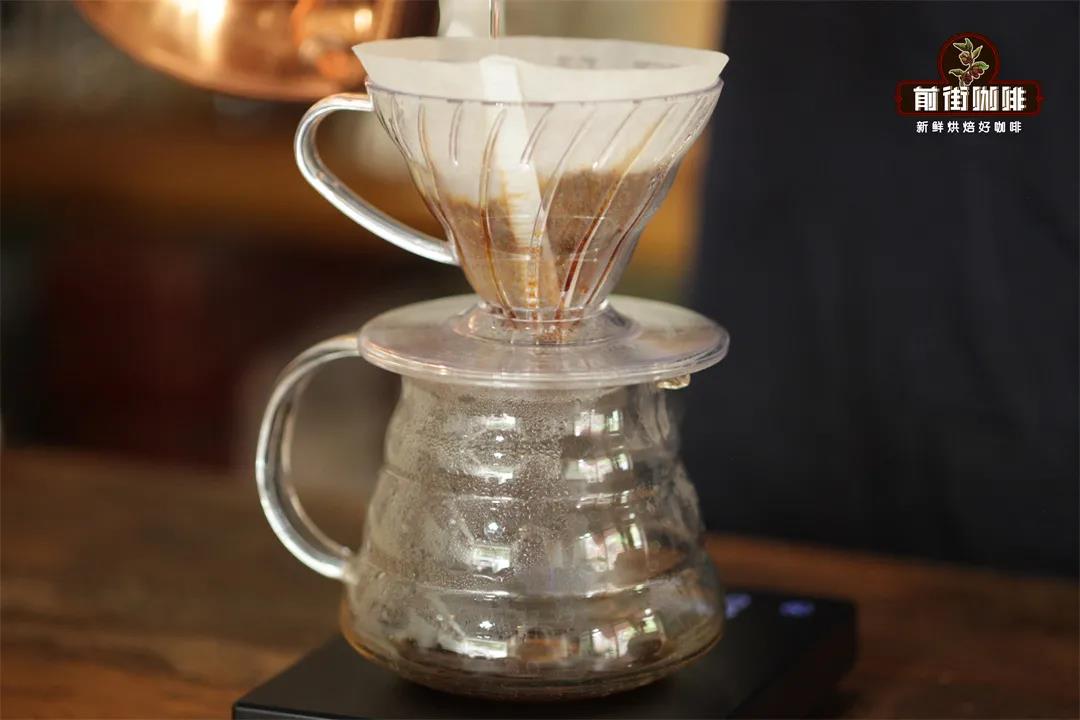
How Do You Divide the Three-Stage Pour?
Using FrontStreet Coffee's daily production standard of 15g of grounds and a 1:15 brewing ratio as the example: first, use 30g of water for a 30-second bloom, pouring at an average rate of 4g/s in a circular pattern from center to outer edge and back to center, at 4 seconds per circle. Pour to 125g and stop. Wait until the grounds have dropped to half their height, then begin pouring the same way to 225g and stop. Once all the liquid in the dripper has flowed into the server, remove the dripper and the extraction is finished.
FrontStreet Coffee Recommendation
Three-stage pouring rewards beans with clarity and structure. FrontStreet Coffee's Ethiopia Yirgacheffe Gotiti Cooperative is the benchmark: white-flower sweetness, bright citrus acidity, jasmine fragrance, and a green-tea finish, and the staged pours let its floral top notes and honeyed middle read distinctly. FrontStreet Coffee's Ethiopia Huakui, with its cream-strawberry, guava, and mango character, also opens up beautifully under segmented pouring.
If you prefer more weight and sweetness, FrontStreet Coffee's Kenya Cherry Tomato, a washed Kenyan bean from Thika at 1550-1750 meters with SL28 and SL34 and a 72-hour double washed fermentation, gains both a bright cherry tomato acidity and a syrupy mid-palate from the three stages. FrontStreet Coffee's Colombia Finca El Diviso Sidra, an anaerobic natural roasted medium-light, is another bean whose passion fruit, grape, and apricot layers respond well to the technique.
For brewers who want a touch of floral elegance, FrontStreet Coffee's Strawberry Candy Gesha Blend and FrontStreet Coffee's Boquete Gesha both show their white coffee-flower aroma and citrus-honey sweetness most clearly when the water is poured in stages. FrontStreet Coffee's Natural Yunnan Typica, meanwhile, is a good everyday example of how the same three-stage method can bring out preserved-fruit sweetness and a tea-like finish.
Important Notice :
FrontStreet Coffee is a long-established specialty coffee roaster in Guangzhou China, selling freshly roasted beans from its own farm in Yunnan as well as dozens of carefully selected single-origin beans from around the world for both pour-over and espresso. The products deliver consistently excellent quality and great value, with shipping within 24 hours. Guangzhou's FrontStreet Coffee shop is recommended by many coffee lovers, and the beans are now available online at the Tmall 。
FrontStreet Coffee has moved to a new address:
FrontStreet Coffee Address: 315,Donghua East Road,GuangZhou
Tel:020 38364473
 Scan and follow the En Gafei WeChat official account. Please indicate that the reprint comes from "En Gafei".