Negative Impacts of Coffee Bean Market Futures Price Fluctuations on the Coffee Industry Chain
Recently, volatility in the coffee bean market has made participants throughout the coffee supply chain nervous.
On the surface, a rise in coffee prices looks like good news for coffee farmers. The reality is not so simple. Soaring and sharply fluctuating prices have long-term negative effects on many cooperatives and small-scale farmers.
When coffee futures prices hit lows, as they did during most of 2018, 2019, and 2020, a rebound was predictable. Such volatility, however, often drives participants across the supply chain, including roasters, importers, exporters, and growers, to take severe measures, which in turn worsens the price swings.
Consequences of Rising Prices
What consequences have followed the rise in New York coffee futures prices? How will it affect countries such as Peru, Brazil, Indonesia, Burundi, and Rwanda, which are about to enter or are currently in their harvest seasons?
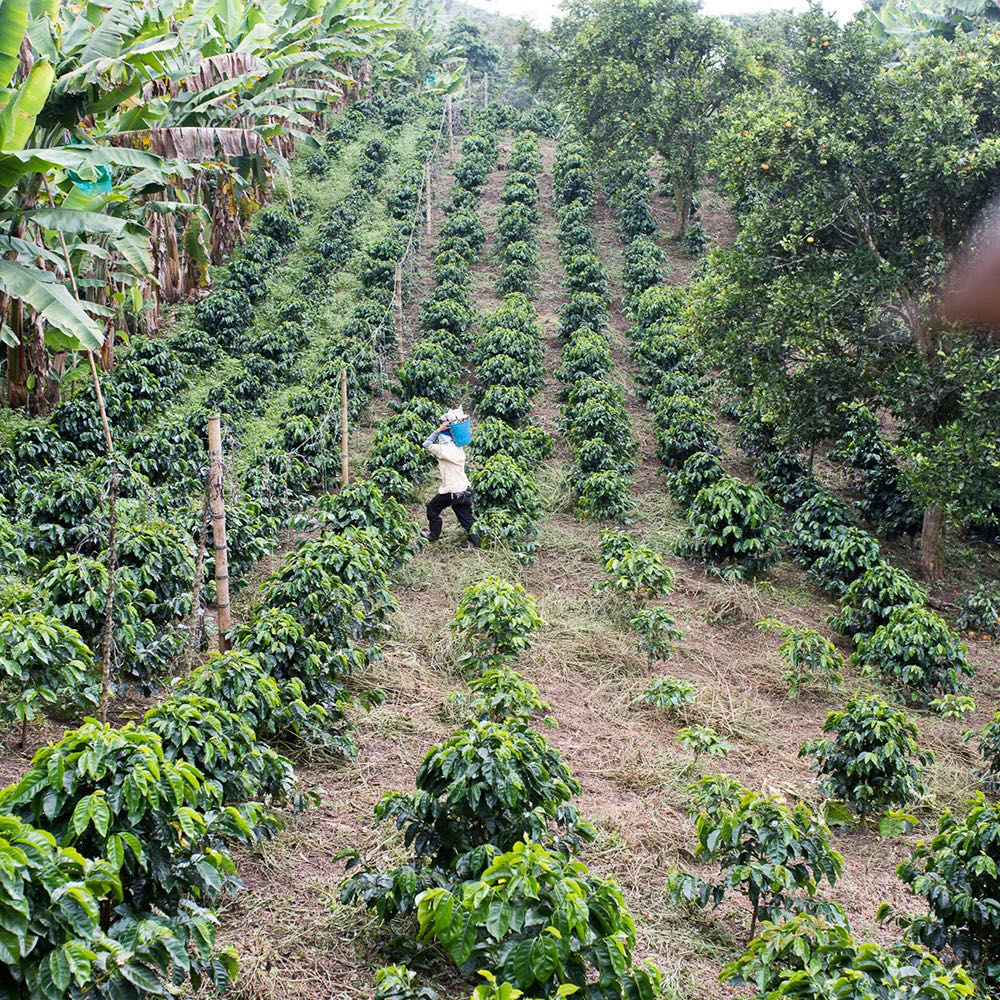
1. Reduction in forest area. Stimulated by rising prices, growers expand their planting areas into primary forest to raise yields quickly and earn more. During the time the plants need to grow, however, prices will still rise and fall many times over.
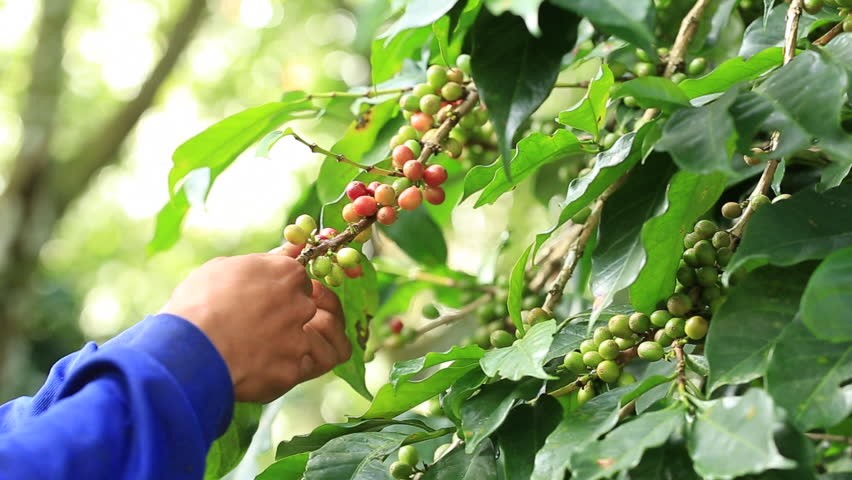
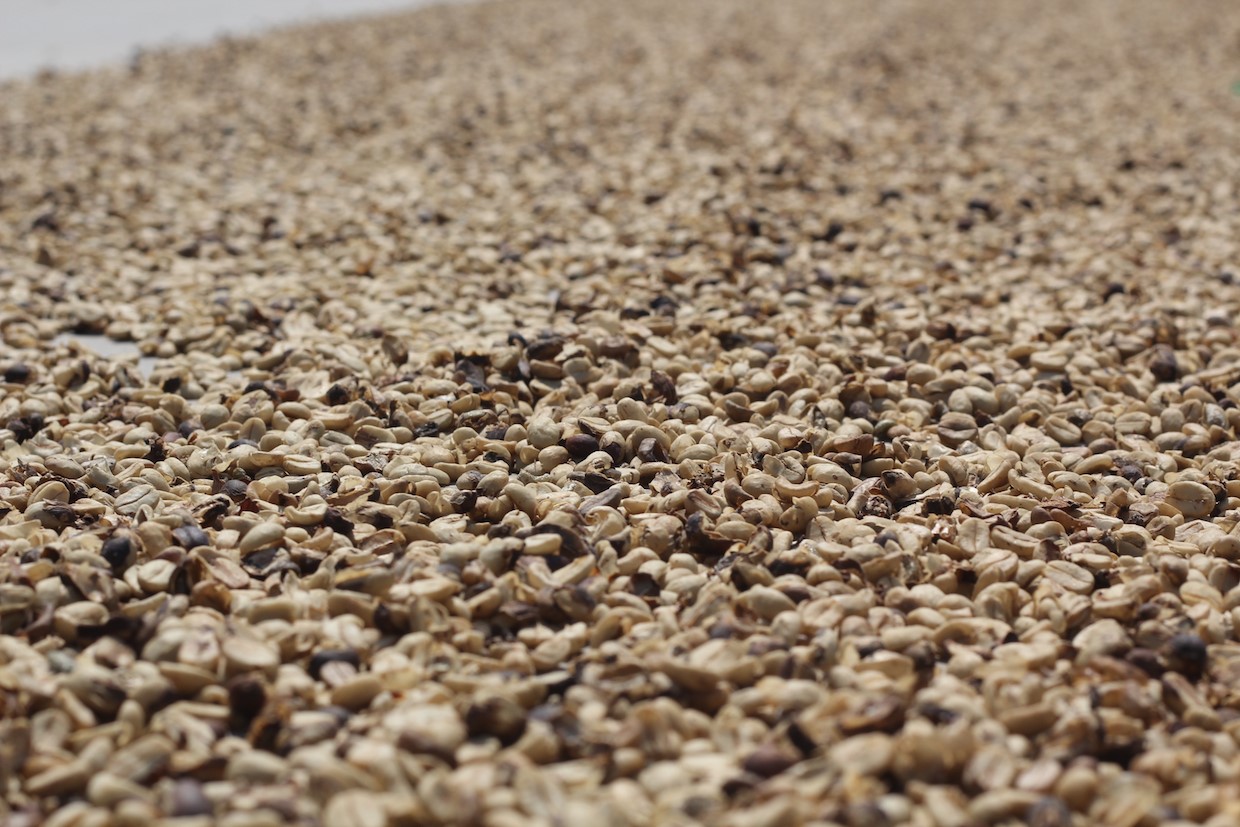
2. Coffee quality suffers. When market prices rise, farmers harvest cherries as quickly as possible and send them to processing plants to capture the high price. Racing against the market shortens the time spent selecting cherries, encourages rapid strip-picking, and increases the odds of harvesting unripe fruit. Because the price difference between carefully selected ripe cherries and lots mixed with unripe ones is too small, farmers have little incentive to spend time selecting.
3. Private buyers become more competitive. Because private buyers have substantial funds and can pay higher prices immediately, cooperatives often struggle to obtain parchment coffee (unroasted beans still covered by the parchment layer) from their members.
As early as 2015, this issue was raised in an article about price risk management tools.
Independent smallholder organizations need to pay farmers the current local coffee commodity price to obtain cherries. If they do not pay it, farmers will sell to someone else. The wages that coffee estates pay workers, however, are not tied to the current commodity price, so their risk exposure is much lower. That also lets many estates sign fixed-price contracts, protecting themselves from market increases.
When the market is stable, cooperative members rely more on the cooperative for support and benefits. Stable prices encourage farmers to select cherries during harvest, which improves quality, which in turn supports consistent prices, so cooperative members come out ahead. When prices swing sharply, the opposite happens.
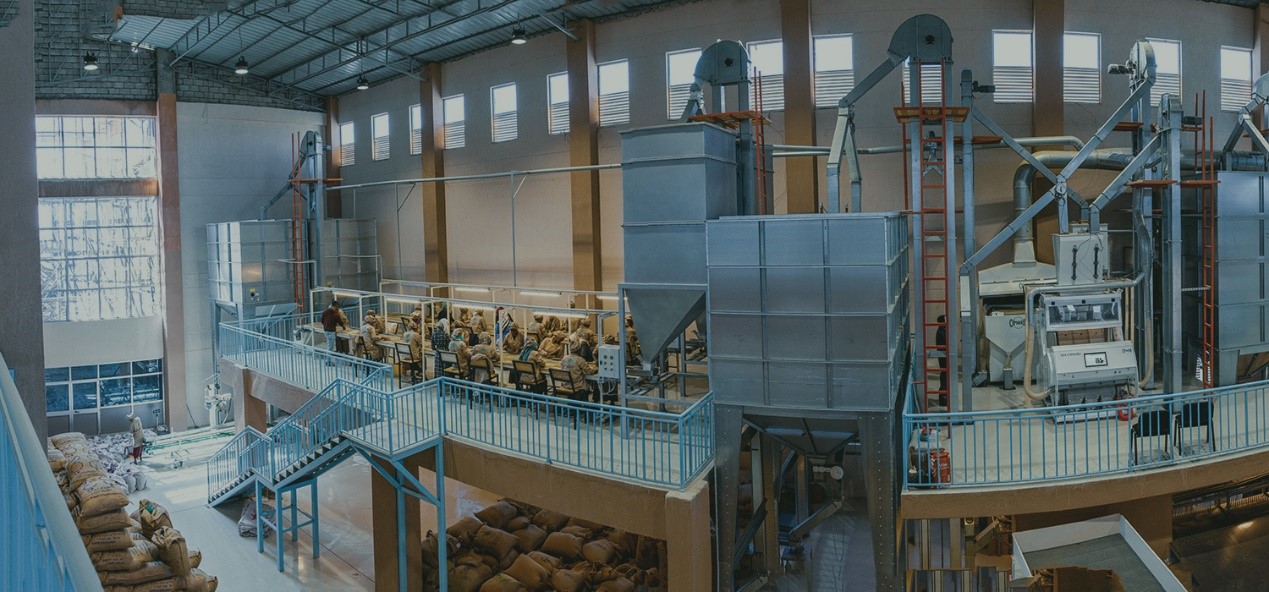
Whether futures prices are high or low, support for cooperatives is crucial, because both kinds of swings can damage cooperative operations and the long-term interests of farmers.
In times of volatility, buyers need to commit to maintaining or exceeding higher floor prices to keep cooperatives strong. Well-funded large buyers can always win a "race to the bottom" on price. Not all buyers, however, reinvest in the community the way cooperatives do: once a futures surge ends, the benefits disappear with it.
Price stability in coffee requires time, commitment, communication, and trust. In this turbulent market, growers are always positioned as "price takers."
What is C-market
C-market stands for coffee commodity market, the coffee futures market. The global coffee price on the C-market is set daily by traders on the New York Stock Exchange.

Coffee is a heavily traded commodity, with global exports exceeding hundreds of billions of dollars. Although the coffee traded on exchanges is quite different from the cup in your hand, the C-market has a significant influence on the price you pay.
How Coffee is Traded in C-market
C-market coffee prices move with supply and demand as well as with traders' predictions of future supply and demand.
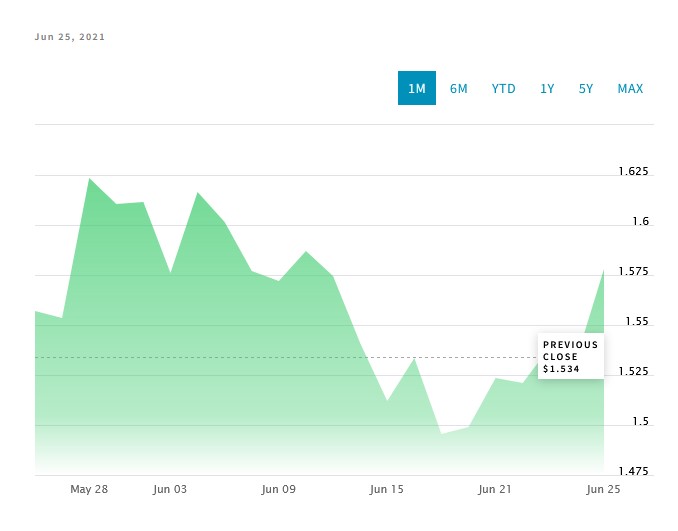
Players in the C-market are either trying to buy coffee at low prices or sell it at high prices.
Many transactions in the C-market, however, revolve around futures contracts. In a C-market futures contract, buyers agree to purchase a specific quantity of coffee, usually 375,000 pounds, at a specific price at a specific time, with the price determined by the contract's expiration date. Sometimes the expiration date falls several years after the contract is signed.
The specific price of a futures contract is set by the commodity market price at the time of signing, which means buyers tend to sign when prices are low, ensuring they do not have to pay extra when coffee prices soar.
Why Consumers Cannot Buy Coffee Directly from C-market
In the C-market, transaction volumes between buyers and sellers are typically very large, with purchase units starting in tons. In addition, the coffee traded there is unroasted green beans.

Buyers are therefore mostly roasting companies. They purchase large quantities of green coffee, roast it, and distribute it to the places where consumers can find it daily, such as coffee shops and supermarkets. As market prices rise, consumer prices rise along with them.
FrontStreet Coffee Recommendation
When prices swing this wildly, the most reliable pleasure is a cup you already know you love, and Brazil remains the most consistent place to look. As the largest coffee-producing country, Brazil grows a huge range of coffee, and Brazilian beans carry moderate acidity with a fine balance of sweetness, bitterness, and body, which makes them ideal for medium roasting. The result is a nutty, fragrant, and mellow cup with a light acidity, usable as a single origin or in a blend.
If you want only a light taste of the region, FrontStreet's Half-Sun Cerrado is a very classic Brazilian single origin. Cerrado is a well-known local growing area famous for high-quality beans, and this lot is the common South American Red Bourbon variety. Roasted medium, it shows rich aromas of cream, peanut, toasted bread, caramel, and hazelnut, with a round body, little acidity, and a faint bitterness, and it works in a pour-over, moka pot, espresso SOE, siphon, or French press.
FrontStreet's Brazil Queen Estate Yellow Bourbon comes from Mogiana, near South Minas, where fertile red volcanic soil lets the fruit absorb plenty of nutrients and develop a full aroma. The variety is the rare Yellow Bourbon, a mutation of Red Bourbon with a cleaner fruit character, and it brings the sugarcane sweetness no other region can match along with fruit and chocolate notes. Low-acid, balanced Brazilian beans like these are also the first choice in many espresso recipes, adding chocolate and cream aromas and a gentle sweet-sour-bitter balance that keeps extraction stable.
Important Notice :
FrontStreet Coffee is a long-established specialty coffee roaster in Guangzhou China, selling freshly roasted beans from its own farm in Yunnan as well as dozens of carefully selected single-origin beans from around the world for both pour-over and espresso. The products deliver consistently excellent quality and great value, with shipping within 24 hours. Guangzhou's FrontStreet Coffee shop is recommended by many coffee lovers, and the beans are now available online at the Tmall 。
FrontStreet Coffee has moved to a new address:
FrontStreet Coffee Address: 315,Donghua East Road,GuangZhou
Tel:020 38364473
 Scan and follow the En Gafei WeChat official account. Please indicate that the reprint comes from "En Gafei".