What's the Difference Between Espresso and Pour-Over Coffee? Can You Make Cappuccino with Pour-Over Coffee?
Whether it's pour-over coffee or espresso, both suit coffee lovers with a romantic soul. Picture a rainy afternoon, sipping a fragrant cup of coffee while watching raindrops slide down a window pane. The feeling it stirs up—sour, sweet, and bitter—is just like that cup of coffee. Let it flow through you and your world. But while both are coffee, espresso and pour-over differ significantly in appearance and flavor. FrontStreet Coffee walks you through the differences one by one.
What is Espresso Coffee?
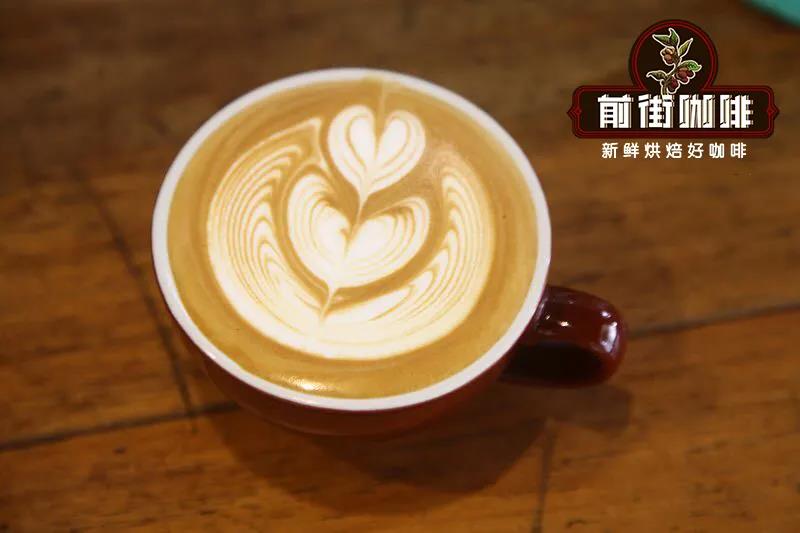
The "es" in espresso actually comes from the English "ex," meaning fast and convenient. Espresso coffee beans are typically a House Blend—what we often call blended or formula coffee. As the name suggests, these are beans mixed from multiple producing regions, which helps balance flavors and keep the taste consistent from cup to cup.
To ensure quality in the final brew, the beans are usually ground to a fine consistency in a professional coffee grinder, allowing extraction to be completed in a short time.
Authentic espresso is made by forcing high-pressure hot water close to boiling point (92-94°C, 9 bar of atmospheric pressure, 20-30 seconds of extraction) through finely ground, evenly tamped coffee grounds, producing a beverage of about 30ml. The surface is covered with a thick, dense layer of coffee oils called crema, typically golden-brown in color—though nowadays the shade can vary with the roast level.
Traditional Italians take espresso culture and quality very seriously. For that reason, the Italian National Coffee Institute provides official certification for espresso extraction parameters, making the brewing process data-transparent and helping preserve espresso's traditional flavors.
What is Pour-Over Coffee?
Pour-over coffee has the barista controlling water temperature, flow rate, water volume, and grind size, using a steady pouring technique to extract the coffee. Its extraction relies on several physical mechanisms between water and grounds (saturation/blooming, dissolution, diffusion, and ratio adjustment). A change in any one of them alters the final flavor of the whole cup—which is exactly why pour-over coffee obsesses over every step of the brewing process.
Beans for pour-over are chosen based on origin, flavor, characteristics, processing method, and roasting approach. They aren't limited to single-origin or blended beans, but pour-over typically favors single origins. Blending is only turned to when a single flavor is too intense, or when a specific profile is needed to balance the taste.
Differences Between Espresso and Pour-Over Coffee
1. Different Flavors and Textures
Espresso has an intense flavor, so many people add sugar or milk to balance the bitterness—which is what made espresso the base of an entire drink family. Artisanal espresso drinks are combined with syrups, cream, spices, and various flavorings to create diverse, layered flavors. Con Panna, Macchiato, Caramel Macchiato, Cappuccino, Latte, Mocha, and Americano all belong to the espresso family!
Pour-over coffee centers on single-origin specialty beans: each coffee comes from one region, one variety, often with complete production records. That allows pour-over to preserve the unique flavors of the place, which makes roasting technique and roast-level control especially important! Generally, the longer the roasting time, the higher the richness, with milk, caramel, and chocolate aromas coming forward; shorter roasting times highlight acidity and brighter fruit aromas. For pour-over there are no restrictions—light, medium, medium-dark, or dark roast all work; it simply depends on the drinker's preference.
2. Different Appearance and Brewing Methods
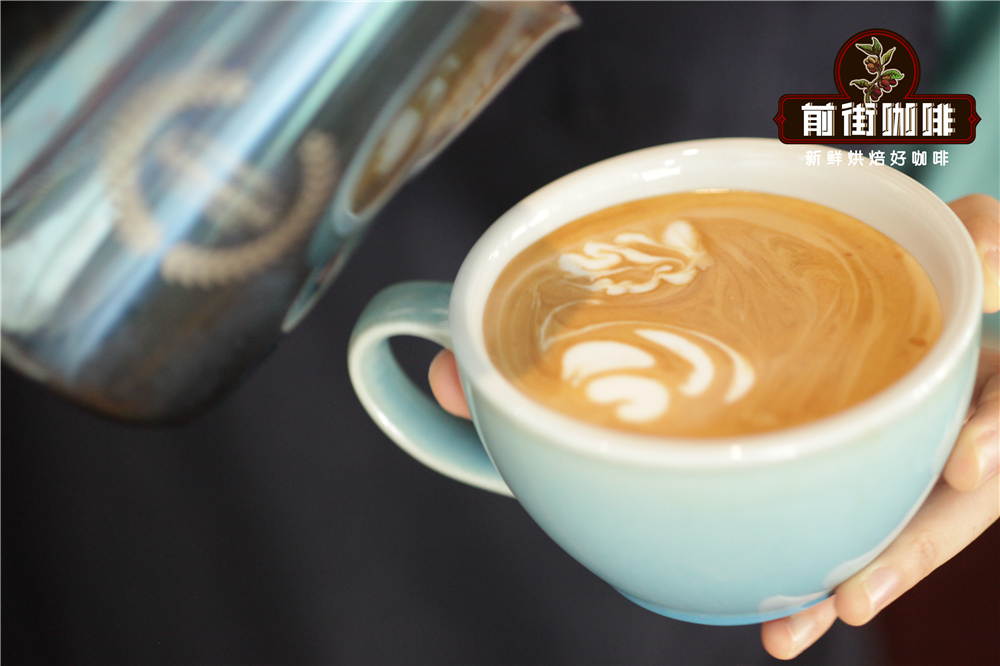
Espresso comes in many guises. Because the proportions of coffee, milk, and foam vary, all sorts of latte art become possible—tulips, leaves, and hearts in cappuccinos, for instance—making it as beautiful as it is delicious. The brewing method itself is high-pressure extraction of concentrated coffee.
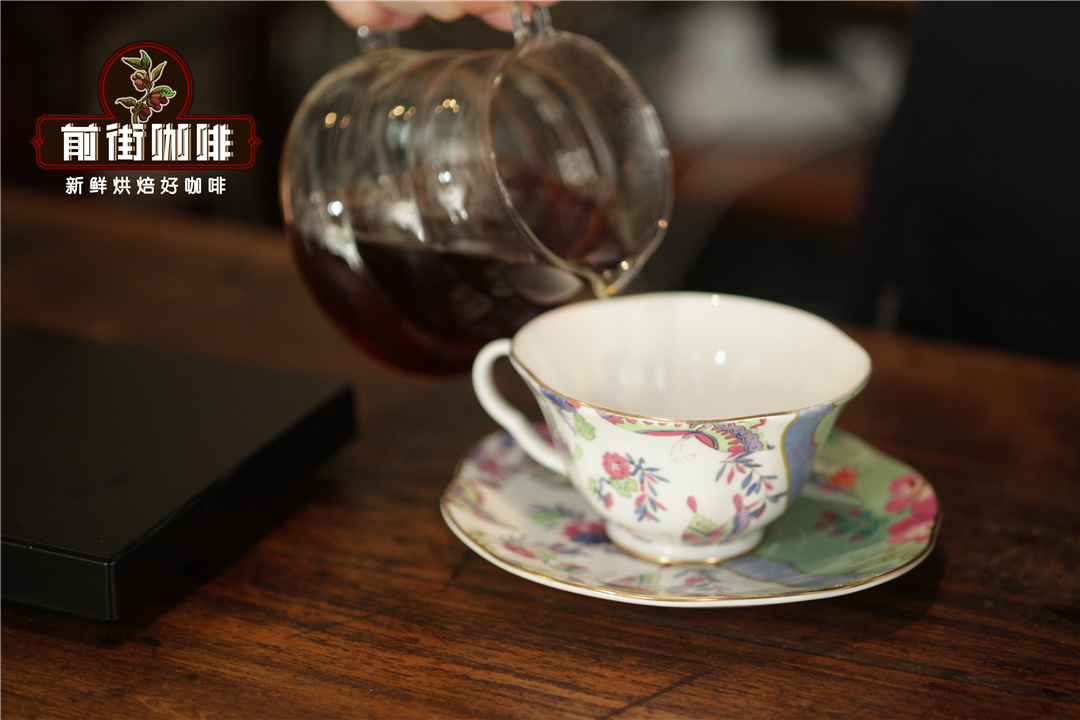
Pour-over coffee is simply a cup of pure black coffee, but its flavors are far richer and more varied than espresso's appearance suggests. You could call it simple on the outside, rich on the inside.
Can Pour-Over Beans Be Used to Make Espresso and Cappuccino?
Typical espresso mostly uses blends to create a rich, mellow profile. But specialty beans and single origins can absolutely be pulled as espresso, and they tend to highlight the beans' original flavors even more vividly.
FrontStreet Coffee Recommendation
If pour-over has won you over, the V60 dripper is the classic place to start—and the beans matter as much as the brewer. For light roasts, FrontStreet Coffee's Ethiopia lineup shines in a V60: the Yirgacheffe Guodingding, with its bright citrus, berry, and floral notes and a green-tea-like sweetness, is a favorite first step into specialty coffee; the Natural Chakri (Huakui) floods the cup with tropical fruit—strawberry, passion fruit, jackfruit, even lychee—with barely any bitterness; and the Kenya Little Tomato, washed with a 72-hour double fermentation from beans grown at 1550-1750 meters on SL28 and SL34, pours like fresh-squeezed juice.
For medium-dark roasts, the FrontStreet PWN Golden Mandheling—deep-roasted, low in acidity, thick and long on the palate with herbs, dark chocolate, and a whisper of earth—suits those who like their coffee bold and smooth, while the Brazil Queen Estate balances nuts, cocoa, and caramel sweetness and works just as well as espresso or moka pot coffee. And if you want the benchmark for balance, FrontStreet's Jamaica Blue Mountain No.1 delivers cream, caramel, chocolate, nuts, and honey with none of the extremes—the specialty coffee that, as many in the trade put it, is the easiest one for almost everyone to love.
As for the original question: yes, you can absolutely pull espresso and build a cappuccino from pour-over beans. Single origins used as SOE will foreground that bean's character—just expect a brighter, more distinctive shot than a traditional blend would give you.
Important Notice :
FrontStreet Coffee is a long-established specialty coffee roaster in Guangzhou China, selling freshly roasted beans from its own farm in Yunnan as well as dozens of carefully selected single-origin beans from around the world for both pour-over and espresso. The products deliver consistently excellent quality and great value, with shipping within 24 hours. Guangzhou's FrontStreet Coffee shop is recommended by many coffee lovers, and the beans are now available online at the Tmall 。
FrontStreet Coffee has moved to a new address:
FrontStreet Coffee Address: 315,Donghua East Road,GuangZhou
Tel:020 38364473
 Scan and follow the En Gafei WeChat official account. Please indicate that the reprint comes from "En Gafei".