What are the Flavors of Raisin Honey Processing? Costa Rican Coffee Processing Methods & Delicious Coffee Bean Recommendations
The Enchanting Musician Series from Costa Rica
Honey-processed coffee has earned a lot of attention for a good reason: the method, sometimes described as being as sweet as honey, delivers remarkable results, and nowhere more so than with the Costa Rican Musician Series at FrontStreet Coffee. The Musician Series has become a favorite among regulars, celebrated for the processing methods and bean varieties that together create distinctive, memorable flavors. Each coffee in the series has its own character. Flavors change from year to year, and the series typically uses Caturra and Catuai varieties combined with varying degrees of honey (raisin honey) processing, washed processing and other techniques to build coffee with a personality, all named after legendary composers: Beethoven, Bach, Chopin and Mozart.
Today FrontStreet Coffee explores the Bach, Beethoven and Mozart lots from the series to see how each interprets the flavors that define this collection.
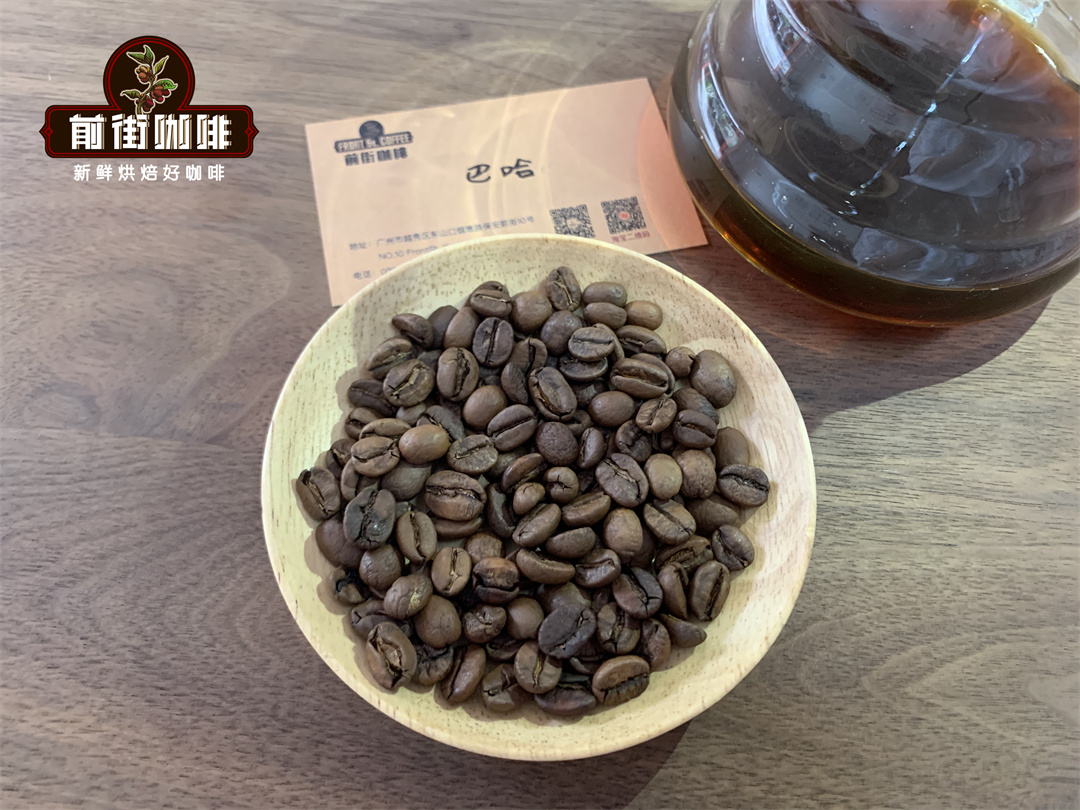
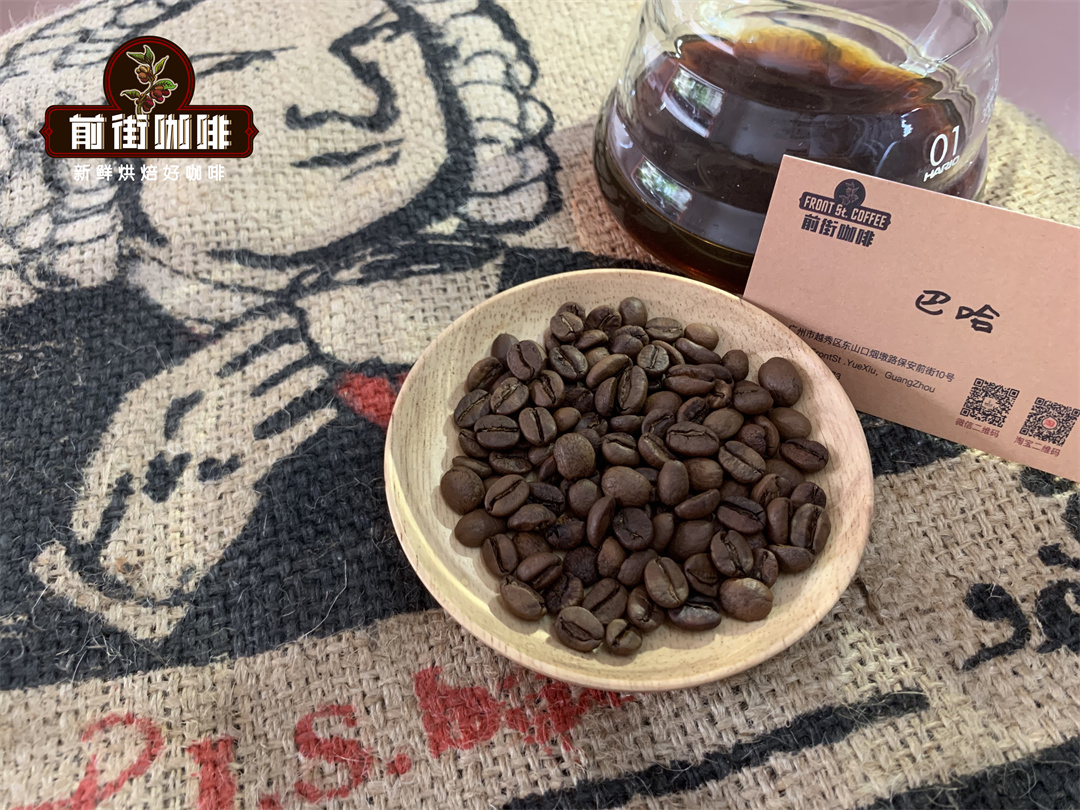
Costa Rica Canet Musician Series Bach
Country: Costa Rica
Region: Tarrazu
Estate: Canet Estate
Altitude: 1950 meters
Grade: SHB
Variety: Caturra
Processing: raisin honey
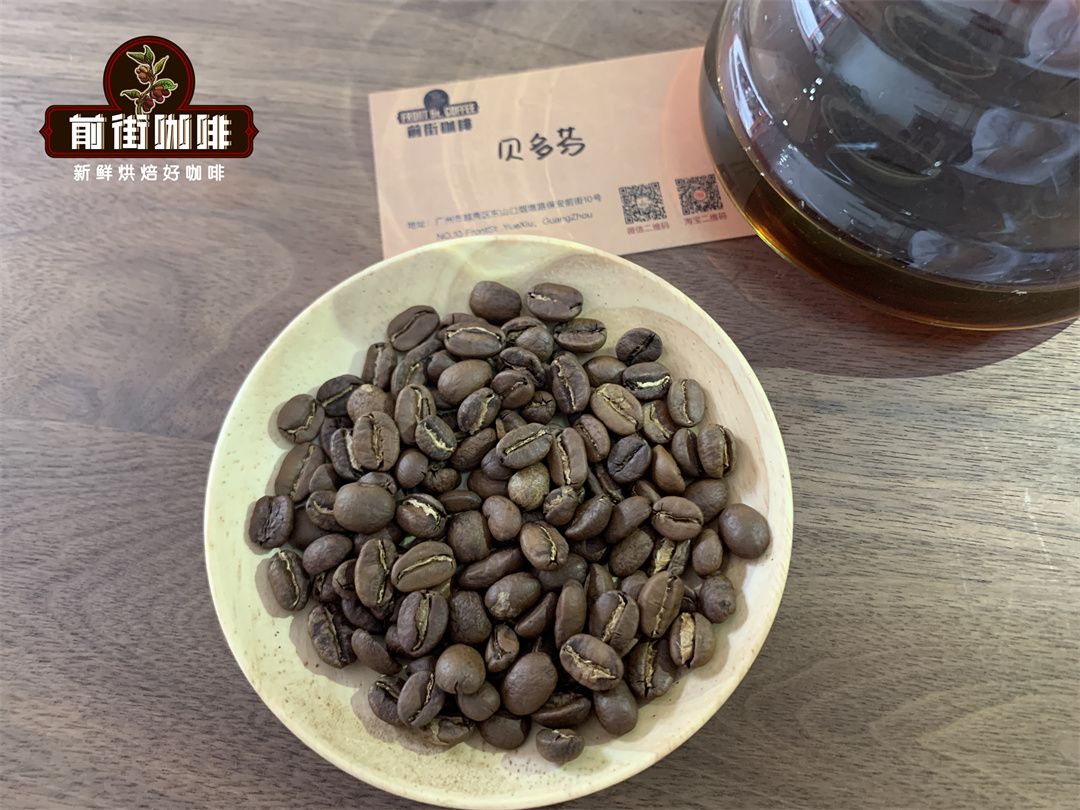
Costa Rica Canet Musician Series Beethoven
Region: Tarrazu, Costa Rica
Estate: Canet Estate
Altitude: 1900m
Variety: Yellow Catuai
Processing: washed
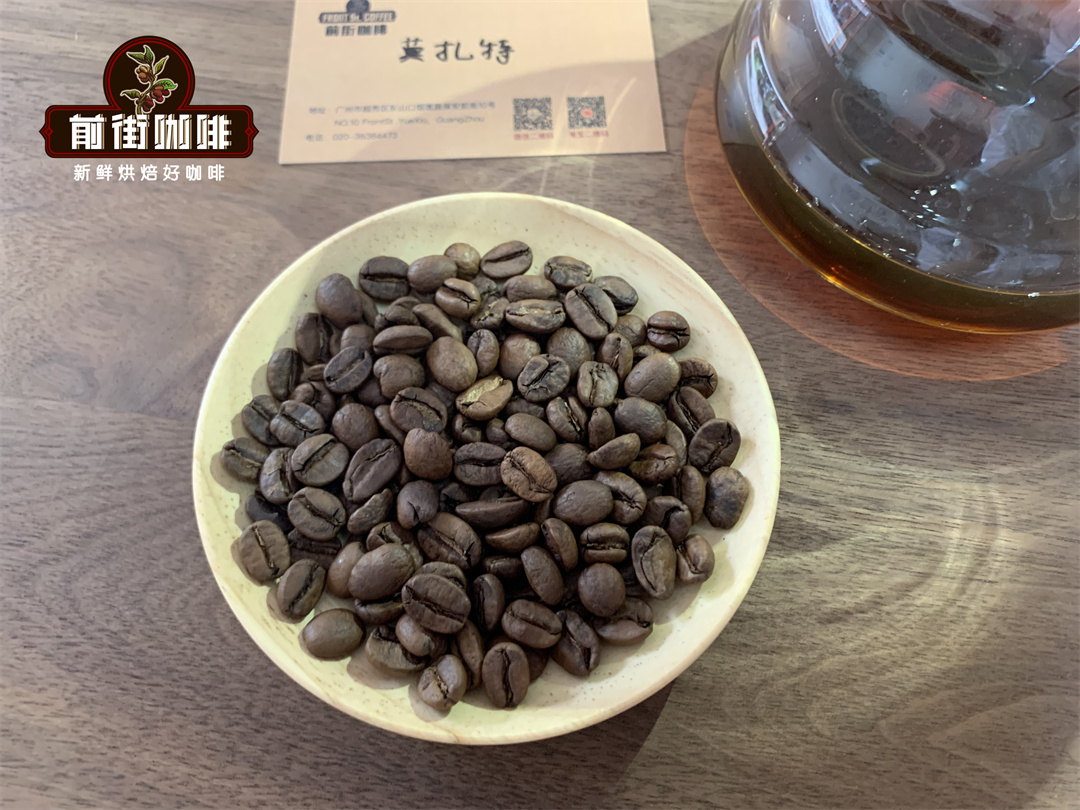
Costa Rica Canet Musician Series Mozart
Region: Tarrazu
Estate: Canet Estate
Variety: Caturra, Catuai
Altitude: 1950m
Processing: raisin honey
Costa Rica: A Rich Coffee Heritage
Costa Rica was the first country in Central America where coffee was introduced and cultivated. Sitting on the Central American isthmus, it boasts fertile volcanic soil with excellent drainage and ideal climate conditions, producing high-quality coffee beans. All cultivated coffee is Arabica, making the country one of the most valued coffee-growing regions. The combination of natural advantages and human expertise has established Costa Rica's reputation for high-yield, high-quality coffee. Despite its small land area, Costa Rica is one of the most biologically diverse countries in the world, with abundant natural resources. Its name literally means "rich coast," reflecting that natural wealth. The coastal areas are plains, while the central region is broken up by rugged mountains. The country has seven representative coffee-growing regions: West Valley, Central Valley, Tarrazu, Tres Rios, Orosi, Brunca and Turrialba.
Canet Estate: The Birthplace of Excellence
Canet Estate is located in the highest-altitude part of the Tarrazu region, where fruit cultivation is most intensive. The estate primarily grows passion fruit, and coffee production is relatively rare and concentrated in a specific area that receives special care. All cherries are hand-picked, harvesting only fully ripe red fruit. After harvest and before processing, the cherries undergo an additional screening to remove any underripe or overripe beans.
Coffee Varieties
Bourbon, Caturra, Catuai, Villasarchi, Villalobos and others.
Coffee varieties cultivated in Costa Rica are predominantly Caturra and Catuai, with several local derivatives developed within the country. The most famous is the Bourbon derivative Villasarchi, which grows exceptionally well at high altitude and shows strong wind resistance. It can survive in poor soil but performs better under shade trees.
The Canet Estate in central Costa Rica specializes in processing Caturra and Catuai with raisin honey and washed methods to produce the world-renowned Musician Series. Named after Beethoven, Bach, Chopin and Mozart, these coffees are grown at altitudes between 1,700 and 1,950 meters and classified as SHB (Strictly Hard Bean) high-altitude beans. They feature sweet flavors with rich fruit aromas, wine-like notes and distinctive tea-like qualities.
Processing Methods
Canet Estate is a micro-estate in the Tarrazu region that specializes in developing special processing methods, refining its techniques again and again to produce the highest-quality beans.
Raisin Honey Processing: Turning Coffee into Raisins?
To review honey processing first: the method removes the outer skin and pulp of the cherries mechanically, then dries the beans with the remaining mucilage and parchment still intact. The fermentation and flavor transfer from the mucilage during drying adds many interesting flavors to the beans.
Raisin honey processing goes a step further. First the coffee cherries are dried to a raisin-like state, letting the pulp and mucilage begin to ferment. Then the skin and pulp are removed, leaving the mucilage for a second drying phase of honey processing. This double fermentation and flavor transfer creates exceptionally complex flavors.
The method also poses a greater challenge, since each fermentation cycle carries the risk of failure. It requires considerable technical expertise and experience, with constant adjustments based on temperature, sun exposure, humidity and weather.
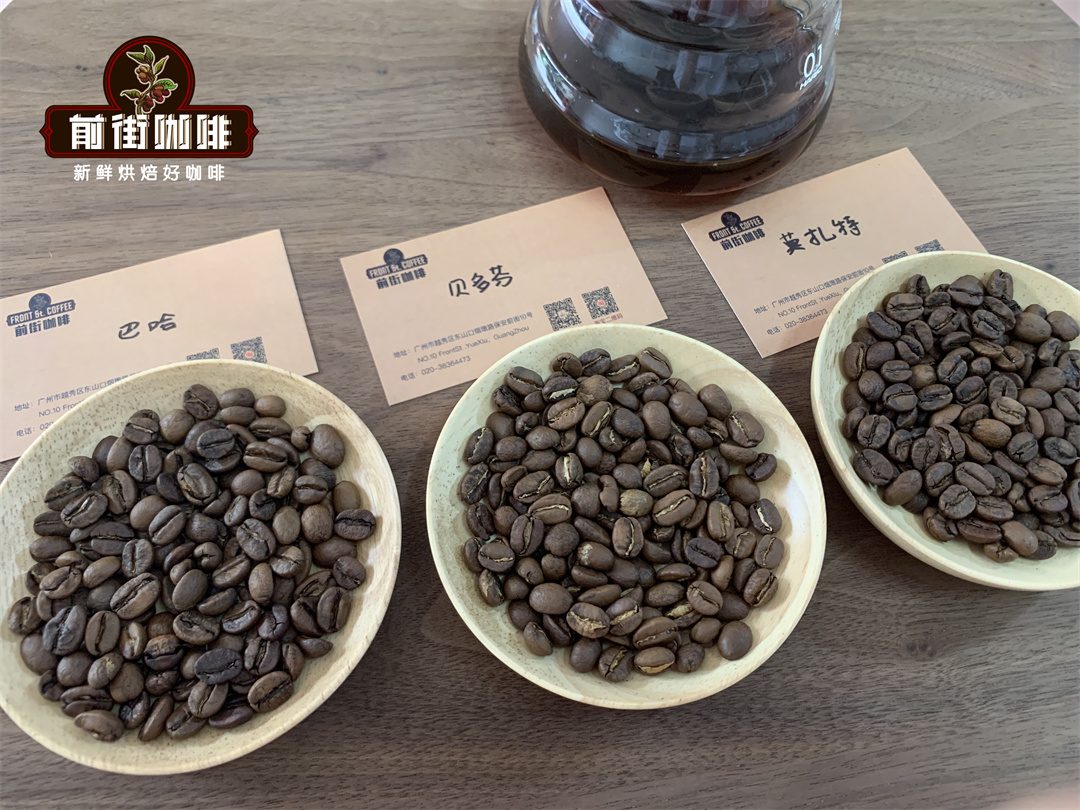
Brewing and Flavor Notes
Bach: The aroma resembles fermented rice wine, with flavors of mature tropical fruit and berries offering a sweet-tart profile. Notes of nuts, cocoa and cream are present, with caramel sweetness in the aftertaste and subtle floral notes in the finish.
Beethoven: The wet aroma reveals floral notes and a mature papaya fragrance. The cup offers berry acidity with mid-palate sweetness from papaya, creating a juice-like mouthfeel. The finish features persistent aromas of brown sugar and melon. Overall, this coffee shows excellent balance with a sweet, vibrant fruit character.
Mozart: The cup reveals complex floral notes and fermented sauce-like aromas, with raisin and dried-fruit sweetness. It features starfruit and berry acidity with sugarcane sweetness in the aftertaste.
FrontStreet Coffee Recommendation
Honey processing began as an adaptation of the semi-washed method, which removes the cherry skin and then dries the beans, shortening the drying time while avoiding off-flavors from poor fermentation. Brazil's success with the semi-washed style caught Costa Rica's attention, and growers there refined it further, varying how much mucilage is left on the bean and how long it dries to create black, red, yellow and white honey processes. FrontStreet Coffee Brazil Cerrado is a classic semi-washed Brazilian coffee, with clear cream, peanut, nut and chocolate notes that show where the honey family started.
Within the honey family, FrontStreet Coffee Blackberry is made with a black honey process, which leaves almost all of the mucilage on the bean and dries for at least 2 weeks under cover to keep the sun from drying it too fast, turning the fruit regularly so the sugars convert evenly. Light-to-medium roasted, it gives grape, berry and ripe blackberry flavors. At the more experimental end, the raisin honey method dries the whole cherry to a raisin-like state first and then depulps and dries again, keeping 100% of the mucilage. FrontStreet Coffee Mozart is processed this way, and works as pour-over, cold brew or moka pot, delivering osmanthus, pineapple and raisin. FrontStreet Coffee Strawberry Candy combines Panama Geisha with a Costa Rican raisin honey lot that keeps all of its mucilage using a zero-water method, so the cup carries Geisha's floral-tea character along with grape, dried blueberry and soft almond sweetness.
These honey and raisin honey coffees reward a brew that protects their sweetness. A medium grind, water around 90-91°C and a 1:15 ratio suit them well, poured in three stages with a 30-second bloom; keeping the pours gentle and finishing before the very last drops keeps the fermented fruit notes clean rather than heavy, and lets the raisin and cocoa sweetness come through.
Important Notice :
FrontStreet Coffee is a long-established specialty coffee roaster in Guangzhou China, selling freshly roasted beans from its own farm in Yunnan as well as dozens of carefully selected single-origin beans from around the world for both pour-over and espresso. The products deliver consistently excellent quality and great value, with shipping within 24 hours. Guangzhou's FrontStreet Coffee shop is recommended by many coffee lovers, and the beans are now available online at the Tmall 。
FrontStreet Coffee has moved to a new address:
FrontStreet Coffee Address: 315,Donghua East Road,GuangZhou
Tel:020 38364473
 Scan and follow the En Gafei WeChat official account. Please indicate that the reprint comes from "En Gafei".