Specialty Coffee Beans from Bolivia: Is Bolivian Coffee the Dark Horse?
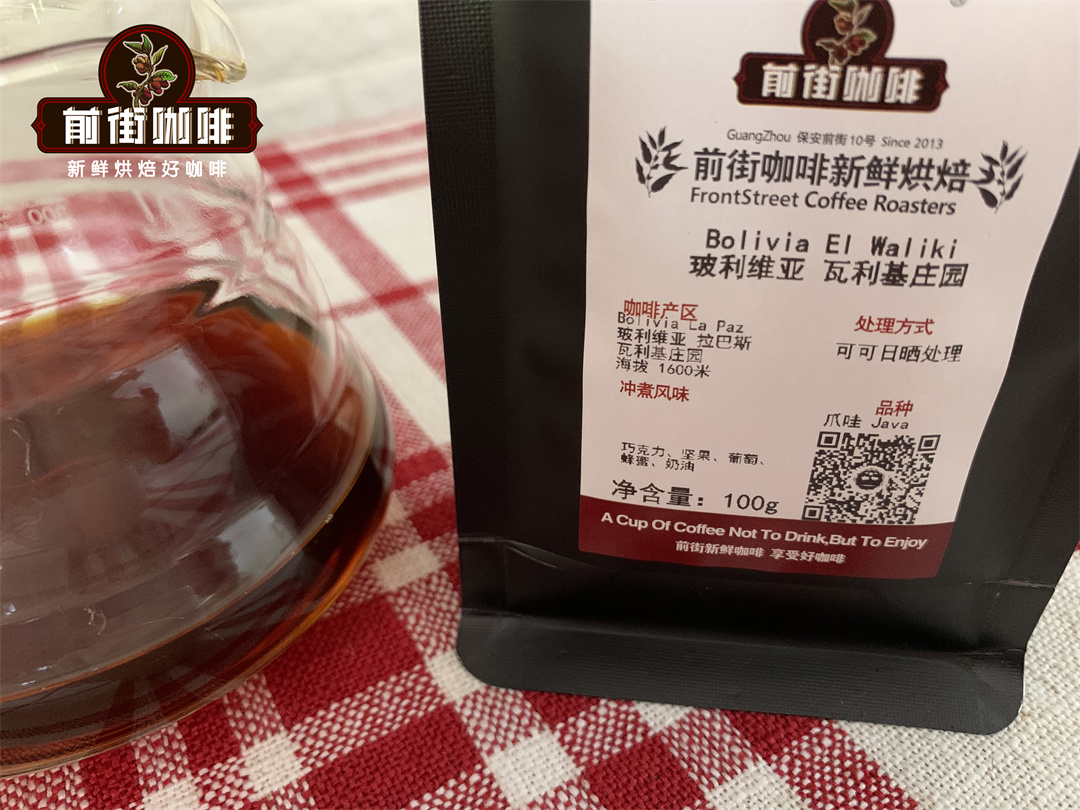
Recently, FrontStreet Coffee introduced a coffee bean from Bolivia called Bolivia Cocoa Natural Caturra. Bolivia's high altitudes and diverse topography yield specialty coffee of high quality and clean fruit acidity. In recent years Bolivia has become a dark-horse origin in specialty coffee, with estates spread across the high, complex terrain of South America, each with its own character.
FrontStreet Coffee now introduces three estates and Bolivia's distinctive coffee processing methods.
Bolivia Coffee
Towering peaks that touch the clouds, dreamlike salt flats, grasslands rich in wildlife... Its superb natural environment and resources have made this land a cradle for coffee. Among South American coffee-producing countries, Bolivia's output may be insignificant, yet this beautiful country has given the world specialty coffee as charming as its scenery. That is why locals proudly call Bolivian coffee "the taste of paradise."
Unlike other coffee regions, reaching Bolivia's coffee requires driving for several hours from a city at 3,600 meters and descending all the way below 2,000 meters above sea level to the growing areas. Among these routes, the North Yungas Road is recognized worldwide as the most dangerous road. The mountain road clings to the cliff edge with no guardrails. Fog appears often and accidents are frequent, so it is also known as the "Death Road."
Alpaca Estate
The estate is named after Bolivia's beloved animal, the alpaca. Though not large, its coffees are renowned worldwide. Here you find all the natural resources suited to coffee: high altitude, fertile soil and lush forest. The owner hopes to demonstrate modern cultivation techniques and ideas to local farmers through this estate, showing them that new coffee trees can coexist with old ones.
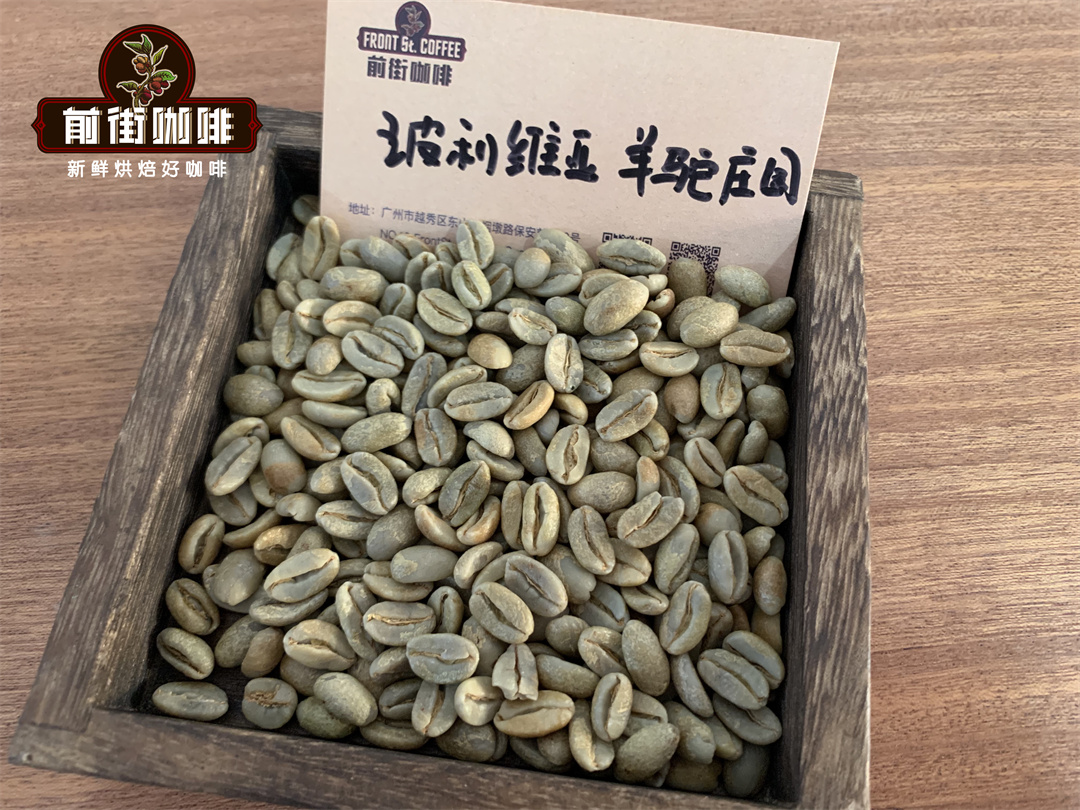
Alpaca is an old estate that had been running for 15 years before it met the Pedro company, which works hard to promote Bolivian beans on the international stage. With Pedro's guidance it gradually separated different varieties for cultivation and adopted more systematic methods to produce high-quality specialty beans.
Alpaca Estate offers a wide range of varieties, including Bourbon, Geisha Java, SL28/SL34 and Caturra.
FLORIPONDIO Datura Coffee Estate
Datura Estate and Castle Ruins Estate lie in the same region — the Samaipata area — which, despite its high altitude, is not easy ground for coffee. Even so, they found suitable microclimates and excellent soil plots there. So Datura became an experimental-level specialty coffee estate. It has planted more than 50 specialty coffee varieties, including Red Caturra, SL28/SL34, Batian, Pacamara and Java.
Worth noting: Datura Estate is home to many datura plants, which are neurotoxic. In traditional culture, witches would drink a soup made from them to communicate with the gods. Datura Estate frequently reminds visitors not to touch or smell the datura plants.
GAVILAN Provincial Eagle Coffee Estate
The owner of Provincial Eagle Estate, Martin, grew up in Caranavi, Bolivia's coffee hub. Local farmers had to change careers and stop growing coffee because of a market recession that lasted more than a decade. Martin gave up for a time too, but later met the Pedro company and decided to start fresh together, lifting Bolivian beans to new heights — and so Provincial Eagle Estate was founded.
Provincial Eagle Estate is a young estate with excellent capabilities, and there will soon be opportunities to taste their coffee in Taiwan.
Bolivia's Unique Coffee Bean Processing Methods
As everyone knows, processing methods are closely tied to local climate — above all the number of sunny days, the ease of access to water, and the development level of the local processing plants.
Because the weather in Bolivia's coffee regions is unpredictable, the natural drying schedule must be very fast to avoid rain. They developed a method called cocoa natural processing, in which the beans are turned every half hour during drying, and after three days, if not fully dry, they are moved to a dryer for a second drying stage to bring the moisture content down to 12.5% and complete the process. Turning every thirty minutes during fermentation achieves a cleanliness and brightness that typical natural processing struggles to reach.
During washed processing, the Pedro company discovered that some Bolivian beans suit the traditional method of removing mucilage with water and fermentation bacteria, while others suit waterless fermentation. They developed a 16-hour low-temperature waterless fermentation washed process — quite special. The traditional water-fermentation washed method would ferment in water for 18 hours.
Whether washed processing uses water fermentation or waterless fermentation, great attention is paid to every detail, closely monitoring moisture content, Brix sugar levels and pH throughout — all to produce world-class coffee.
FrontStreet Coffee Recommendation
Bolivia's high-altitude estates are valued for clean, bright fruit acidity, and FrontStreet's light-roasted single origins share that same vivid character. FrontStreet Yirgacheffe Gudingding is the classic starting point, with bright citrus, berry and floral notes and a green-tea-like finish — soft, luminous acidity rather than anything sharp. FrontStreet Ethiopia Huakui is intensely aromatic with strawberry, passion fruit, jackfruit and lychee, very sweet and almost free of bitterness with a juicy, smooth body. FrontStreet Kenya Little Tomato — washed, from the Sika region at 1,550-1,750 meters, SL28 and SL34, 72-hour double washed, lightly roasted — brings clear cherry tomato and smoked plum notes with bright, solid acidity and a clean, long finish. And FrontStreet Ethiopia Kafa Forest, medium-light roasted, offers distinct white flowers, bright lemon acidity, sweet orange and bergamot with a green-tea-like body.
Important Notice :
FrontStreet Coffee is a long-established specialty coffee roaster in Guangzhou China, selling freshly roasted beans from its own farm in Yunnan as well as dozens of carefully selected single-origin beans from around the world for both pour-over and espresso. The products deliver consistently excellent quality and great value, with shipping within 24 hours. Guangzhou's FrontStreet Coffee shop is recommended by many coffee lovers, and the beans are now available online at the Tmall 。
FrontStreet Coffee has moved to a new address:
FrontStreet Coffee Address: 315,Donghua East Road,GuangZhou
Tel:020 38364473
 Scan and follow the En Gafei WeChat official account. Please indicate that the reprint comes from "En Gafei".