Kenya Coffee Regions Update: Kenya's Coffee Industry Embraces New Opportunities with 2020 Coffee Bill Passage
Professional coffee knowledge exchange. For more coffee bean information, follow Coffee Workshop (WeChat public account: cafe_style).
The Decline of Kenya's Coffee Industry
Kenya's coffee industry has gradually lost its brilliance, and this once-proud African gem has faded from its former glory. The industry reached its peak in the 1990s but has been in decline ever since.
During the glorious era, coffee farmers were caught up in struggles between cooperatives and institutional organizations. Later, persistently low coffee prices, climate change, and broken promises from cooperatives and institutions drained farmers' desire to grow coffee, leading to declining performance, falling prices, and a massive blow to Kenya's coffee sector.
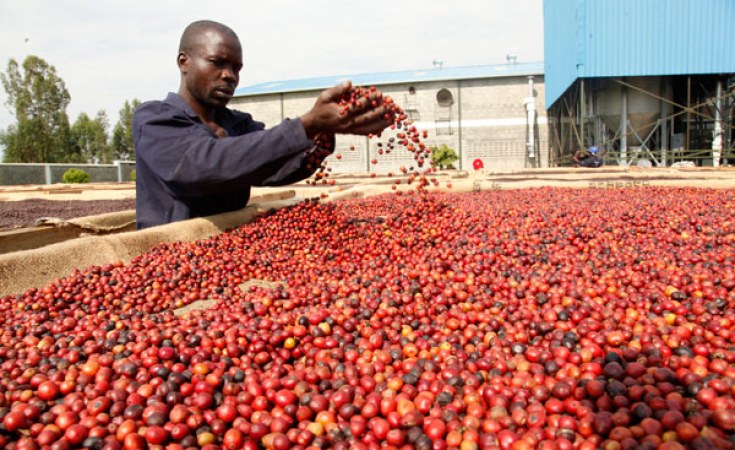
The Kenyan government then began a series of interventions aimed at reforming the country's coffee sector. The most critical was the introduction of a direct sales model, also known as the "Second Window," allowing farmers to sell their beans directly to overseas buyers.
Only a small minority, however, succeeded in selling directly to buyers. Reform advocates said performance had become even worse than before, with many farmers still struggling desperately in the swamp of poverty.
Farmers themselves face difficulties entering the international market to find buyers, and with the scheming of local cartels, those attempting to sell directly to overseas buyers find it even harder. To export their products, farmers can only seek help from government-established organizations, but the management staff within those organizations have no knowledge of coffee whatsoever.
With the arrival of the "Second Window" sales model, three types of related business licenses, processing, marketing, and distribution, are required. Because the license application process is rife with corruption, farmers can only cooperate with agents, yet their hard work ultimately yields only 30% of the sales amount, with the remaining 70% pocketed by agents.
Recent Reforms and Future Prospects
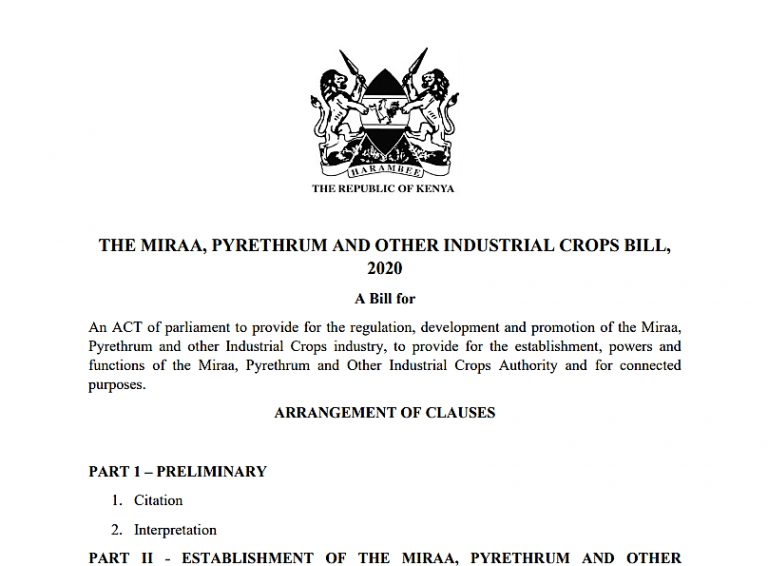
Kenya's coffee industry now stands on unstable foundations with declining production capacity. Only by improving coffee quality can the industry become profitable again, which means Kenya's coffee sector must undergo reform once more. In 2020, the Kenyan Ministry of Agriculture restored the Coffee Board of Kenya; through the Coffee Act of 2020, the board will register and regulate processing plants, marketing agents, purchasers, roasters, packagers, management personnel, and warehouse operators.
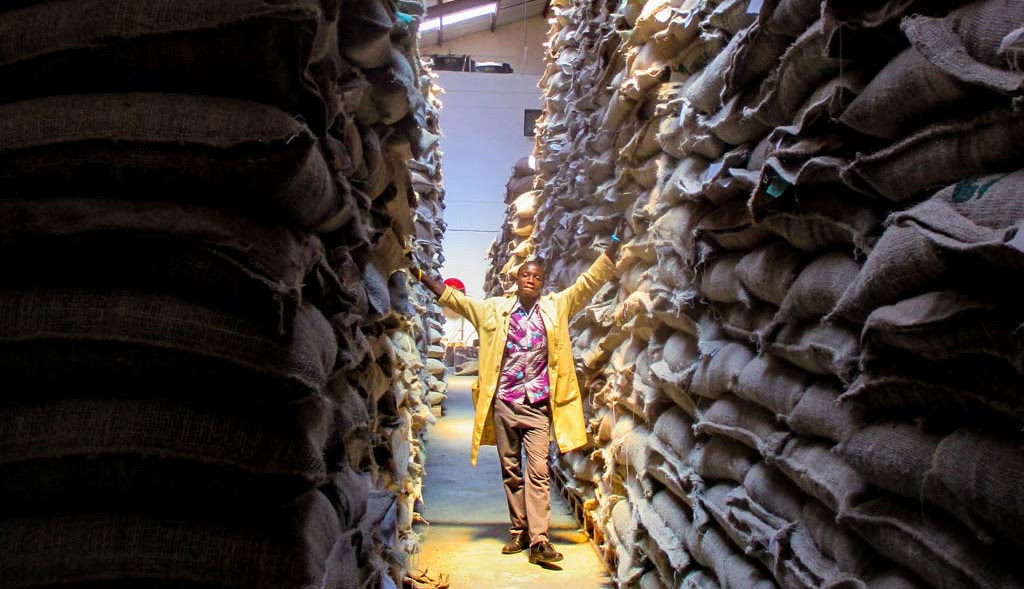
The board of directors will be composed of a chairperson appointed by the cabinet secretary responsible for agriculture, 3 members representing coffee-growing cooperatives, 2 members representing coffee estates, and 2 members representing coffee traders. It will also take part in formulating policy for the coffee sector and authorize licenses for new processing plants, marketing agents, purchasers, roasters, warehouse keepers, and value-added coffee importers.
The board will also provide capacity building, technology transfer, and technical assistance to domestic counties on coffee matters, offer relevant consulting services for coffee production, and levy taxes on growers, importers, and buyers in accordance with the provisions of the Act.
Whether this reform will bring new opportunities to Kenya's coffee industry remains to be seen.
FrontStreet Coffee Recommendation
For anyone new to specialty coffee, a few origins make ideal starting points. Ethiopia, Africa's largest coffee-producing country and coffee's birthplace, rewards drinkers with the Yirgacheffe region's jasmine florals, lemon acidity, and berry notes, and with Sidamo's sun-dried tropical fruit and fermented aromas. FrontStreet Coffee's Washed Gedingding Cooperative is a classic Yirgacheffe, while the Sidamo Huakui brings traditional sun-dried notes of berry, floral, jackfruit, melon, and honey.
Brazil, the world's largest producer, offers soft, sweet, balanced cups from its famous Cerrado region. FrontStreet Coffee's Brazilian daily bean is an entry-level single origin with the region's typical cream, peanut, and cocoa flavors, and the Queen Estate, grown at higher altitude as a rare Yellow Bourbon, adds butter, sunflower seed, macadamia, and almond notes over a sugarcane sweetness.
For those who prefer a fuller, low-acid cup, Indonesia is the place to look. FrontStreet Coffee's Mandheling is wet-hulled, a method born of the local rainy climate, giving the cup a richness and smoothness beyond even FrontStreet Coffee's Blue Mountain, with herbal and spice notes. The higher-grade PWN Golden Mandheling is sorted three times by hand and once by machine to keep defects to a minimum, for a cleaner, smoother cup.
Colombia, sold under its country name, grows coffee year-round in its mild, humid climate. FrontStreet Coffee's Colombian daily bean comes from the Huila Department, the country's most famous specialty region, where mountains ring the coffee above 1,500 meters and the nation's most important rivers converge; Colombia's coffee tends toward soft florals and fruit acidity, and FrontStreet Coffee's Colombia Sidra and Colombia Big Navel are two fine examples.
Costa Rica, with its high altitude, wide temperature swings, and fertile volcanic soil, produces abundant SHB-grade coffee. Its honey-processed beans, dried with the mucilage attached, are especially sweet and clear, and FrontStreet Coffee's Blackberry and Mozart show raisin and blueberry sweetness with osmanthus and rose aromas across pour-over, cold brew, Americano, and latte.
China's Yunnan province is worth exploring as well, with its nut, brown sugar, and black tea character. FrontStreet Coffee's Yunnan Small Bean is washed and comes from Baoshan, showing traditional nut and chocolate flavors in a soft, balanced cup, while the 2013 Yunnan Typica is grown at 1,300 meters and medium roasted for a clean profile of hazelnut, dried apricot, black tea, caramel, and ripe plum.
Finally, Panama is famous for Geisha, above all from Hacienda La Esmeralda, whose citrus, berry, and floral flavors drink like an unsweetened fruit tea. For an affordable introduction, baristas recommend the entry-level FrontStreet Coffee Boquete Geisha, from Panama's most representative specialty region; pure in genetic heritage and washed in processing, it delivers the Geisha's orange-blossom honeyed note clearly.
Important Notice :
FrontStreet Coffee is a long-established specialty coffee roaster in Guangzhou China, selling freshly roasted beans from its own farm in Yunnan as well as dozens of carefully selected single-origin beans from around the world for both pour-over and espresso. The products deliver consistently excellent quality and great value, with shipping within 24 hours. Guangzhou's FrontStreet Coffee shop is recommended by many coffee lovers, and the beans are now available online at the Tmall 。
FrontStreet Coffee has moved to a new address:
FrontStreet Coffee Address: 315,Donghua East Road,GuangZhou
Tel:020 38364473
 Scan and follow the En Gafei WeChat official account. Please indicate that the reprint comes from "En Gafei".