HEYTEA and Nayuki Investigated for Food Safety Issues: What Hygiene Standards Should Tea Shops Follow?
Summer Safety Concerns at Beverage Shops
Under the scorching summer sun, ducking into a tea shop for an iced drink is hard to resist. But while you enjoy that refreshing milk tea, have you ever wondered what's happening behind the counter in the kitchen?
Regulatory Inspection Results
In June, Chinese Business News and the Xi'an market regulatory authorities jointly launched the "Restaurant Safety: You Order, We Inspect" campaign, which is still ongoing. The program conducts unannounced inspections with no advance notice to businesses. Local market regulators and the Provincial Consumer Protection Committee inspected four food establishments, including Heytea and Nayuki.
Heytea Inspection Findings
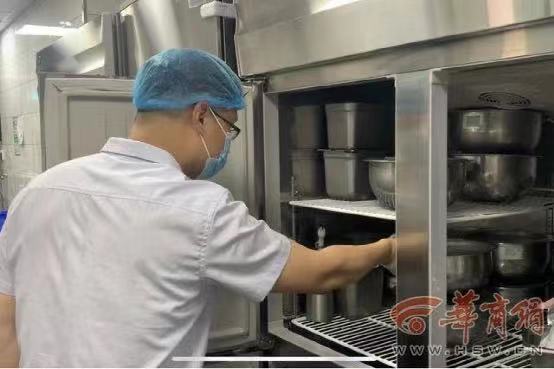
Regulatory officers began their surprise inspections at 10 AM on June 11. At the Heytea Joy City location, they found improper disclosure of food additive usage information and standing water on the food-preparation floor. When officers asked for product certificates for the additives in use, the store manager produced only the manufacturer's production license, and regulators required the district market supervision department to follow up. Under the ice machine in the prep area, poor drainage and continuous dripping left stagnant water that persisted even with a floor fan running nonstop.
Nayuki Inspection Findings
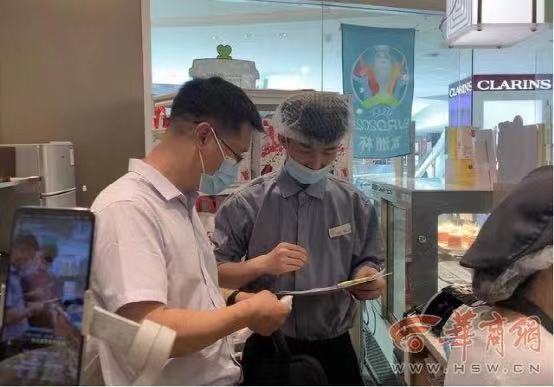
At the Nayuki Joy City location, officers again found additives not properly disclosed, plus incomplete and irregular labeling of self-supplied ingredients. The store was asked for the manufacturer's production license and product certificates for the additives, but by the end of the inspection had provided neither—a sign that inspection and documentation procedures were not being implemented. Only on the afternoon of June 11, 2021, did the store hand over the relevant additive documentation to regulators.
Broader Industry Concerns
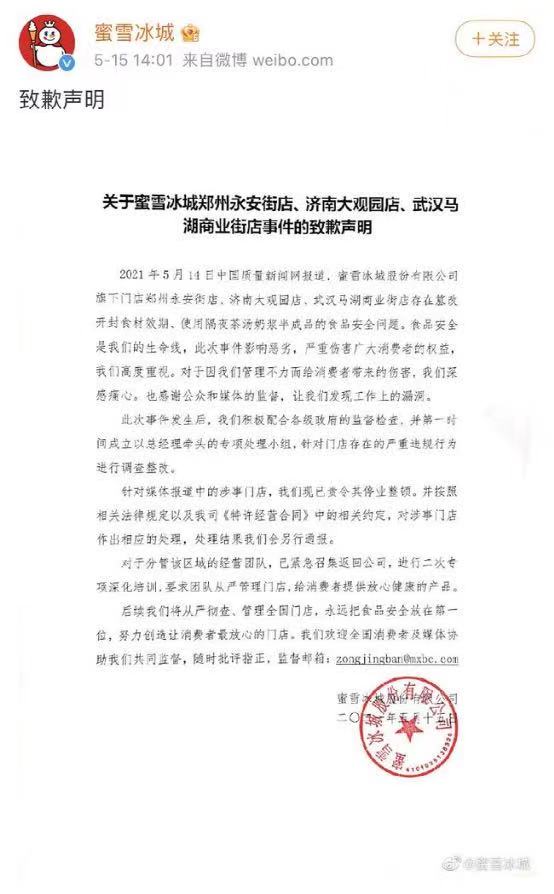
These two shops are just the tip of the iceberg. Ever since Mixue Bingcheng was reported by China Quality News on May 14 this year, food safety has drawn mounting scrutiny across the entire beverage industry—and with summer in full swing, tea shops need to raise their game on every front.
Key Areas for Tea Shop Safety
1. Store Staff
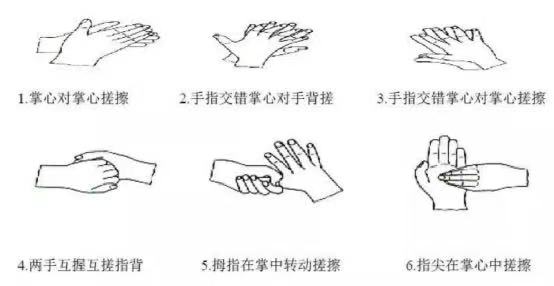
Good personal hygiene, work caps, and masks are the baseline, but hand hygiene matters most in food service. Staff should wash with antibacterial soap, keep fingernails short, skip nail polish, and leave rings and watches off.
2. Refrigeration Units
Minimize unnecessary opening and closing of refrigerator doors, which causes temperature swings. Label refrigerated and frozen packaging clearly, control temperatures strictly, and if frequent door openings push temperatures out of range, adjust the setpoint lower to compensate.
3. Store Environment
Dairy, fruit, and syrups attract flies and other insects, and fruit peels, seeds, and kitchen waste turn odorous if left sitting. Install air curtains at processing-area entrances, place biological control devices inside the store, and dispose of waste promptly.
4. Drainage Systems
Use detachable floor drains with filter baskets, water seals, and adequate drainage capacity to keep debris from clogging pipes. Avoid metal drainage components; choose materials that tolerate chemical cleaning agents, such as PVC.
5. Ice Machines
Nearly every product in a tea shop needs ice, and the industry has seen plenty of reports of bacterial counts in machine ice exceeding standards. Staff must wash their hands before touching the ice machine, and the machine itself should be cleaned and sanitized on a regular schedule.
Conclusion
As the tea beverage industry keeps expanding, food safety issues will keep surfacing. But apologies and self-reflection only after problems are exposed are not enough. Accountability must start at the source—preventing problems before they happen, and aspiring to be role models for the industry.
FrontStreet Coffee Recommendation
All of this hygiene talk is a good reminder of why sourcing and roasting matter: a trustworthy roaster gives you clean, traceable beans you can brew with confidence at home or in the office. For espresso and moka pot brewing, the FrontStreet Classic Blend is the go-to—built on the traditional Mamba (Mandheling plus Brazil) formula, it produces dense, silky crema even on entry-level home machines, making it perfect for lattes, cappuccinos, and Dirty drinks.
If you run a shop or simply want value without sacrificing quality, the FrontStreet Black Cocoa Blend uses 100% Arabica beans with ample crema, a smooth body, and a friendly price. And for a fruit-forward option, the FrontStreet Strawberry Candy blend blends origin characters into a vivid strawberry-soft-candy sweetness—great for distinctive milk drinks and versatile enough for any brewing method.
Important Notice :
FrontStreet Coffee is a long-established specialty coffee roaster in Guangzhou China, selling freshly roasted beans from its own farm in Yunnan as well as dozens of carefully selected single-origin beans from around the world for both pour-over and espresso. The products deliver consistently excellent quality and great value, with shipping within 24 hours. Guangzhou's FrontStreet Coffee shop is recommended by many coffee lovers, and the beans are now available online at the Tmall 。
FrontStreet Coffee has moved to a new address:
FrontStreet Coffee Address: 315,Donghua East Road,GuangZhou
Tel:020 38364473
 Scan and follow the En Gafei WeChat official account. Please indicate that the reprint comes from "En Gafei".