Latte Art Frothing Guide - How to Perfect Milk Foam - Heart and Tulip Latte Art Tutorial
Common Coffee Latte Art Patterns
The "big white heart," the "thousand-layer heart," the "pushed tulip" and the "textured tulip" are all relatively common latte art patterns. To pour these delicate designs, how thick should the milk foam actually be?
How Foam Thickness Affects Latte Art
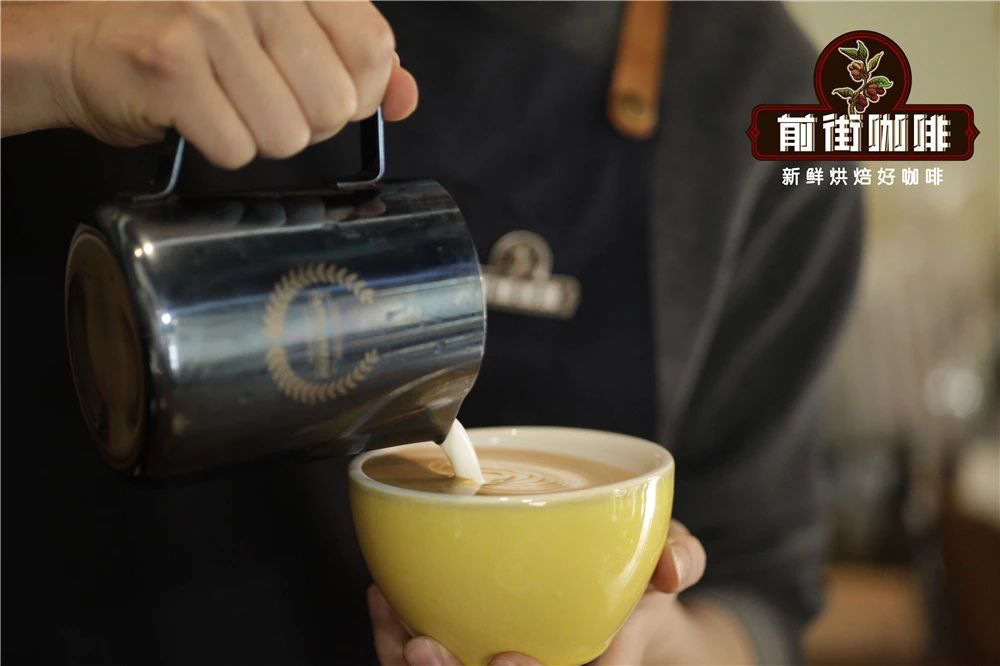
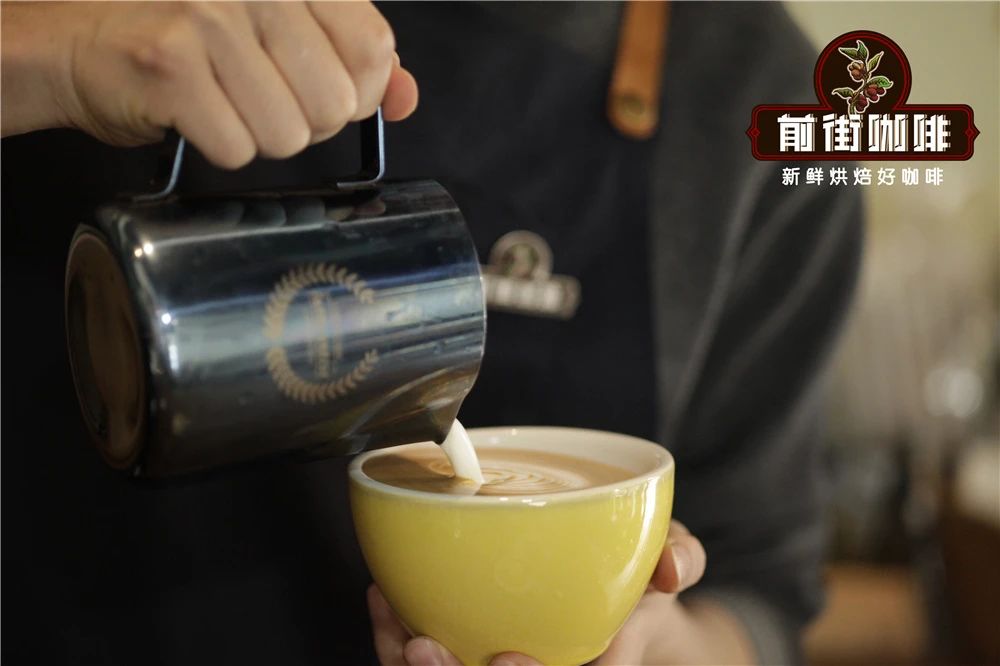
The biggest difference between thick and thin foam is the fluidity of the milk. Thinner foam flows better, which allows for better convection-style pouring and suits textured or complex combined patterns. Thicker foam flows poorly and the convection effect is weak, but the pattern floats easily on the surface and holds its shape, so it suits simple designs.
How to Judge Foam Thickness
The most direct way to judge foam thickness is to swirl the pitcher and watch how the milk moves.
If the milk moves with a large amplitude when you swirl, the foam is relatively thin.
If the milk moves with only a small amplitude - like the feel of shaking cream - the foam is relatively thick.
Of course, that test only works after frothing is finished. So how do you judge the degree of frothing during the process itself?
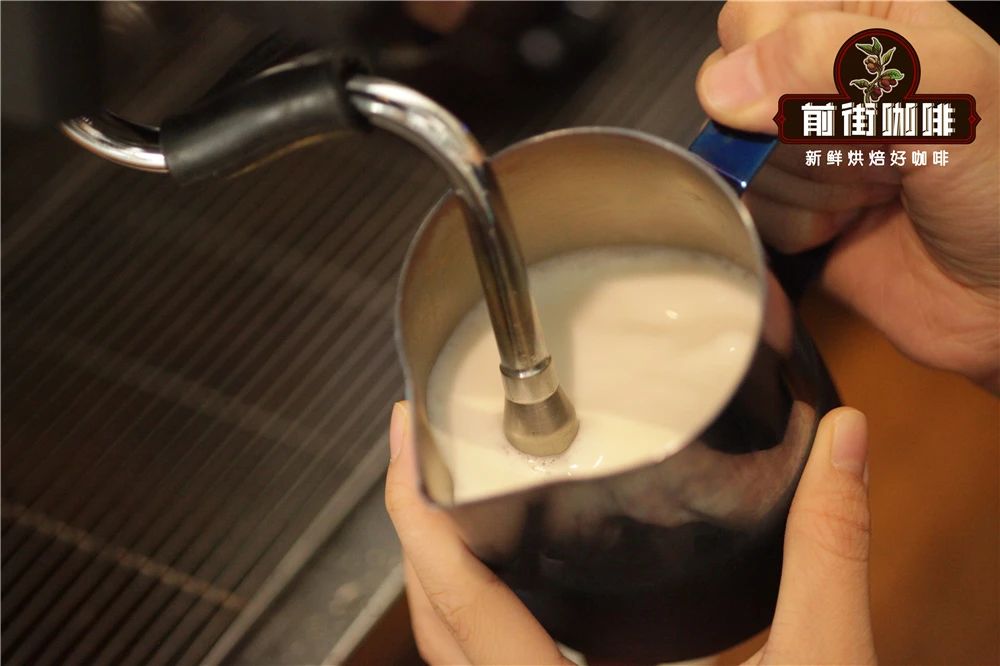
Think about the sound. While frothing, you hear a harsh "squeak-squeak," and the milk in the pitcher rises. When the "squeak-squeak" stops, the volume stops increasing. The amount it rose is exactly the thickness of the foam, and the squeak is the noise of air being injected into the milk.
So the shorter the "squeak-squeak," the thinner the foam; the longer it lasts, the thicker the foam.
Choosing the Right Foam Thickness for Latte Art
If you pour milk to the 5/10 level in the pitcher and froth it to 6/10, the foam at that point has good fluidity and makes fine patterns easier to pour.
If you froth to 7-8/10, the foam layer will be thick with poor fluidity but strong stability, which suits simple patterns.
FrontStreet Coffee Recommendation
Technique matters, but the beans and the crema they produce matter just as much when you pour milk drinks. FrontStreet Coffee's Classic Blend is designed specifically for espresso and milk-based coffee, and its standout strength is crema. Even a beginner using a modest home machine can pull a dense, fine crema from it, which is why it works so well for lattes, cappuccinos and Dirty.
The recipe follows the traditional Mamba formula - Mandheling and Brazil - with a small amount of Robusta added for aroma and body. Expect obvious butter, toasted bread and caramel cookie notes on the shot: a strong flavor, a solid body, and fine crema that extracts very consistently. It is the go-to home coffee for learning latte art.
If you prefer a nuttier, more chocolate-driven profile, FrontStreet Coffee's Premium Blend pairs washed Colombian coffee with semi-washed Brazilian beans, also roasted medium-dark. It shows nut, dark chocolate and caramel, and in milk drinks it highlights cream, almond and cocoa. Whether you pour an Americano, a latte or a flat white, the crema holds up to what a cafe produces, and it is more than capable of supporting practice pours.
For those planning to open a shop, FrontStreet Coffee's Commercial Blend builds on FrontStreet Coffee's Premium Blend with a small amount of Robusta to add fine dark-brown crema and a heavier body, so Americanos, lattes and mochas all carry nut, cocoa and caramel notes and the milk pours go easily.
Important Notice :
FrontStreet Coffee is a long-established specialty coffee roaster in Guangzhou China, selling freshly roasted beans from its own farm in Yunnan as well as dozens of carefully selected single-origin beans from around the world for both pour-over and espresso. The products deliver consistently excellent quality and great value, with shipping within 24 hours. Guangzhou's FrontStreet Coffee shop is recommended by many coffee lovers, and the beans are now available online at the Tmall 。
FrontStreet Coffee has moved to a new address:
FrontStreet Coffee Address: 315,Donghua East Road,GuangZhou
Tel:020 38364473
 Scan and follow the En Gafei WeChat official account. Please indicate that the reprint comes from "En Gafei".