Anaerobic Processing in Specialty Coffee? What Anaerobic Processing Methods Are Used in Colombian Specialty Coffee?

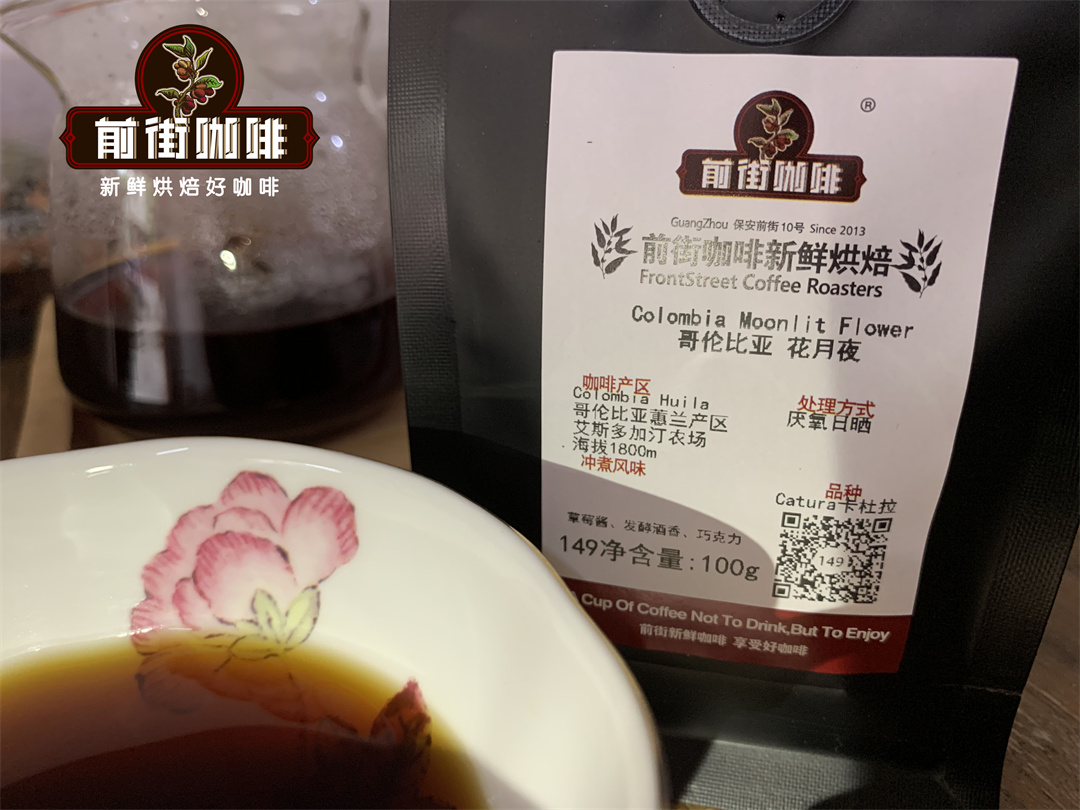
Natural, washed, and honey are the basic options for coffee processing. With the rise of the coffee market and a growing community of specialty coffee enthusiasts, many industry professionals have invested in developing innovative post-harvest processing methods. Among them, anaerobic fermentation has gained significant exposure in recent years and is highly recommended by numerous coffee masters. At FrontStreet Coffee, a bean named "Floral Moon Night," from the El Svir Doka farm in Colombia's Huila region, is processed with a variation on anaerobic processing, the anaerobic slow natural method. When brewed, it lives up to its name, bursting with floral aromas and rich, fermented, wine-like notes.
The anaerobic fermentation method described above applies the concepts of winemaking to post-harvest coffee processing. The pioneer who achieved stable results with the method stood out at the 2015 World Barista Championship (WBC): that year's champion, Sasa Sestic.
About Anaerobic Fermentation Processing
Anaerobic fermentation was in fact first invented by Costa Rican coffee farmer Luis Eduardo Campos, and it was several years later that WBC champion and Australian competitor Sasa Sestic promoted it worldwide. In its narrow definition, anaerobic fermentation is also called carbon dioxide maceration. The method comes from winemaking, where carbon dioxide gradually builds up during grape fermentation and the must enters an anaerobic state. Fermentation dominated by anaerobic bacteria converts the grapes' natural sugars into alcohol, producing a wine with a smooth texture, refreshing flavors, and special aromas. Because coffee processing works on a different timeline than winemaking, it requires a shorter fermentation time. The process therefore injects pressurized carbon dioxide directly into sealed tanks, letting the coffee cherries ferment in a completely oxygen-free environment.
The 2015 WBC champion Sasa Sestic selected a coffee bean from Colombia's La Palma y El Tucan estate that had been processed with carbon dioxide maceration. The principle is to place whole coffee cherries, skin and pulp intact, into a sealed stainless steel barrel, remove the oxygen, and inject carbon dioxide so the cherries stay in a completely oxygen-free environment. This forces the cherries to undergo anaerobic fermentation and breakdown within their skins, while variables such as pH and temperature are controlled to ensure the final quality of the coffee.
Advantages and Disadvantages of Anaerobic Fermentation Processing
Compared with natural, washed, and honey processing, which rely on oxygen-dependent fermentation, oxygen-free anaerobic fermentation produces more distinctive aromas. However, because oxygen is absent, fermentation proceeds more slowly than with traditional natural, washed, and honey methods. Once fermentation is complete, the beans are removed from the barrel and must be dried immediately to prevent continued fermentation as the process shifts to aerobic fermentation. Traditional processing methods that use oxygen fermentation can easily develop over-fermented acidic notes if production is not tightly controlled, whereas coffee fermented through an oxygen-free method produces brighter, cleaner flavors that are smooth to drink, with subtle notes of cheese, dairy products, and even wine-like aromas. The overall tasting experience can be described as refreshingly sweet and crisp.
The key to anaerobic fermentation is minimizing the impact of the external environment on the coffee cherries and their fermentation. Although it requires longer waiting times, the front, middle, and back notes, along with the acidity and bitterness, are expressed in a more balanced and comfortable manner while maintaining excellent aromatic richness. It is currently considered a highly regarded processing method.
With the influence of the coffee wave, global enthusiasm for specialty coffee continues to grow. From fruit development to the final cup of excellent coffee, every stage is gradually being analyzed and controlled independently with greater scientific precision. Besides continuously improving the traditional fermentation methods that have been maintained for centuries, emerging processing methods have sprung up like mushrooms after rain in recent years. In addition to the anaerobic fermentation method discussed here, other approaches still in their early stages, such as anaerobic natural, anaerobic washed, and double anaerobic processing, have also appeared one after another. Before technical stability and maturity arrive, coffee enthusiasts have more diverse and interesting flavors to try. If the opportunity allows, why not unravel the flavor mysteries of these processing methods through tasting.
FrontStreet Coffee Recommendation
The wave of anaerobic experimentation coming out of Colombia is one of the most exciting developments in specialty coffee, and FrontStreet Coffee carries two very different Colombian expressions of it. FrontStreet's Colombia Huila is a washed classic from the country's most famous specialty region, roasted medium-dark to emphasize dark chocolate, nutty sweetness, moderate oil, and a full body. For the anaerobic side, FrontStreet's Colombia La Frontera Xizhua is processed as an anaerobic natural, fermenting without oxygen to build tropical fruit aromatics, with passion fruit, grape, apricot, and candied fruit notes that shine in pour-over, cold brew, drip bags, or a moka pot.
Important Notice :
FrontStreet Coffee is a long-established specialty coffee roaster in Guangzhou China, selling freshly roasted beans from its own farm in Yunnan as well as dozens of carefully selected single-origin beans from around the world for both pour-over and espresso. The products deliver consistently excellent quality and great value, with shipping within 24 hours. Guangzhou's FrontStreet Coffee shop is recommended by many coffee lovers, and the beans are now available online at the Tmall 。
FrontStreet Coffee has moved to a new address:
FrontStreet Coffee Address: 315,Donghua East Road,GuangZhou
Tel:020 38364473
 Scan and follow the En Gafei WeChat official account. Please indicate that the reprint comes from "En Gafei".