Pour-Over Coffee Temperature Recommendations What Temperature Should You Use for Pour-Over Coffee
The Rise of Third Wave Coffee
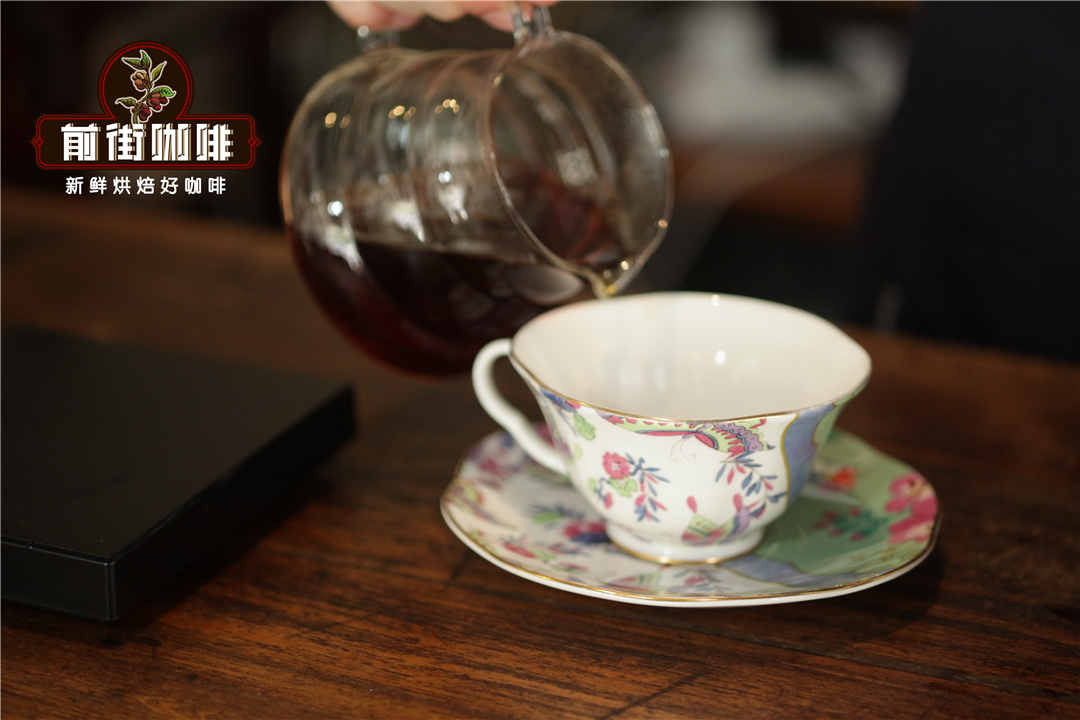
With the arrival of the third wave, coffee has shifted from a necessity into a luxury. Enthusiasts now care about origin, vintage, processing, bean characteristics, variety, and flavor profile, and they pay much closer attention to brewing parameters. That has fueled the growth of specialty coffee shops worldwide. The charm of pour-over is that you can craft the cup you prefer while enjoying a state of relaxation and the slow pace of the process. FrontStreet Coffee has written widely about brewing, and here the focus is on the right water temperature for pour-over.
Understanding Pour-Over Coffee
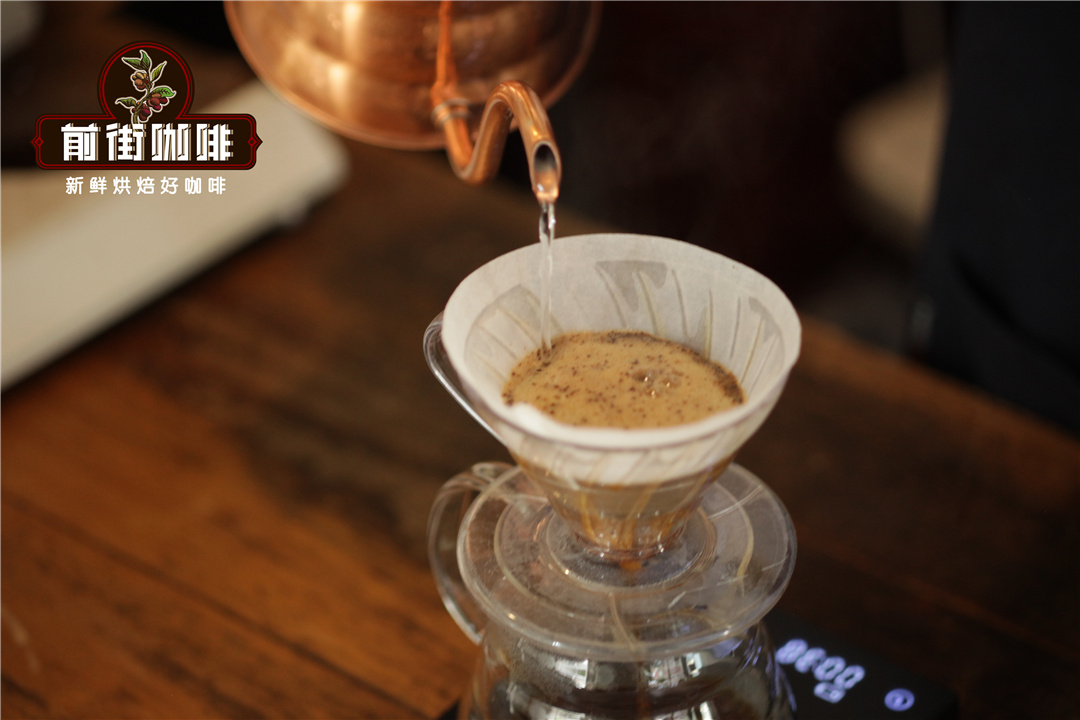
Pour-over is the process of controlling parameters such as water temperature, flow rate, water volume, and grind size, completing extraction by pouring water steadily over the coffee grounds.
The Science of Extraction
Of the soluble substances in coffee grounds, acidity is extracted first, then sweetness, and finally bitterness. Different water temperatures release substances to different degrees. In general, lighter roasted beans, being denser, are paired with higher temperatures to speed extraction, while darker roasted beans have a softer, less dense structure and are brewed with lower temperatures to slow things down. Higher temperature extracts faster but is also more prone to over-extraction, producing bitter or burnt flavors. Insufficient temperature causes under-extraction, leaving the body thin and the taste sour and astringent.
Light Roast Coffee
⇢ FrontStreet Coffee water temperature recommendation: 90~92°C
⇢ FrontStreet Coffee coffee-to-water ratio recommendation: 1:15
⇢ FrontStreet Coffee pour-over recommendation: Three-stage pouring
Light roast beans generally have a denser structure, expand less when heated, and release water more slowly. Brewing therefore uses methods that keep the grounds in contact with water longer, combined with slow pouring and high temperature to drive extraction, which greatly raises the odds of a good bloom. These coffees are characterized by high acidity and low concentration, with a flavor profile leaning sweet and sour, floral and fruity, and a relatively refreshing texture.
Medium Roast Coffee
⇢ FrontStreet Coffee water temperature recommendation: 88~90°C
⇢ FrontStreet Coffee coffee-to-water ratio recommendation: 1:15
⇢ FrontStreet Coffee pour-over recommendation: Three-stage pouring
Medium roast beans have a softer structure, expand easily when heated, absorb water well, and release water at a fairly smooth rate. The extraction of acidity, sweetness, and bitterness is well balanced, which is why this is the roast level most specialty beans rely on. You can taste the acidity, and the finish reveals some bitterness, with a mellow profile featuring notes of nuts and chocolate.
Medium-Dark Roast Coffee
⇢ FrontStreet Coffee water temperature recommendation: 85~88°C
⇢ FrontStreet Coffee coffee-to-water ratio recommendation: 1:15
⇢ FrontStreet Coffee pour-over recommendation: Three-stage pouring
For medium-dark roast beans, a slightly lower temperature slows the extraction. It also helps to pour gently with the spout held close to the dripper, which reduces how much the water stream disturbs the grounds bed and lowers the share of bitter aftertaste, balancing the overall flavor. The coffee shows a thin sheen of oil, a smooth, rich flavor that is neither too sour nor too bitter, and warm notes like caramel and cream. The most classic medium-dark roast coffee is undoubtedly Mandheling.
Dark Roast Coffee
⇢ FrontStreet Coffee water temperature recommendation: 82~85°C
⇢ FrontStreet Coffee coffee-to-water ratio recommendation: 1:15
⇢ FrontStreet Coffee pour-over recommendation: Three-stage pouring
Dark roast is commonly used for espresso. If you want to brew it as pour-over, besides lowering the water temperature and using slightly coarser grounds, watch the appearance of the beans: freshly dark-roasted beans carry plenty of oil, which builds a thick, rich texture in the cup. When pouring, extend the contact time between grounds and water so the oils dissolve more completely. The result has a strong bitterness with almost no acidity, shows abundant oils and a dark, near-black color, and leans toward dark chocolate.
FrontStreet Coffee Recommendation
Temperature is only one variable; the bean has to match. For a light roast that rewards a 90-92°C pour, FrontStreet Coffee's Ethiopia Yirgacheffe Gotiti Cooperative is a benchmark, with white-flower sweetness, bright citrus acidity, jasmine fragrance, and a green-tea finish. For a sweeter, more tropical light roast, FrontStreet Coffee's Ethiopia Huakui shows cream-strawberry, guava, and mango, and it also makes an excellent cold brew.
For the 88-90°C medium range, FrontStreet Coffee's Kenya Cherry Tomato is a specialty washed bean from Thika at 1550-1750 meters, using SL28 and SL34 and a 72-hour double washed fermentation, roasted light to keep its lively cherry tomato and smoked plum acidity. FrontStreet Coffee's Natural Huakui and Strawberry Candy Gesha Blend also sit comfortably in this range.
At the darker end, try FrontStreet Coffee's Jamaica Blue Mountain No. 1 or FrontStreet Coffee's PWN Sumatra Golden Mandheling. Each is roasted deeper, so brew it cooler, around 85-88°C for the Blue Mountain and lower still for the Mandheling. FrontStreet Coffee's Brazil Queen's Farm, a low-acid, balanced bean, rounds out the list as an easy medium-dark choice.
Important Notice :
FrontStreet Coffee is a long-established specialty coffee roaster in Guangzhou China, selling freshly roasted beans from its own farm in Yunnan as well as dozens of carefully selected single-origin beans from around the world for both pour-over and espresso. The products deliver consistently excellent quality and great value, with shipping within 24 hours. Guangzhou's FrontStreet Coffee shop is recommended by many coffee lovers, and the beans are now available online at the Tmall 。
FrontStreet Coffee has moved to a new address:
FrontStreet Coffee Address: 315,Donghua East Road,GuangZhou
Tel:020 38364473
 Scan and follow the En Gafei WeChat official account. Please indicate that the reprint comes from "En Gafei".