Hand Pour Coffee vs Cup-Brewed Coffee: Flavor and Taste Differences - How to Brew Delicious Coffee?
Introduction
How do you describe making coffee? Do you call it brewing coffee, steeping coffee, or simply making coffee? "Brewing" obviously has the longest history, but nowadays, pouring and steeping have become the mainstream methods.
What are "Pouring" and "Steeping"?
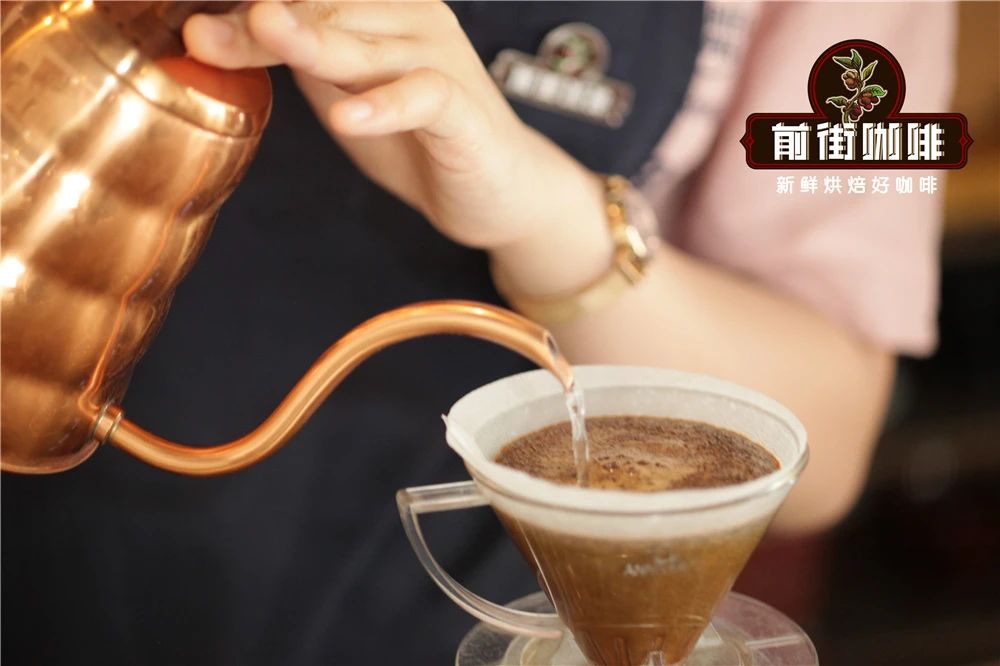
What we usually call "brewing coffee" actually covers two different extraction methods. "Pouring" mostly refers to the pour-over method, whose defining trait is the continuous action of pouring water: the coffee extracts in drip-filter mode, like an unbroken stream of living water flowing into a lake (a Picasso-style metaphor).
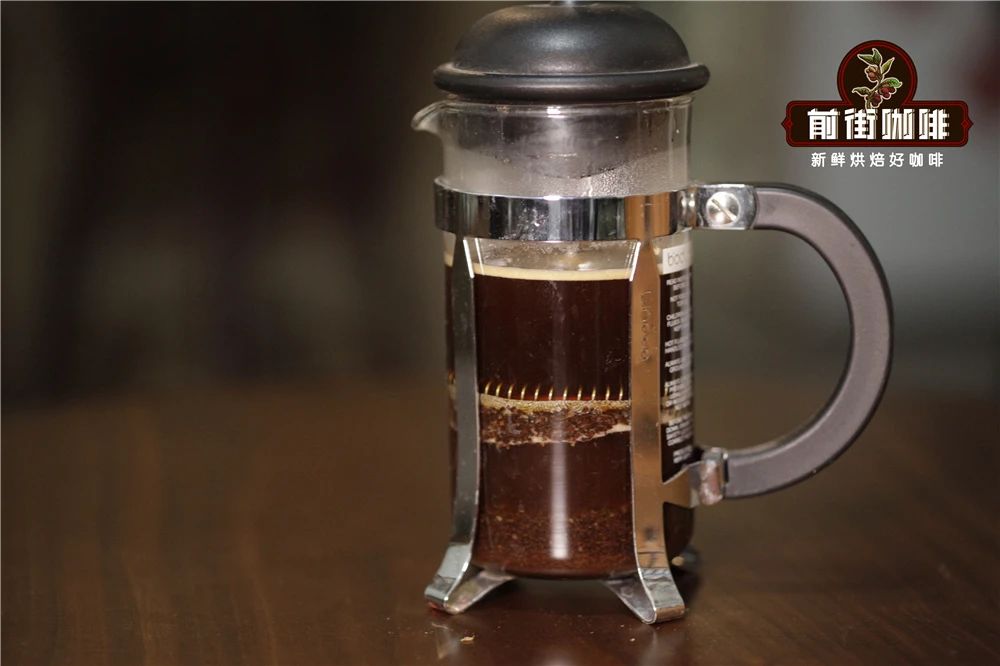
Steeping coffee, as the name suggests, embodies the idea of "steeping." The grounds are soaked in water, and water and coffee sit in a static state for a period of time, relying on the gradual release of the grounds' soluble substances. That is why steeping takes longer than pouring. It is very much like steeping tea, and there are purpose-built vessels for it, such as the French press and the Clever dripper.
The difference between the two methods can be summed up like this: when you "pour," a continuous flow of water washes over the grounds, and the water — now coffee liquid — drains away at the same time. (It's college entrance exam season, which brings to mind that math problem about the swimming pool manager who fills and drains the pool simultaneously.)
"Steeping," meanwhile, means pouring all the water in at once, then letting water and grounds steep together to extract the coffee's soluble flavors, and finally separating the grounds to obtain the liquid.
Which is Better: "Pouring" or "Steeping" Coffee?
For a more direct comparison, we picked a representative for each method: the V60 pour-over for "pouring" and the Clever dripper for "steeping." As for why we didn't choose the French press — FrontStreet Coffee did consider it, but since this was a comparison of "pouring" and "steeping," we felt it would be more objective to raise the filtration performance a level.
First, we selected the Costa Rica Giant Rock Estate Blueberry from FrontStreet Coffee. This bean carries rich blueberry fruit notes and is extremely distinctive — perfect for a side-by-side comparison.
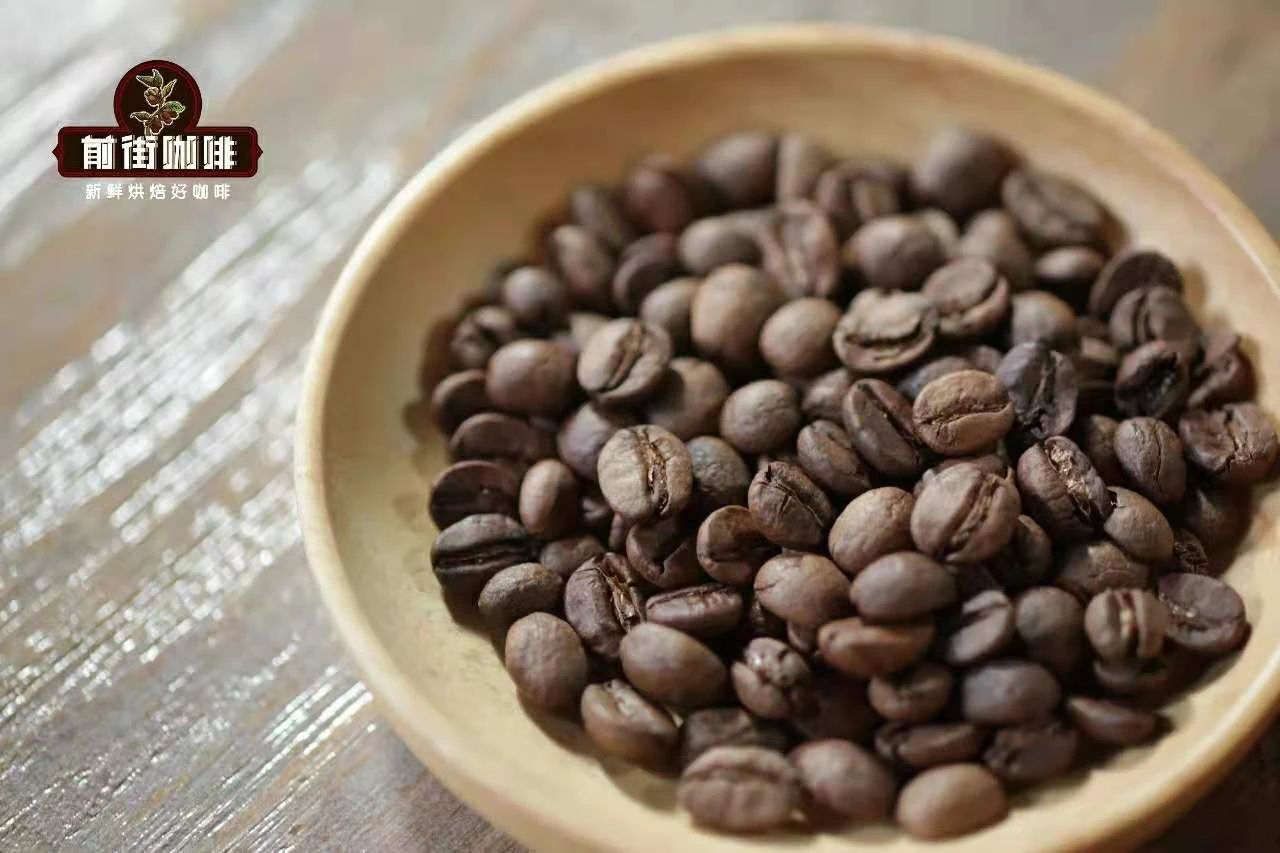
For this test, we planned to brew three cups with the Giant Rock Estate Blueberry using each method, with consistent parameters as follows:
Pour-over parameters: 15g coffee, 20-mesh sieve with 80% pass rate, 1:15 coffee-to-water ratio, 91°C water temperature, three-stage pouring technique;
Clever dripper parameters: 15g coffee, 20-mesh sieve with 75% pass rate, 1:15 coffee-to-water ratio, 93°C water temperature, 4-minute steeping time.
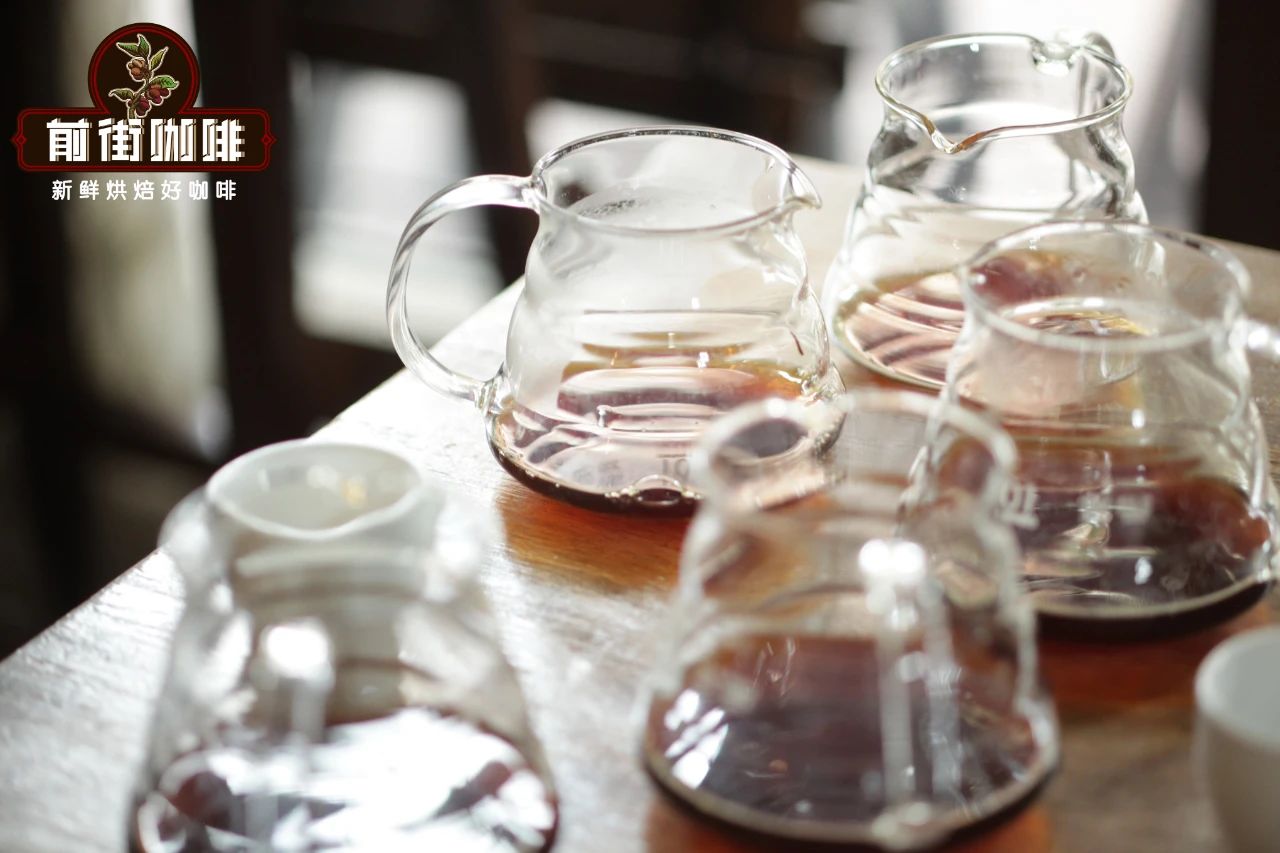
On tasting, all three pour-over cups showed rose aroma and blueberry sweetness with rich layering. The three Clever dripper cups performed more consistently, with sweetness more prominent — but without the pour-over cups' rich complexity.
To take it further, we invited a coffee-loving customer to brew one pour-over and steep one cup in the Clever dripper using the same parameters we had provided.
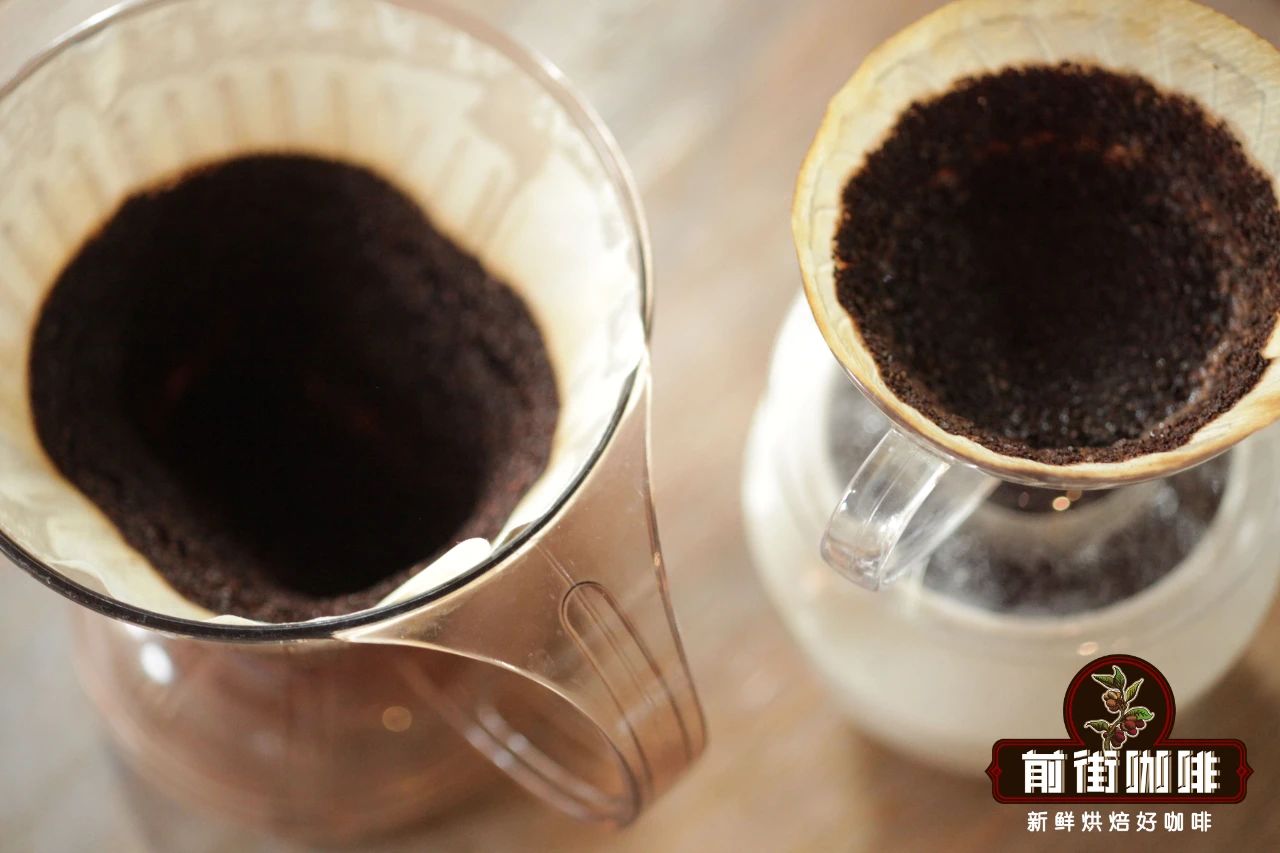
On tasting, we could clearly distinguish the customer's pour-over from our own three pour-over cups. The coffee steeped in the Clever dripper, however, was identical to the previous three Clever cups. In this comparison, then, the "steeped coffee" won outright.
From this it's easy to see where "steeping" shines: stability. Whether you're a beginner or a seasoned barista, as long as your parameters are reasonable, you can produce consistently good coffee.
That said, the floor of "pouring" is higher. To brew well cup after cup, you need not just sound parameters but solid pouring fundamentals. But the ceiling of pouring is also far higher: pour-over leaves a huge amount of room for human control, with diverse pouring techniques opening up infinite possibilities — and that is exactly why so many people are passionate about it.
FrontStreet Coffee Recommendation
If you'd rather skip the pouring skill curve altogether, a French press is the ultimate immersion brewer: add ground coffee, pour in hot water, stir, press the plunger, and pour — as simple as making tea. Because the water and grounds steep together and a metal mesh does the filtering, French press coffee carries richer oils and a heavier, fuller body. Just note that if you can't stand sediment and fine particles in the cup, it may not be for you.
Since immersion extraction gives the grounds a long contact time, light roasts tend to come out overly acidic, muting their florals and delicate layers. The French press is theoretically better suited to medium or dark roasts, which express sweetness and caramelized flavors best. FrontStreet suggests starting with a coarse-sugar grind (about setting 10.5 on the EK43s, or 26 on a C40 hand grinder), a 1:15 ratio (15g of coffee to 225g of water, landing the strength in the 1.1-1.2% range), water around 90°C — 1-2°C warmer than you would use for pour-over, since there's no agitation during the steep — and a 4-minute immersion before slowly pressing and pouring.
For a fragrant, low-effort cup, FrontStreet Strawberry Candy — a Geisha blend custom-built from Costa Rican honey-process and Panamanian washed Geisha coffee — gives off rose, citrus, grape, and dried blueberry aromas when steeped in a French press, and turns to strawberry-gummy sweetness with milk added. If you crave a low-acid black coffee with full body, go for FrontStreet PWN Golden Mandheling: triple hand-sorted plus one machine pass, uniformly large and translucent beans, roasted medium-dark with rich spice, caramel, cedar, and dark chocolate aromas — a thick, oily, wonderfully mellow French press brew.
Important Notice :
FrontStreet Coffee is a long-established specialty coffee roaster in Guangzhou China, selling freshly roasted beans from its own farm in Yunnan as well as dozens of carefully selected single-origin beans from around the world for both pour-over and espresso. The products deliver consistently excellent quality and great value, with shipping within 24 hours. Guangzhou's FrontStreet Coffee shop is recommended by many coffee lovers, and the beans are now available online at the Tmall 。
FrontStreet Coffee has moved to a new address:
FrontStreet Coffee Address: 315,Donghua East Road,GuangZhou
Tel:020 38364473
 Scan and follow the En Gafei WeChat official account. Please indicate that the reprint comes from "En Gafei".