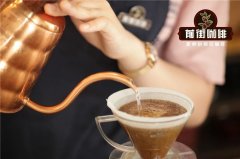
What is the Water-to-Coffee Ratio for Pour-Over Brewing of Nicaragua Mamamina Estate Natural Pacamara Coffee?
China's coffee boom is part of a much larger story about the country's consumer industry, its ambitions, its growing pains, and the debate over why so few Chinese brands have gone global. A widely discussed speech at the 2021 Yabuli China Entrepreneurs Forum put that debate in the spotlight.
Genki Forest's Controversial Remarks on China's Consumer Industry
At the forum on June 8, 2021, Genki Forest founder Tang Binsen reached for the gaming industry as his example. Four years earlier, he noted, China's per capita GDP still lagged far behind the United States and Japan, yet Chinese gamers were already spending on par with their American and Japanese counterparts. Turning to consumer goods, he argued that Chinese consumption isn't so much suppressed, it isn't that people are unwilling or unable to spend, as it is starved of genuinely good products.
Tang went on: Chinese internet companies have won worldwide recognition, but China has no consumer product known to everyone on the planet the way Coca-Cola or Nestlé is. By his measure, the number of companies a country exports says a lot about the maturity of its industries, and China's consumer industry, he said, is being held back. He admitted that when building Genki Forest he initially took detours by following conventional beverage-industry formulas, with quality falling short; the breakthrough came when he had people from outside the industry simply make products they personally loved drinking, cost be damned. He added that for many products, the production and sales teams didn't learn the true costs until two or three months after launch.
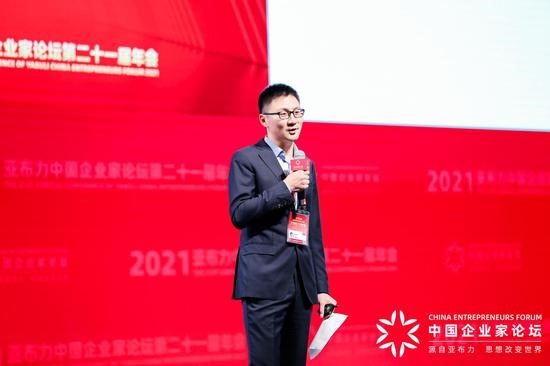
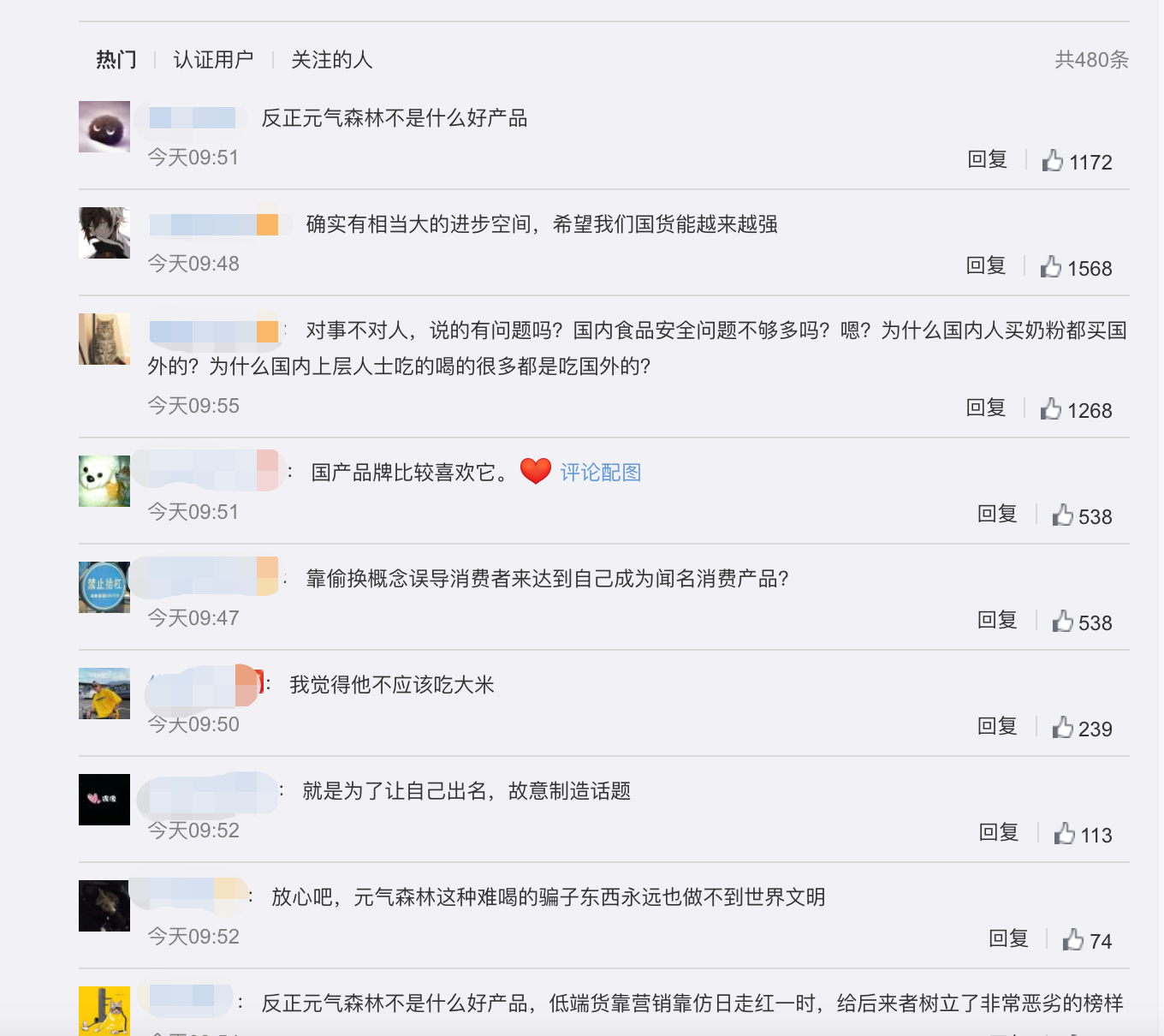
The speech didn't land as intended. It was recast online as "Genki Forest claims China's consumer industry is as backward as the semiconductor industry," and the clip trended for the wrong reasons, with many commenters reading it as controversy-baiting.

Genki Forest's Brand Image and Earlier Controversies
The company had built its reputation on a "sugar-free, healthy" identity. Its sparkling water, marketed as "0 sugar, 0 calories, 0 fat", kicked off China's sugar-free beverage trend and vaulted the brand into the country's top tier. As health consciousness rose among young consumers, Genki Forest became a genuine phenomenon.
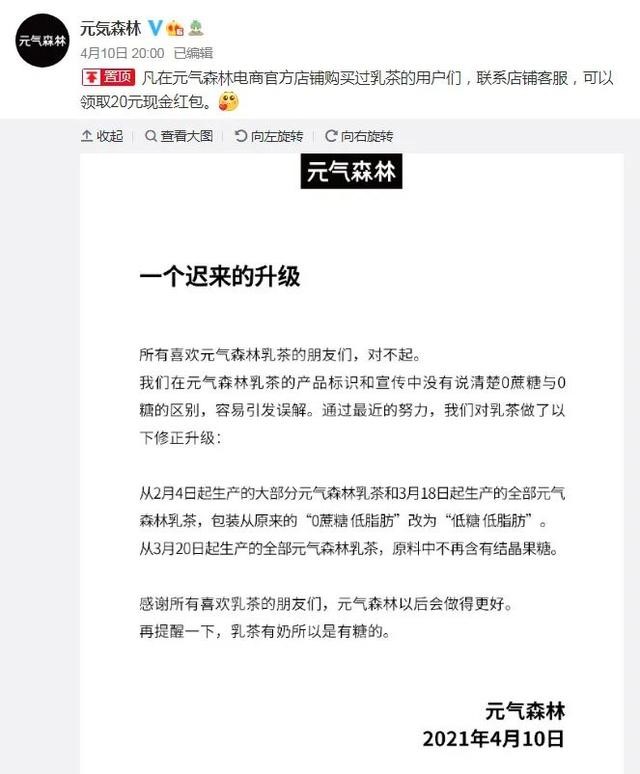
But not long before the forum, the brand weathered a serious trust crisis: its milk tea, labeled "0 sugar, low fat," was found to contain fructose. On April 10, 2021, Genki Forest issued a public apology, conceding it had failed to explain the difference between "0 sugar" and "0 sucrose," and relabeled the product "low sugar, low fat."
Where China's Consumer Industry Stands
Look at the data and the paradox sharpens. China is the fastest-growing retail market in the world, and consumer spending is a powerful engine for GDP, global online merchandise sales alone accounted for nearly a third of global GDP in 2019. Yet Chinese consumer brands still haven't translated that momentum into international standing.
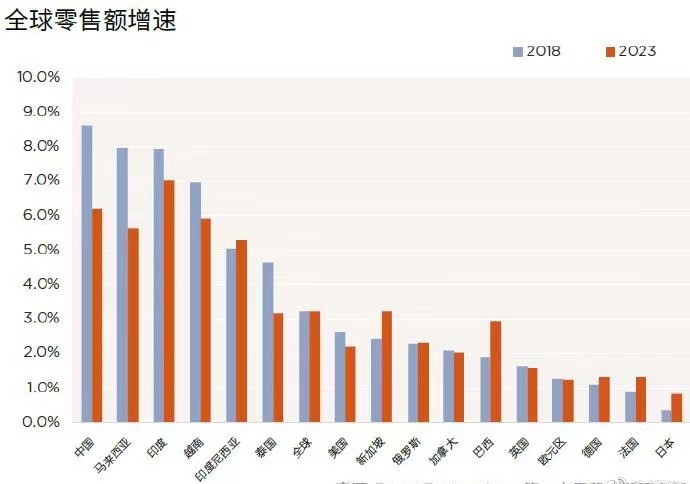
Run down the biggest categories by sales, automobiles, food, clothing, pharmaceuticals, telecom, daily necessities, and the pattern repeats: few Chinese names compete head-to-head with high-end international brands. A lingering perception of "high volume, low quality, cheap price" doesn't help; given the budget, many Chinese buyers still choose a BMW, Mercedes-Benz, or Porsche over a domestic equivalent.
Chinese Brands Going Global
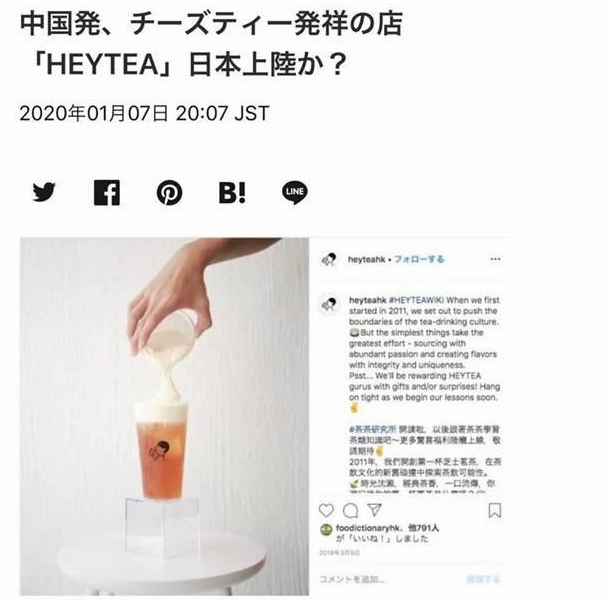
Change is coming, though. In recent years a wave of Chinese brands, HeyTea, CoCo, Haidilao, DJI among them, has expanded abroad, opening stores and building recognition overseas.
The Outlook
China's modern beverage industry is young, and heritage brands from the last century are few. The capacity to consume is there; what's missing is more high-quality domestic products worth consuming. And it helps to keep perspective: a founder's blunt remarks deserve debate, but not knee-jerk outrage built on half the story.
FrontStreet Coffee Recommendation
For anyone inspired to brew rather than just read, FrontStreet Coffee's top pick for pour-over is the Hario V60, the dripper veteran brewers hand to beginners first. Hario, a Tokyo glassware maker founded in 1921 that originally built heatproof laboratory equipment, redesigned the V60's prototype in 2004 and launched it a year later, named for its distinctive 60-degree cone and V shape. The cone funnels every pour toward the center, extending water-to-coffee contact for fuller extraction, while the single large outlet puts flow rate entirely in the brewer's hands. FrontStreet Coffee favors the resin version: it holds heat well and, in mass production, holds the tightest tolerances. Fast, clean extraction is exactly what lets delicate coffees shine, florals, fruit acids, sweetness, and tea notes.
- Light roasts for the V60: FrontStreet Yirgacheffe Guji Dingding, citrus, berries, florals, and a green-tea finish; FrontStreet Ethiopia Huakui, loud tropical fruit (strawberry, passion fruit, jackfruit, even lychee), barely any bitterness, "the coffee for people who don't like coffee"; FrontStreet Panama Esmeralda Red Label Geisha, jasmine, citrus, bergamot, and black tea, clean and layered, a splurge but a legendary one; FrontStreet Kenya Cherry Tomato, washed SL28/SL34 from Thika at 1,550–1,750 m, 72-hour double fermentation, tasting of cherry tomato, dried plum, pear, and black plum with raw-sugar sweetness.
- Medium-dark roasts: FrontStreet PWN Golden Mandheling, deep roast, herbal and dark chocolate with a whisper of earth, low acid and heavy-bodied; FrontStreet Brazil Queen Estate, balanced, nutty and cocoa-sweet with caramel, excellent for pour-over, espresso, or moka pot; FrontStreet Jamaica Blue Mountain No.1, the benchmark for balance: cream, caramel, chocolate, nuts, and honey with a clean, lingering finish; FrontStreet 2013 Yunnan Natural Typica, clean citrus and caramel with nut, chocolate, and brown sugar; FrontStreet Papua New Guinea Paradise Bird Estate, Typica grown at 1,600–1,800 m on volcanic soil, AA grade, triple-washed, so clean and sweet that fans call it "Little Blue Mountain."
Important Notice :
FrontStreet Coffee is a long-established specialty coffee roaster in Guangzhou China, selling freshly roasted beans from its own farm in Yunnan as well as dozens of carefully selected single-origin beans from around the world for both pour-over and espresso. The products deliver consistently excellent quality and great value, with shipping within 24 hours. Guangzhou's FrontStreet Coffee shop is recommended by many coffee lovers, and the beans are now available online at the Tmall 。
FrontStreet Coffee has moved to a new address:
FrontStreet Coffee Address: 315,Donghua East Road,GuangZhou
Tel:020 38364473
 Scan and follow the En Gafei WeChat official account. Please indicate that the reprint comes from "En Gafei".