
Characteristics and Uses of Robusta Coffee Beans: How to Blend Indonesian and Vietnamese Coffee Beans
Professional coffee knowledge exchange. For more coffee bean information, please follow Coffee Workshop (WeChat official account: cafe_style)
In specialty coffee beans, Arabica coffee beans are the most commonly heard. When it comes to Robusta coffee beans, they are not within the specialty coffee range. Robusta is probably only known for its poor flavor and its use in commercial beans. Today, FrontStreet Coffee will take everyone to get to know this coffee variety: Robusta.
The Origin of Robusta
Robusta originated in the Congo region of West Africa. We often compare Arabica with Robusta, but this is not actually rigorous because these two are not even at the same level botanically. Robusta actually belongs to the Canephora species, also known as Congo species, similar to how Typica belongs to the Arabica species. However, unfortunately, only one variety named Robusta within the Canephora species can be commercialized and is well-known, so now Robusta has almost replaced Canephora as the synonymous name for this species.
The Appearance of Robusta Coffee Beans
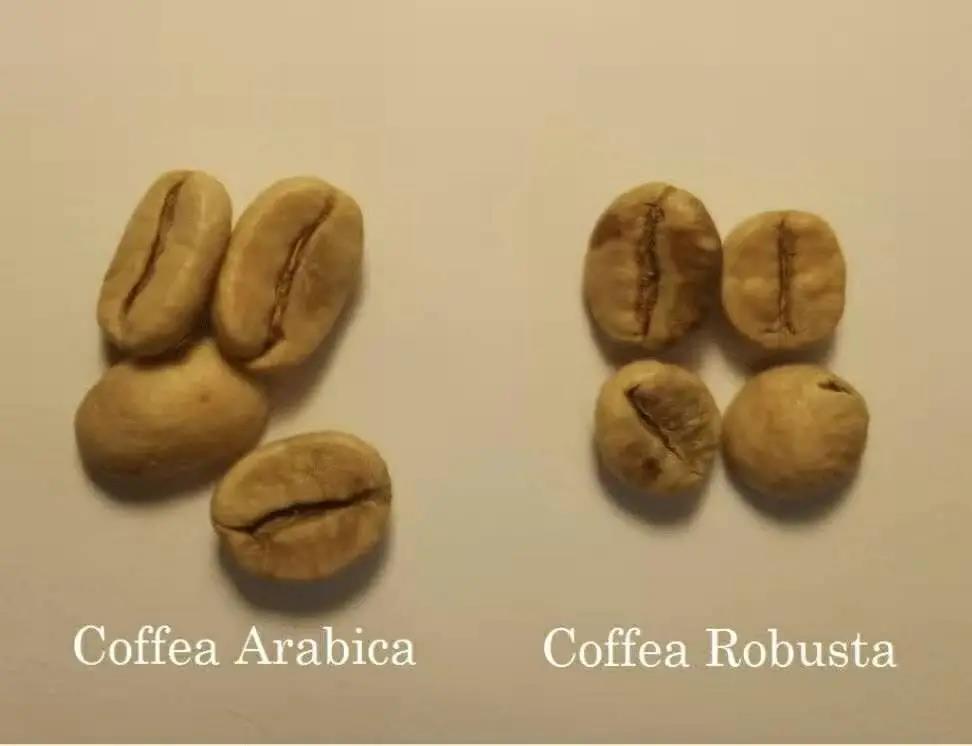
Robusta coffee beans have one bean per fruit. Robusta beans are relatively round and C-shaped; the center line is "1" shaped, and the raw beans have a yellowish-brown color.
Advantages of Robusta
Growing Conditions
The global coffee growing belt lies between the Tropics of Cancer and Capricorn, and Robusta is no exception. However, Robusta's growing conditions are not as demanding as Arabica's. Robusta can grow at lower altitudes and higher temperatures. It grows faster than Arabica and has higher tolerance to extreme weather conditions. Robusta is widely cultivated in countries like Vietnam, Brazil, and India. Hainan, China also grows Robusta.
Insect Resistance
Robusta's caffeine content ranges from 2.7% to 4%, twice that of Arabica. Caffeine, as a natural pesticide for plants, can protect it from most insect damage.
Disease Resistance
We generally know that Arabica has 44 chromosomes while Robusta has 22. Generally, the more chromosomes, the higher the genetic complexity and the more advanced, but Arabica is self-pollinating while Robusta is cross-pollinating. Pollination involves the genetic process.
Under normal circumstances, cross-pollinated plants have higher quality—offspring produced through cross-pollination possess genetic traits from both parent plants, which can likely generate new characteristics to help them survive in changing environments. Therefore, self-pollinating Arabica is quite fragile; during continuous reproduction, its genes become increasingly uniform (without involvement of foreign genes). Thus, if certain diseases (such as leaf rust) appear, they could potentially wipe out coffee plants with the same genes. The strength of Robusta lies in its ability to continuously change genes to adapt to the environment.
Disadvantages of Robusta
Flavor: Compared to Arabica, Robusta has higher caffeine, amino acid, and chlorogenic acid content. Chlorogenic acid is the source of bitterness, so Robusta naturally lacks the elegant aromatic flavor unique to Arabica beans. Instead, it has a richer, deeper taste with flavors of walnuts, peanuts, hazelnuts, wheat, grains, and even pungent earthy notes. Because of Robusta's inferior flavor, it is often rejected by the specialty coffee community and is generally used for blending with Arabica or for instant coffee.
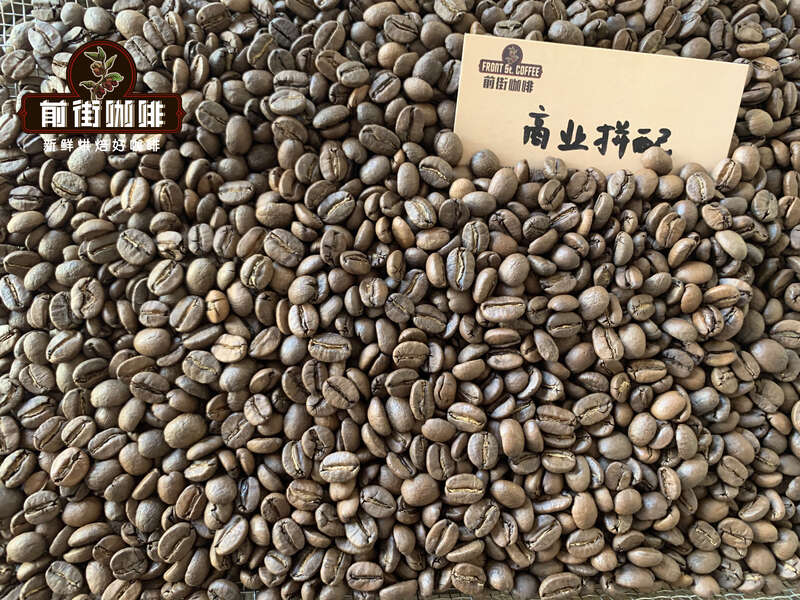
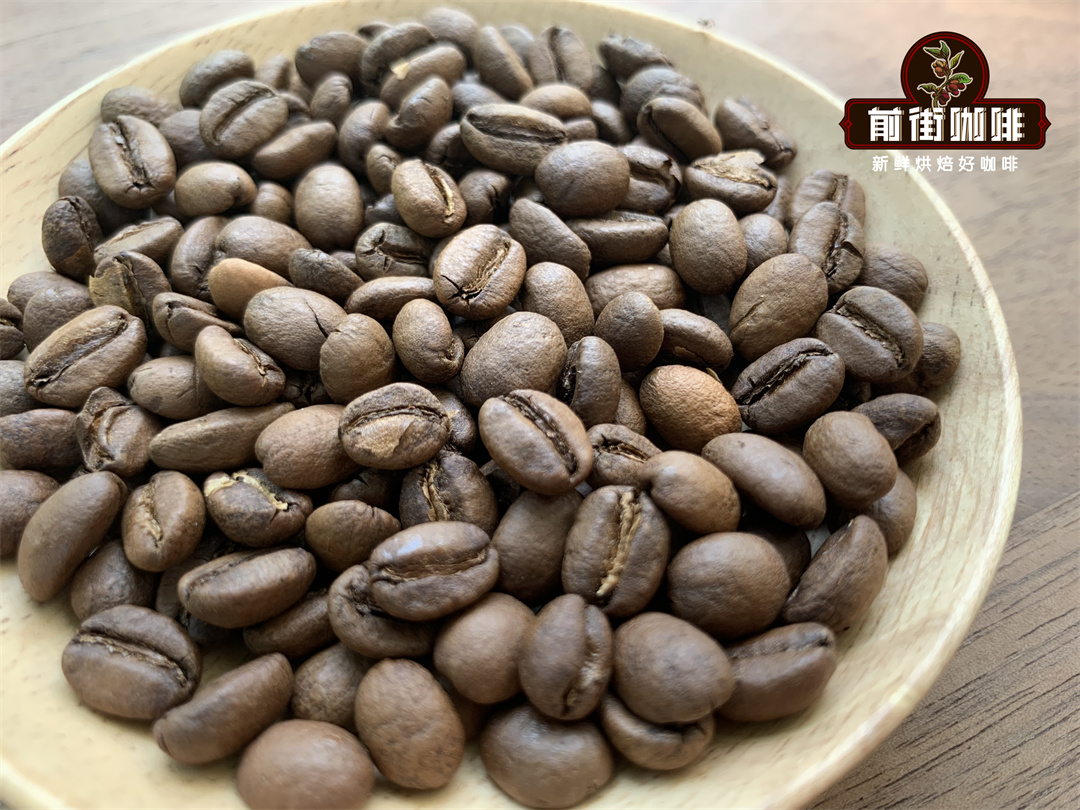
Robusta beans are also widely used in espresso blends. Just like FrontStreet Coffee's commercial blend coffee beans, which consist of 30% Colombian Arabica, 60% Brazilian Arabica, and 10% Robusta. The Robusta beans provide rich coffee oils, making the flavor rich and mellow, with caramel sweetness, nutty and cocoa-like flavors, dark chocolate notes, balanced sweet and sour, with a slight bitterness, and a lasting aftertaste.
For more specialty coffee beans, please add FrontStreet Coffee on private WeChat, WeChat ID: kaixinguoguo0925
FrontStreet Coffee is a long-established specialty coffee roaster in Guangzhou China, selling freshly roasted beans from its own farm in Yunnan as well as dozens of carefully selected single-origin beans from around the world for both pour-over and espresso. The products deliver consistently excellent quality and great value, with shipping within 24 hours. Guangzhou’s FrontStreet Coffee shop is recommended by many coffee lovers, and the beans are now available online at the Tmall 。
Important Notice :
前街咖啡 FrontStreet Coffee has moved to new addredd:
FrontStreet Coffee Address: 315,Donghua East Road,GuangZhou
Tel:020 38364473

- Prev
Changes from Roasting Coffee Beans, The Acidity-Bitterness Principle of Coffee Flavor
Professional coffee knowledge exchange For more coffee bean information, please follow Coffee Workshop (WeChat public account: cafe_style) Changes from Roasting Coffee Beans, The Acidity-Bitterness Principle of Coffee Flavor Coffee flavor is generally composed of bitterness and acidity. However, where do these flavors come from? Additionally, why does the balance between bitterness and acidity change with different degrees of roasting? FrontStreet Coffee
- Next

Congo Coffee Growing Region News: Congo Volcanic Eruption Causes Evacuation of Coffee Growing Areas
For professional coffee knowledge exchange and more coffee bean information, please follow Coffee Workshop (WeChat public account: cafe_style). You might not be very familiar with the Democratic Republic of Congo as a coffee-producing country. Coffee from this origin has a rich body, exhibits characteristics of dark berries, with hints of citrus and spice. Unexpectedly, the Democratic Republic of Congo has recently become known to many due to this incident. On May 22nd, located...
Related
- How to make bubble ice American so that it will not spill over? Share 5 tips for making bubbly coffee! How to make cold extract sparkling coffee? Do I have to add espresso to bubbly coffee?
- Can a mocha pot make lattes? How to mix the ratio of milk and coffee in a mocha pot? How to make Australian white coffee in a mocha pot? How to make mocha pot milk coffee the strongest?
- How long is the best time to brew hand-brewed coffee? What should I do after 2 minutes of making coffee by hand and not filtering it? How long is it normal to brew coffee by hand?
- 30 years ago, public toilets were renovated into coffee shops?! Multiple responses: The store will not open
- Well-known tea brands have been exposed to the closure of many stores?!
- Cold Brew, Iced Drip, Iced Americano, Iced Japanese Coffee: Do You Really Understand the Difference?
- Differences Between Cold Drip and Cold Brew Coffee: Cold Drip vs Americano, and Iced Coffee Varieties Introduction
- Cold Brew Coffee Preparation Methods, Extraction Ratios, Flavor Characteristics, and Coffee Bean Recommendations
- The Unique Characteristics of Cold Brew Coffee Flavor Is Cold Brew Better Than Hot Coffee What Are the Differences
- The Difference Between Cold Drip and Cold Brew Coffee Is Cold Drip True Black Coffee