Changes from Roasting Coffee Beans, The Acidity-Bitterness Principle of Coffee Flavor
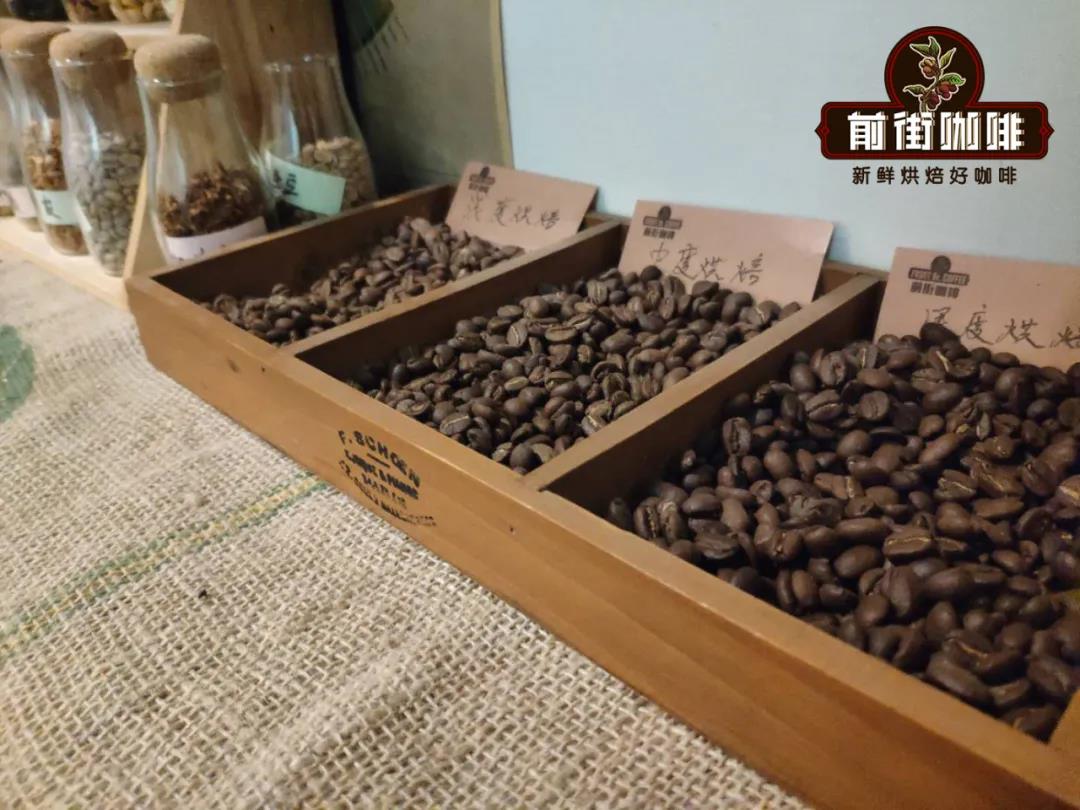
The flavor of coffee
Coffee flavour is built mainly from bitterness and acidity. But where do those two come from, and why does their balance shift as the roast gets darker? According to FrontStreet Coffee, understanding the reasons makes coffee more interesting to drink.
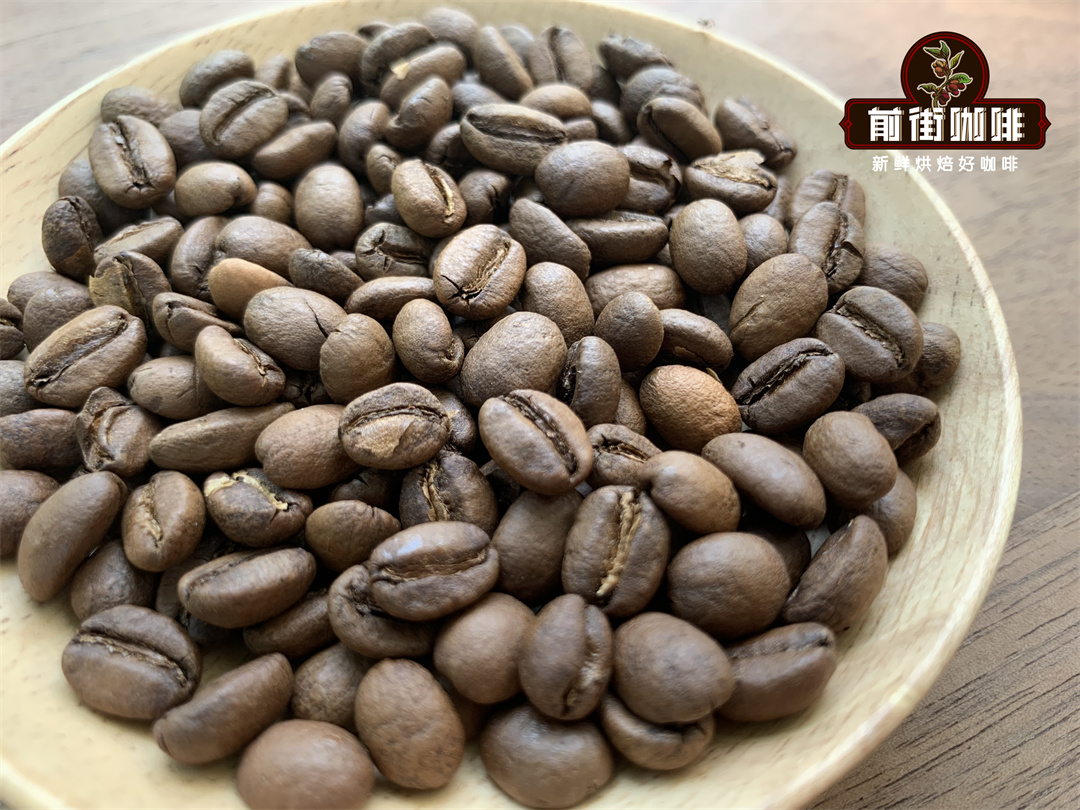
Most of what you taste in coffee is created during roasting, not before it.
Why darker roasting produces stronger bitterness
When people talk about coffee flavour, bitterness is usually the first thing that comes to mind. Most assume it comes from caffeine, but looking at the proportion of everything in the bean, caffeine is actually a very small part. Coffee's bitterness comes mainly from compounds other than caffeine. Dried green beans consist mostly of polysaccharides — the fibres that form the plant's structure — along with proteins, lipids, sugars such as sweet sucrose, chlorogenic acid, malic acid, citric acid, quinic acid and other acids, plus caffeine.
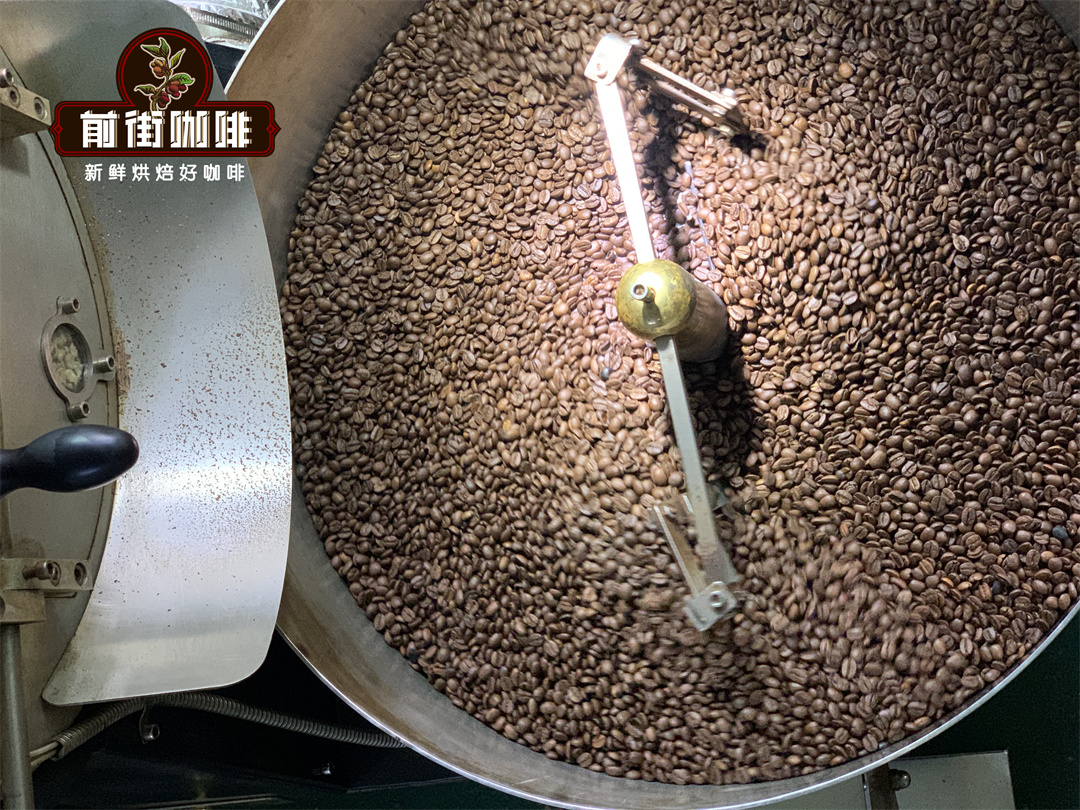
After roasting, the beans turn brown largely because sugars, chlorogenic acid and amino acids produce brown pigments — and those pigments are themselves one of the elements of bitterness.
Brown pigments can be roughly sorted by size: the larger the molecule, the stronger the bitterness. Light-roasted beans contain many small-molecule pigments, and large-molecule pigments increase as the roast deepens. In other words, bitterness grows with the roast because of how the pigments change.
Quinic acid is the main component of coffee acidity
The acidity you perceive when drinking coffee does not come from the acidic compounds such as malic acid or citric acid present in the green bean. It comes mainly from new acids created by chemical reactions during roasting. The primary source is quinic acid, produced when chlorogenic acid breaks down, and it has a more pronounced effect on perceived acidity. Acetic acid and phosphoric acid also contribute in quantity.
Even before the beans reach the light-roast stage, total acid — quinic acid especially — keeps rising from a very early point. As the temperature climbs further, thermal decomposition begins and the amount of acid gradually falls as the roast deepens. That is why acidity weakens with darker roasting.
The levels of sugars and chlorogenic acid in the green bean vary with variety — Arabica versus Canephora, for instance — and with growing conditions. Those differences also shape the character of the bean.
FrontStreet Coffee Recommendation
For a balanced cup, the usual advice is to start from a medium roast, and FrontStreet Brazil Queen's Estate is a textbook case. If you dislike both acidity and bitterness, this is the bean to buy. It comes from the world's largest coffee producer and is the region's distinctive yellow Bourbon variety. Clean and gently sweet at heart, it gains aromas of cream, peanut, chocolate, toast and sugarcane after medium roasting. It brews by pour-over, and also in a moka pot or home espresso machine.
FrontStreet Strawberry Candy Geisha Blend suits anyone who wants a sweeter medium roast. It is built from two well-known Central and South American origins: a honey-processed Costa Rican coffee and a washed Panamanian Geisha. To bring out the best in both, FrontStreet roasts to a medium level, so the cup shows both the citrus and honeyed perfume of Geisha and a rounded sweetness. It works as cold brew, pour-over or espresso, and drinks refreshingly from the first sip.
FrontStreet 2013 Sun-Dried Typica represents Chinese specialty coffee. As a true expression of Yunnan small bean, it is medium roasted to restore its balanced, gentle character, with soft notes of nuts, brown sugar, black tea and dried apricot. It is suited to pour-over, cold brew and automatic filter machines, and offers very good value.
FrontStreet Jamaica Blue Mountain No.1 is the classic medium-roast benchmark. The variety grown in Jamaica's Blue Mountains is Typica, a world-renowned high-quality Arabica, and the geography is essential to the balance the bean is famous for. FrontStreet roasts Blue Mountain No.1 to a medium level, which folds its acidity, bitterness, sweetness and body into a single elegant impression — chocolate, roasted nuts, cream and caramel appear as soon as you sip, a combination few other coffees can approach.
Important Notice :
FrontStreet Coffee is a long-established specialty coffee roaster in Guangzhou China, selling freshly roasted beans from its own farm in Yunnan as well as dozens of carefully selected single-origin beans from around the world for both pour-over and espresso. The products deliver consistently excellent quality and great value, with shipping within 24 hours. Guangzhou's FrontStreet Coffee shop is recommended by many coffee lovers, and the beans are now available online at the Tmall 。
FrontStreet Coffee has moved to a new address:
FrontStreet Coffee Address: 315,Donghua East Road,GuangZhou
Tel:020 38364473
 Scan and follow the En Gafei WeChat official account. Please indicate that the reprint comes from "En Gafei".