What Coffee Beans Does Starbucks Use? How to Select and Roast Coffee Beans
With so many new coffee brands appearing, choosing coffee has become harder for ordinary drinkers than ever. Buying coffee is now a genuinely tricky matter, and the question of what kind of beans to pick for pour-over brewing comes up again and again.
The first essential factor in whether a coffee wins people's hearts is the quality of the beans. Only high-quality coffee has the chance to brew into a delicious cup. There are currently two broad categories on the market: commercial beans, which are of lower quality with high defect rates, and specialty beans, which cost several times more than commercial beans. So how do you choose beans that suit you? FrontStreet Coffee offers a few suggestions.
Understand Your Flavor Preferences
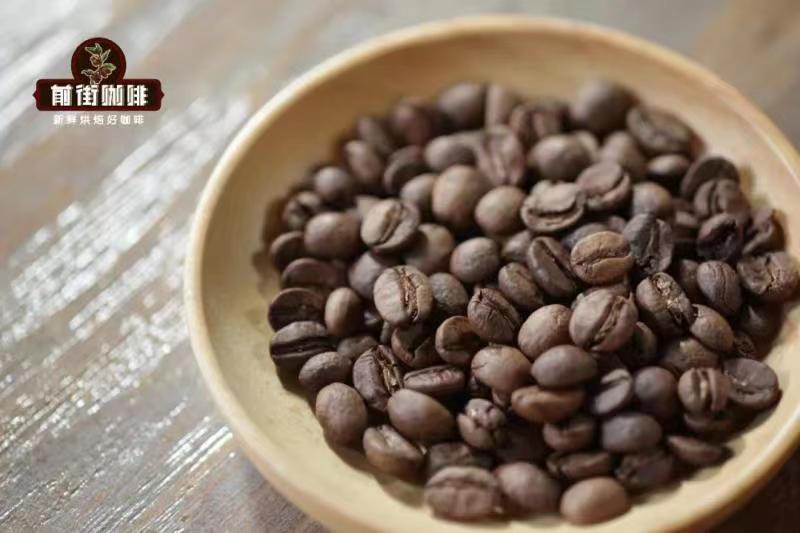
Arabica and Robusta are easily distinguishable by appearance. Arabica grows at high altitudes and is known for its smooth, gently acidic taste, while Robusta grows at low altitudes and is known for its stronger, more bitter flavor.
Determine Which Type of Coffee You Prefer
There is a significant price gap between Arabica and Robusta beans. Arabica is the higher grade of the two, but depending on how it is grown and roasted, that does not guarantee every Arabica coffee is high quality. Robusta beans are often found in affordable blended coffees.
Caffeine Content Intake
Contrary to common belief, dark roast coffee actually contains less caffeine than medium or light roast coffee. Light roast has the highest caffeine content, while espresso beans are typically medium roasted with moderate caffeine.
Ground Coffee vs. Coffee Beans
The only advantage of pre-ground coffee is convenience - especially if you always oversleep in the morning and have no time to grind slowly, or you have not bought a grinder yet. Ground coffee lets you quickly enjoy a decent cup. If you do buy ground coffee, two suggestions: (1) buy only about two weeks' worth at a time to preserve as much flavor as possible, and (2) store it in a good airtight container. Without a doubt, however, the freshest coffee comes from whole beans ground just before brewing, so we strongly recommend buying whole beans. Is grinding your own beans troublesome? Actually, it is quite enjoyable - and it protects the flavor!
Coffee beans are the best form in which to preserve coffee's complete flavor, keeping it fresh and true to its original taste. Grinding is a real skill in itself, but trust us: once you start grinding your own beans, you will never go back to pre-ground. Experimenting with the different flavors produced by various grind sizes is one of the great joys of pour-over coffee.
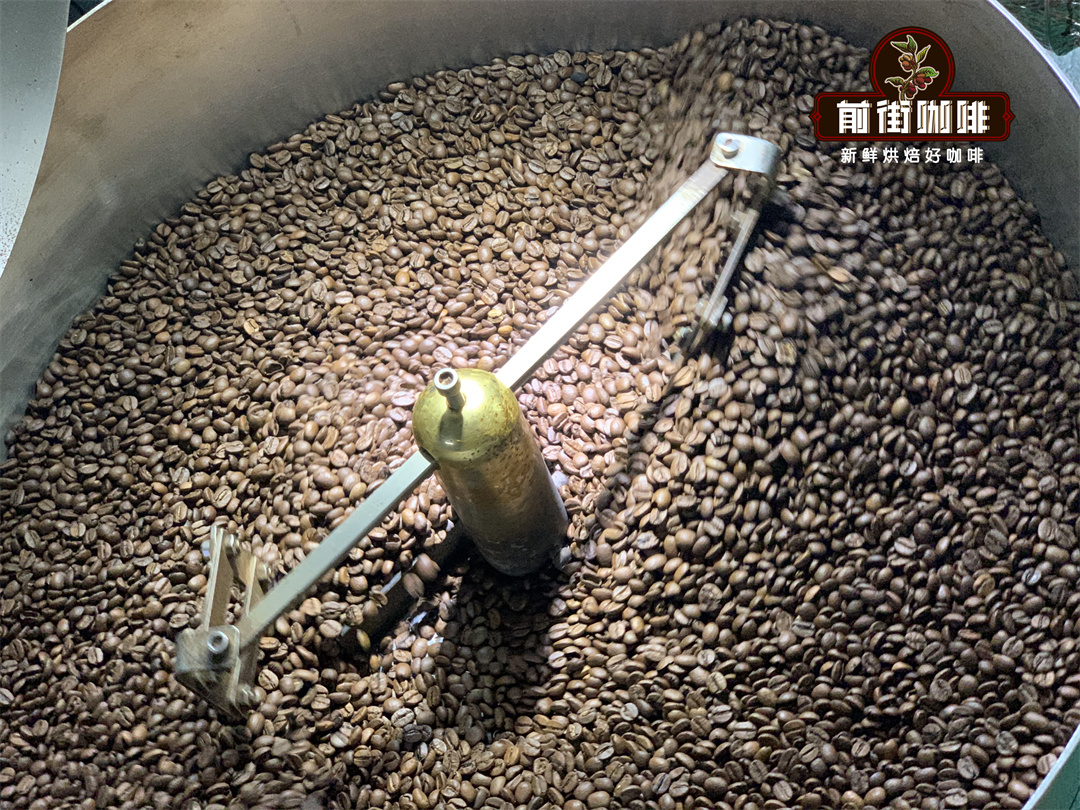
The Impact of Coffee Roast Level on Flavor
Roast level also significantly affects flavor, though broadly it falls into three types:
Light Roast: High acidity, smooth taste, preserving the bean's original variety and regional character - closer to a fruit tea than to "classic coffee."
Medium Roast: Balanced sweetness and acidity, retaining the coffee's fruit flavors while bringing caramel, nut, and cocoa notes - the preference of most drinkers.
Dark Roast: Like a mellow whiskey, rich and layered, suitable drunk straight or with milk. If someone tells you that only light roast counts as third-wave specialty coffee and that dark roast is outdated and bad, you can roll your eyes and tell them the concept is completely wrong. There is no good or bad in roast levels - flavor decides everything. The flavor you like is the best one for you.
Finally, FrontStreet Coffee recommends a flavor classification table for beans, so you can pick coffees from different regions according to your taste:
Acidity: Mocha, Hawaiian Kona, Mexico, Guatemala, high-altitude Costa Rica, Kilimanjaro, Colombia, Zimbabwe, El Salvador, washed premium new-crop beans of the Western Hemisphere
Bitterness: Java, Mandheling, Bogota, Angola, Congo, the various old-style beans of Uganda
Sweetness: Colombia Mandheling, Venezuelan old-crop beans, Blue Mountain, Kilimanjaro, Mocha, Guatemala, Mexico, Kenya, Santos, Haiti
Neutral Flavor: Brazil, El Salvador, low-altitude Costa Rica, Venezuela, Honduras, Cuba
Mellow: Colombia, Mandheling, Mocha, Blue Mountain, Guatemala, Costa Rica
Generally speaking, acidic beans - especially high-quality new-crop beans - are best roasted lightly, and bitter beans also take well to lighter roasting. Sweet beans are mostly high-altitude washed specialty coffees, where the roast often decides whether they develop a smooth, drinkable bitterness. Neutral-flavored beans, even when not from high-altitude regions, need steady, careful processing to guarantee consistent quality.
FrontStreet Coffee Recommendation
If you brew with a Hario V60, FrontStreet Coffee recommends leaning into its fast, aromatic extraction with floral-and-fruit coffees: the FrontStreet Yirgacheffe Workado (Guodingding) Cooperative, with its citrus, berry, and white-floral brightness; the FrontStreet Ethiopia Hambela (Huakui), bursting with tropical fruit; the FrontStreet Strawberry Candy, a blend built around Gesha-style florality; and the FrontStreet Mozart, with its distinctive raisin sweetness.
For those who prefer the classic, mellow direction, the FrontStreet Jamaica Blue Mountain No.1 and FrontStreet PWN Golden Mandheling represent the old-school favorites, while the FrontStreet Brazil Fazenda Rainha (Queen Estate), FrontStreet 2013 Yunnan Typica, and FrontStreet Papua New Guinea Paradise Bird deliver low-acid, nutty, chocolatey comfort. Roast level, as always, matters more than fashion - choose the flavor you love.
Important Notice :
FrontStreet Coffee is a long-established specialty coffee roaster in Guangzhou China, selling freshly roasted beans from its own farm in Yunnan as well as dozens of carefully selected single-origin beans from around the world for both pour-over and espresso. The products deliver consistently excellent quality and great value, with shipping within 24 hours. Guangzhou's FrontStreet Coffee shop is recommended by many coffee lovers, and the beans are now available online at the Tmall 。
FrontStreet Coffee has moved to a new address:
FrontStreet Coffee Address: 315,Donghua East Road,GuangZhou
Tel:020 38364473
 Scan and follow the En Gafei WeChat official account. Please indicate that the reprint comes from "En Gafei".