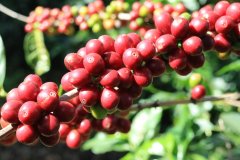
Ethiopia New Harvest Guanhua 5.0 Coffee Beans vs. Small Bean Guanhua Coffee Beans Review Comparison
The 2021 harvest season of Guji Uraga Coffee 5.0 has arrived, and FrontStreet Coffee has been watching it closely. In April, when the first batch of Guji Uraga 5.0 reached the store, FrontStreet Coffee immediately began roasting and cupping it, and specially compared it with the small-bean Guji Uraga coffee beans that FrontStreet Coffee particularly loves.
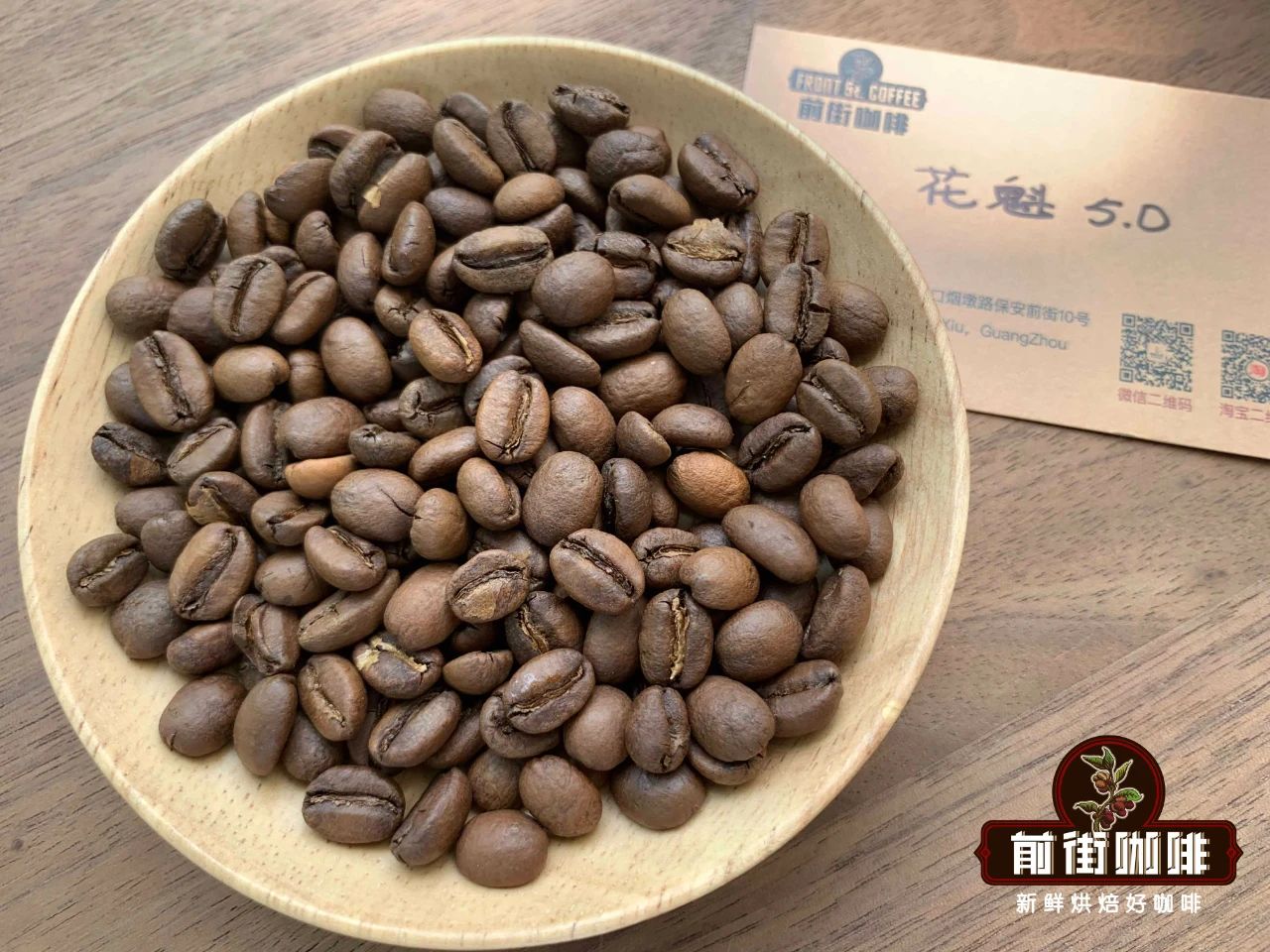
How to Distinguish Guji Uraga Coffee Beans?
If you open a search engine and look for Guji Uraga coffee beans, you will find Guji Uraga 2.0, 3.0, 4.0, and so on. FrontStreet Coffee will briefly help you understand the differences between these beans.
Let's go back to 2017, when a natural coffee from DW company's "Buku Abel" processing station won the TOH natural category championship. Chinese green bean importers brought this champion bean to China and named it "Guji Uraga." The coffee had rich strawberry and cream aromas. That same year, Beijing's Li Jianfei took the runner-up spot in the 2017 World Brewers Cup China region using this Guji Uraga coffee, with other competing beans that year being Geisha. This added considerable fame to Guji Uraga beans. Note that at this time, Guji Uraga carried the title of the 2017 TOH champion bean.
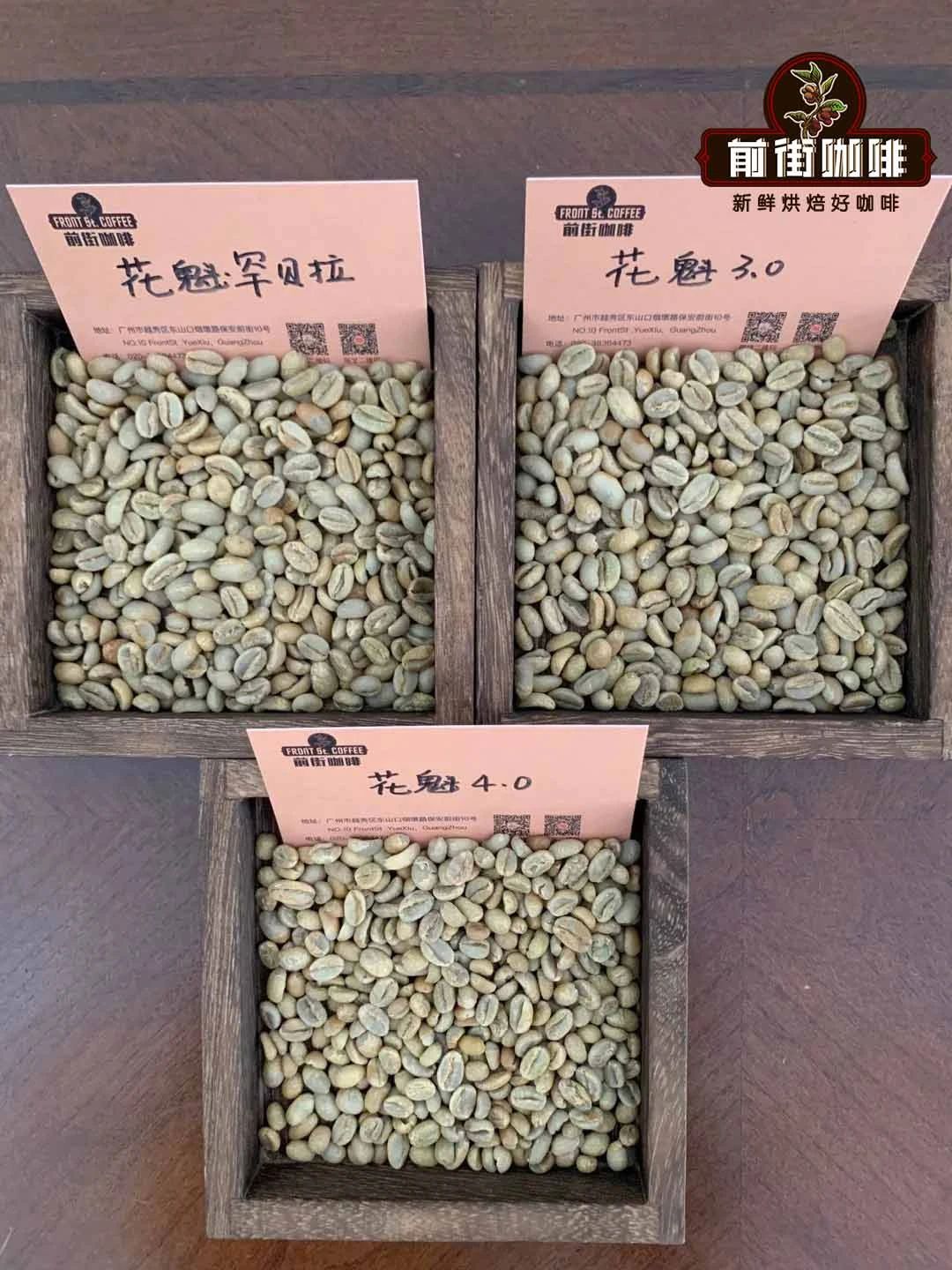
DW company subsequently expanded to 4 processing stations in the Guji Uraga region: Buku Abel, Buku Saysay, Haro Soresa, and Tirtiro Goye. Then they launched Guji Uraga 2.0 in 2018, Guji Uraga 3.0 and 3.1 in 2019, Guji Uraga 4.0 in 2020, and Guji Uraga 5.0 in 2021.
It is not hard to see, then, that the Guji Uraga X.0 naming convention is based on the year: Guji Uraga 3.0 is coffee from the 2019 harvest season, and Guji Uraga 4.0 is from the 2020 harvest season. Beyond that yearly pattern, the 2017 Guji Uraga was only natural processed coffee from the Buku Abel processing station, while DW company gradually expanded its stations and increased production. Its flavor profile also differs distinctly from the 2017 Guji Uraga. Strictly speaking, only natural processed coffee from the Buku Abel processing station can be called Guji Uraga.
The flavor and aroma of small-bean Guji Uraga are very similar to the 2017 Guji Uraga. Initially, FrontStreet Coffee found flavors similar to the 2017 Guji Uraga in the 2018 and 2019 harvest batches, but they did not match it in body and aftertaste. FrontStreet Coffee discovered that the main source of the 2017 Guji Uraga's aroma was some particularly small-bean varieties among the Guji Uraga beans, and similar small beans were also found in the 2018 and 2019 harvests. Starting in 2020, the processing station began processing the small-bean Guji Uraga separately, so small-bean Guji Uraga does not belong to the X.0 series. From 2020 on, DW company separated and processed the small-bean variety on its own, forming small-bean Guji Uraga coffee beans.
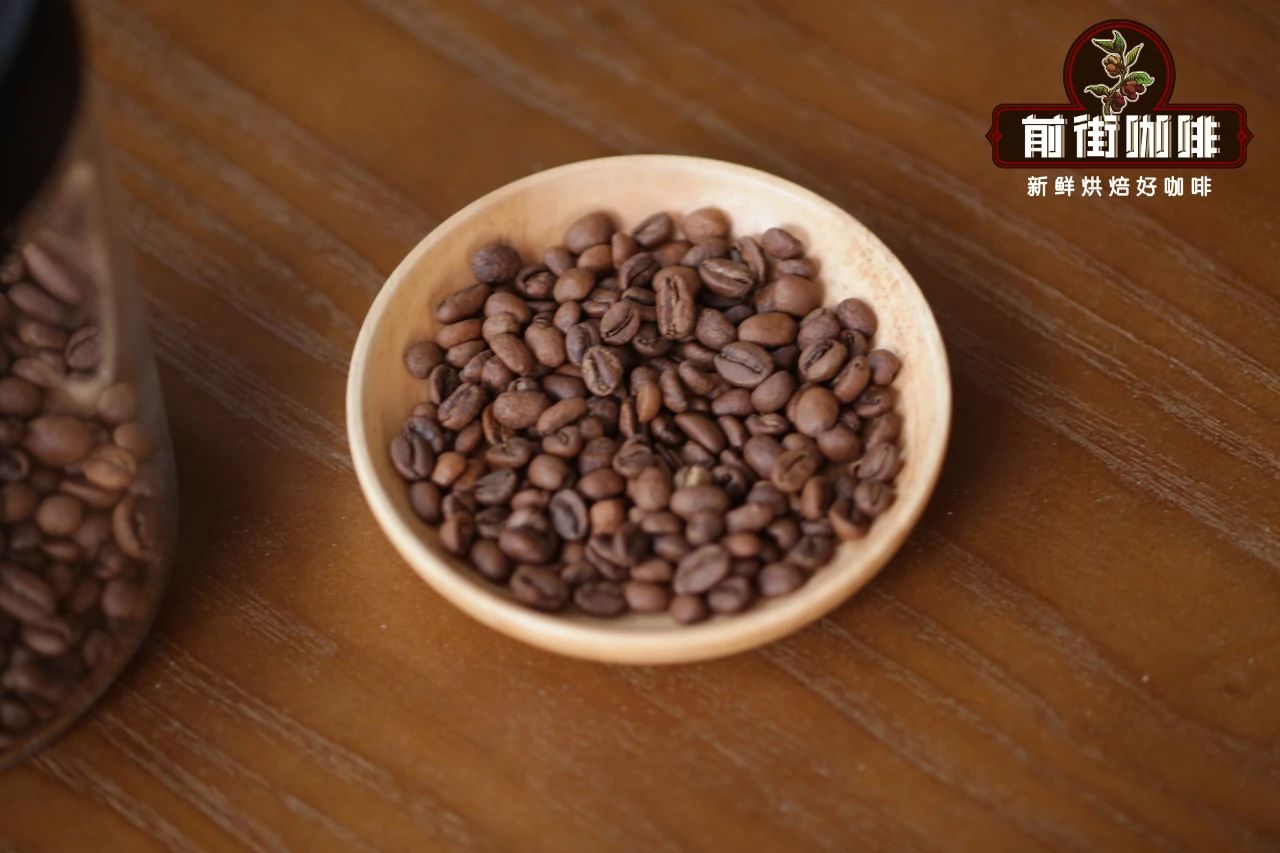
Comparison Between Small-Bean Guji Uraga and Guji Uraga 5.0 Coffee Beans
First, let's look at photos comparing the raw and roasted beans of small-bean Guji Uraga and Guji Uraga 5.0. Both are coffee beans from the new 2021 harvest. The small-bean Guji Uraga beans are significantly smaller than the Guji Uraga 5.0 beans, and the proportion of small beans is significantly higher than in Guji Uraga 5.0.
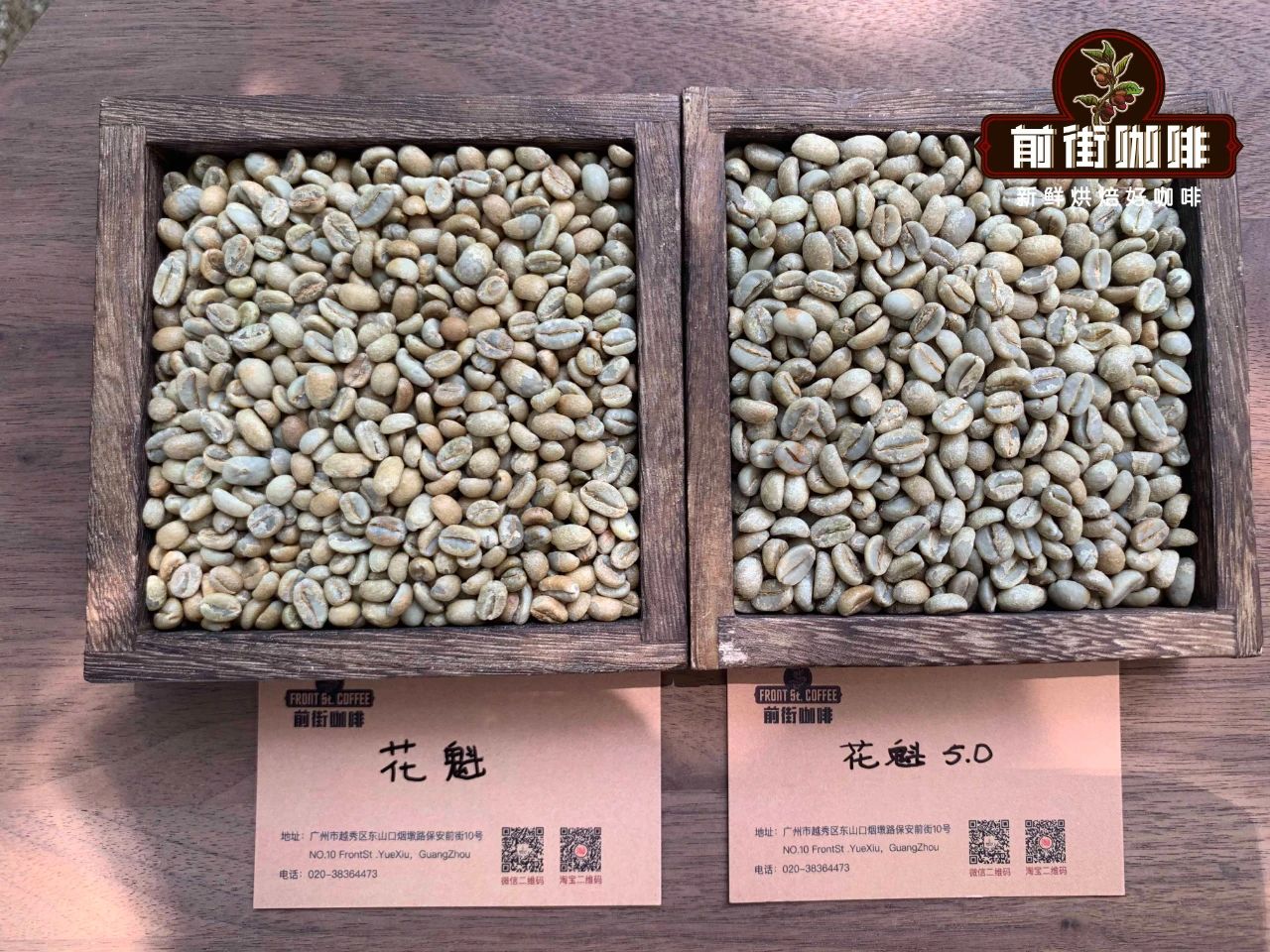
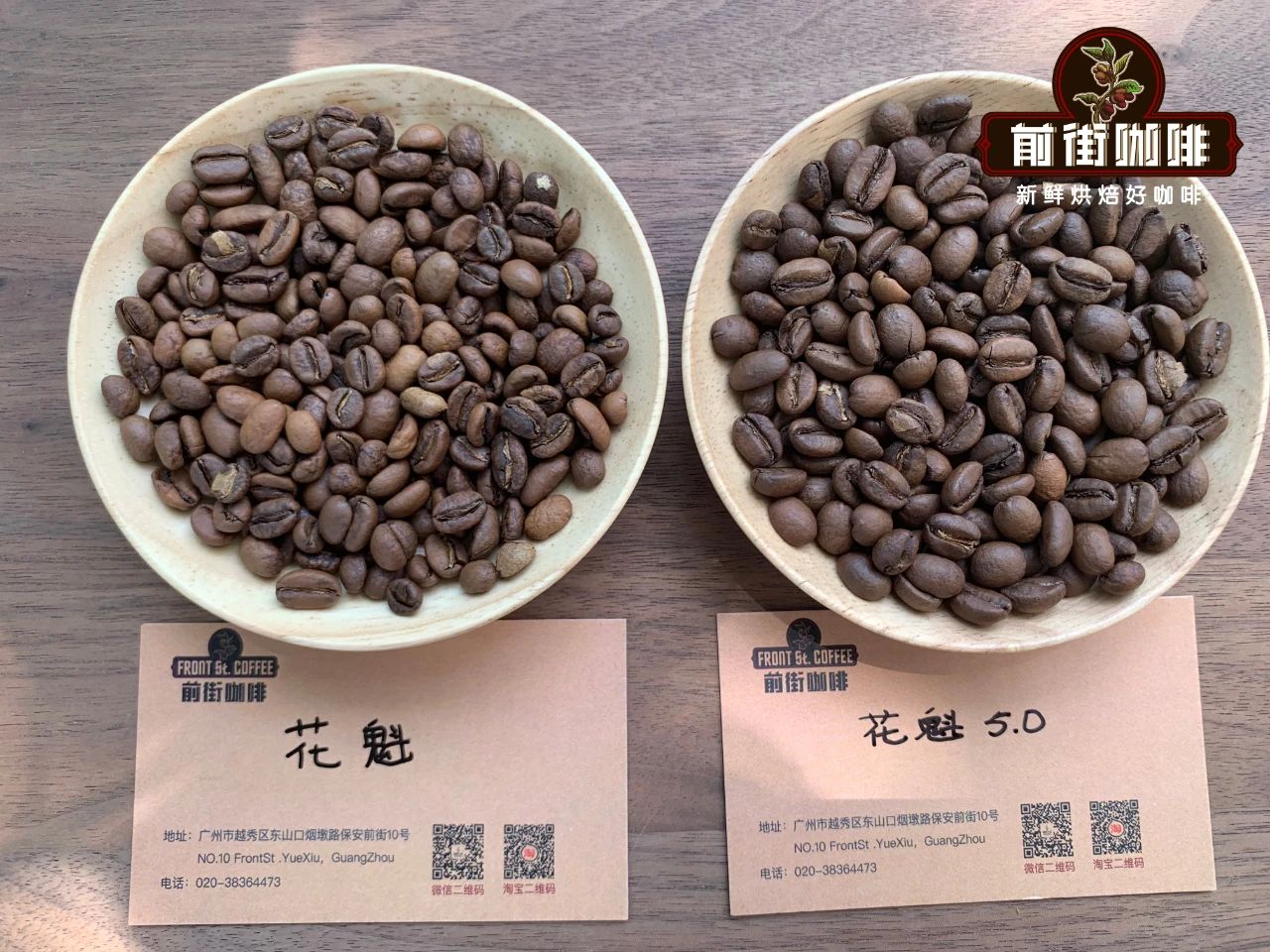
After obtaining Guji Uraga 5.0, FrontStreet Coffee immediately roasted it and conducted cupping comparisons with the small-bean Guji Uraga. Through cupping, FrontStreet Coffee found that small-bean Guji Uraga has deeper, richer strawberry aromas and berry sweetness, while the 2021 Guji Uraga 5.0 has more vibrant berry acidity and brighter acidity.
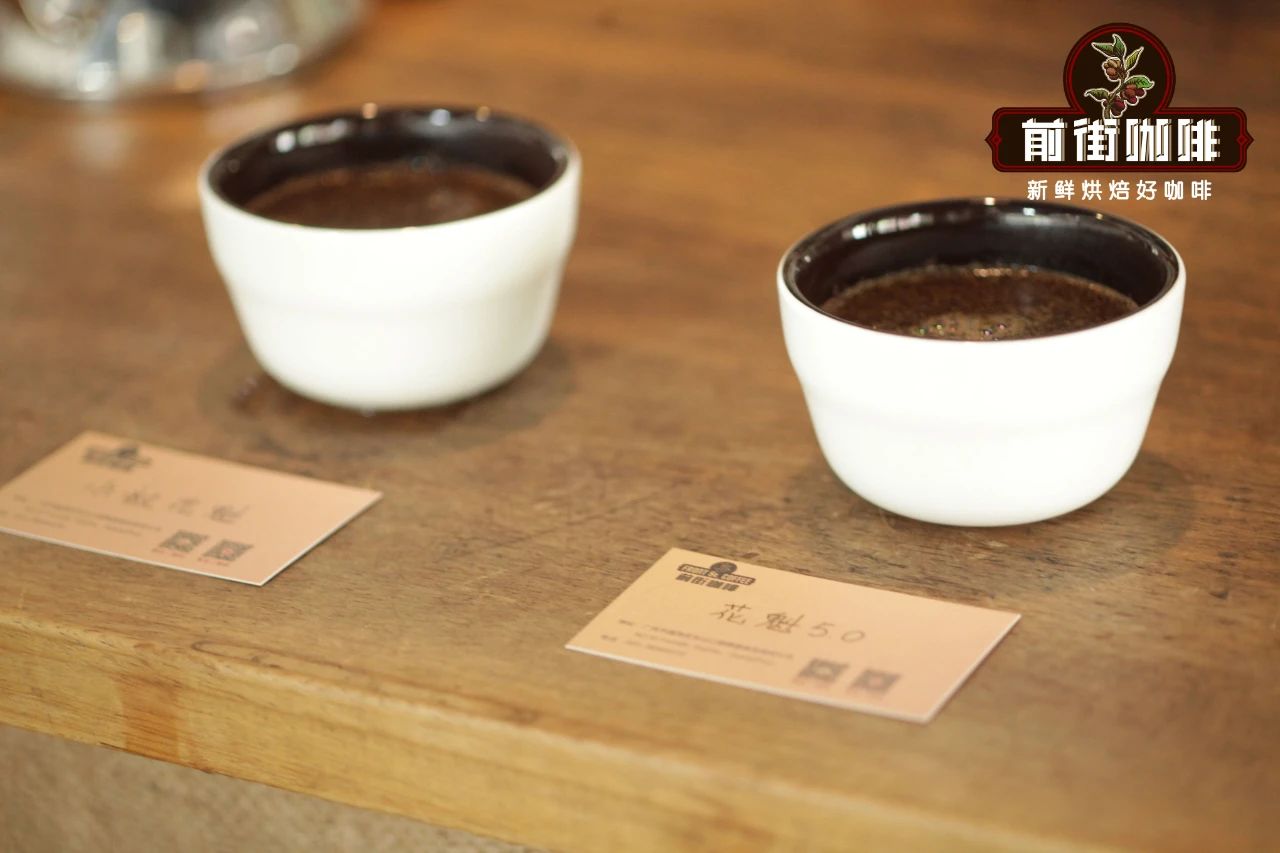
Small-bean Guji Uraga: Creamy strawberry, citrus, passion fruit, fermented wine aroma
Guji Uraga 5.0: Berries, citrus, honey, mango, floral notes
From the cupping perspective, small-bean Guji Uraga's flavor profile is closer to the 2017 Guji Uraga, while Guji Uraga 5.0 leans toward the Guji region's flavor profile of berry acidity, floral notes, and juice.
Pour-Over Flavor Comparison
Now let's look at the pour-over flavor comparison. Both coffees use the following brewing recipe:
Filter: V60#01
Water Temperature: 90-91°C
Dose: 15g
Ratio: 1:15
Grind: Medium-fine grind (China standard #20 sieve, 80% pass rate)
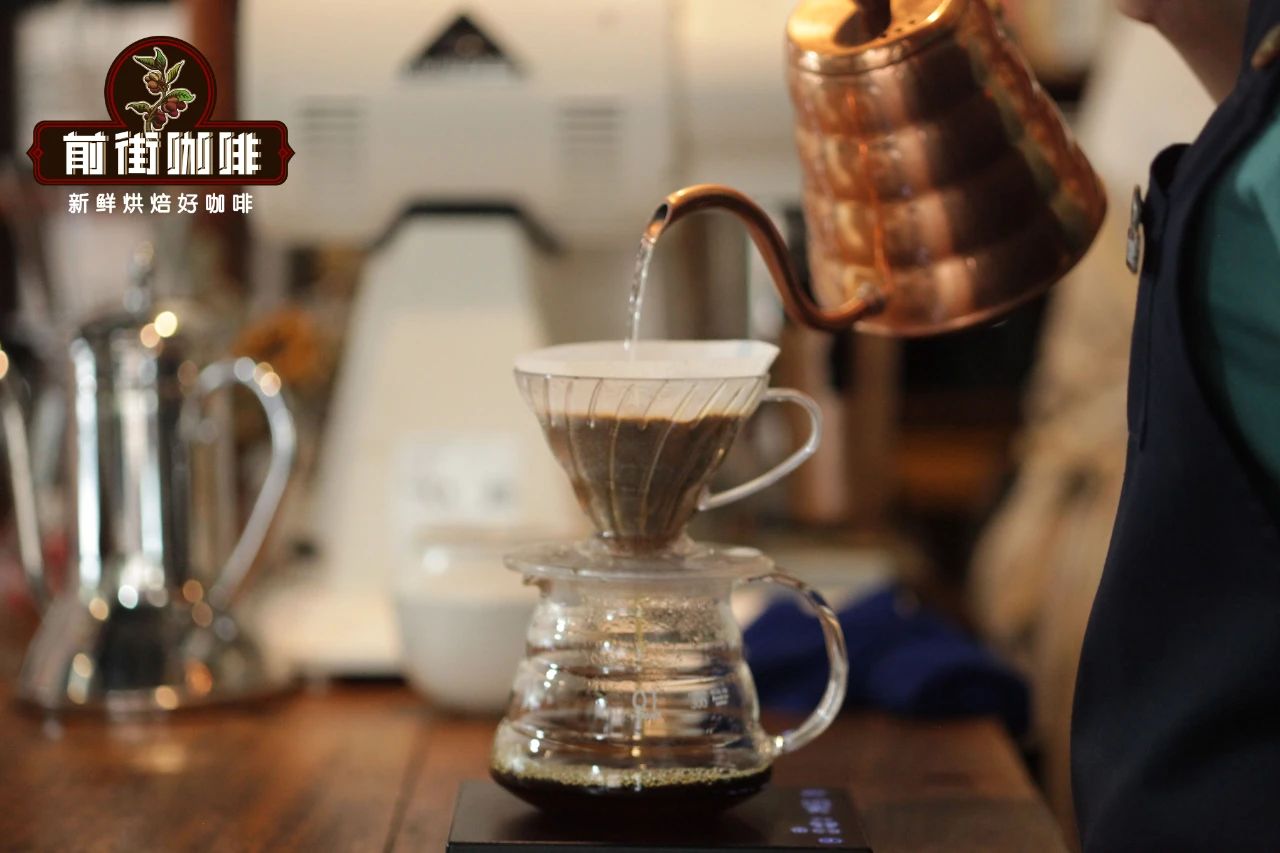
Brewing Method: Three-stage extraction. Bloom with 30g of water for 30 seconds. When the water level drops to just expose the coffee bed, continue pouring in a circular motion with a small water flow to 125g, then pause. When the water level drops to just expose the coffee bed again, continue pouring to 225g and stop. Remove the filter cone when the water level drops to just expose the coffee bed, timing from the start of the bloom. Total extraction time is 2:00.
Flavor Comparison
Small-bean Guji Uraga: Sweet berry aroma, creamy strawberry, passion fruit, rich fruit sweetness, full mouthfeel.
Guji Uraga 5.0: Floral notes, berries, citrus, sweet and sour plum, mango juice, honey, with a sweet black tea aftertaste.
FrontStreet Coffee Recommendation
Geisha, translated from the English "Geisha," is one of the most popular Arabica varieties. Its distinctive florals and superb sweet-sour balance have won over countless drinkers, and because of its low yield, weak disease resistance, and demanding cultivation, its price keeps climbing. To find a Geisha that is both delicious and affordable, it helps to know the different types and how they compare in value.
At Hacienda La Esmeralda, the estate that made Geisha famous, the lineup is divided into Red Label and Green Label. FrontStreet Coffee's Red Label Geisha, officially named Esmeralda Special, grows between 1,600 and 1,800 meters; every batch must score above 90 in cupping, each carries an independent number, and all the beans in a batch come from a single small plot, so buyers can choose a lot by subtle flavor preference. FrontStreet Coffee's Green Label Geisha, originally called Private Collection, blends batches from several plots rather than emphasizing detailed plot information, focusing on the estate's signature high-altitude Geisha flavor at a friendlier price, which gives it excellent value.
For a newcomer who wants a first taste of the fabled Geisha character, FrontStreet Coffee usually recommends the Boquete Geisha from Panama. This entry-level Geisha lets you enjoy the orange-blossom honeyed note of classic high-quality Panama Geisha in a cup that shows an oolong-tea sensation, fine fruit sweetness, and clearly separated layers.
Ethiopia, coffee's birthplace, is also home to the Geisha Village estate, which follows a strict grading system and grows three Geisha varieties: Gori Gesha, Geisha 1931, and Illubabor Forest. Its grades include the Golden Label RARITIES, Red Label GROWERS RESERVE, Green Label SINGLE-TERROIR, and CHAKA lots. The Golden Label belongs to the Geisha 1931 variety and accounts for 10% of the village's total output; it is the estate's top coffee outside auctions and is often chosen by competitive baristas. FrontStreet Coffee's Golden Label batch uses a refined natural process for complex, rich flavors. The Red Label belongs to the Gori Gesha variety and accounts for 15% of output, scoring 88 or above on the SCA 100-point scale as a single-terroir series, so every lot number is fully traceable, including farm block name, variety, and processing date.
FrontStreet Coffee's Granada Geisha comes from the Genlana Gesha farm in Ethiopia's Yirgacheffe region, a rare estate growing a single variety. It comes from a processing station founded in 2014 at the border of the Kochore and Gedeb Abaya regions, run by Mr. Israel Degefa, with a coffee-growing area of up to 700 hectares, much of it uncultivated, with fertile soil and abundant shade trees. Cherries are hand-picked at full ripeness and dried on raised beds for 14 to 20 days depending on the weather. Medium-light roasted, it shows bright citrus acidity, elegant ginger-flower aroma, ripe-fruit sweetness, and the fine finish characteristic of Geisha.
To satisfy more fans, FrontStreet Coffee also offers an accessible alternative, the Strawberry Candy, blending a Costa Rican honey process with a Panama Geisha so the cup has both delicate florals and sweet fruit. It works for pour-over, moka pot, and espresso machine, and makes a refreshing cold brew: grind 30g of Strawberry Candy to the texture of fine sugar, 9 on an EK43s grinder or 24 on a C40 hand grinder, add 360g of room-temperature water at a 1:12 ratio, stir, cover, and refrigerate. After 8 hours, filter out the grounds, then seal the liquid and return it to the fridge to mature for 3 hours. The result brings flavors of grape juice, rose, sweet orange, and fruit wine.
Important Notice :
FrontStreet Coffee is a long-established specialty coffee roaster in Guangzhou China, selling freshly roasted beans from its own farm in Yunnan as well as dozens of carefully selected single-origin beans from around the world for both pour-over and espresso. The products deliver consistently excellent quality and great value, with shipping within 24 hours. Guangzhou's FrontStreet Coffee shop is recommended by many coffee lovers, and the beans are now available online at the Tmall 。
FrontStreet Coffee has moved to a new address:
FrontStreet Coffee Address: 315,Donghua East Road,GuangZhou
Tel:020 38364473
 Scan and follow the En Gafei WeChat official account. Please indicate that the reprint comes from "En Gafei".