Coffee Brewing Techniques for Beginners: How Multi-Stage Pour-Over Extraction Enhances Coffee Complexity
Professional Coffee Knowledge Exchange
For more coffee bean information, follow Coffee Workshop (WeChat Public Account: cafe_style).
Introduction
Segmented pouring is one of the most common brewing approaches, and FrontStreet Coffee uses a three-stage pour in daily production to bring out a coffee's layers. What is actually being extracted at each stage, and why does splitting the pour make a coffee taste more complex?
What Is Three-Stage Extraction?
In short, the pour is divided into three parts, with the first of them being the bloom. The advantage is that the water extracts the coffee's flavor compounds more fully, which builds the sense of layering and lets the brew express itself well across a wide range of origins and roast levels.
Why Does Segmented Pouring Improve Layering?
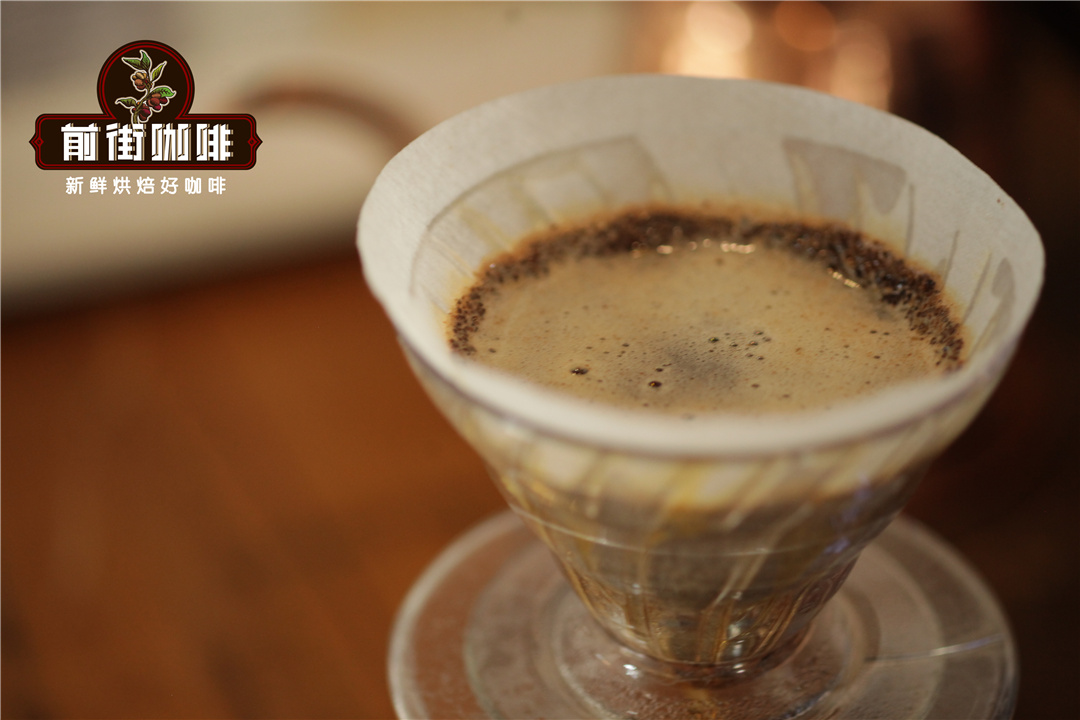
Segmented pouring keeps the grounds at the edge of the filter from being knocked into the slurry and breaking the coffee bed, and the repeated pours also stir the grounds as you brew. The water can then work through the bed more thoroughly, raising extraction efficiency.
What Is Extracted at Each Stage?
FrontStreet Coffee brewed washed Green Label Geisha from Panama's La Esmeralda estate as the subject, keeping the liquid from each stage separate.
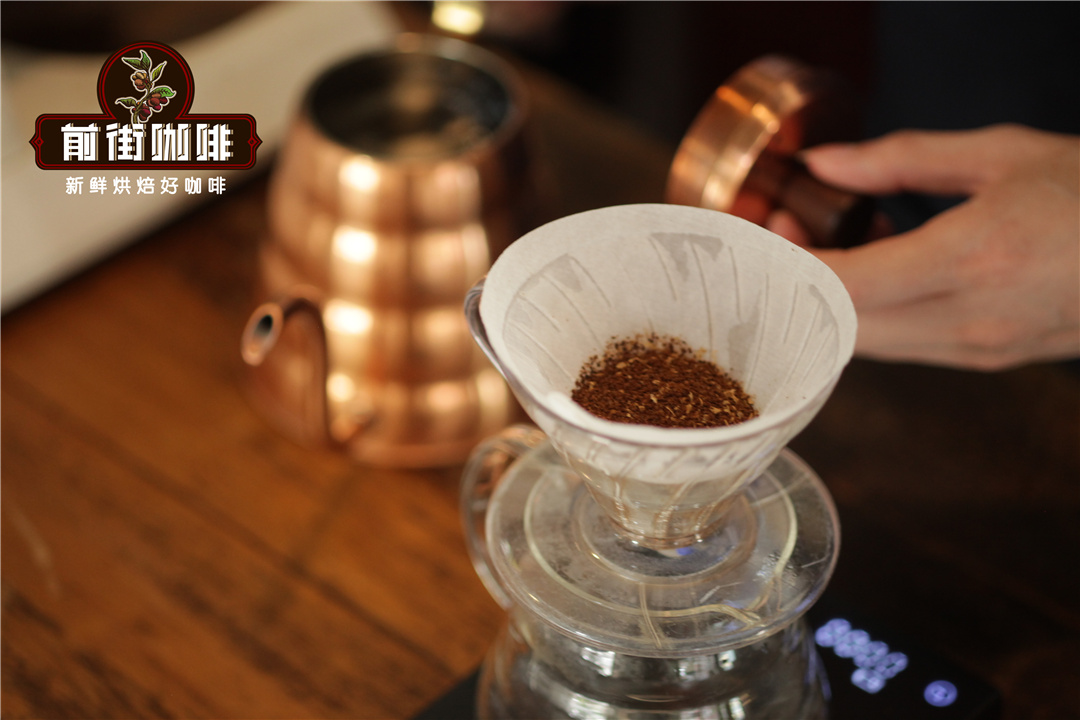
Brewing parameters: V60 #01 dripper, 15g of coffee, a 1:15 ratio, a grind with 75% passing through a 0.85mm sieve (roughly coarse sugar), and 90°C water.
First Pour
Before brewing, preheat the server and dripper and rinse the filter paper. Pour 30g of water in circles, then let it bloom for 30 seconds. What the first stage extracts: olive, plum, and citrus, with strong acidity and an astringent edge.
Second Pour
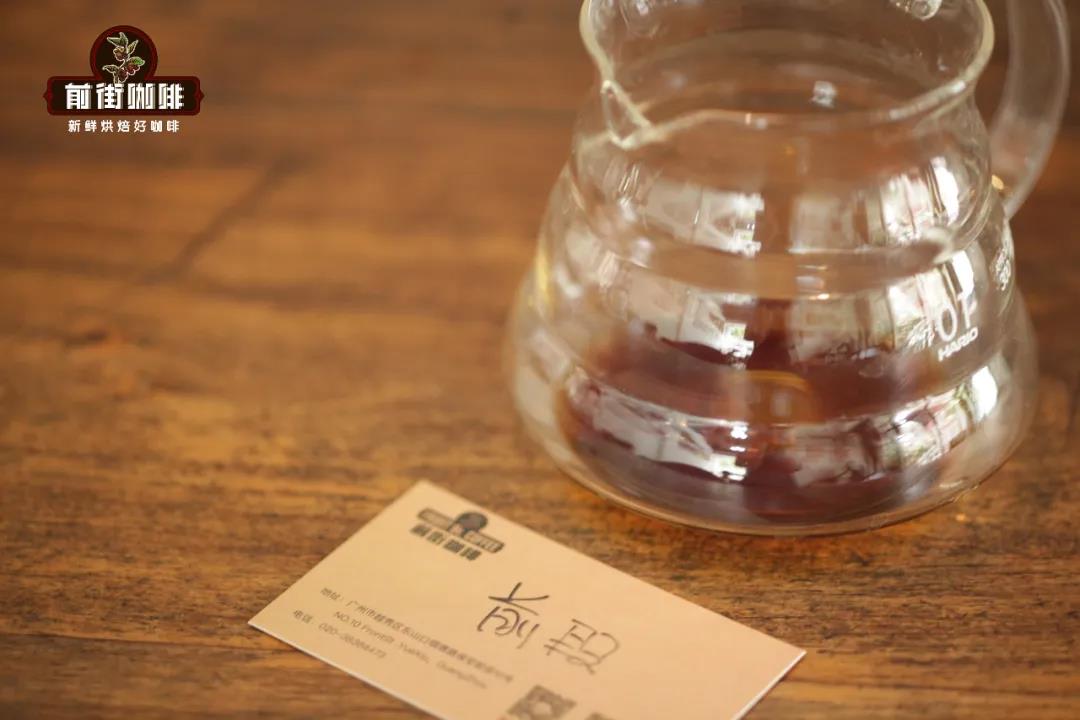
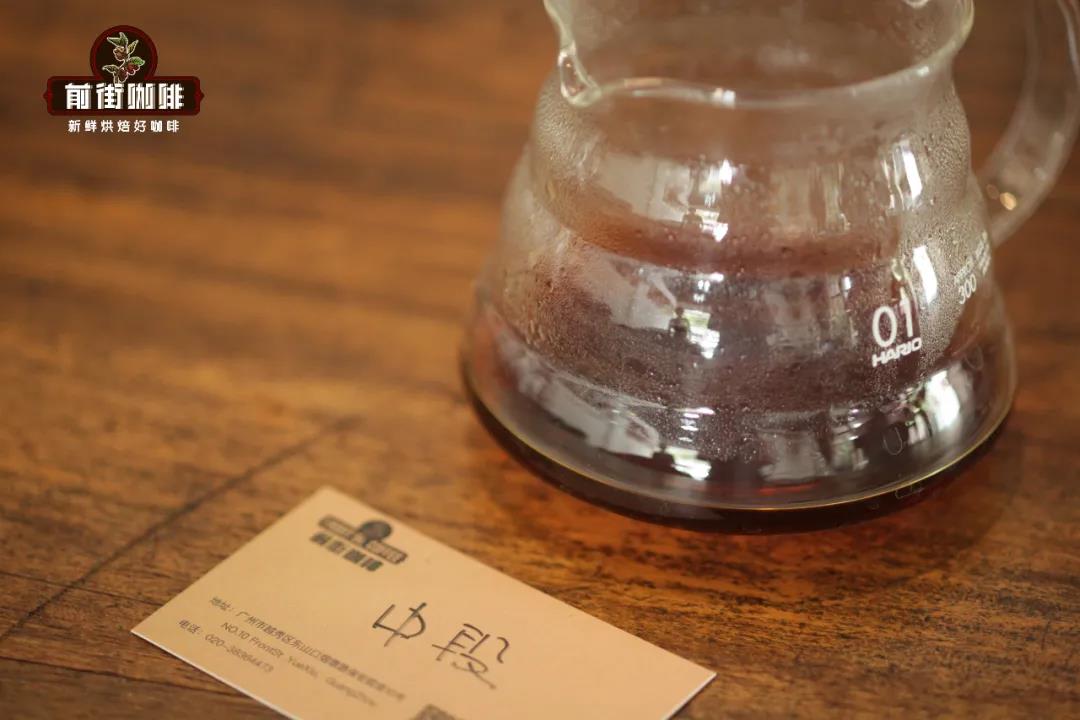
After the 30-second bloom, move the dripper to the next server and begin the second stage in circles, using 95g of water. What the middle stage extracts: honey, brown sugar, caramel, almond, and jasmine, with a tea-like sensation and pronounced sweetness.
Third Pour
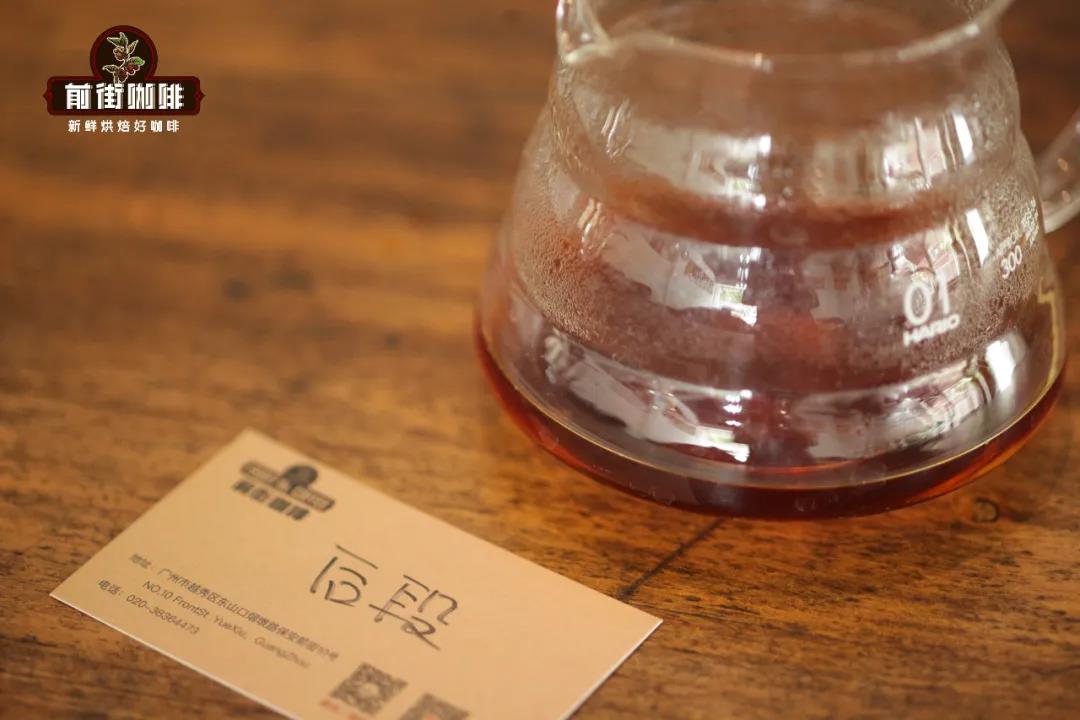
Once the second stage has fully drained, move to the next server and begin the third stage in circles, using 100g of water. What the final stage extracts: woody aromas and a Tieguanyin-like sweet finish, relatively flat overall.
Looking across the three stages, the point of the first bloom is not only to soak the grounds evenly for a more consistent extraction—it is also the most important step for drawing out acidity. Because the water volume is small, the liquid is concentrated and the flavors are complex and varied.
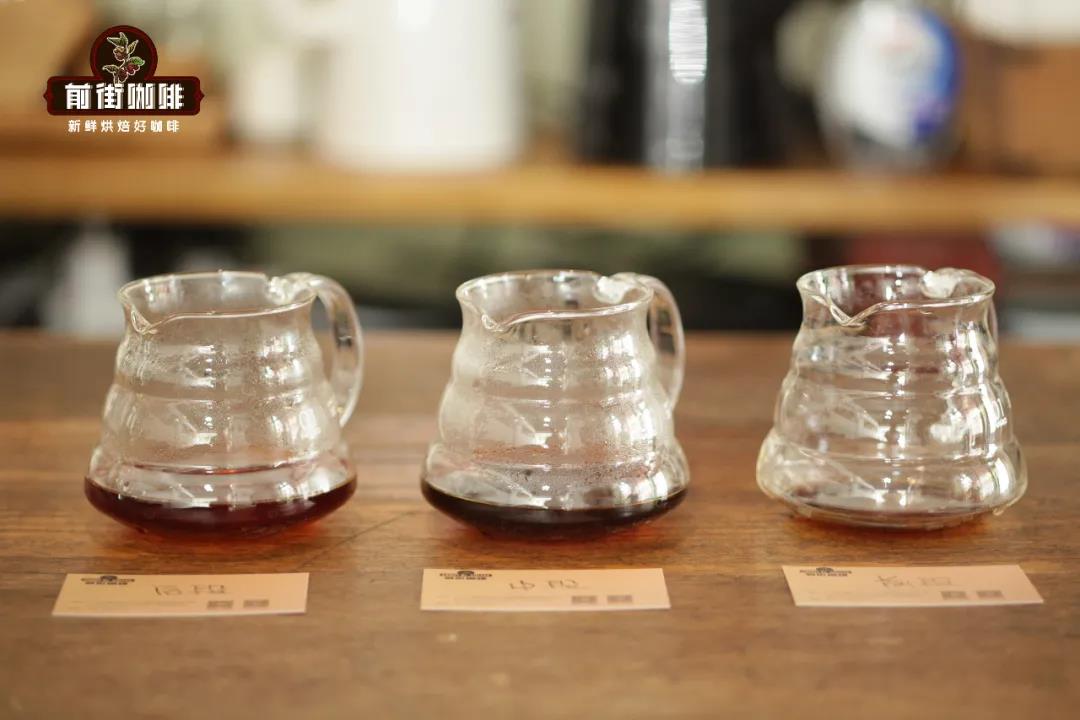
The second stage is mainly responsible for sweetness. Fewer compounds come out, the acidity is muted, the concentration is lower, and the cup is somewhat flat. The third stage mainly extracts the coffee's body, though with this particular bean the effect is subtle—only faint woody aromas and a Tieguanyin-like sweet finish. It is the weakest and flattest of the three.
What Happens When the Three Stages Are Combined?
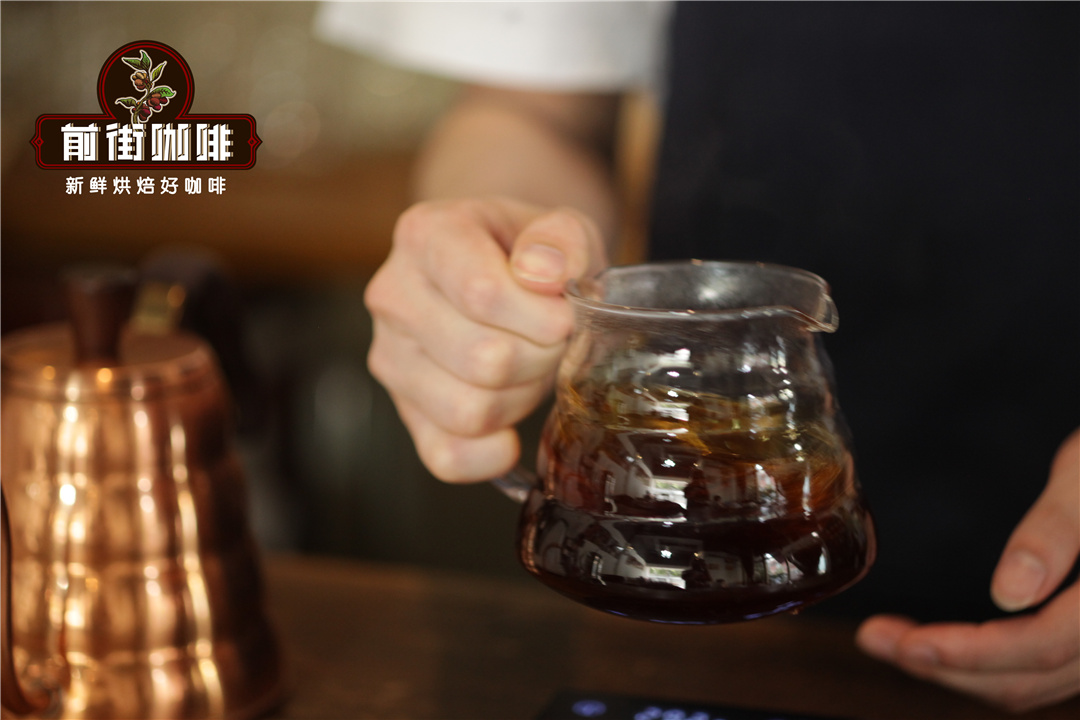
FrontStreet Coffee brewed this Green Label Geisha again using the three-stage method. Once the three portions were mixed evenly, the cup became very balanced and refreshing. It smells of fresh jasmine and the sour aroma of citrus. Tasted hot, it shows the bright acidity of lemon, fresh jasmine, and honey sweetness.
As the liquid cools slightly, the lemon acidity becomes more obvious, followed by fresh jasmine and ginger flower, honey sweetness, and a clear Tieguanyin-like sweet finish. Fully cooled, the lemon acidity recedes and the floral freshness and honey sweetness take over.
For more specialty coffee beans, add the private WeChat of FrontStreet Coffee, WeChat ID: kaixinguoguo0925.
FrontStreet Coffee Recommendation
Geisha is the variety that rewards careful stage-by-stage pouring more than any other. FrontStreet Coffee's Panama Boquete Geisha is the natural entry point for drinkers curious about the famous "Geisha flavor": an accessible price, the classic Panama orange-blossom honey character, an oolong tea sensation, and fine, layered fruit acidity. For the highest grades, FrontStreet Coffee's Esmeralda Red Label and Green Label Geisha come from the estate that made the variety famous—the Red Label under the name Esmeralda Special, grown at 1,600–1,800 meters, with every lot cupping above 90 points and carrying its own number, while the Green Label blends several plots into a more affordable expression of the estate's signature high-altitude profile.
Ethiopia offers the other side of Geisha. FrontStreet Coffee's Grana Gesha is grown on a farm planted with a single variety at the junction of Kochere and Grana Abaya, hand-picked as fully ripe cherries, and dried on raised beds for 14–20 days depending on the weather. Roasted medium-light, it shows bright citrus acidity, elegant ginger flower, and ripe fruit sweetness with a delicate, silky body. For an estate-level Ethiopian Geisha, FrontStreet Coffee's Gesha Village Gold Label (the Gesha 1931 variety, about 10% of the village's output) and Red Label (the Gori Gesha variety, about 15%, scoring 88 or above on the SCA 100-point scale) are both natural-processed and traceable by plot, variety, and processing date.
Geisha is a medium-light, floral-and-fruity variety with a dense bean that tends to sink and block the drain hole. FrontStreet Coffee suggests grinding to a coarseness where 78% passes a China-standard No. 20 sieve—about fine caster sugar—and brewing at 91°C. For pour-over, use 15g of coffee in a small Hario V60 with a 1:16 ratio: start the clock and pour to 30g for a 30-second bloom, then pour in small circles to 125g, wait until the bed drains halfway before pouring again in small circles to 225g, and let it finish draining, for a total extraction time of about 2:10 to 2:20.
Important Notice :
FrontStreet Coffee is a long-established specialty coffee roaster in Guangzhou China, selling freshly roasted beans from its own farm in Yunnan as well as dozens of carefully selected single-origin beans from around the world for both pour-over and espresso. The products deliver consistently excellent quality and great value, with shipping within 24 hours. Guangzhou's FrontStreet Coffee shop is recommended by many coffee lovers, and the beans are now available online at the Tmall 。
FrontStreet Coffee has moved to a new address:
FrontStreet Coffee Address: 315,Donghua East Road,GuangZhou
Tel:020 38364473
 Scan and follow the En Gafei WeChat official account. Please indicate that the reprint comes from "En Gafei".