Flavor Characteristics of Barrel-Fermented Coffee Beans Introduction to the Production Process of Sherry Barrel Coffee Beans
Have you ever experienced the incredible sensation of tasting a coffee with a rich, wine-like aroma? This distinctive wine fragrance in coffee is achieved through barrel fermentation processing. So how exactly does this process work?
The Earliest Barrel Fermentation for Coffee
The earliest use of barrel fermentation in coffee processing was pioneered by Colombia's San Jose Estate. The estate owner, in addition to running the coffee plantation, produces oak barrels for rum and engages in rum distillation. One day, his wife Monsalve Botero had an innovative idea while helping fill distilled liquids into barrels for fermentation: if coffee beans were placed in these oak barrels after rum aging, could they also develop wine-like flavors?
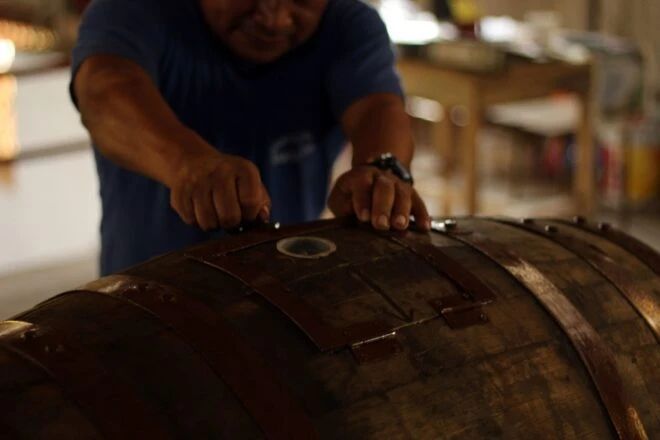
Thus, beginning in 2013, Monsalve Botero experimented with low-temperature fermentation of coffee using Colombian oak barrels of different vintages. By 2017, she had successfully created her ideal combination.
Refined Washed Rum Barrel Fermentation
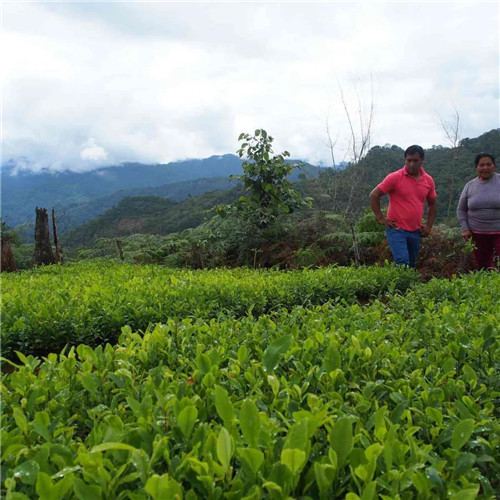
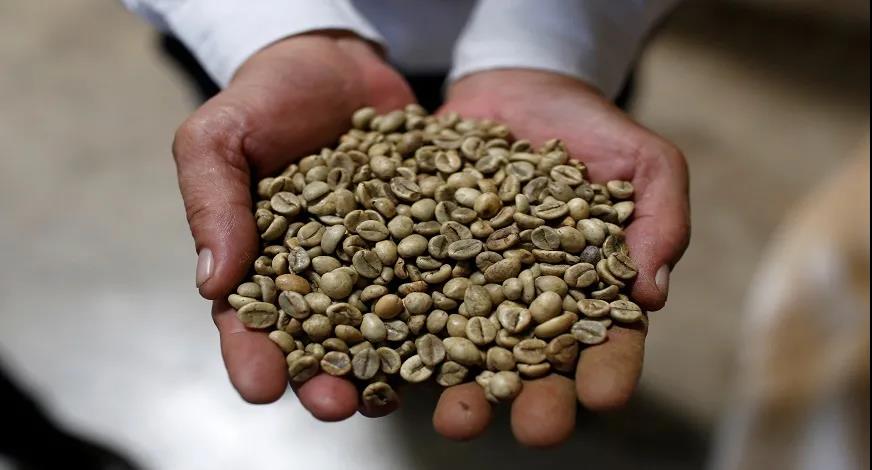
The owner of San Jose Estate selects Castillo variety coffee, handpicking fully ripe cherries. The process begins with washed processing: the skin and pulp are removed, and the beans ferment in water for 20 hours so the remaining pectin detaches. The beans are then placed in rum oak barrels aged over 8 years and left to rest for three months, being rolled daily to ensure even absorption of the rum aroma. During this period, samples are taken every 30 days to monitor fermentation progress and verify complete absorption of the rum fragrance.
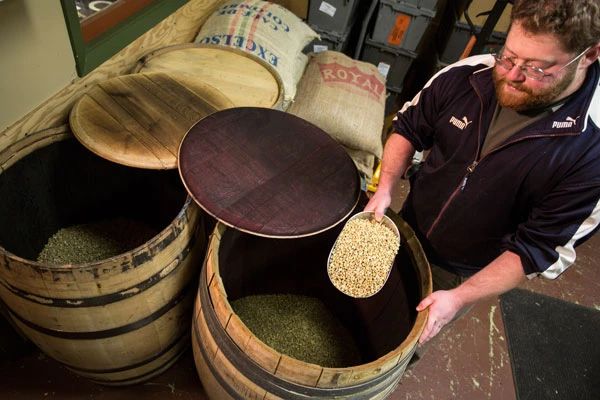
Once fermentation is complete, the rum-flavored beans are moved to greenhouse drying. The greenhouse's consistent temperature prevents the secondary fermentation that can occur with African raised-bed drying at high temperatures.
In addition to washed rum barrel fermentation, San Jose Estate also offers a natural processed rum barrel-fermented coffee.
Refined Natural Rum Barrel Fermentation
Similarly beginning with handpicked fully ripe cherries, this method uses African raised beds for natural processing. Afterwards, the beans are placed in rum oak barrels aged over 8 years and rested for three months, rolled daily for even absorption of the rum aroma, with samples taken every 30 days to monitor fermentation and verify the rum fragrance has fully permeated.
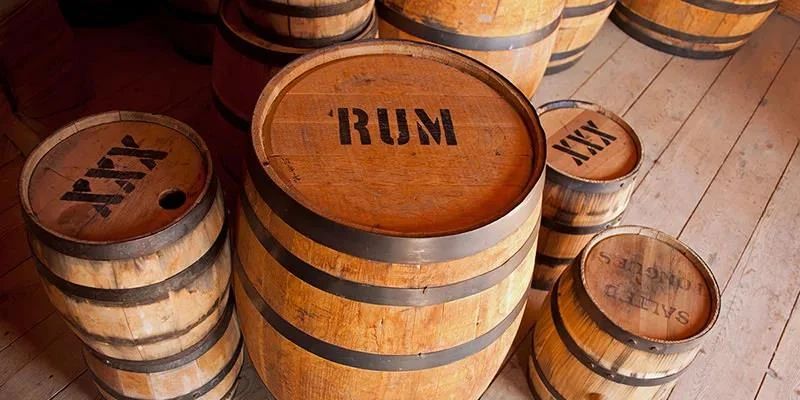
Rum is produced by distilling sugarcane and aging it in American oak barrels, so these aged barrels absorb the spirit's aroma. When they are used for coffee processing, FrontStreet Coffee's San Jose beans take on the barrel's wine fragrance, developing aromatic notes of rum and chocolate liqueur.
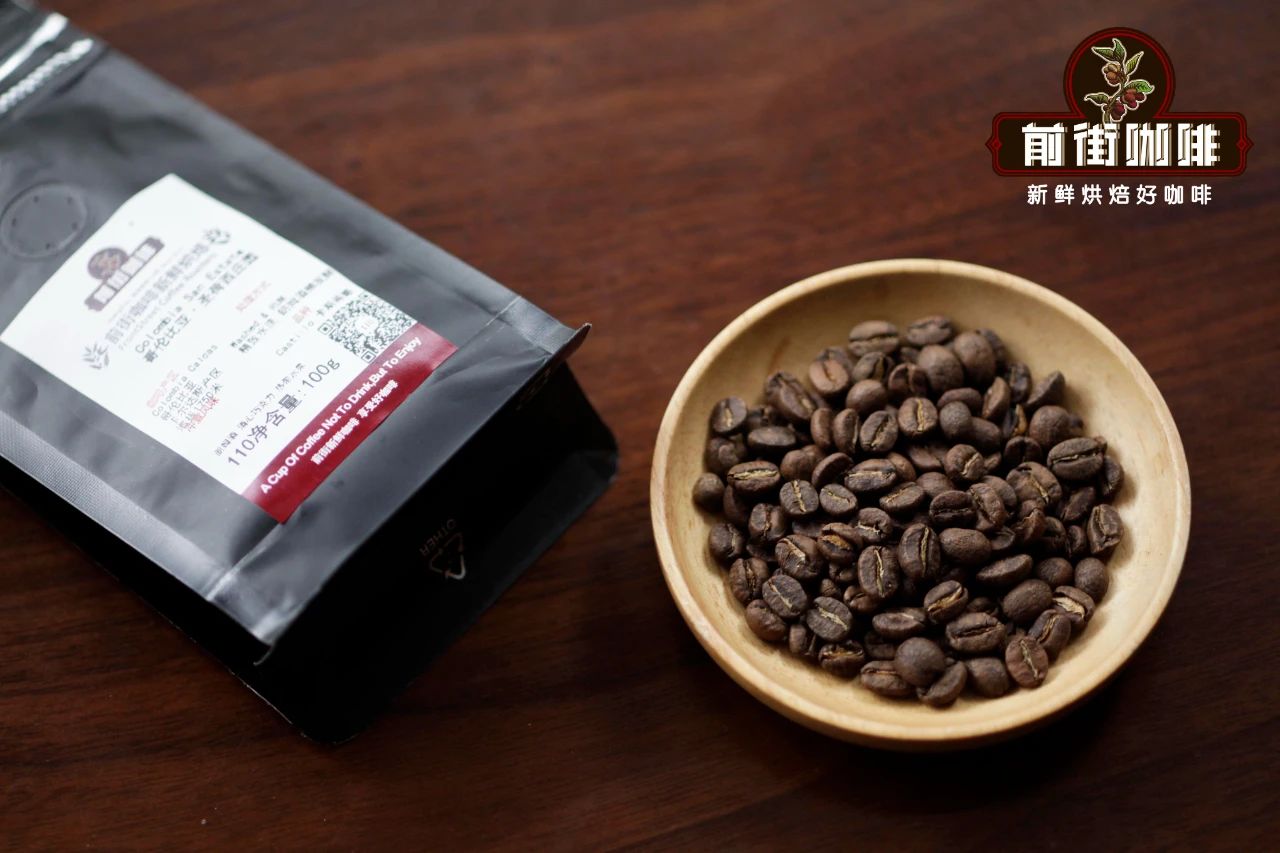
Beyond rum barrel fermentation there are also sherry barrel and brandy barrel fermentation processes, best represented by Honduras' Moca Estate.
Refined Washed Whisky Sherry Barrel Fermentation
Moca Estate's sherry coffee undergoes refined washed whisky sherry barrel fermentation. Freshly harvested cherries first go through refined washed processing, then are placed in barrels that previously aged sherry, fermenting at low temperatures for 30-40 days (approximately 15-20°C), followed by shade drying. Sherry barrels are those used by sherry producers in the whisky industry for aging.
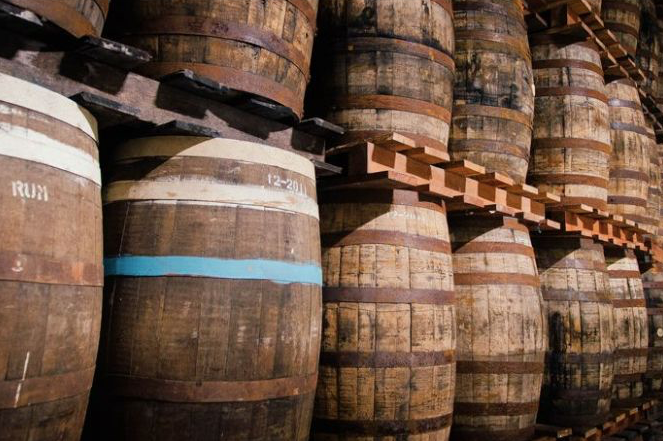
Sherry production involves the Solera System aging procedure - blending and aging different vintages of sherry after fortification - which is what creates sherry's unique flavor profile. FrontStreet Coffee's sherry beans present aromas of sherry, vanilla, and cream.
Refined Washed Brandy Barrel Fermentation
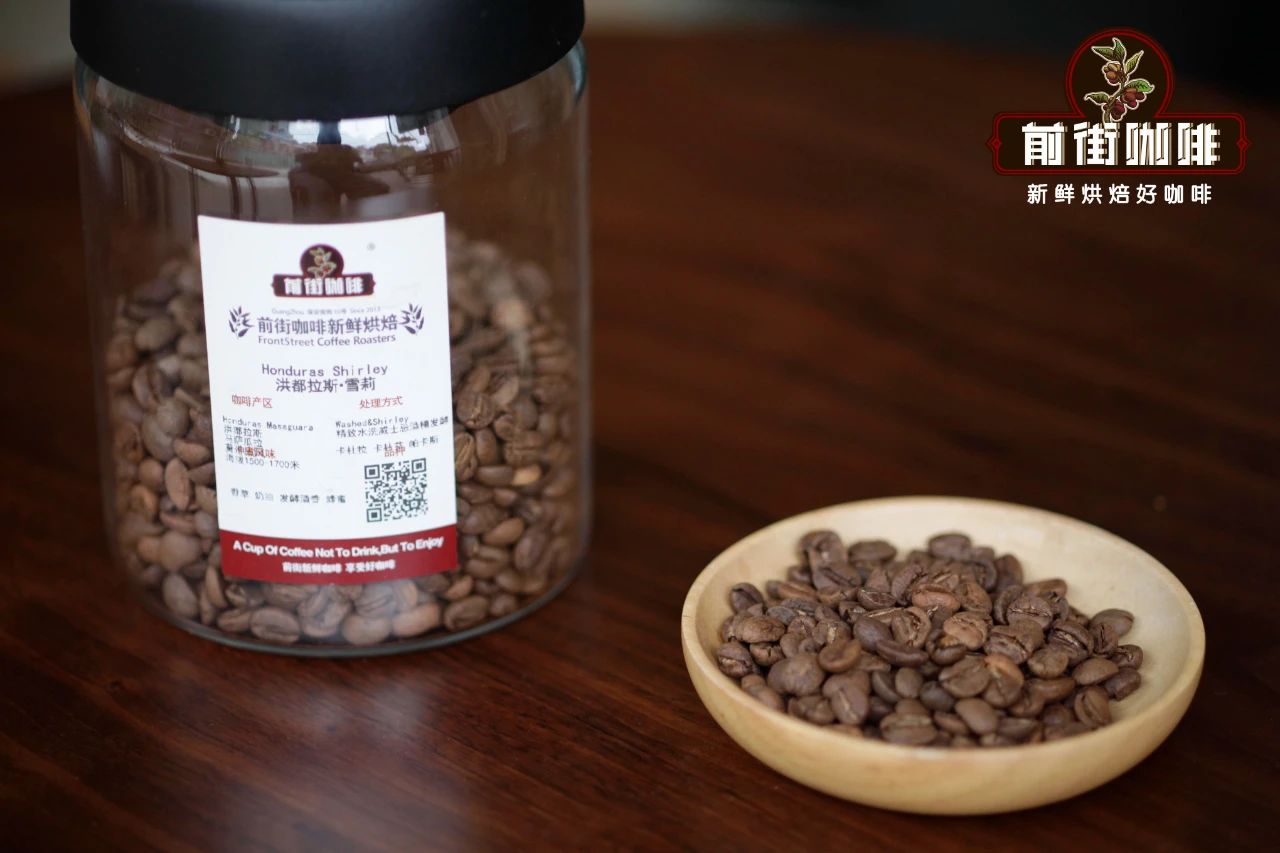
Moca Estate's Lychee Lan coffee undergoes refined washed brandy barrel fermentation. Freshly harvested cherries first go through refined washed processing, then rest in brandy oak barrels for 30-40 days of low-temperature fermentation (approximately 15-20°C), absorbing the barrel's flavors, followed by shade drying. FrontStreet Coffee's brandy barrel-fermented Lychee Lan beans offer delicate lychee and honey sweetness along with full-bodied brandy aroma and oak barrel fragrance.
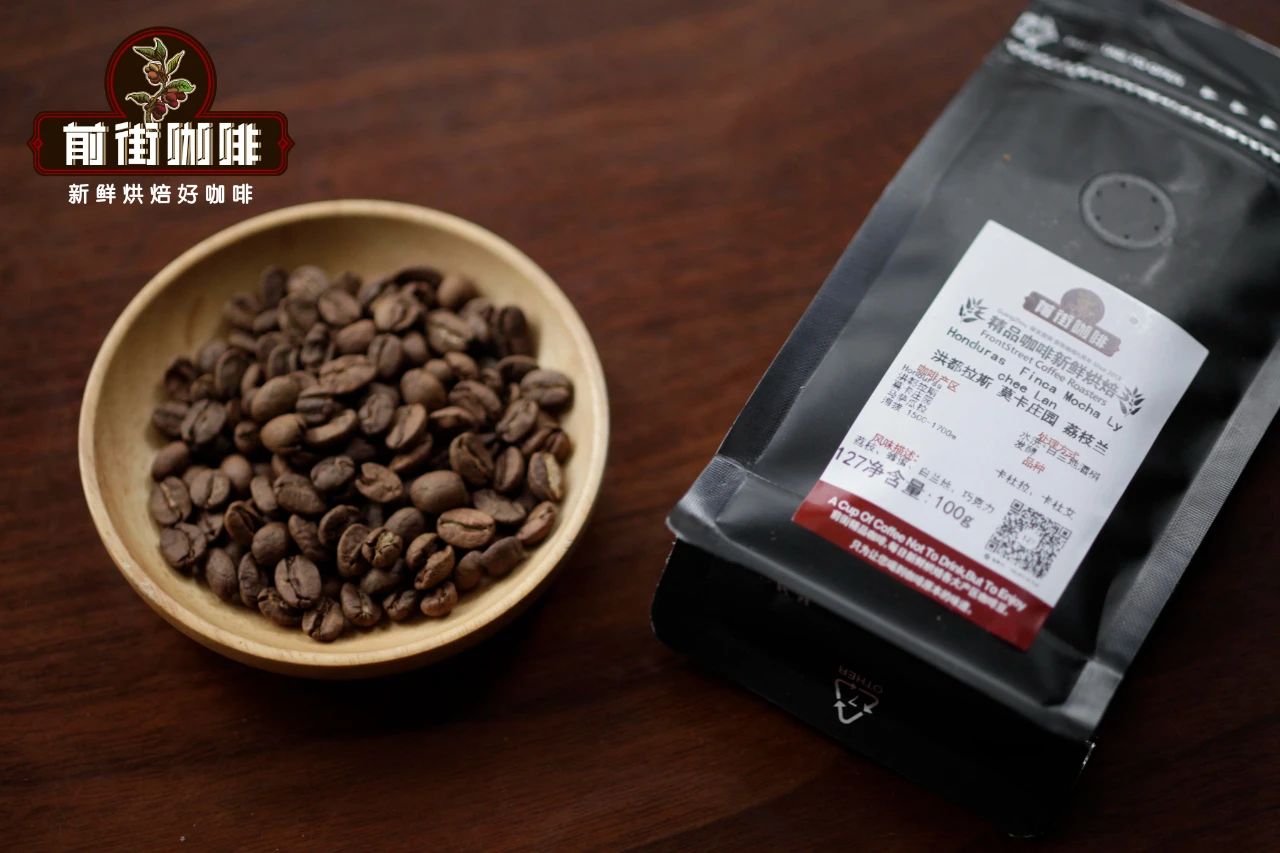
FrontStreet Coffee Recommendation
Colombia, home of the pioneering San Jose Estate barrels, remains one of the most versatile origins on FrontStreet Coffee's shelf: Colombian coffee can be fruity or full-bodied, floral or fragrant, as a single origin or an espresso component - there is something for every palate.
For a taste of classic Colombia, FrontStreet recommends the washed Huila from the country's most famous specialty region, where mountain-ringed hills sit above 1500 meters and the convergence of Colombia's major rivers brings abundant water. Roasted medium-dark, it shows dark chocolate, nutty sweetness, moderate crema, and a full body that suits pour-over and French press as well as moka pot and espresso drinks like Americano or latte.
For something more experimental - in the same spirit as barrel fermentation - try FrontStreet's Colombia Sidra from the Boundary Line Estate, an anaerobic natural lots fermented in sealed, pressure-rated stainless tanks with controlled temperature, time, and pH. The oxygen-free fermentation converts into rich tropical fruit aromas: passion fruit, grape, apricot, and dried fruit, delicious as a medium-light pour-over, cold brew, drip bag, or moka pot. And if you brew at home with an espresso machine, FrontStreet's premium espresso blend combines Brazil's creamy nuttiness with Colombia's dark chocolate bitterness, pulling fine golden crema that pairs beautifully with milk.
Important Notice :
FrontStreet Coffee is a long-established specialty coffee roaster in Guangzhou China, selling freshly roasted beans from its own farm in Yunnan as well as dozens of carefully selected single-origin beans from around the world for both pour-over and espresso. The products deliver consistently excellent quality and great value, with shipping within 24 hours. Guangzhou's FrontStreet Coffee shop is recommended by many coffee lovers, and the beans are now available online at the Tmall 。
FrontStreet Coffee has moved to a new address:
FrontStreet Coffee Address: 315,Donghua East Road,GuangZhou
Tel:020 38364473
 Scan and follow the En Gafei WeChat official account. Please indicate that the reprint comes from "En Gafei".