What are the methods for espresso coffee distribution? What's the difference between hand distribution and using a distribution tool?
Introduction
In the process of making espresso, there is an important step called coffee distribution. It is one of the essential skills for every barista. So how do you master the technique of coffee distribution?
What is the purpose of coffee distribution?
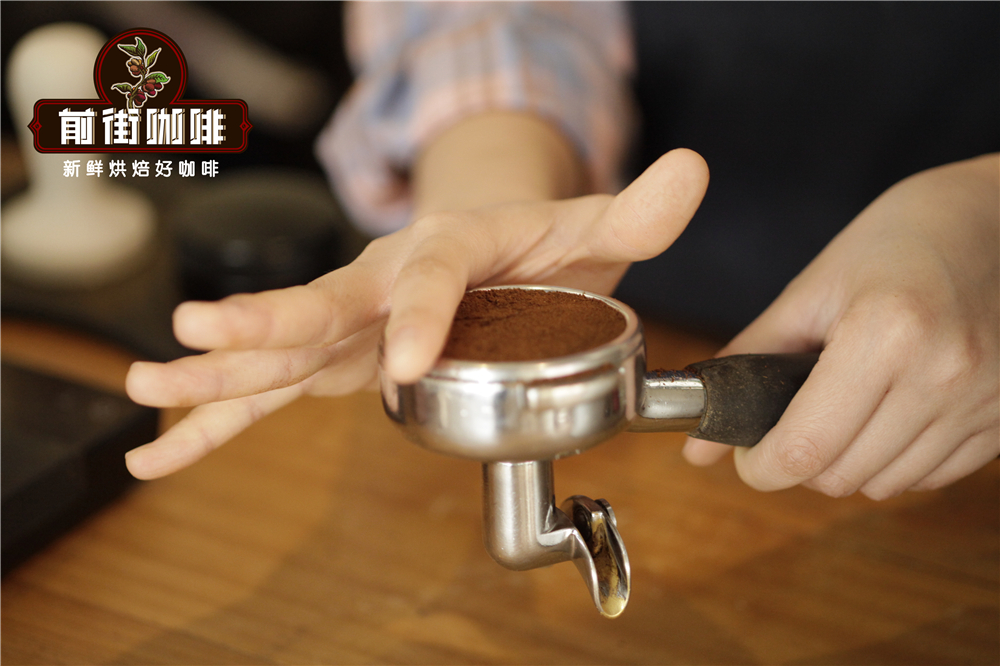
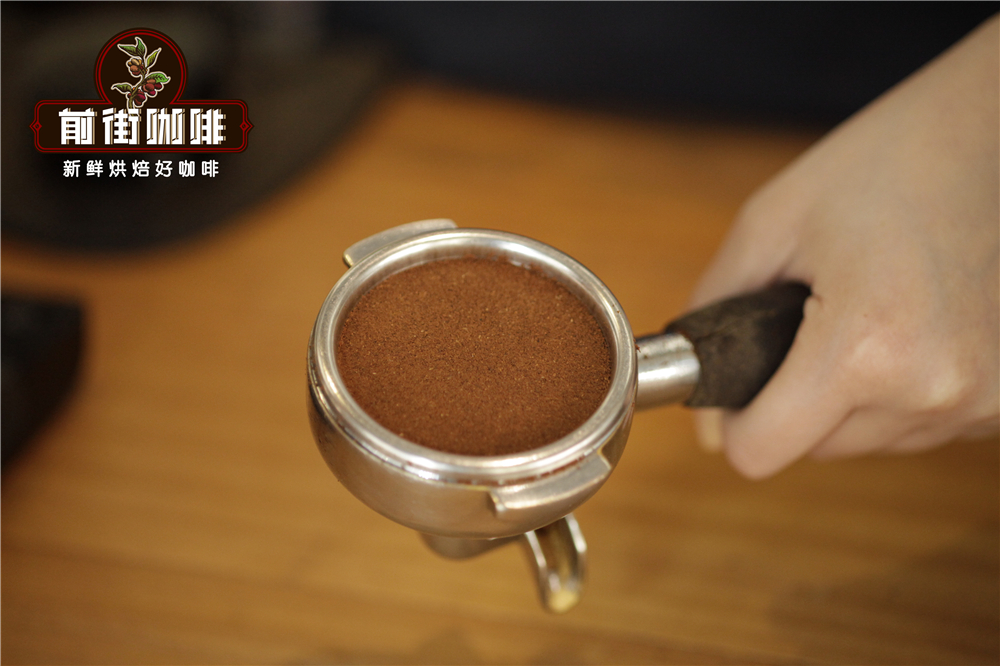
The main purpose of distribution is to make sure the grounds in the portafilter are evenly spread and level, which allows the shot to extract uniformly. When the grinder drops freshly ground coffee into the portafilter, two problems usually appear: static electricity from the electric grinder makes the grounds clump together, and the grounds that land in the basket have an uneven overall density.
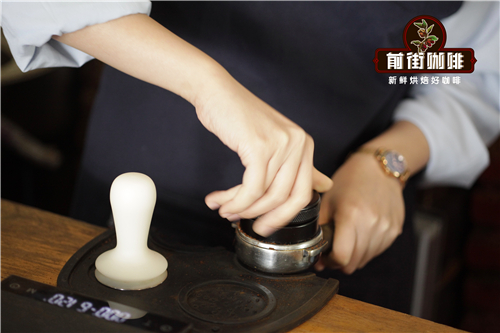
Distribution solves both problems. It breaks up the clumps and makes the density of the coffee bed more uniform.
Methods of coffee distribution
Traditionally, espresso distribution was done entirely by hand, and as equipment has developed, tools such as the distribution tool have appeared.
Finger distribution
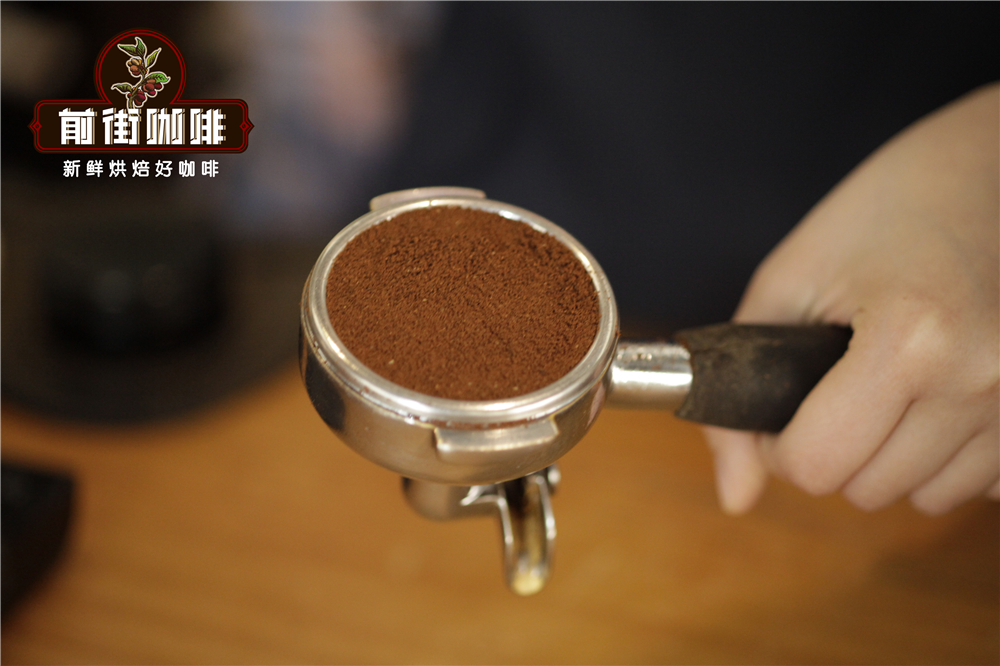
Levelling the grounds by hand is the most traditional method. Its advantage is that it can distribute the coffee well, a simple yet effective approach, but it also has real drawbacks. Distributing evenly by hand sounds easy, yet mastering it takes a great deal of practice, and your hands get dirty during the process, which some consider unhygienic.

In practice, a skilled finger distribution uses the index finger in a straight line, parallel to the surface of the portafilter, with a gentle back-and-forth sweeping motion to level the bed. The most important principle is never to press the grounds downward.
Using a coffee distributor
Because finger distribution has a high learning cost and feels tedious, tools such as the coffee distributor emerged. Common distributors come in single-blade, three-blade and four-blade types, and their job is to level the coffee bed.
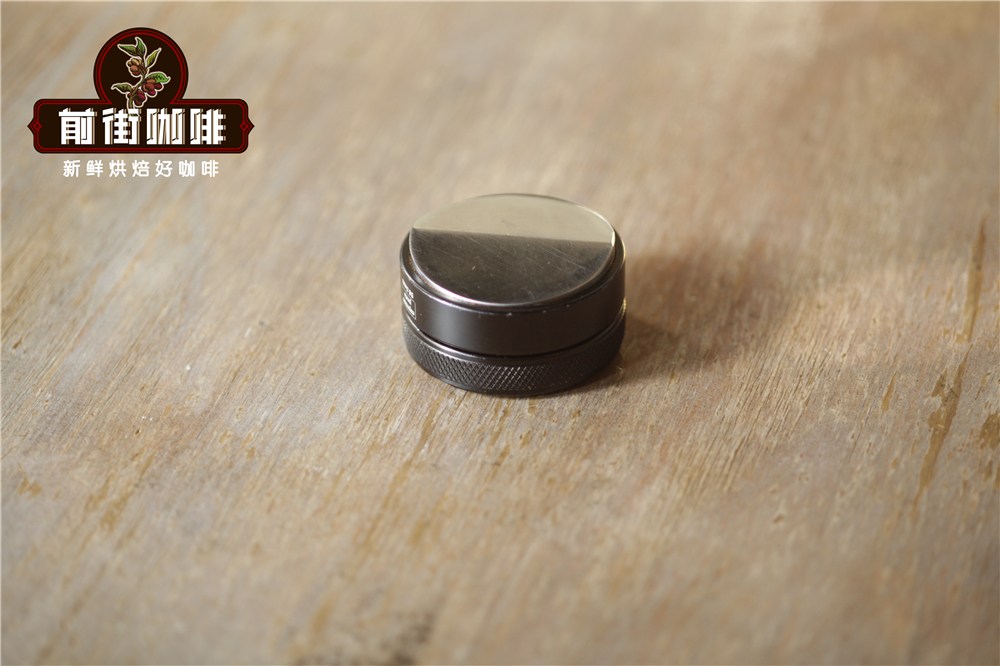
Most distributors can be adjusted in height, and that height determines how much the grounds are compressed. FrontStreet Coffee recommends using the minimum height setting. The difference between a distributor and finger distribution is that, while the distributor levels the grounds, it also compresses them, which indirectly makes the bed slightly less uniform than one levelled by finger.
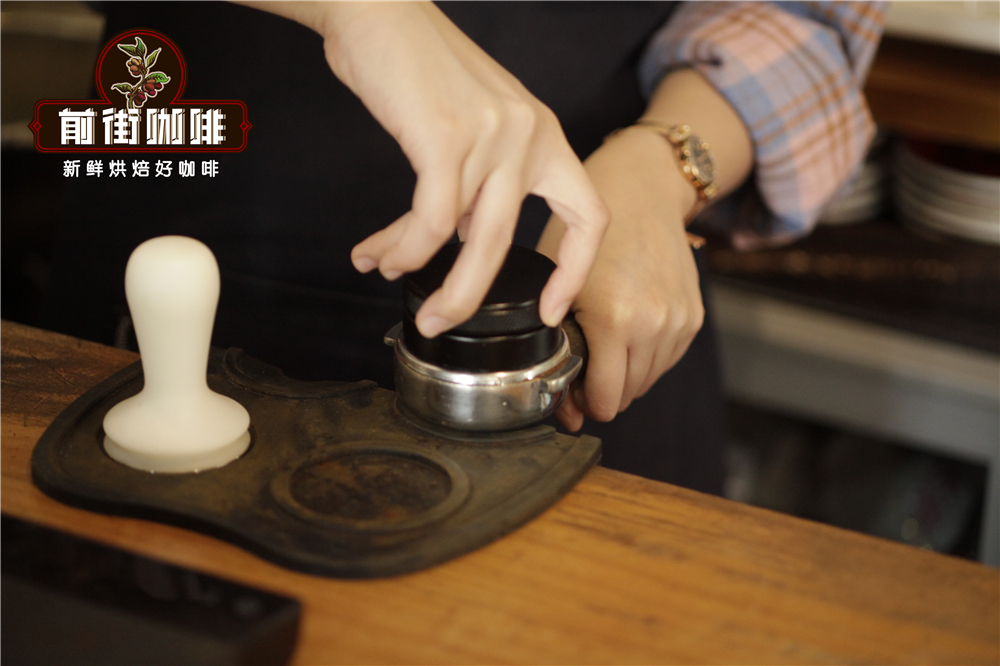
The advantage of the distributor is that it is quick and convenient: you simply place it vertically into the portafilter and rotate a few times to level the surface. It suits baristas who are not confident with hand distribution, and shops with high volume. The benefit is especially clear when a large number of drinks must be produced in a short time, since distributors raise both the speed and the consistency of output.
So, how should you choose?
FrontStreet Coffee believes that tools simplify processes that once demanded real skill, which is undoubtedly a good thing. The downside of over-relying on them is that you lose the original method when you need it again. The sensible approach is to learn the manual technique first and treat the tool as a convenience, so you can reach for either one depending on the situation.
FrontStreet Coffee Recommendation
Good distribution matters most when you are pulling a shot over cold milk, as in a Dirty. FrontStreet Coffee recommends starting with a medium-dark blend or SOE, since these carry richer caramel aromas and a heavier body that contrast nicely with sweet milk. The FrontStreet Classic Blend is the reliable choice: it pairs soft Brazilian beans with wild Mandheling and a small amount of Robusta, so it pulls with a rich, fine crema and buttery, roasted-chestnut aromas.
If you want a single origin, the FrontStreet PWN Golden Mandheling SOE is a standout. The green beans are 18 mesh or larger with fewer than 3 defects in a 300-gram sample, the top G1 grade, and are hand-sorted three times, which keeps the cup exceptionally clean. Roasted medium-dark, it shows caramel, dark chocolate and toasted bread, and layered over cold milk it tastes like iced creamy cocoa. The FrontStreet Brazil Queen Estate SOE, a Yellow Bourbon variety, is sweeter and cleaner still, with tropical fruit aromas from natural processing.
For a smaller contrast and a fresher flavour, choose a medium roast such as the FrontStreet Strawberry Candy Espresso, which was made specifically for espresso machines. It blends the sweetness of Costa Rica honey-processed coffee, the chocolate and nutty character of Colombian coffee, and the floral honey of Panama Geisha, and pulls with rose, raisin, blueberry and nut aromas. Whichever bean you choose, aim for a level, evenly dense bed before you tamp.
Important Notice :
FrontStreet Coffee is a long-established specialty coffee roaster in Guangzhou China, selling freshly roasted beans from its own farm in Yunnan as well as dozens of carefully selected single-origin beans from around the world for both pour-over and espresso. The products deliver consistently excellent quality and great value, with shipping within 24 hours. Guangzhou's FrontStreet Coffee shop is recommended by many coffee lovers, and the beans are now available online at the Tmall 。
FrontStreet Coffee has moved to a new address:
FrontStreet Coffee Address: 315,Donghua East Road,GuangZhou
Tel:020 38364473
 Scan and follow the En Gafei WeChat official account. Please indicate that the reprint comes from "En Gafei".