What is the Red Cherry Project? What are the Flavor Characteristics of Yirgacheffe Natural Red Cherry?
Introduction
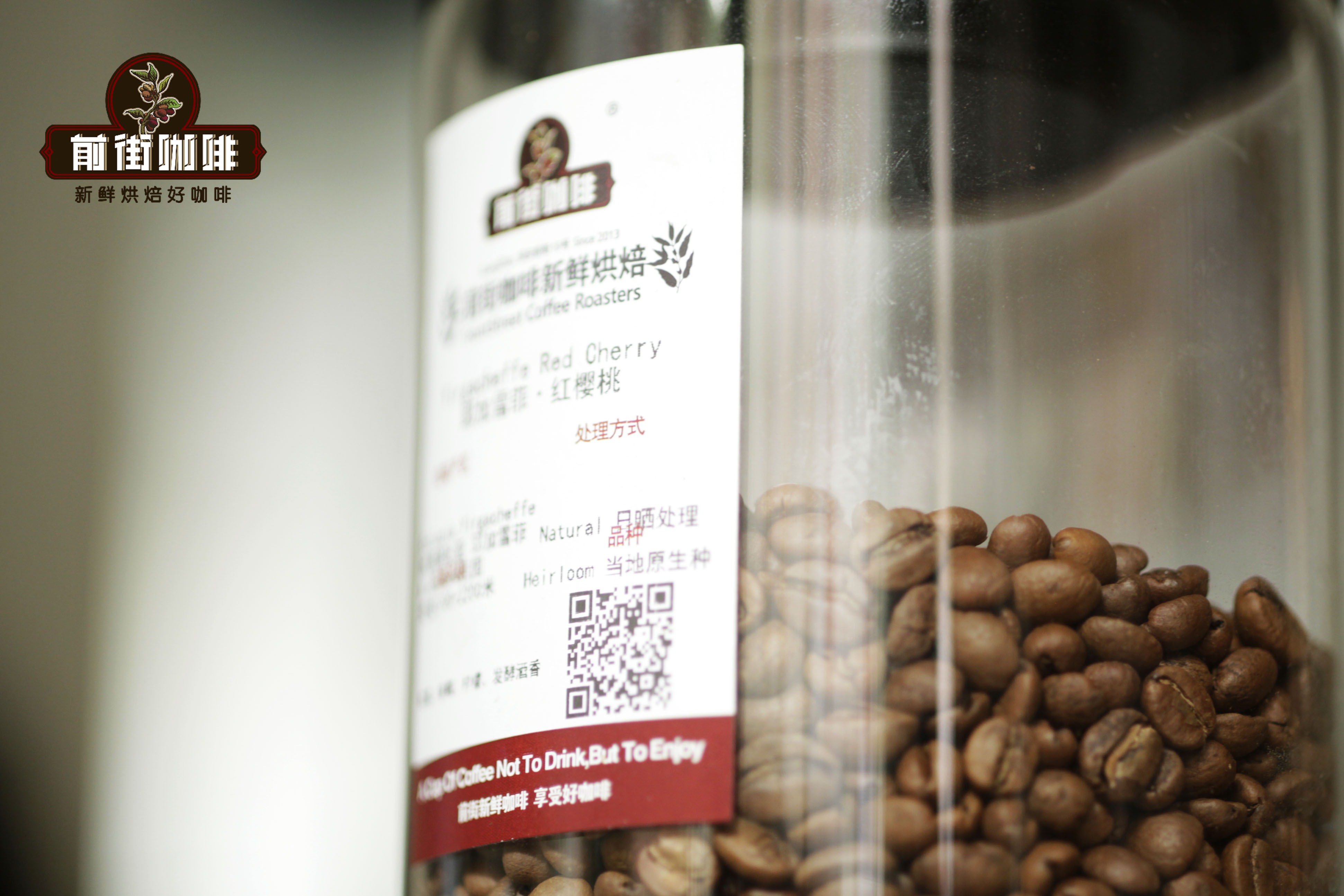
On the bean list at FrontStreet Coffee, you'll find a particularly dazzling name: Yirgacheffe Natural Red Cherry. So what is the story behind this coffee bean?
The Red Cherry Project
The core idea of the Red Cherry Project is to process only fully red coffee cherries in order to improve coffee quality. Today, processing fully red cherries hardly sounds new, since using only ripe cherries seems like common sense. But back in 2007, it was a landmark innovation.
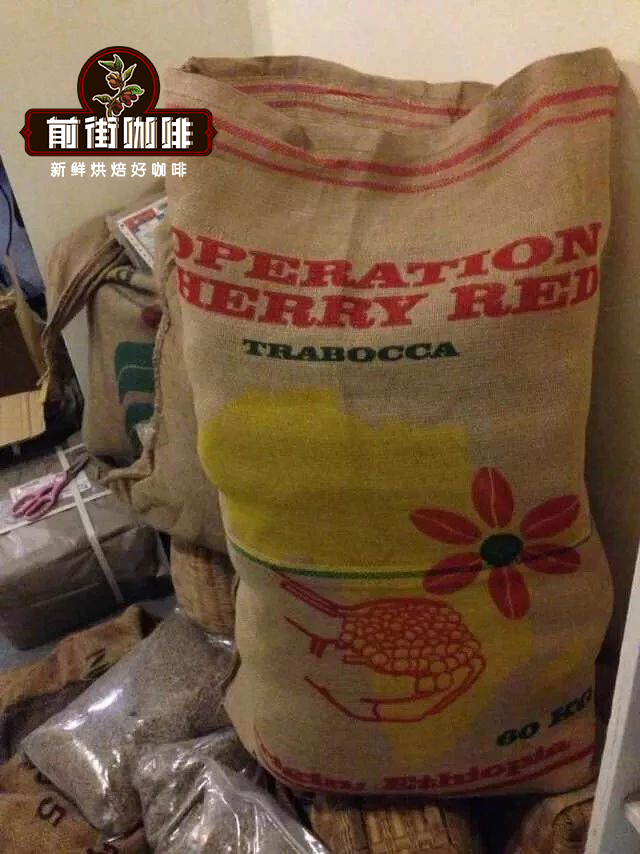
In 2007, Trabocca, the largest green bean merchant in the Netherlands, proposed the Red Cherry Project (ORC) in pursuit of high-quality Ethiopian beans. The project set out to improve the quality of small-scale farms.
Previously, both local processing stations and green bean traders tried their best to lower the purchase price of coffee cherries in order to increase profit. For coffee farmers, income was determined by the quantity of coffee cherries sold, so they cared little about quality. The exploitation by green bean merchants and the farmers' pursuit of quantity created a vicious cycle that dragged down bean quality. Trabocca recognized the problem and knew the deadlock had to be broken, and so the win-win Red Cherry Project was born.
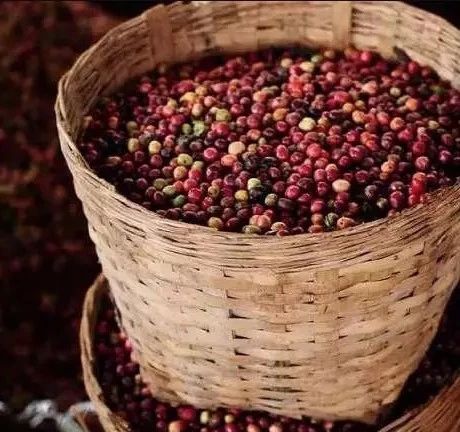
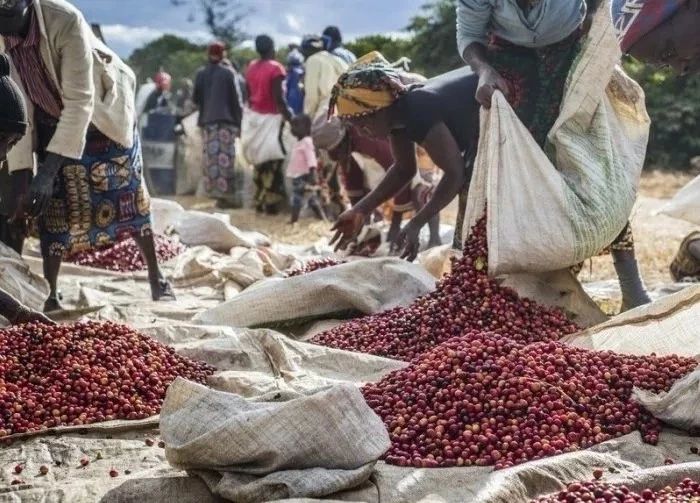
The project requires not only harvesting fully red cherries but also doing so entirely by hand, yet that is only the most basic requirement. The project is far more complex than that, and its main purpose is to encourage coffee farmers. Before the harvest season, Trabocca, the largest coffee bean merchant in the Netherlands, invites all Ethiopian farms to produce small batches of about 1500-3000 kg (25-50 bags) of beans for them. The pickers, women, may select only fully 100% mature red cherries, which makes a significant difference to the flavor of the brewed coffee. Meticulous, sharp-eyed, and hardworking, Ethiopian women are important drivers of the Red Cherry Project.
The Red Cherry Project is also an approach that pushes farms to put more effort into screening and bean selection, and these coffees are relatively more expensive. It covers washed, natural, semi-washed, semi-natural, and experimental coffees, with main production areas including Yirgacheffe, Sidamo, Bonga Forest, Lekempti, Kembata, Illubabor, Harar, and Limu, and in 2011 the Golocha production area near Harar was added. All of these carry unique flavors that fully showcase the character of Ethiopian coffee.
First, there are high cupping score requirements. In cupping rooms in Addis Ababa, Ethiopia, and Amsterdam, the Netherlands, Trabocca re-screens the coffee received from the producing areas and judges whether the beans meet the standard through two cupping sessions, one in Ethiopia and one in the Netherlands. Beans that pass are organized by Trabocca for auction to coffee buyers worldwide. Generally, beans auctioned through this platform can reach prices more than 4 times the international general coffee spot price, with the highest even reaching 20 times.
Second, production quantities must be small, with high quality standards. To ensure there is enough energy to care for these top-quality local Ethiopian beans, Trabocca requires that beans participating in the project be produced in small batches, with production quantities of approximately 1500kg-3000kg.
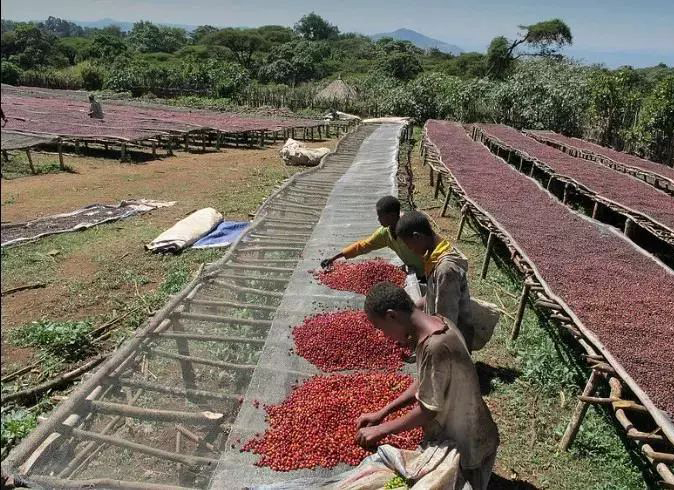
Finally, Trabocca has invested significant attention and resources in the project. It has donated new natural drying racks, shade nets, generators, and other equipment locally. At the same time, it provides financial loan support, new hardware equipment, and production processing knowledge and technology to help farmers raise their production levels. Through real-time monitoring, safe transportation, and other methods, it ensures that the beans from the Red Cherry Project receive the best care at every stage.
Specifically, the Red Cherry Project encourages coffee farmers to be more attentive to every step of picking and processing by raising the purchase price of high-quality green coffee beans. This produces beans of better quality and taste, which earn better recognition in the terminal market and thus offset the relatively high purchase prices.
Although the advantages of Red Cherry Project coffee beans may not seem significant today, the project has made tremendous contributions to the specialization of coffee.
How Does FrontStreet Coffee's Natural Red Cherry Perform?
FrontStreet Coffee's Natural Red Cherry uses fully red cherries from the Aricha farm, processed naturally. Each smallholder coffee farmer at Aricha owns an average planting area of about 0.6 hectares, and the farm is composed of hundreds of coffee farmers. The planting altitude is nearly 2000 meters, with significant temperature differences and fertile soil, providing an excellent growing environment. Hand-harvesting fully red cherries maximizes the lower limit of coffee quality.
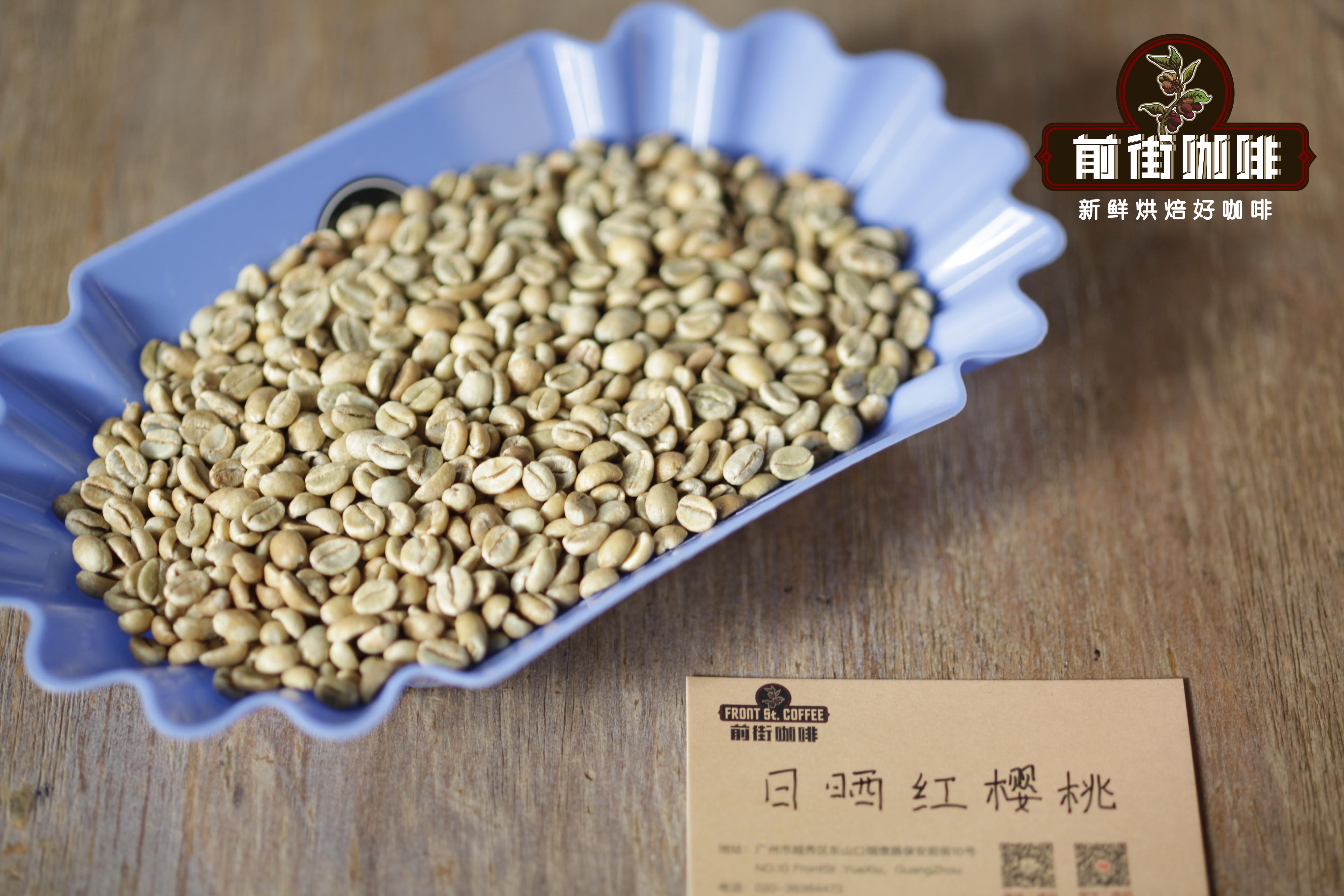
The green beans are light yellow, full-bodied, with an intact appearance and a low defect rate, placing them in the G1 grade.
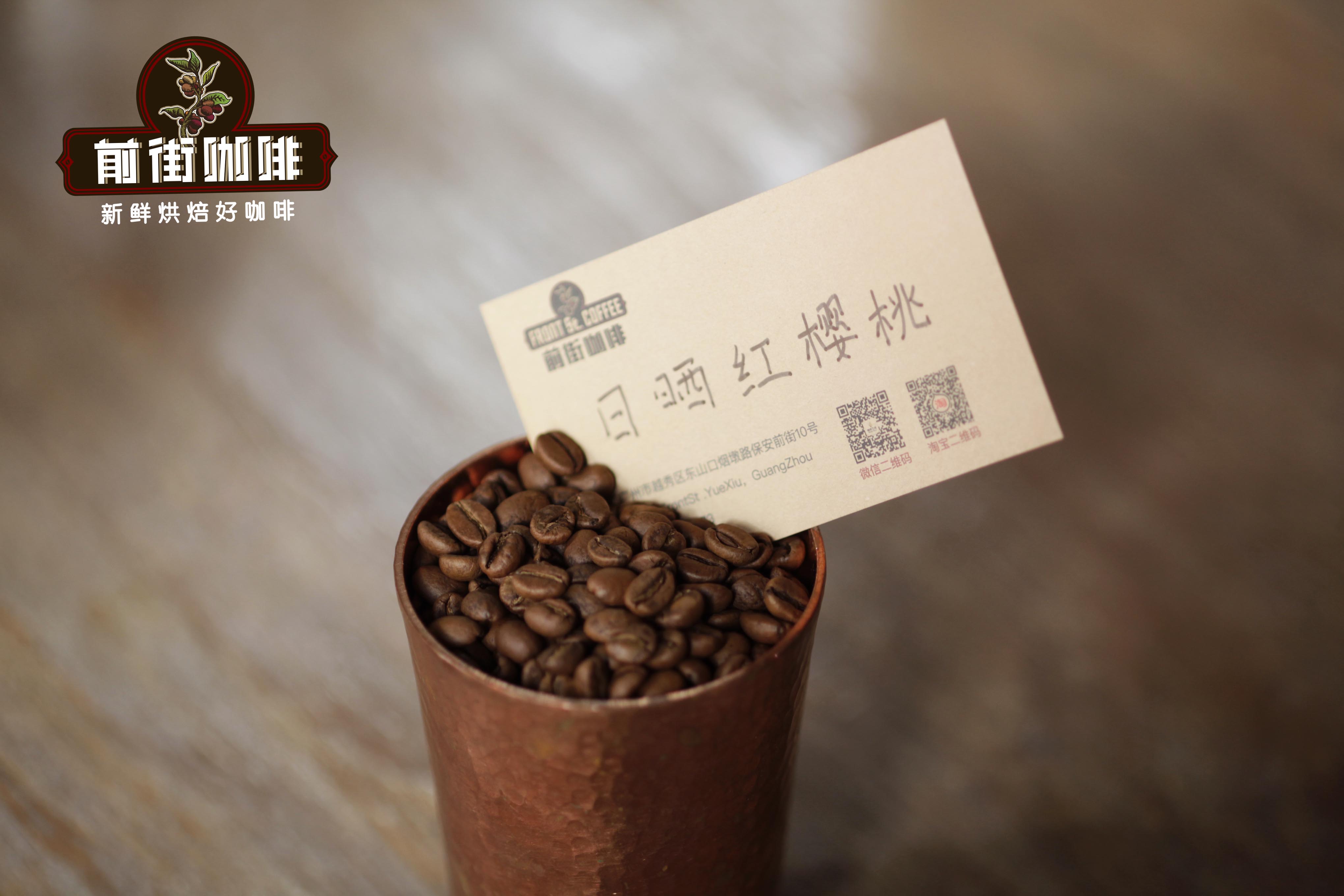
For the single-origin pour-over Red Cherry, FrontStreet Coffee uses a medium-light roast. After roasting, the beans have a uniform color and distinct berry aromas.
When ground to a pour-over fine grind, with an 80% pass-through rate on a #20 standard sieve, the rich berry and fermented aromas are intense.
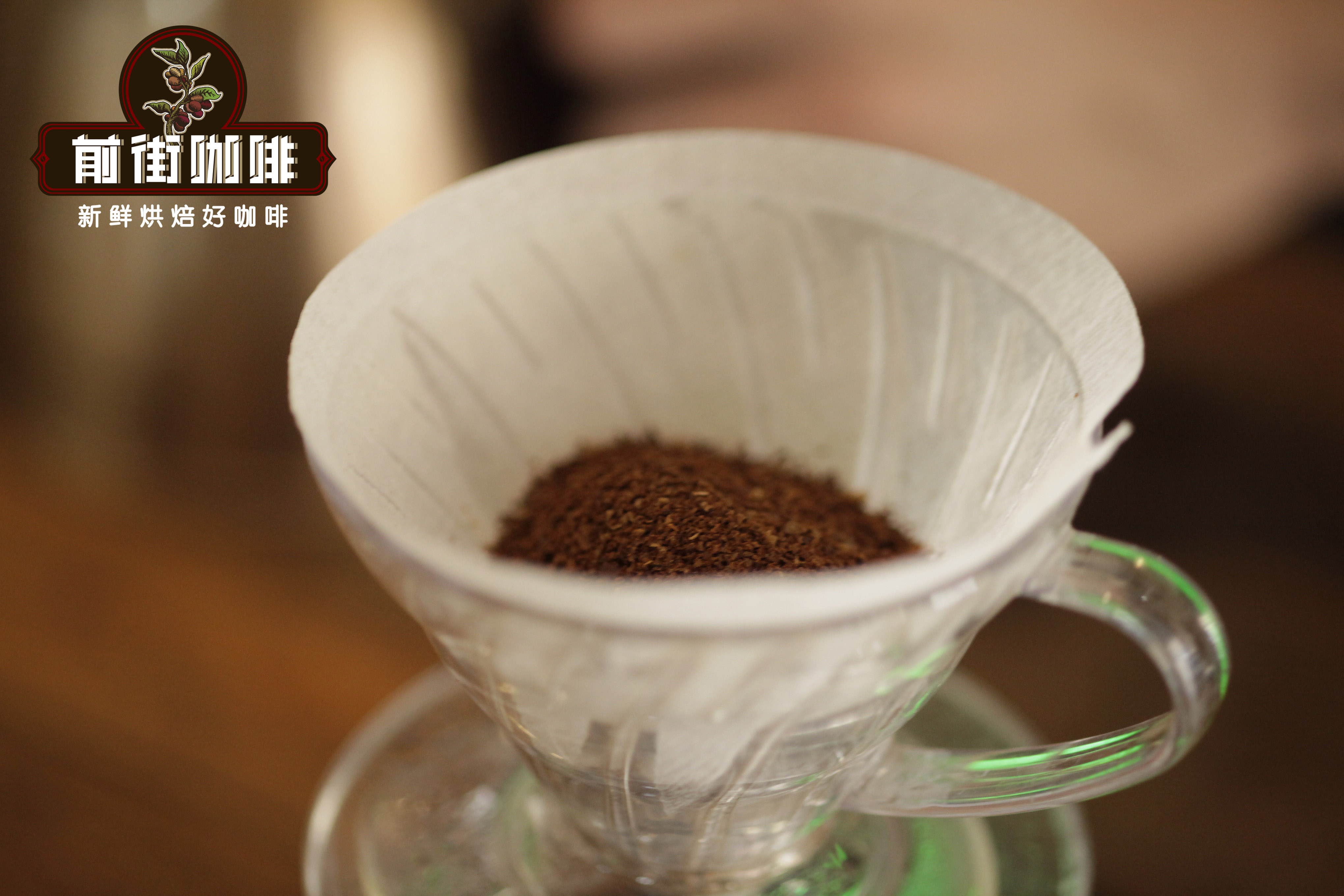
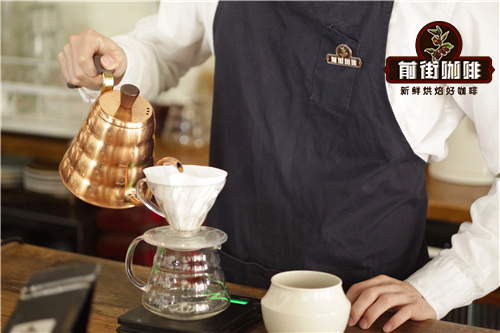
For brewing, use 15g of coffee grounds at a ratio of 1:15, a water temperature of 90°C, and a V60 filter cup.
The brewing method is three-stage. In the first stage, pour 30g of water and let it bloom for 30 seconds. In the second stage, pour 100g of water in circular motions from the center outward. In the third stage, once the coffee bed is exposed, pour 95g of water. Total extraction time is 1 minute 50 seconds.
Flavor: an aroma of ripe fruits, with distinct fermented notes on entry and green grapes. As the temperature drops slightly, lemon acidity and a creamy smoothness appear, with a juice-like sensation of ripe grapes in the finish.
FrontStreet Coffee Recommendation
The Red Cherry Project is a reminder of how much ripeness and hand sorting matter, and FrontStreet Coffee's Natural Red Cherry applies exactly that discipline. FrontStreet's lot is made from fully red cherries grown at nearly 2,000 m on the Aricha farm's smallholder plots, dried on raised beds for three to five weeks and turned every few hours at the start, so it keeps the classic Yirgacheffe citrus acidity while adding tropical fruit, a berry-juice texture, honey sweetness, and a creamy body. If you want the same region in its cleanest expression, FrontStreet's Washed Yirgacheffe is the classic entry point, known for white jasmine, bright citrus and lemon acidity, and a tea-like finish.
Important Notice :
FrontStreet Coffee is a long-established specialty coffee roaster in Guangzhou China, selling freshly roasted beans from its own farm in Yunnan as well as dozens of carefully selected single-origin beans from around the world for both pour-over and espresso. The products deliver consistently excellent quality and great value, with shipping within 24 hours. Guangzhou's FrontStreet Coffee shop is recommended by many coffee lovers, and the beans are now available online at the Tmall 。
FrontStreet Coffee has moved to a new address:
FrontStreet Coffee Address: 315,Donghua East Road,GuangZhou
Tel:020 38364473
 Scan and follow the En Gafei WeChat official account. Please indicate that the reprint comes from "En Gafei".