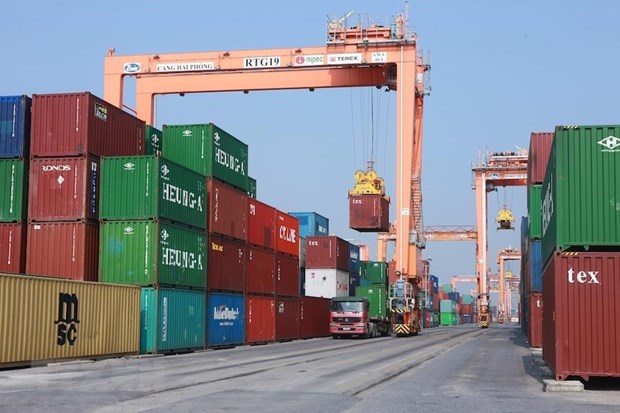
Honduras New Season Coffee Harvest in Jeopardy Amid Triple Threat of COVID-19, Hurricane, and Leaf Rust
The Honduran National Coffee Institute (IHCAFE) has said that Honduras's coffee export forecast for the 2020/2021 harvest season is expected to fall by roughly 11%. The cause is a global pandemic that remains poorly controlled, combined with the heavy rainfall brought by Hurricane Eta across Central America. Besides destroying large areas of coffee farms and knocking unripe cherries from the trees, the storm has worsened a pre-existing outbreak of coffee leaf rust—a problem that will challenge Honduran growers for a long time to come.
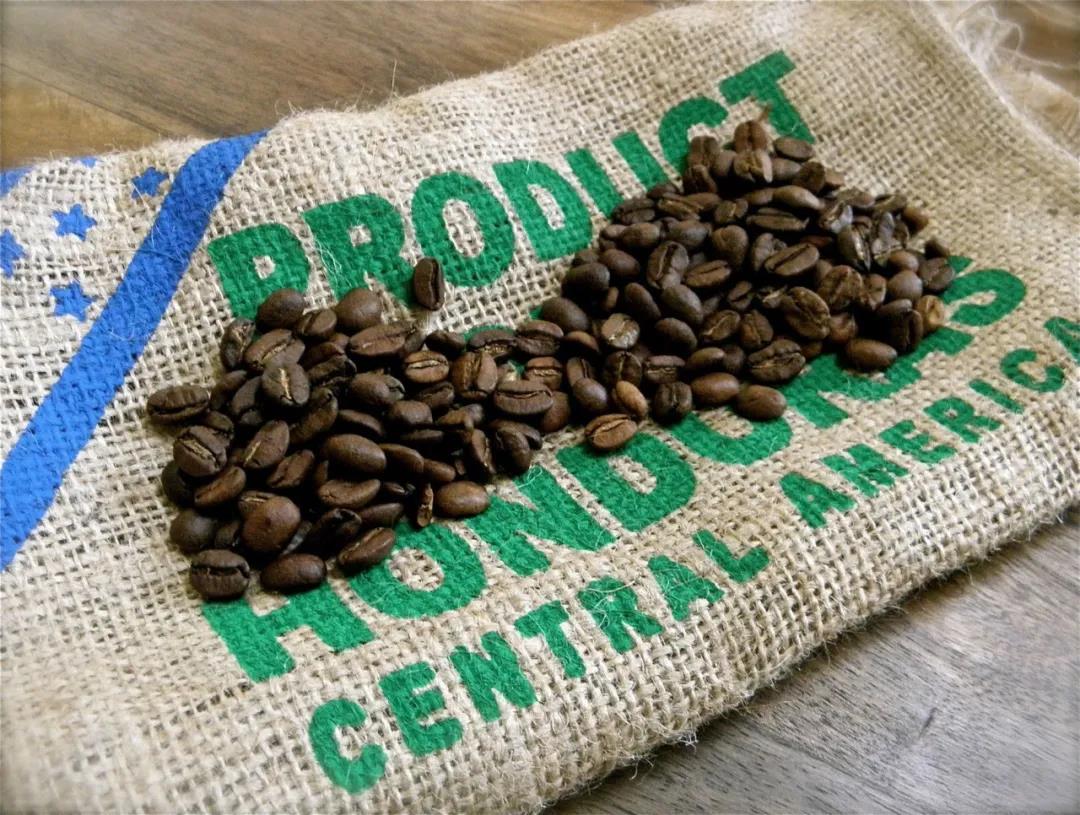
Francisco Ordoñez, chairman of the IHCAFE board, told Reuters: "Currently, in the 2020/2021 harvest season, Central America's largest coffee producer and exporter estimates that Honduras's coffee exports will decline from 6.3 million bags to 5.6 million bags (60 kg per bag)."
How Is COVID-19 Affecting Honduran Coffee Production?
In El Paraíso, one of Honduras's major producing regions, growers say they need around 70,000 workers for the harvest but so far this year have only about 40,000 pickers. In this region, which borders Nicaragua, harvesting began on December 15th and will continue until mid-February. Grower Fredy Pastrana said that many workers inside Honduras are not worried about the domestic pandemic this year, so most are willing to join the harvest. The bigger problem now is bringing in pickers from across the border, because Honduran officials require foreigners to present a negative COVID-19 test before entering the country.
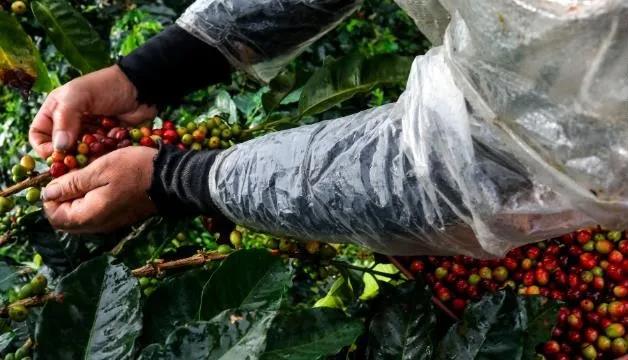
Few Nicaraguan harvesters, however, are taking nucleic acid tests, because a test costs $24—an enormous sum for many pickers. The Honduran Coffee Growers Association is therefore trying to persuade the government to set up low-cost quarantine facilities at the border so that more Nicaraguan pickers can enter Honduras to work.
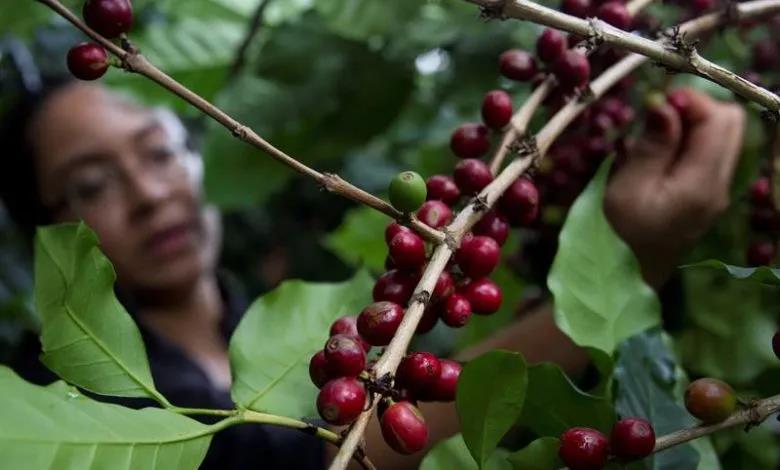
Right now, Honduras's producing regions are relying on small numbers of local pickers to bring in the crop. Growers worry that if heavy rains return before the harvest is complete, more fully ripe cherries will fall and yields will drop further. In western Ocotepeque, grower Virgilio Pacheco said he had to recruit pickers from Guatemala and persuade them to take a nucleic acid test.
How Dangerous Is Coffee Leaf Rust?
Coffee leaf rust is a fungus, but unlike most fungi that feed on decaying plant or animal matter, all 8,000 identified rust species are "obligate biotrophic fungi"—they need a living host to survive.
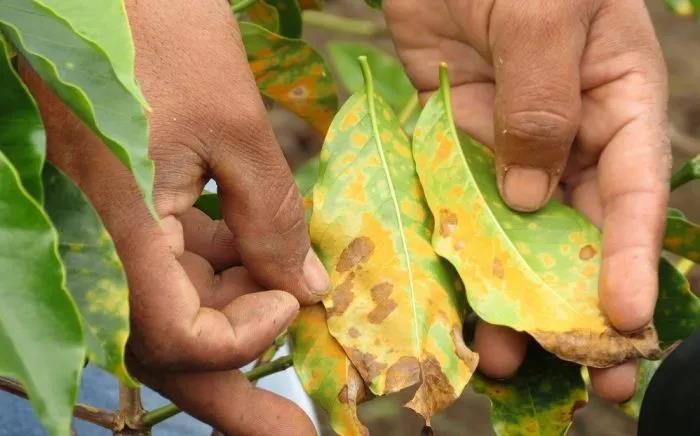
Rust symptoms appear mainly on the leaves; fruit and branches are rarely affected. After the leaves are infected, small, pale-yellow, water-soaked spots first show on the underside, ringed by light-green halos. As the spots expand to 5-8mm, orange-yellow powdery spore masses push out through the stomata in the affected areas. The spots gradually widen, and several may merge into irregular large patches. Later the centers dry and turn brown, with brown marks visible on both sides of the leaf, until the leaves drop off one by one. A coffee plant can die within several years.
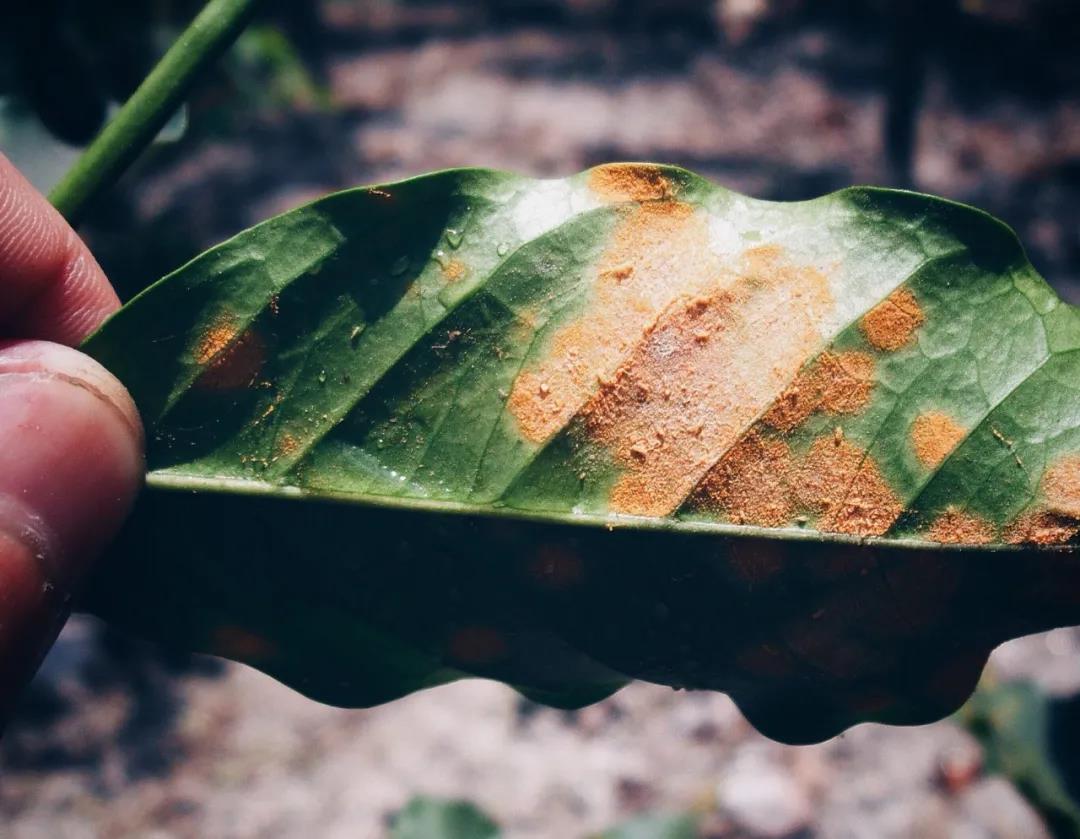
One difficulty in fighting coffee leaf rust is how easily it spreads. The spores are very light and powdery, so they travel on wind and rain and can even be carried on workers' clothing and tools. A hurricane, naturally, becomes a fast lane for the disease.
FrontStreet Coffee Recommendation
Central America's harvest troubles are a reminder of how much care goes into every bag. To taste what the region can offer, try FrontStreet Coffee's Costa Rica Mozart, a raisin honey-process coffee grown on Costa Rica's high volcanic slopes, where large day-night temperature swings and fertile soil yield SHB-grade beans.
The raisin honey process keeps 100% of the mucilage and adds no water, concentrating a rich dried-fruit sweetness. Brewed as pour-over, cold brew, or espresso, it shows notes of osmanthus, pineapple, and raisin.
Important Notice :
FrontStreet Coffee is a long-established specialty coffee roaster in Guangzhou China, selling freshly roasted beans from its own farm in Yunnan as well as dozens of carefully selected single-origin beans from around the world for both pour-over and espresso. The products deliver consistently excellent quality and great value, with shipping within 24 hours. Guangzhou's FrontStreet Coffee shop is recommended by many coffee lovers, and the beans are now available online at the Tmall 。
FrontStreet Coffee has moved to a new address:
FrontStreet Coffee Address: 315,Donghua East Road,GuangZhou
Tel:020 38364473
 Scan and follow the En Gafei WeChat official account. Please indicate that the reprint comes from "En Gafei".