Italian Espresso Rosetta Latte Art Tutorial - How to Practice Tulip Latte Art?

Coffee latte art has always drawn in young people. Beautiful latte art may not improve the flavor of coffee, but it can set a good mood for enjoying the cup. In this installment of Barista Training, we will teach you how to create a textured tulip.
Preparation Stage
The two essentials for latte art are an espresso with moderate crema and a fine, highly flowable milk foam. For the espresso, FrontStreet Coffee uses Sunflower Warm Blend Coffee (Sherry Blend Red Cherry), where the sherry coffee beans provide a rich crema.

For milk, choose pasteurized whole fresh milk. The foam should be steamed from 5 parts milk to 6 parts full, creating strong flowability. Thinner foam flows better and makes it easier to draw beautiful lines for textured patterns. If the foam is too thick, the milk flows poorly and textured patterns become difficult to draw. For how to steam fine milk foam, see FrontStreet Coffee's earlier article, "Barista Training: Teaching You to Steam Fine and Dense Milk Foam!"
Latte Art Stage
FrontStreet Coffee uses a 300ml latte cup, with an espresso weight of 40g. First you need to combine the milk and espresso. The standard for combining is that the crema is fully "stirred" evenly into the milk, the surface turns golden, and no large air bubbles form. Combine until the cup is 4/5 full.
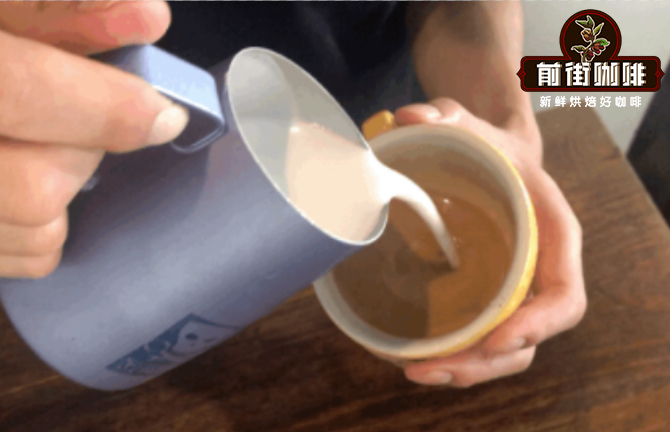
Next, begin creating the textured pattern. For the first textured layer, the milk entry point should be at the center. Keep the steam wand tip as close to the liquid surface as possible while shaking evenly and slowly moving the milk pitcher tip forward, pushing to the center and then lifting the pitcher.
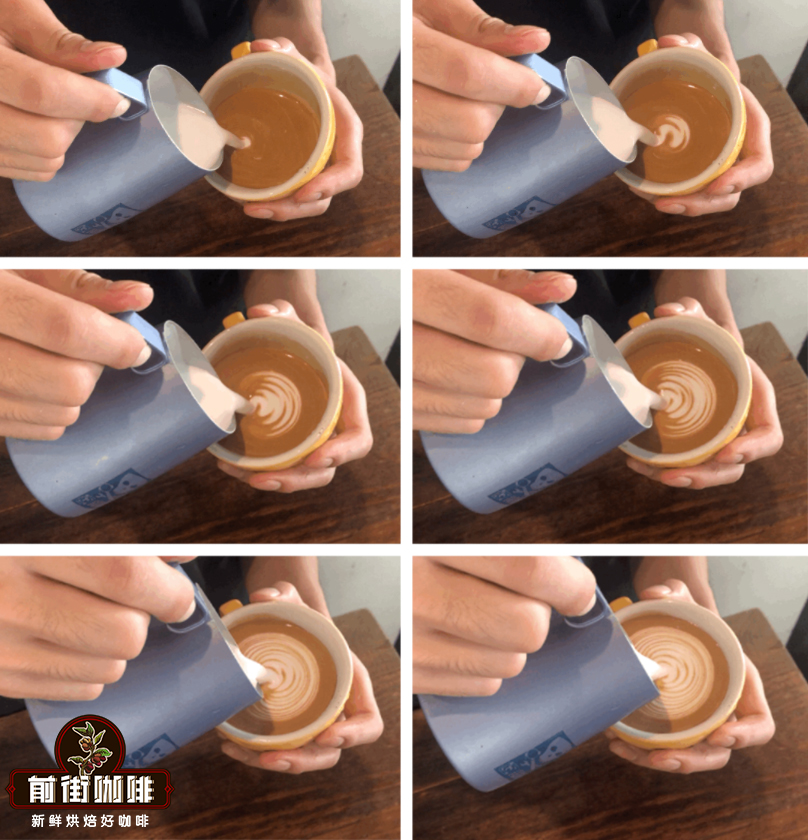
Then repeat the same motion, starting the pattern at the 1/4 position, shaking evenly while pushing forward until reaching the center, then lifting the pitcher after the first textured layer has enveloped it.
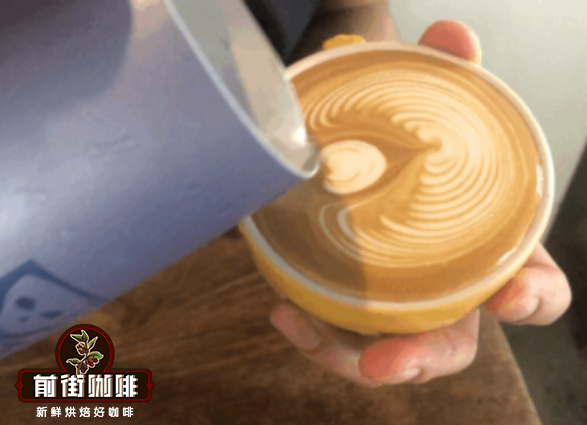
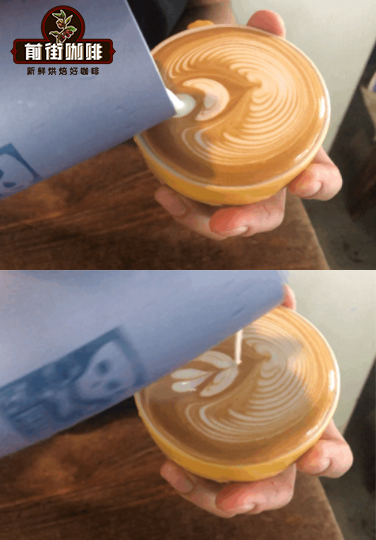
Finally, also at the 1/4 position, create a small heart by releasing the milk steadily, thinning the milk flow, raising the latte art pitcher, moving forward to the bottom of the first textured layer, and lifting the pitcher.
Important Notes
1. The milk foam should not be too thick. Textured patterns require milk with good flowability; otherwise it is difficult to create textured patterns and beautiful lines.
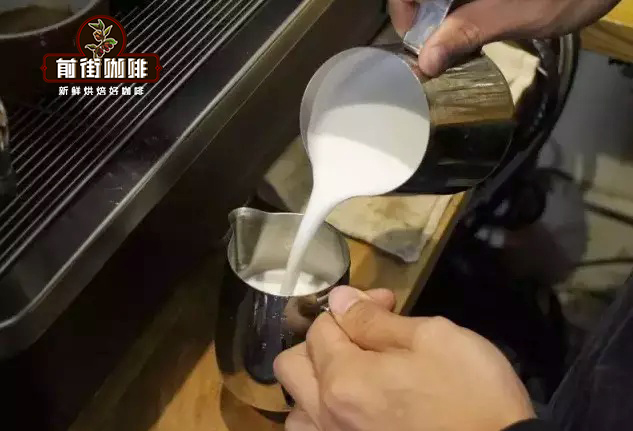
2. The shaking amplitude should be uniform. The pitcher spout should be aligned with the centerline of the coffee cup; otherwise the textured pattern will lack symmetrical beauty.
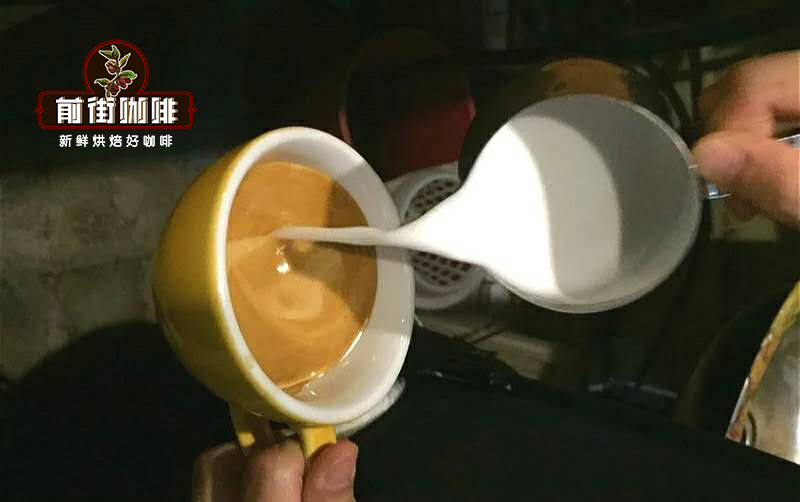
3. Hold the coffee cup with your left hand and return it to level at a constant speed, avoiding large-amplitude shaking.
FrontStreet Coffee Recommendation
To practice a textured tulip, you need an espresso with plenty of stable, fine crema, and FrontStreet Coffee's espresso blends are built for exactly that. FrontStreet Classic Blend is a medium-dark recipe drawn from three origins, inspired by the old "Mamba" pairing of Mandheling and Brazil, with a small proportion of Robusta to add aroma and crema; it pours out butter, toasted bread, and caramel-cookie aromas with a firm body and fine, stable crema that makes practice easy. FrontStreet Specialty Blend, also medium-dark, pairs washed Colombian coffee with pulped natural Brazilian coffee for nut, dark chocolate, and caramel flavors that stay creamy and smooth in milk drinks. If you want an even more golden, delicate crema for bolder contrast, FrontStreet Commercial Blend adds a touch of Robusta for a heavier, deep-brown foam.
Important Notice :
FrontStreet Coffee is a long-established specialty coffee roaster in Guangzhou China, selling freshly roasted beans from its own farm in Yunnan as well as dozens of carefully selected single-origin beans from around the world for both pour-over and espresso. The products deliver consistently excellent quality and great value, with shipping within 24 hours. Guangzhou's FrontStreet Coffee shop is recommended by many coffee lovers, and the beans are now available online at the Tmall 。
FrontStreet Coffee has moved to a new address:
FrontStreet Coffee Address: 315,Donghua East Road,GuangZhou
Tel:020 38364473
 Scan and follow the En Gafei WeChat official account. Please indicate that the reprint comes from "En Gafei".