Brewing Guide for Costa Rica Finca Phoenix Coffee Beans - Flavor Characteristics of Natural Process Coffee
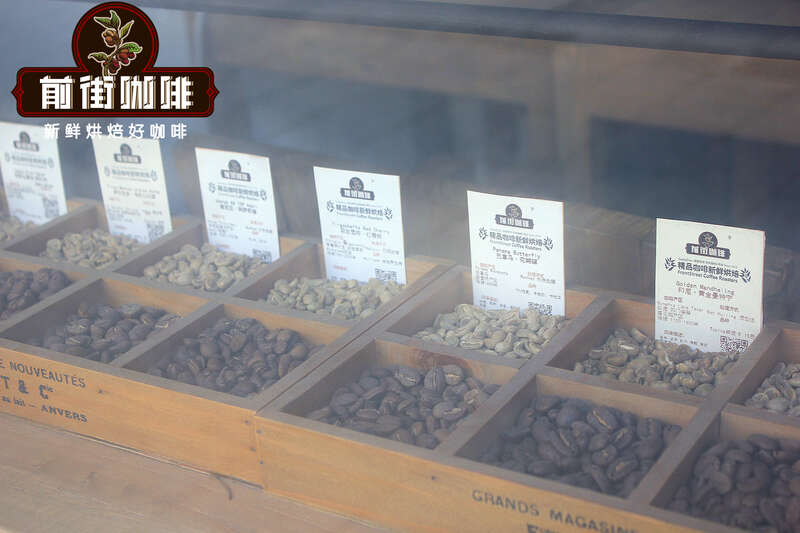
On FrontStreet Coffee's coffee bean menu, a coffee named "Zahiro" from Finca Phoenix in Costa Rica always catches people's attention. Finca Phoenix is a 100% organic plantation, and one of the earliest producers in the Central Valley's fertile volcanic hills to begin making honey-processed and natural-processed coffee.
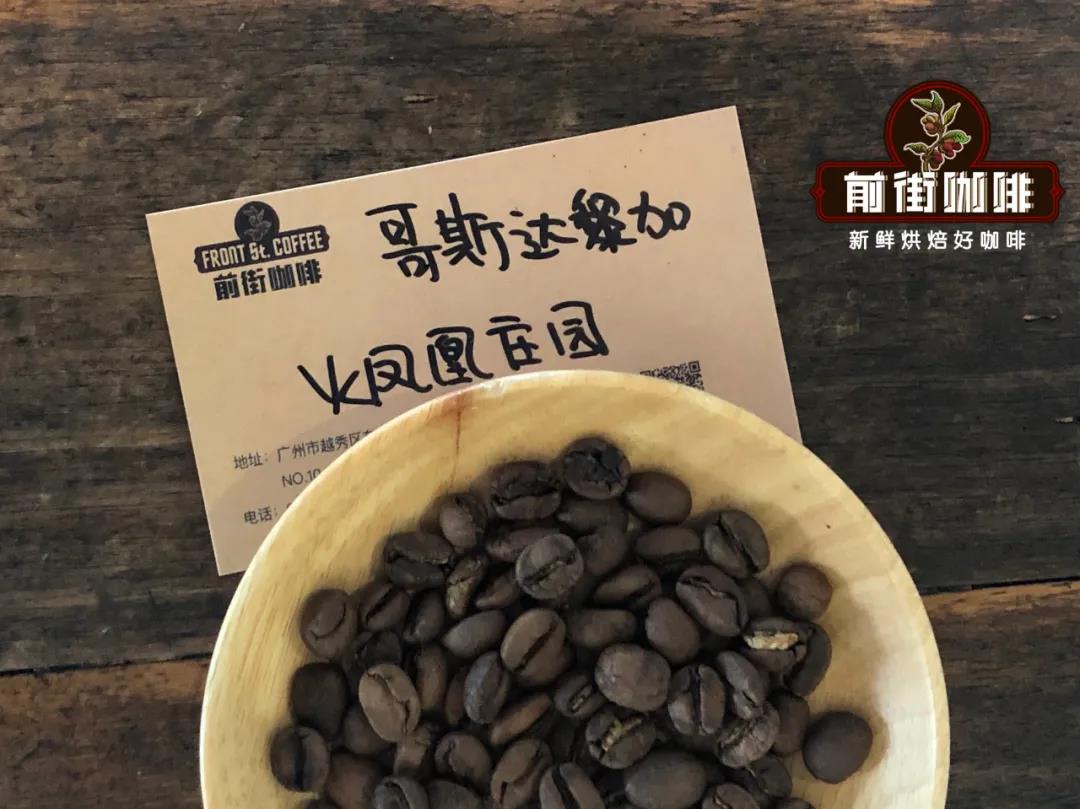
FrontStreet Coffee - Costa Rica Finca Phoenix Zahiro Coffee Beans
Region: Costa Rica, Central Valley
Estate: Finca Phoenix
Varieties: Caturra, Catuai
Processing: Natural Process
Altitude: 1600m
Grade: SHB
Central Valley
The Central Valley is a highland plateau in central Costa Rica, at an altitude of 1,200-1,600 m. The region contains three high-altitude volcanoes, Irazu, Barva and Poas, which feed abundant nutrients into the surrounding coffee-growing areas, with moderate rainfall of 118 inches a year and an average temperature of only 19°C.
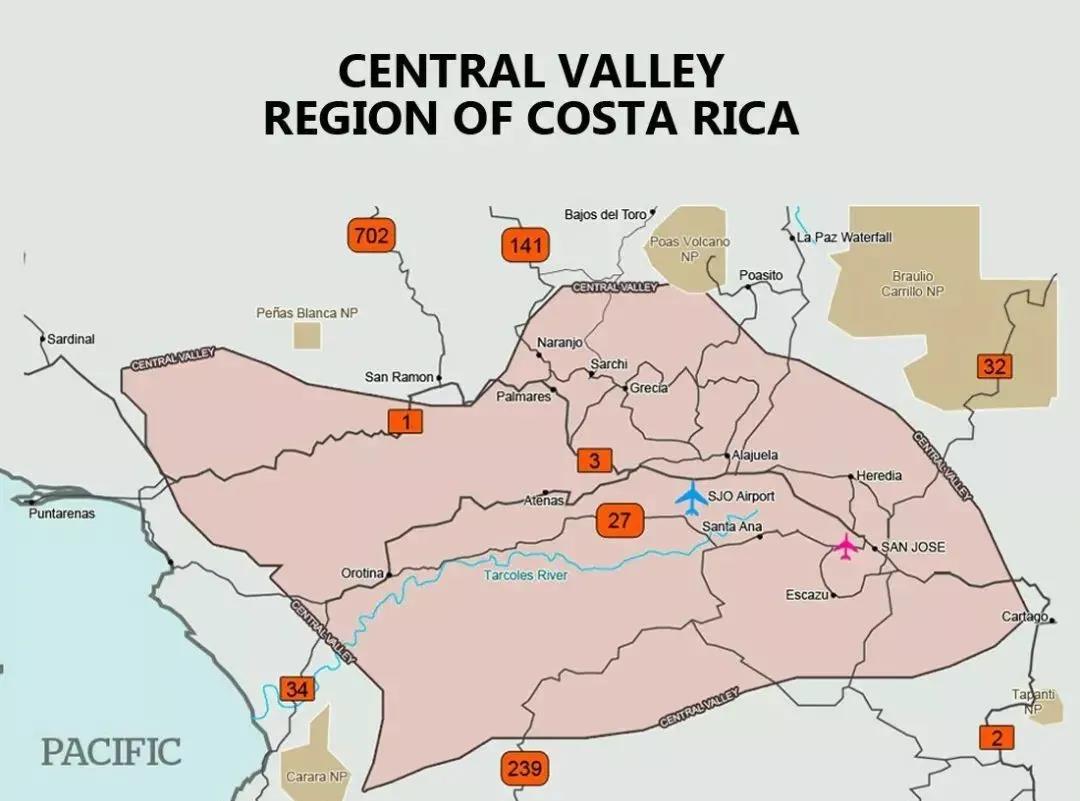
High altitude, rich microclimates, mild temperatures and three volcanoes combine to create extremely fertile volcanic soil. Cupping beans from this region, FrontStreet Coffee found that they have high hardness, with chocolate and nutty aromas, soft berry acidity and rich sweetness.
Finca Phoenix
Finca Phoenix is located in the fertile volcanic hills of the Poas volcano in Costa Rica's Central Valley. The estate places great emphasis on environmentally friendly practices, such as collecting and filtering rainwater for coffee processing and using vermicompost organic fertilizer. Earthworms bring a rich enzyme system, including protease, lipase, cellulase and amylase, that breaks organic waste down quickly and thoroughly into easily used nutrients, speeding up the compost's maturation and making the coffee cultivation process completely free of chemical fertilizers and pesticides.
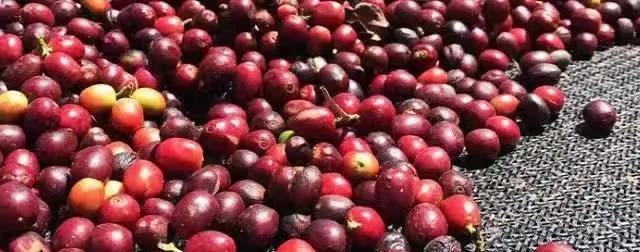
The estate owner believes this farming method is the best choice for both environmental protection and the health of the family. Thanks to such nutrient-rich fertilizer and mineral-rich soil, the coffee fruit from this estate has a very high sugar content. The beans are mainly processed using natural and honey methods, and both produce coffee with very prominent sweetness.
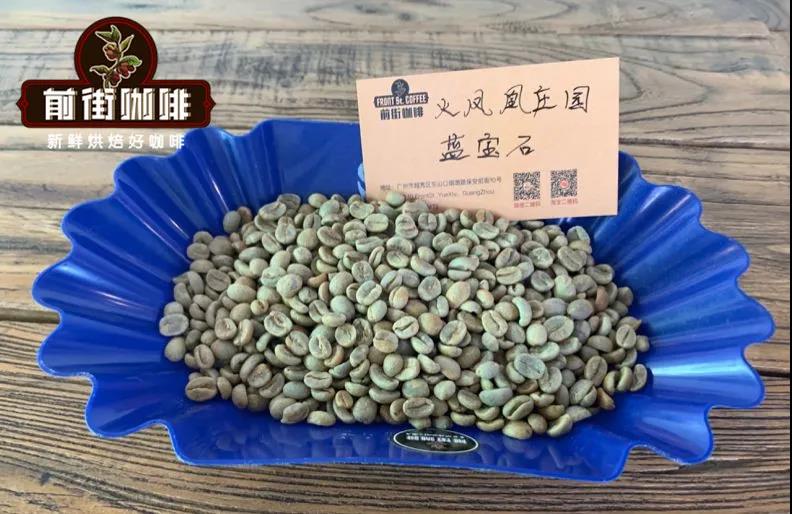
The Zahiro beans that FrontStreet Coffee acquired were named by the estate owner. In Polish, "zahiro" means "sugar," and Zahiro is the name given by the domestic green bean supplier. The name expresses the character of their coffee directly and simply.
Coffee Varieties
Caturra & Catuai
Caturra, meaning "small" in Guarani, is a natural mutation of the Bourbon variety. Although Caturra plants are smaller with closely spaced branches, that lets them produce more fruit in the same space, significantly raising the yield. Its most important advantage is that, unlike older varieties such as Typica and Bourbon, it does not need shade trees and thrives in direct sunlight, which is why Caturra is also called "Sun Coffee." Caturra beans have a curved end and are round and slender, with better productivity and disease resistance than Bourbon, offering generally bright flavors and good sweetness.
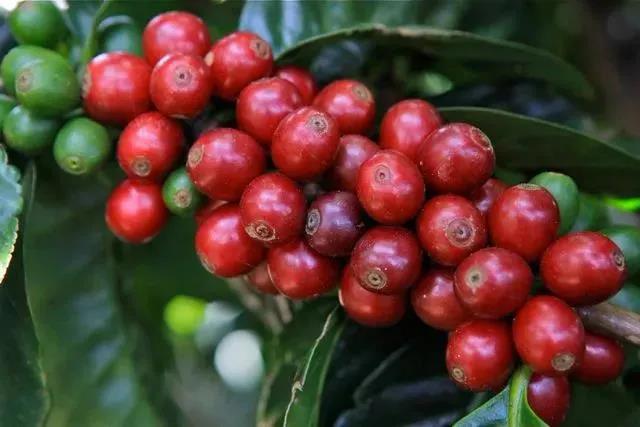
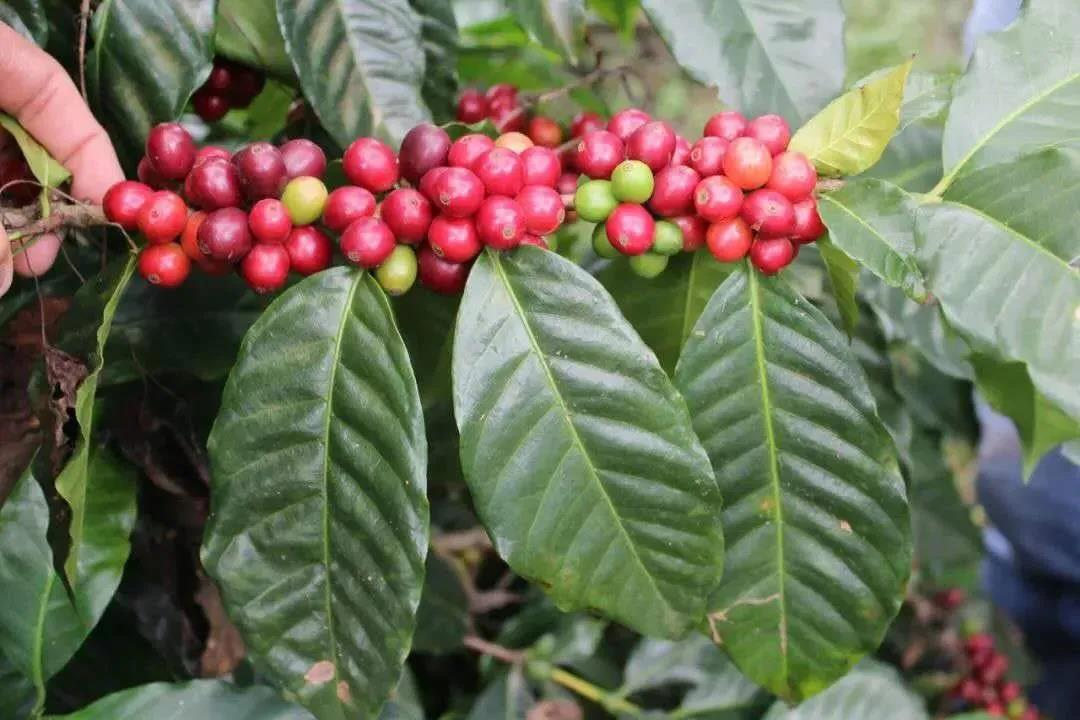
Catuai, meaning "very good" in Guarani, is an artificial hybrid of Yellow Caturra and Mundo Novo. Catuai inherits Mundo Novo's high yield, strong disease resistance and excellent cup quality, along with Caturra's small plant size, excellent acidity and sun coffee traits. Its smaller plant size allows double-density planting, and its dwarf stature makes pests and diseases relatively easy to manage. Catuai grows vigorously and stays low, but it is susceptible to leaf rust. Cupping Catuai beans, FrontStreet Coffee found the variety has excellent acidity and a clean taste, and importantly, its beans carry fruity aromas.
Natural Processing
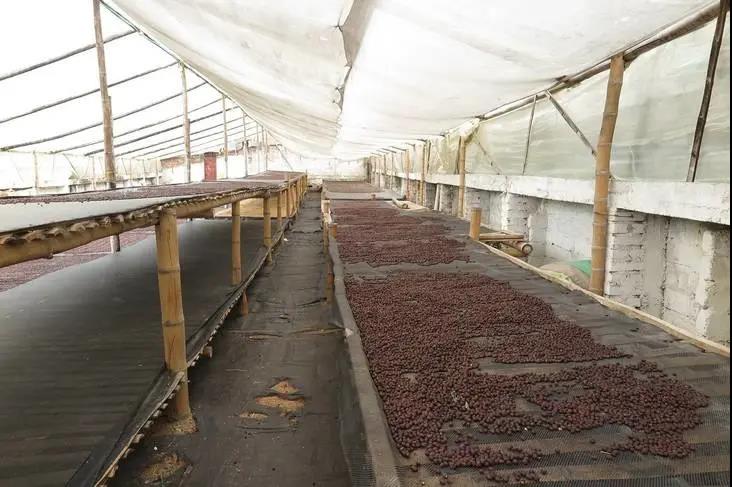
As mentioned, the estate owner mainly uses natural and honey processing. The Zahiro beans that FrontStreet Coffee acquired use natural processing, but it differs from natural processing elsewhere. The owner hand-harvests fully ripe coffee fruit with high sugar content, then places it on raised beds to dry in the sun for about 10 days.
The cherries are then moved to greenhouse structures covered with plastic sheets, creating more direct and uniform heat, and drying continues until the moisture content reaches 11.5%. The slow drying lets the green beans develop more natural sweetness from within. With careful handling and constant turning, the bright red fruit eventually turns dark, giving off fermented fruit aromas and a brown-sugar-like sweetness.
FrontStreet Coffee Roasting Profile
This Costa Rica Finca Phoenix Zahiro has rich berry and tropical fruit aromas. To preserve the abundant fruit flavors and sweetness, FrontStreet Coffee's roasters use a medium-heat approach. On a Yangjia 800N roaster at a 300 g batch size, the beans are loaded at 170°C, with the damper set to 3 and heat at 110. The turning point comes at 1'36" at 97.9°C; when the temperature reaches 140°C, the damper is opened to 4. At this point the bean surface turns yellow, the grassy aromas disappear completely and the coffee enters the dehydration stage. When the temperature reaches 166°C, the heat is adjusted to 80 while the damper is left unchanged.
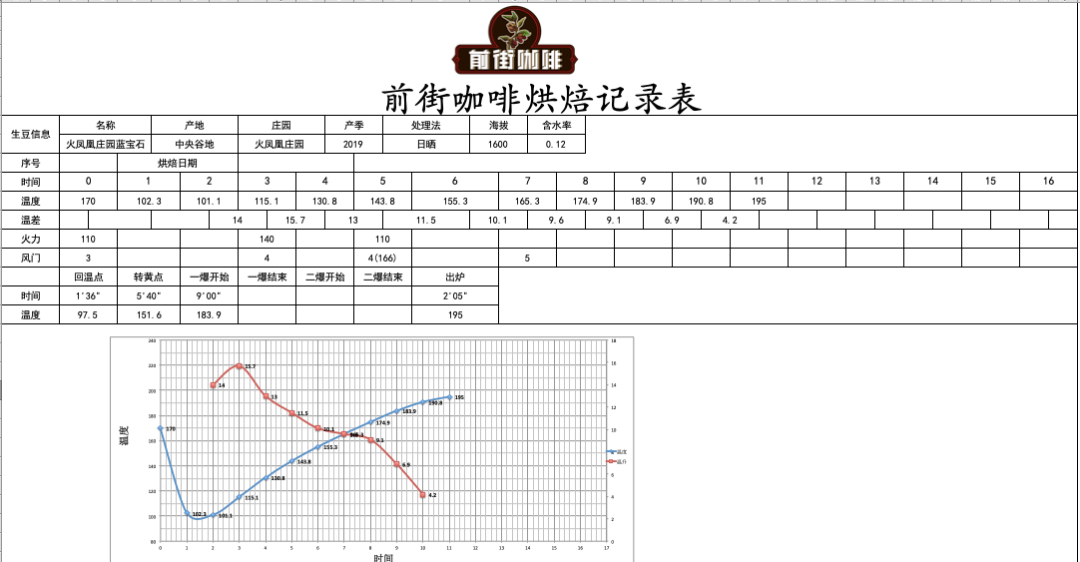
At 8'17", the bean surface shows ugly wrinkles and black markings, and the toast aroma clearly shifts to coffee aroma, which can be defined as the prelude to first crack. At this point one must listen carefully for the sound of first crack. At 9'00" first crack begins and the damper is adjusted to 5. Heat adjustment must be very careful, not so low that crackling stops. After first crack, the coffee develops for 2'05" before being discharged at 195°C.
FrontStreet Coffee Cupping Notes
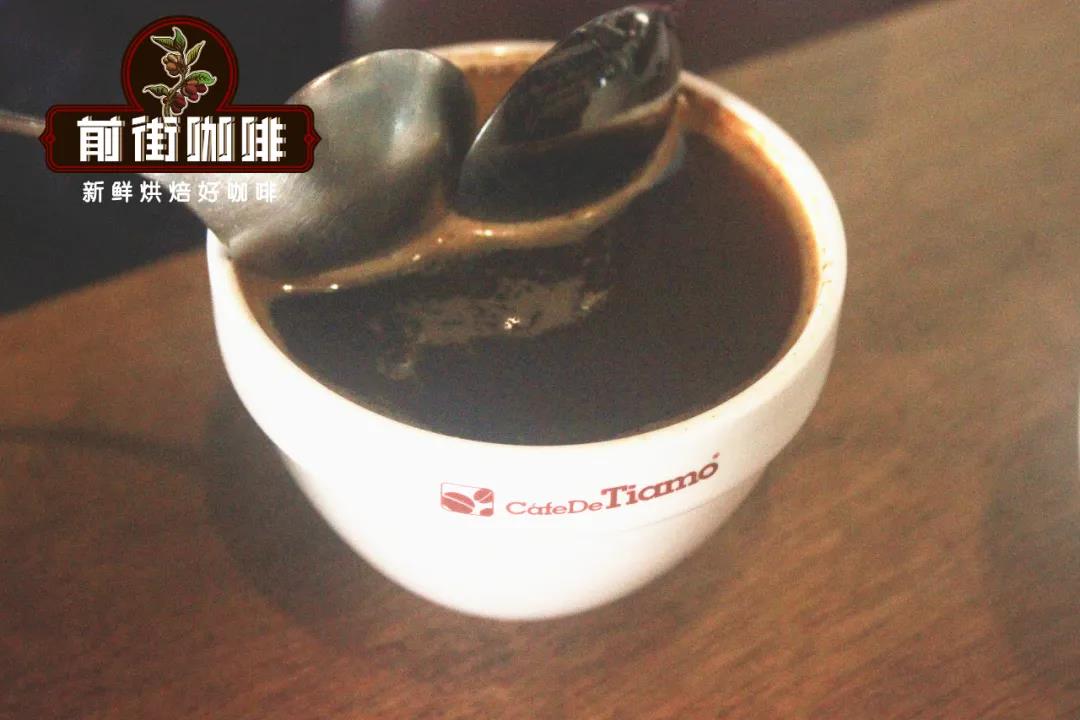
Dry Aroma: Fermentation, tropical fruits
Wet Aroma: Berries, honey
Flavor: Berries, tropical fruits, fermented wine notes, brown sugar
FrontStreet Coffee Brewing Tips
Recently, some coffee enthusiasts told FrontStreet Coffee's baristas that this bean brewed with a smoky sensation. How should that be solved? FrontStreet Coffee typically uses a medium-fine grind, with 80% passing a #20 standard sieve, for light roast beans in daily brewing. For this particular bean, FrontStreet Coffee used a grind between medium-fine and medium-coarse, at 76% passing a #20 standard sieve, with water starting at 90.5°C.
Dripper: Hario V60#01
Dose: 15g
Ratio: 1:15
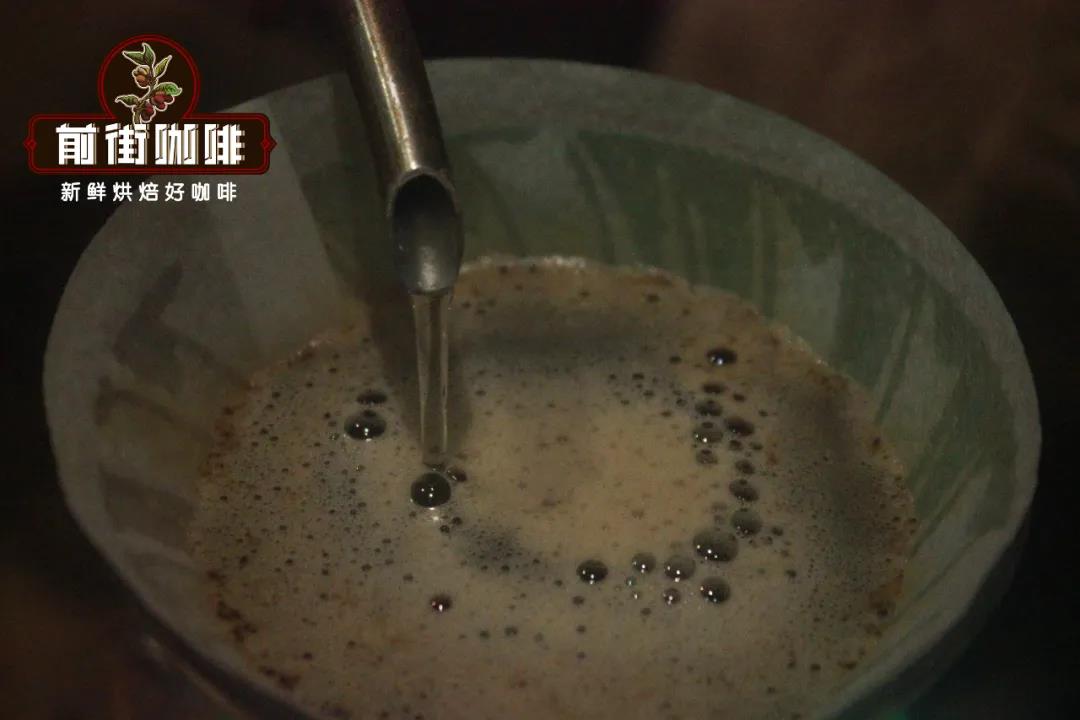
FrontStreet Coffee uses segmented extraction: first, use 30 g of water to fully saturate the coffee bed into a "hamburger" shape and let it bloom for 30 seconds, then proceed to the second stage. In the second stage, FrontStreet Coffee uses a steady medium-fine water flow in circular motions, injecting water to 125 g at 55 seconds on the timer, then stops to wait for the water level to drop to 2/3 of the coffee bed before starting the third stage. In the third stage, FrontStreet Coffee continues with a steady medium-fine flow, slightly faster, injecting water to 225 g at 1'45". After the coffee drips through completely, the total extraction time is 1'56".
Brewing Flavor: The entry reveals strawberry, tropical fruits and fermented wine notes, with honey and cocoa in the finish. The overall mouthfeel is smooth, with distinct flavor layers and a prominent aftertaste.
FrontStreet Coffee Recommendation
Natural processing is what gives this Costa Rican coffee its fermented fruit and brown-sugar depth, and FrontStreet Coffee's natural line follows the same idea. FrontStreet Coffee Yirgacheffe Red Cherry is made only from fully ripe red cherries, dried on raised beds so the fruit stays clear and clean, and after a medium-light roast it shows elegant florals, bright acidity, tropical fruit and a full fermented sweetness.
FrontStreet Coffee Huakui is an Ethiopian natural coffee from Sidamo, sun-dried with a traditional method that keeps the fruit intact through drying. The cup brings light fermented wine aroma, florals, citrus and mango, with honey sweetness, cocoa and a hint of spice over a thick body and a long finish.
For something closer to home, FrontStreet Coffee 2013 Yunnan Natural Typica, grown by the FrontStreet farm in Yunnan, is dried in the sun during the region's clear dry season, giving it a nutty core with balanced acidity and sweetness, a touch more sweetness than a typical washed coffee, and notes of berry, dried apricot, brown sugar and a light tea sensation.
Important Notice :
FrontStreet Coffee is a long-established specialty coffee roaster in Guangzhou China, selling freshly roasted beans from its own farm in Yunnan as well as dozens of carefully selected single-origin beans from around the world for both pour-over and espresso. The products deliver consistently excellent quality and great value, with shipping within 24 hours. Guangzhou's FrontStreet Coffee shop is recommended by many coffee lovers, and the beans are now available online at the Tmall 。
FrontStreet Coffee has moved to a new address:
FrontStreet Coffee Address: 315,Donghua East Road,GuangZhou
Tel:020 38364473
 Scan and follow the En Gafei WeChat official account. Please indicate that the reprint comes from "En Gafei".