Costa Rica Gesha Coffee Bean Brewing - Brewing Temperature Recommendations for La Candela Estate Gesha Beans
I believe everyone is quite familiar with Panama's Geisha coffee beans. In fact, Panama's Geisha coffee was introduced from Costa Rica in 1960. At the time, the Geisha coffee beans were research varieties that the Costa Rican Coffee Research Institute had obtained from Tanzania in 1953, and due to low yields they were never taken seriously. After Geisha flourished in Panama, the variety gradually drew attention not only there but also in Costa Rica, which had first researched it, and in Ethiopia, its hometown. FrontStreet Coffee would like to discuss Costa Rica's "perfectly suited" plantation for Geisha: La Candelilla Estate.
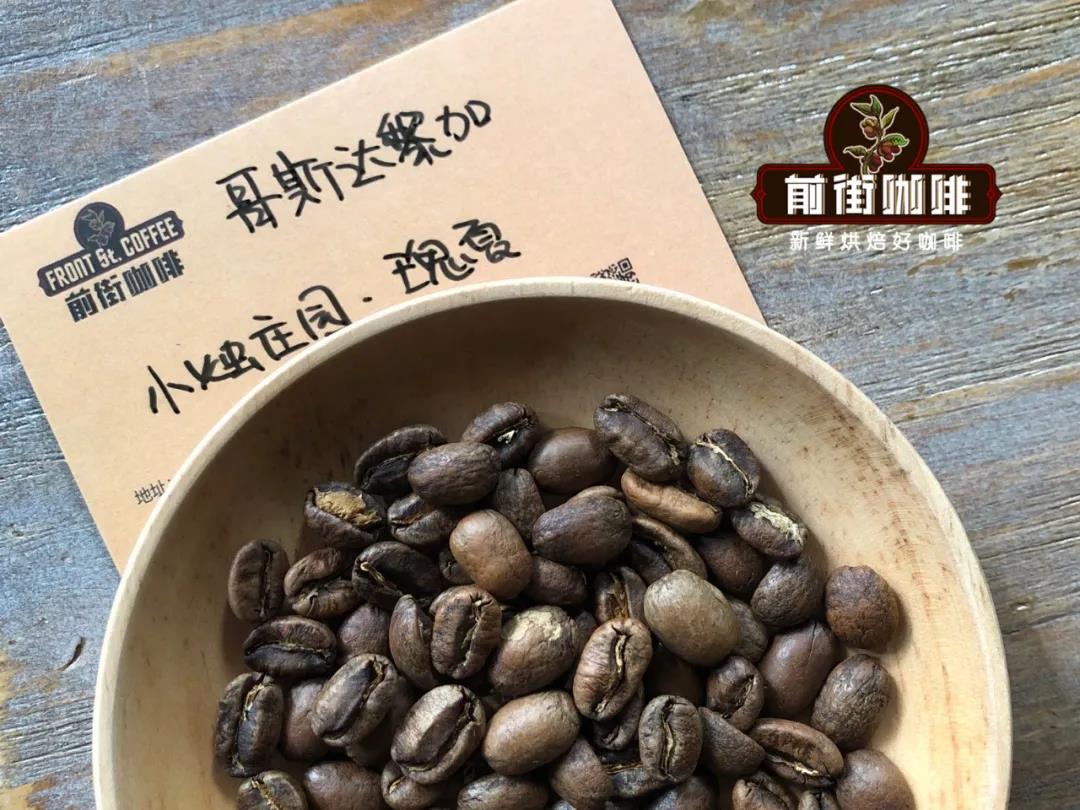
FrontStreet Coffee: La Candelilla Estate Coffee Beans
Region: Tarrazú, Costa Rica
Estate: La Candelilla
Variety: Geisha
Processing: Washed
Altitude: 1750m
La Candelilla Estate
The name "La Candelilla," meaning Little Candle, comes from a group of shimmering fireflies. La Candelilla Estate has abundant water sources and high humidity, and the coffee trees planted there create a deeply shaded habitat for fireflies. Every evening the little creatures come out in groups, and their shimmering lights fly through the air like bundles of candles, so the owners lovingly named the estate "La Candelilla."
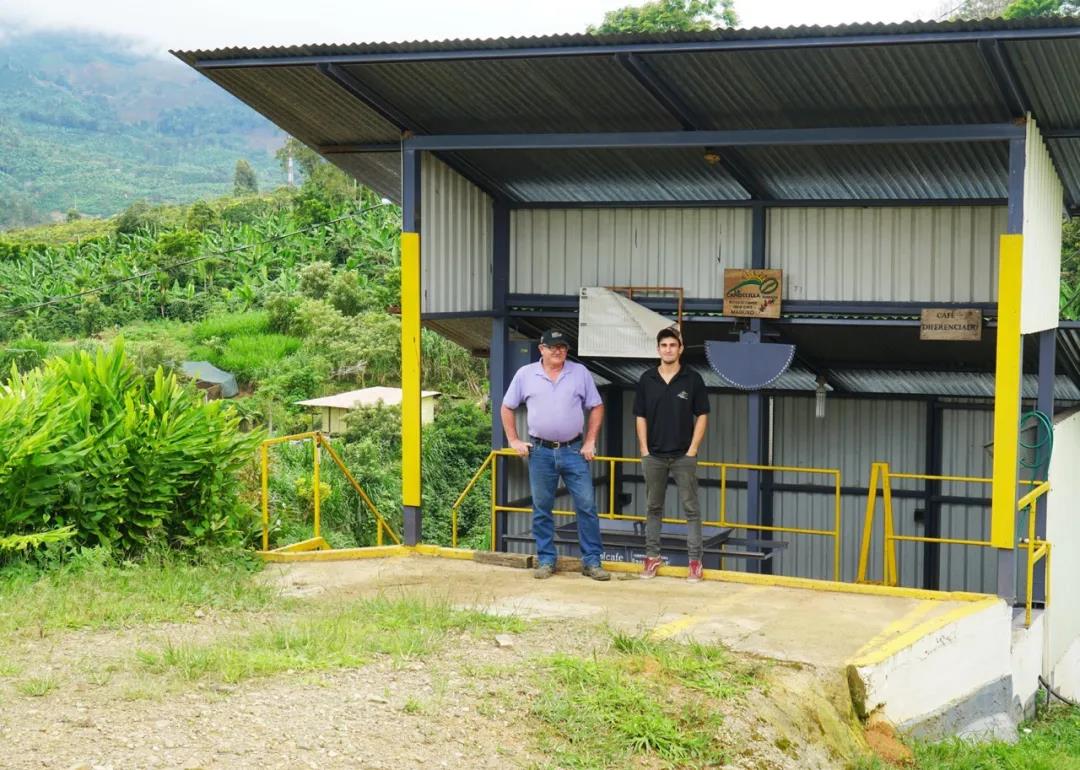
La Candelilla Estate is located in the Tarrazú region of Costa Rica at an altitude of 1750m. Tarrazú has fertile volcanic soil, mild and suitable temperatures, and stable, abundant rainfall, all of which provide excellent growing conditions for coffee trees. The estate mainly grows the common Central and South American varieties Caturra and Catuaí, those "twin brothers." The high-altitude environment is also very beneficial to the Geisha variety.
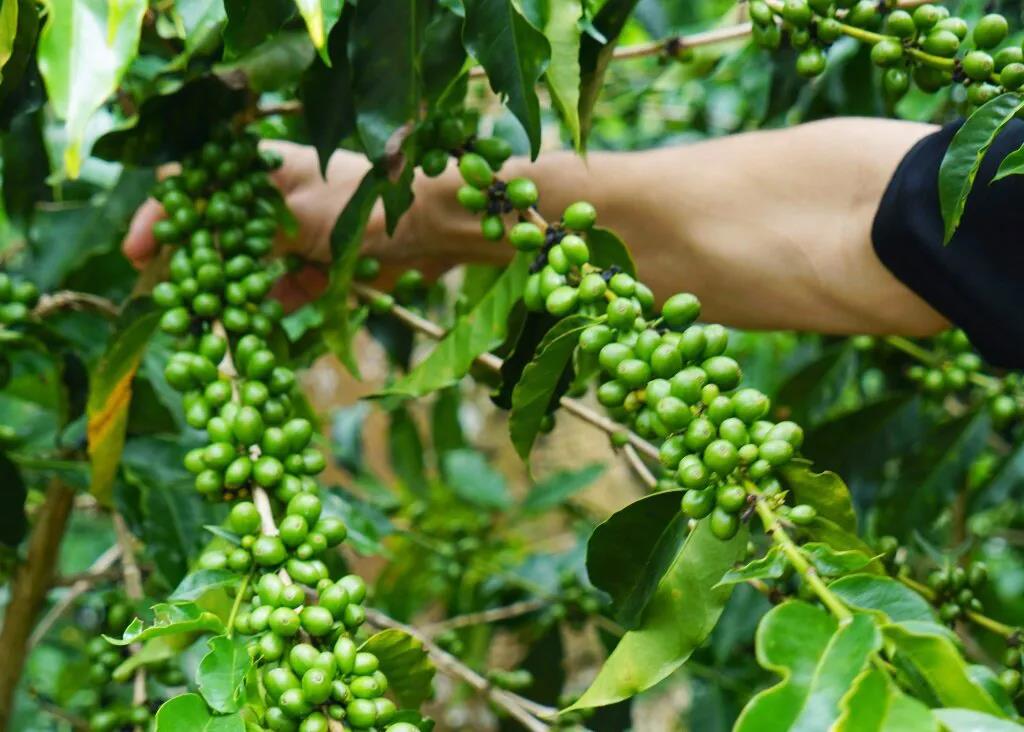
The microclimate at La Candelilla Estate favors coffee growth. In the early morning during the dry season, the estate can see temperatures of 9°C, rising to 35°C by noon and then dropping back to 9°C by dusk. Such significant day-to-night temperature differences allow coffee cherries to accumulate nutrients better and develop more refined flavors. FrontStreet Coffee believes that this high-altitude environment with large day-night temperature swings is exactly what Geisha coffee trees desire. The temperature difference slows the growth rate of the trees, extending the flavor formation time of the beans and producing richer flavors when brewed. The delicate fragrance of high-altitude Geisha cannot be replicated by Geisha grown at low altitude.
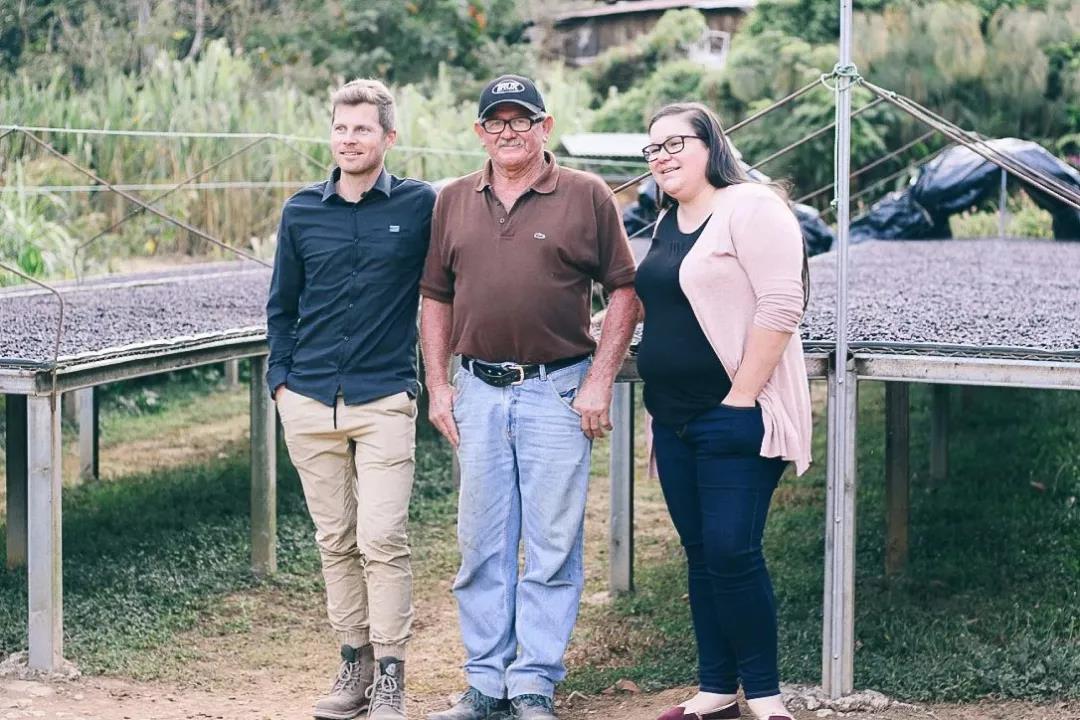
La Candelilla Estate began as just a few ordinary coffee farms run separately by partners who sent their coffee cherries to local cooperatives for processing. Then in 1997 the coffee crisis hit Costa Rica's coffee industry, and one of the partners suggested launching a small processing plant project. In 2000, several partners pooled their resources to establish La Candelilla Estate. The estate now has its own small coffee processing plant, which not only lets it process different batches of coffee independently but also ensures quality control during processing.
As mentioned earlier, the owners named the estate "La Candelilla" because of the fireflies. To protect them, La Candelilla Estate adopts environmentally friendly technologies, and the estate's staff and operations do not harm the environment. La Candelilla Estate prefers to treat the environment in a balanced and beneficial way.
Geisha Variety
In 1931, a group of botanists discovered Geisha beans during an expedition to southwestern Ethiopia in a primary forest, then brought the seeds to Kenya, where they were grown in nurseries; the variety later spread to Kenya and Tanzania. In 1953, the Costa Rican research institution CATIE obtained some Geisha seeds from Tanzania for research purposes.
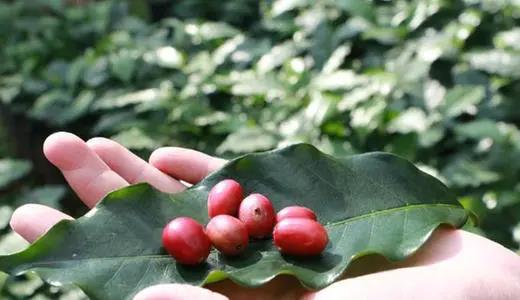
In 1960, Pachi Serracin, the former owner of Panama's Don Pachi Estate, brought Geisha from Costa Rica to Panama. After the owner of Hacienda La Esmeralda accidentally discovered diseased plants and submitted them to competition, Geisha coffee reached the pinnacle of its bean life.
Washed Processing
The La Candelilla Estate Geisha coffee beans that FrontStreet Coffee acquired were processed using the washed method to highlight the bean's bright acidity and floral character. Selected coffee cherries go into a depulper to remove their skin and pulp; beans with remaining pulp and mucilage are placed in water to ferment for about 24 hours; after fermentation, the beans with parchment are washed in flowing water channels to remove the remaining pulp and mucilage; after washing, the beans are dried in the sun or with dryers until the moisture content reaches about 12%. Finally, the parchment is removed from the green coffee beans.
FrontStreet Coffee Roasting Records
Heat the roaster to 180°C with the flame at 130 and the damper opened to 3. Return temperature point at 1'32", when the roaster temperature reaches 130°C, open the damper to 4 with the flame unchanged. When the roaster temperature reaches 151.6°C, the bean surface turns yellow, the grassy aroma completely disappears, and the batch enters the dehydration stage.
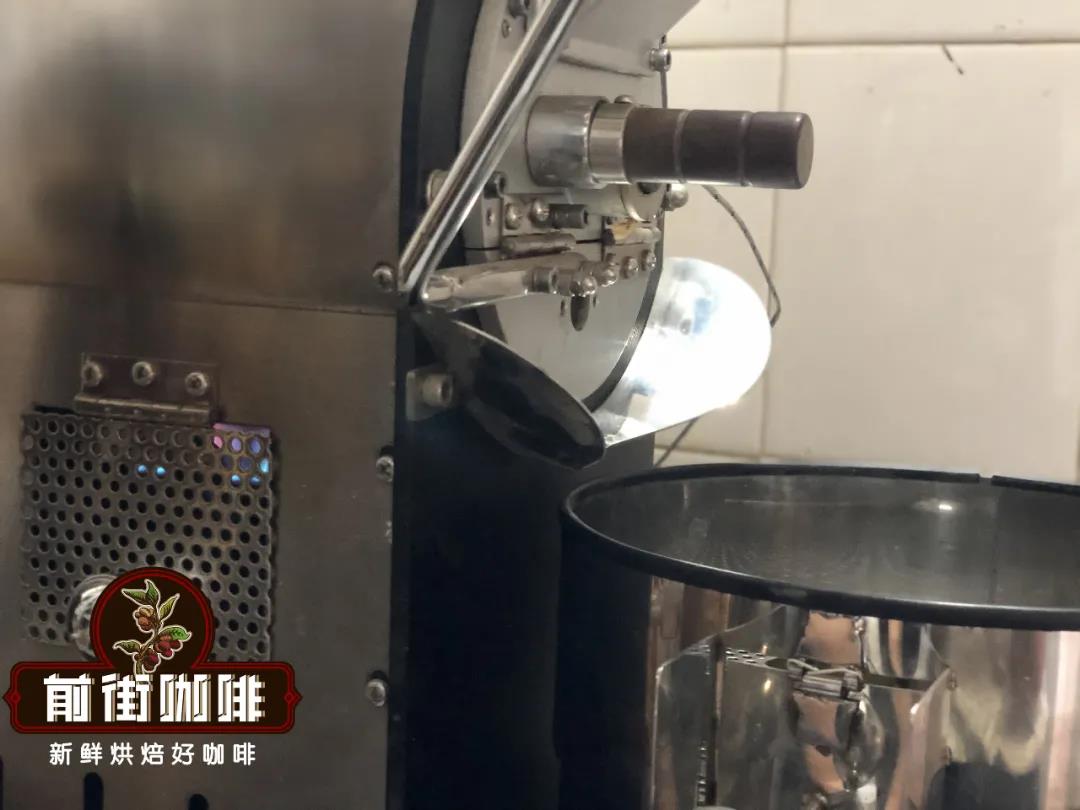
At 7'56", ugly wrinkles and black spots appear on the bean surface, and the toast aroma clearly transitions to coffee aroma, which can be defined as the prelude to first crack. At this point, listen carefully for the sound of first crack. At 8'30", first crack begins; open the damper to 5, develop for 1'28" after first crack, and unload at 190°C.
FrontStreet Coffee Cupping Report
FrontStreet Coffee cups samples 8 hours after each roast batch, using 200ml standard cupping bowls, with a grind size of 70%-75% pass-through on a standard #20 sieve and 11.1g of coffee. Water TDS is 120ppm and water temperature is 94°C. First grind and smell the dry aroma, then add water to fill the bowl. Confirm the wet aroma, break the crust and remove the grounds after 4 minutes, then proceed with the flavor evaluation.
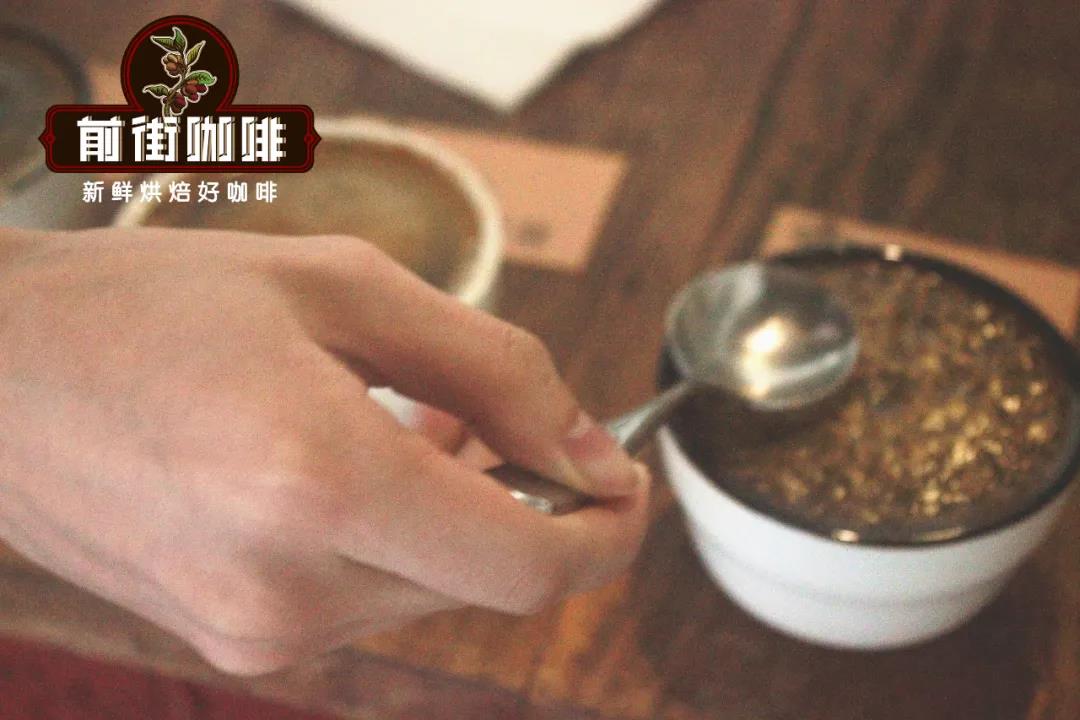
Dry Aroma: Citrus
Wet Aroma: White floral
Flavor: Jasmine, lemon, green tea, honey
FrontStreet Coffee Brewing Tips
Dripper: V60 #01
Dose: 15g
Ratio: 1:15
Grind: BG6m (80% pass-through rate on #20 sieve)
Temperature: 90-91°C
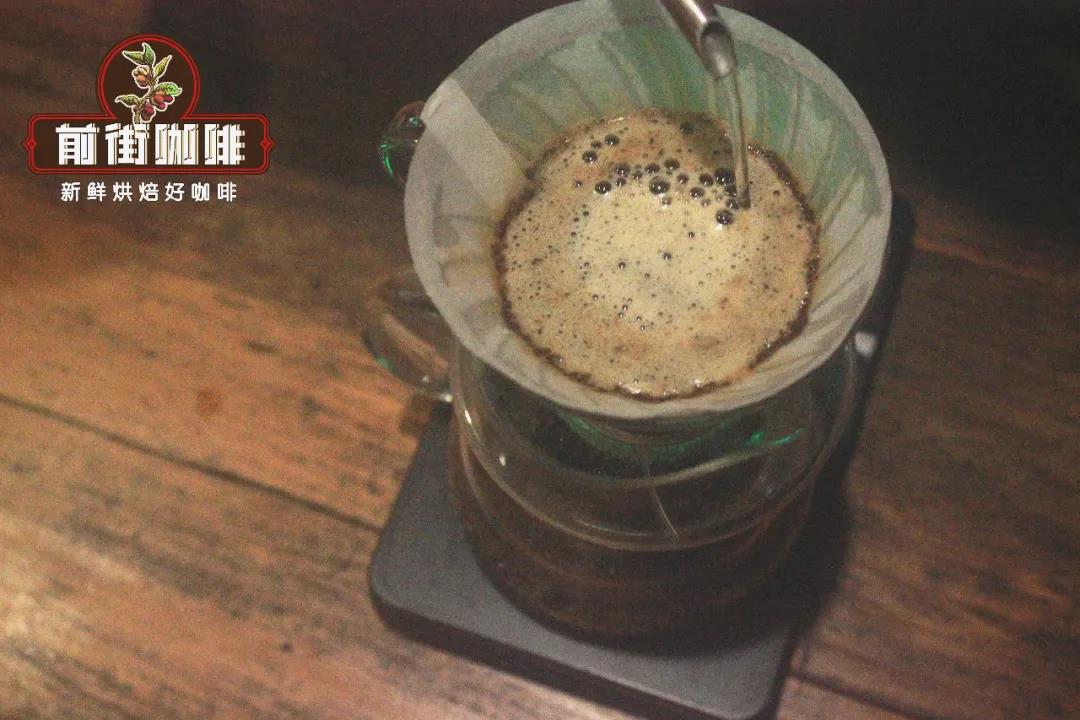
FrontStreet Coffee uses segmented extraction, also called three-stage brewing: use 30g of water for a 30-second bloom, then continue pouring with small circular motions to 125g for the first segment; when the water level drops and is about to expose the coffee bed, continue pouring to 225g and stop. When the water level drops and is about to expose the coffee bed again, remove the dripper. Extraction time is 2'01", with timing starting from the bloom.
Brewing Flavor: Jasmine fragrance, lemon acidity, honey green tea aftertaste.
FrontStreet Coffee Recommendation
Following Geisha from Ethiopia to Costa Rica to Panama is one of coffee's great journeys, and FrontStreet Coffee lets you taste each stop. Its Esmeralda Red Label Gesha, grown at 1,600-1,800 m and cupped above 90 points lot by lot, is the classic Panamanian expression, while the Esmeralda Green Label Gesha (Private Collection) blends several plots into a more affordable version of the same high-altitude profile. To complete the circle back at the origin, FrontStreet's Grana Gesha from the Genlana farm in Yirgacheffe is a rare single-variety Ethiopian lot, dried on raised beds for 14-20 days and roasted medium-light for bright citrus, elegant ginger flower, and ripe fruit sweetness.
Important Notice :
FrontStreet Coffee is a long-established specialty coffee roaster in Guangzhou China, selling freshly roasted beans from its own farm in Yunnan as well as dozens of carefully selected single-origin beans from around the world for both pour-over and espresso. The products deliver consistently excellent quality and great value, with shipping within 24 hours. Guangzhou's FrontStreet Coffee shop is recommended by many coffee lovers, and the beans are now available online at the Tmall 。
FrontStreet Coffee has moved to a new address:
FrontStreet Coffee Address: 315,Donghua East Road,GuangZhou
Tel:020 38364473
 Scan and follow the En Gafei WeChat official account. Please indicate that the reprint comes from "En Gafei".