Differences Between Mandheling and Blue Mountain: How to Brew These Full-Bodied Coffees
Introduction to Rich-Bodied Coffees
At FrontStreet Coffee, when the conversation turns to full-bodied coffees, our baristas usually name two standouts. One is Indonesian Gold Mandheling, prized for its rich spice and herbal flavors and its weighty texture. The other is washed Jamaica Blue Mountain, a coffee defined by a near-perfect balance of sweet, sour and bitter notes and an equally generous mouthfeel. So what actually separates these two heavyweights? Today FrontStreet Coffee looks at the differences between Mandheling and Blue Mountain.
Indonesian Gold Mandheling Coffee
Indonesia's main coffee-growing regions include the islands of Sumatra, Java and Sulawesi, and Sumatra's Mandheling is the most renowned of them. Mandheling is also called Sumatra coffee. Beans from around Lake Tawar in the north are referred to as Aceh or Tawar Lake coffee, while coffee from the Lintong and Lake Toba areas is called Mandheling. Strictly speaking, and by tradition, only beans produced in the Lake Toba region, in northwestern Sumatra, earn the name Mandheling.
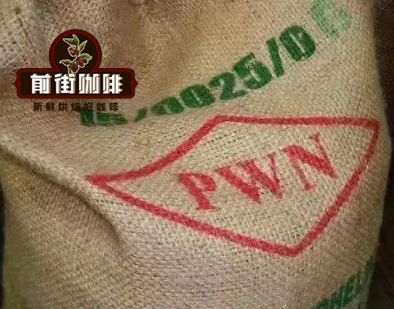
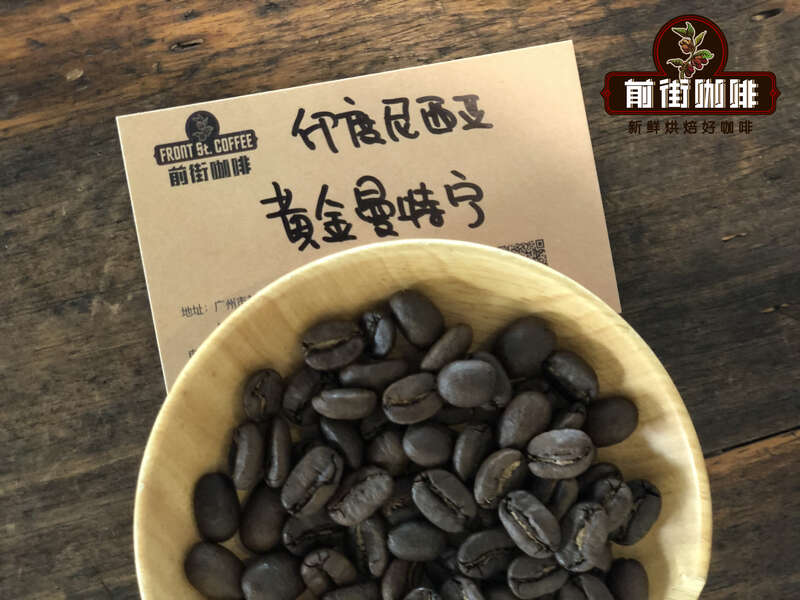
Gold Mandheling comes from PWN (Pwani Coffee Company), an Indonesian green coffee supplier that was the first company to partner with Japan to sell Gold Mandheling. After wet-hulling, PWN's Gold Mandheling undergoes three rounds of manual selection to pick out plump, flawless beans, which is what delivers its uniform color and consistent bean shape. Gold Mandheling beans are size 18 or larger, with fewer than 3 defective beans per 300 g sample, which places them at Grade G1, the highest grade. They are deep green and uniformly flat. It is said that during processing the beans give off a golden luster in sunlight, which is how the name "Gold Mandheling" arose. FrontStreet Coffee's Gold Mandheling beans are all sourced from PWN Company.
Mandheling Coffee Bean Processing - Wet-Hulling Method
Wet-hulling is the traditional processing method for Sumatran coffee. The parchment is removed while the beans are still moist, at a moisture content of 30-50%, before drying continues, which solves the problem of excessively long drying times. Because drying is shortened to two to four days, the fermentation period is reduced, significantly lowering acidity while increasing body. Caramel and fruit aromas become more pronounced, sometimes with herbal or grassy notes and woody aromas, the distinctive regional fragrances unique to Sumatra.
- The coffee cherries are depulped, and the parchment beans are placed in large water tanks or troughs. Floating defective parchment beans are skimmed from the surface.
- The dense parchment beans that sink to the bottom are briefly cleaned, removed and placed in buckets or plastic bags for a short dry fermentation. This lets the mucilage sugars on the parchment surface ferment and develop flavor. Broadly, the longer the fermentation, the stronger the acidity. Fermentation times vary by producer, typically just a few hours, though some estates skip the dry fermentation stage entirely and sun-dry the parchment beans directly to preserve acidity and increase viscosity while still allowing full mucilage fermentation. Fermentation usually runs between 12-36 hours depending on conditions.
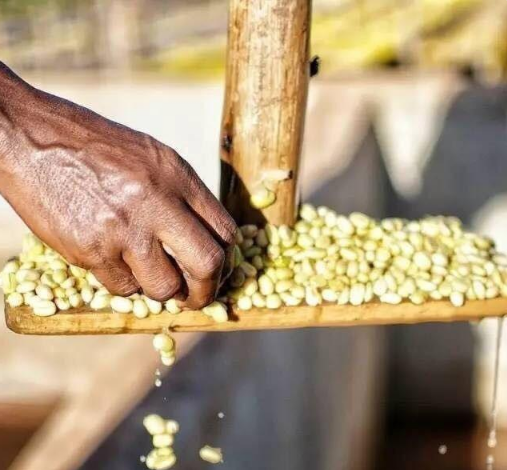
- The parchment beans are sun-dried for one to two days until moisture content reaches 30-50%. At this point the beans are still semi-hard and semi-soft. A hulling machine removes the parchment, and drying continues to accelerate the process. After about two days, when moisture content reaches 12-13%, the beans are collected into woven bags, typically 40 kg and 80 kg bags, and sent to processing facilities for hulling. The entire process takes about four days.
- Hulling uses a machine to remove the husk, followed by further drying until moisture content reaches approximately 12-15%. The beans are then mechanically sorted to remove impurities and classified by particle size.
Jamaica Blue Mountain Coffee
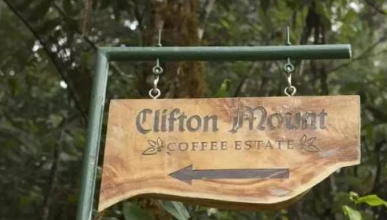
The Blue Mountain range lies in eastern Jamaica. On a clear day the Caribbean Sea surrounds the mountains, and direct sunlight on the azure water throws a brilliant blue reflection across the peaks, which is how the range got its name. The highest peak reaches 2,256 meters, making it the tallest in the Caribbean and a famous tourist destination; coffee can only be grown below 1,700 m, and the land above is designated protected forest. The area sits within the coffee belt, with fertile volcanic soil, clean air, a humid climate of year-round fog and rain, average rainfall of 1,980 millimeters, and temperatures hovering around 27°C. Those conditions created the world-renowned Jamaica Blue Mountain coffee, as well as the world's most expensive coffee. Only Blue Mountain coffee grown above 800 meters is considered authentic. The Blue Mountain in FrontStreet Coffee's selection is grown at 1,310 meters and comes from the Clifton Estate.
What is Authentic Blue Mountain Coffee?
Under CIB regulations, only Blue Mountain coffee beans produced above 2,200 feet in Jamaica may be called Jamaica Blue Mountain. Grades are classified by bean size into NO.1, NO.2, NO.3 and hand-selected PB (Peaberry). The basic standards for NO.1 Blue Mountain green beans include bean size 17 or larger, a defect rate below 3%, and moisture content around 13%.
The Jamaica Coffee Industry Board can currently issue certificates for all exported Blue Mountain coffee.
Certificates fall into three types:
- Quality Certificate issued by the Jamaica Coffee Industry Board
- Authorization Sales Certificate issued by Blue Mountain coffee manufacturers. (Blue Mountain coffee is distributed by 4 government-licensed processors in Jamaica and exported by 16 licensed exporters)
- Jamaica Blue Mountain Origin Certificate
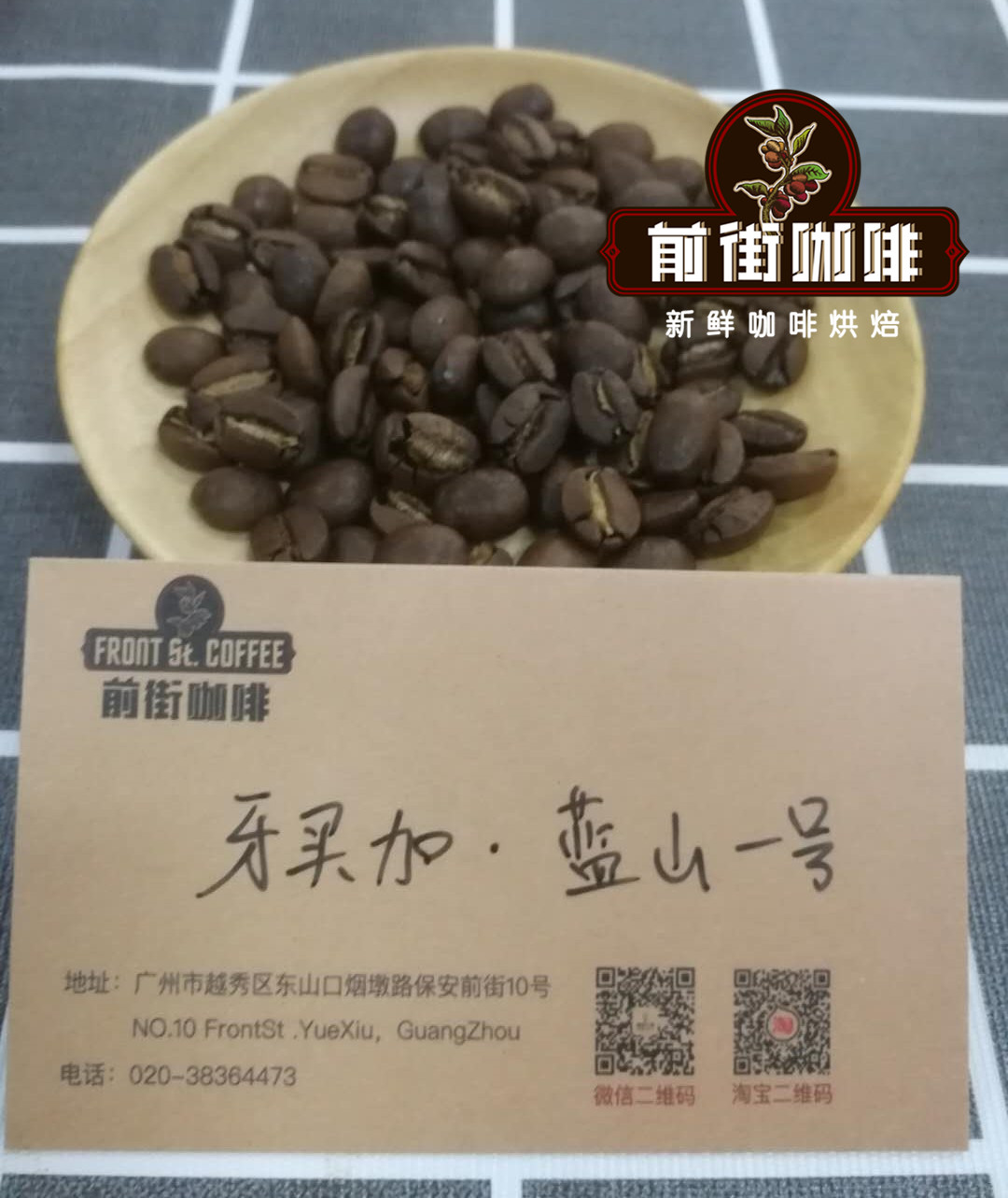
FrontStreet Coffee's Blue Mountain is sourced through the national Coffee Board's designated export companies, with green beans packed in wooden barrels and carrying Rainforest Alliance certification.
Blue Mountain Coffee Bean Processing
Before 2019, Clifton Farm's Blue Mountain was always processed using the washed method. The pulp and skin are removed first, followed by 12-18 hours of fermentation. The fermented beans are then placed in pools and moved back and forth, using friction between the beans and the power of flowing water to wash them until smooth and clean. After washing, the beans are still encased in parchment at 50% moisture content and must be sun-dried down to 12-14%; otherwise they would keep fermenting and spoil. The beans are then sorted and stored in specialized warehouses. This washed process gives Blue Mountain its rich aroma, balanced flavor and its defining quality: no single taste is overly prominent or deficient. In 2019, Clifton Farm broke from its traditional model and used natural processing for the first time. For FrontStreet Coffee, this natural-processed Blue Mountain represents a shift in flavor structure driven by the different method. When introducing beans from a specific region, we generally recommend starting with the washed version, since washing best expresses the regional profile. Blue Mountain's move to natural processing is, of course, largely a response to the market.
How Does FrontStreet Coffee Roast Gold Mandheling and Jamaica Blue Mountain Coffee Beans?
To highlight Mandheling's herbal spice character and rich mouthfeel, and to emphasize the washed Blue Mountain's balanced sweet, sour and bitter flavors with full body, FrontStreet Coffee uses medium-dark roasting for both.
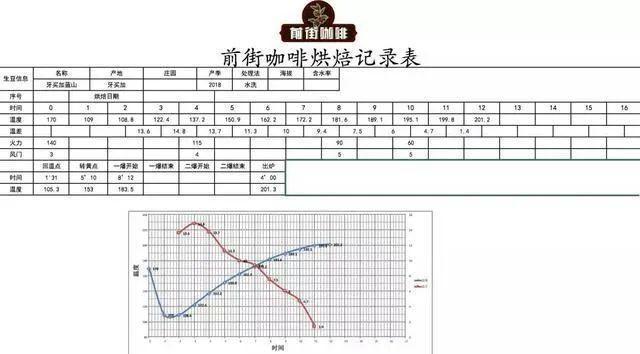
FrontStreet Coffee Washed Blue Mountain Coffee Bean Roasting Curve
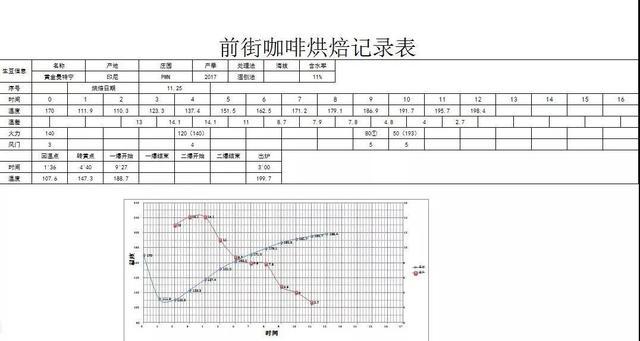
FrontStreet Coffee Gold Mandheling Roasting Curve
How Does FrontStreet Coffee Brew Gold Mandheling and Washed Blue Mountain Coffee?
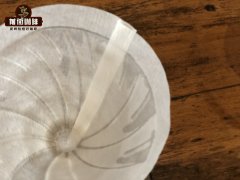
FrontStreet Coffee reaches for the KONO dripper when brewing medium-dark roasted beans. The KONO's ribs stop less than halfway up the dripper wall. Once the filter paper is wet, this design keeps it hugging the wall and restricts airflow, which increases the time the grounds absorb water, producing more even extraction and greater body.
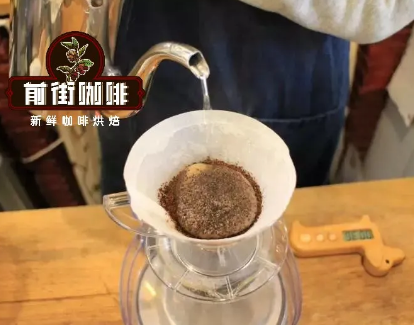
Brewing Parameters:
Recommended water temperature: 88-89°C
Grind size: Fuji Royal "Guichi" (Oni-tooth) grinder setting 4.5 (coarse sugar size)
Coffee-to-water ratio: 1:15
FrontStreet Coffee brewing method: Use 30 g of water for a 30-second bloom. When the water reaches 125 g, split the pour. When the water level drops and is about to expose the coffee bed, continue pouring to 225 g, then stop. When the level drops and is about to expose the bed again, remove the dripper (timing starts from the bloom). Extraction time: 2'00" to 2'15".
Brewing Flavor Profiles:
Gold Mandheling Brewing Flavor: Nuts, spices, herbal notes, licorice, chocolate, caramel, with clean and gentle flavors.
Washed Blue Mountain Brewing Flavor: Exceptionally clean and complex, very mild, with chocolate sweetness and strong body. The flavor is rich and mellow, with a perfect balance among coffee's sweet, acidic and bitter notes. Completely free of bitterness, with only moderate and perfectly judged acidity, and a persistent fruity aftertaste.
FrontStreet Coffee Recommendation
Both coffees in this comparison come down to the same idea: a deep, syrupy body built either by Sumatra's wet-hulling or by Jamaica's washed Blue Mountain process. If the wet-hulled side is what appeals to you, FrontStreet Coffee's PWN Golden Mandheling is the top of that ladder. PWN is known for buying only high-quality Mandheling green beans, and the lots are sorted by machine and by hand to leave plump, clean beans. The beans are uniform, large and translucent with a low defect rate, and after medium-dark roasting they carry a rich roasted aroma, a clean cup and a full body, which makes them an ideal choice for anyone who dislikes acidic coffee.
For everyday drinking, FrontStreet's Lindong Mandheling house lot comes from the Lintong region of Sumatra, while the Golden Mandheling hails from Aceh. Both are roasted medium-dark to bring out black chocolate and caramel while preserving the wild herbal character that wet-hulling gives Mandheling. Expect clove and woody aromatics, low acidity, a minty spice edge and a long, thick, sweet finish. If you want the same coffee in a machine, FrontStreet's Classic Blend adds medium-dark Mandheling to a creamy, nutty Brazilian base, which lifts the body of the whole cup and layers in sandalwood, herbal and spice notes; a small amount of Robusta is included to boost the richness of the crema, which makes latte art and a clean Dirty equally easy.
Golden Mandheling shows its best side as pour-over. FrontStreet suggests water at 87-88°C, 15 g of coffee and a 1:15 brew ratio, ground to the texture of coarse sugar, using a three-stage pour, which better expresses the full body and caramel sweetness. Bloom with 30 ml to saturate all the grounds and release gas, then pour 100 ml to bring up the golden foam and raise the bed, and finish with a gentle center pour of 95 ml to lift the sweetness. The result is a thick, rounded mouthfeel with caramel sweetness and chocolate and nut flavors. Because these are medium-dark roasts, keep the water below boiling and pour gently, letting the bed drain between stages rather than rushing the extraction.
Important Notice :
FrontStreet Coffee is a long-established specialty coffee roaster in Guangzhou China, selling freshly roasted beans from its own farm in Yunnan as well as dozens of carefully selected single-origin beans from around the world for both pour-over and espresso. The products deliver consistently excellent quality and great value, with shipping within 24 hours. Guangzhou's FrontStreet Coffee shop is recommended by many coffee lovers, and the beans are now available online at the Tmall 。
FrontStreet Coffee has moved to a new address:
FrontStreet Coffee Address: 315,Donghua East Road,GuangZhou
Tel:020 38364473
 Scan and follow the En Gafei WeChat official account. Please indicate that the reprint comes from "En Gafei".