Latte Coffee Ratio: Espresso to Milk Ratio & Glass or Ceramic for Latte Cups?
Latte Coffee: Proportions and Cup Selection
The latte has always been a crowd favorite, and every coffee shop seems to serve it in a different cup size. So which size actually suits a latte best? This time, FrontStreet Coffee walks through latte proportions and how to choose the right cup capacity.
The Meaning of Latte
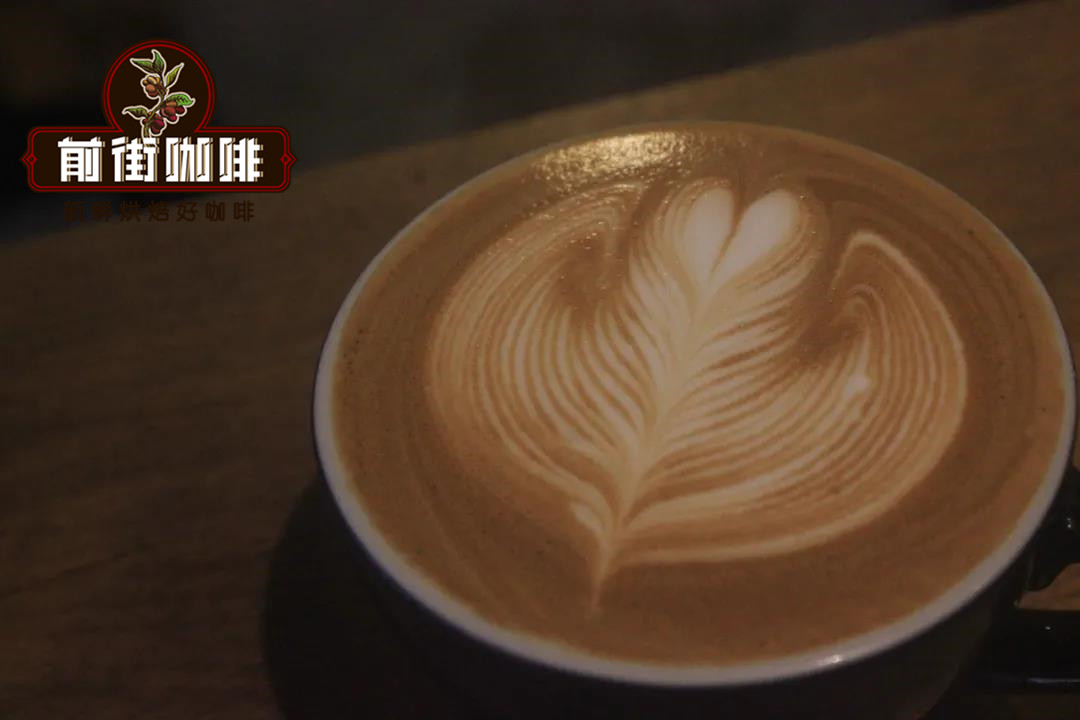
"Latte" is simply the Italian word for "milk," so latte coffee literally means "milk coffee." Every cafe tweaks the milk-to-coffee ratio, bean selection, and extraction parameters in its own way, but at its core a latte is an espresso drink built on a large volume of milk. Because milk dominates, the milk flavor leads while the coffee plays supporting, and a thin layer of microfoam gives the drink its delicate, silky texture. FrontStreet Coffee recommends a 1:9 ratio for a latte (1ml espresso to 9ml milk).
FrontStreet Coffee's Espresso Blend
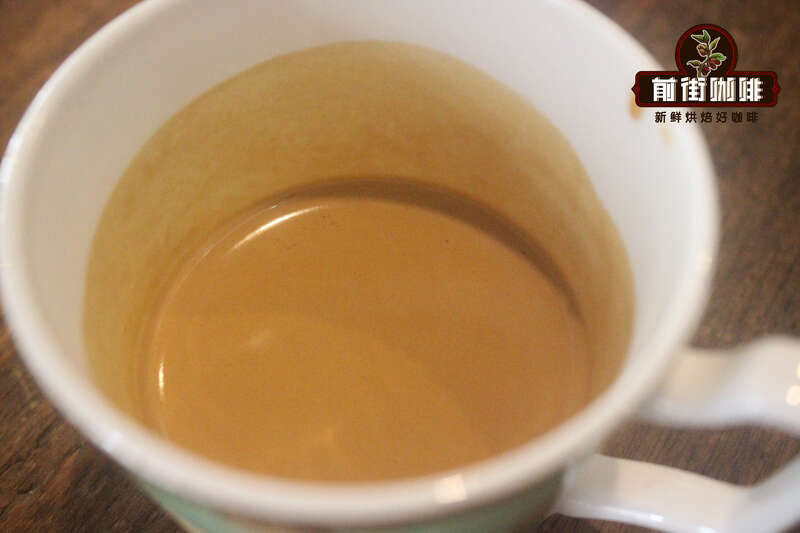
FrontStreet Coffee currently builds its espresso from a blend of medium-dark roasted sherry barrel-processed coffee and medium-dark roasted natural-processed Yirgacheffe Red Cherry Project beans. Sixty percent Honduras sherry barrel beans supply the blend's flavor and body, while the forty percent natural Yirgacheffe lifts the aroma and acidity.
Espresso Extraction Parameters
- Pressure: 9 bar ± 2
- Temperature: 90.5~96°C
- Time: 20~30 sec
- Powder-to-water ratio: 1:1.7~1:2
- Dose: 12g (single shot espresso), 20g (double shot espresso)
- Extraction yield: 20ml (single), 40ml (double)
The Importance of Fresh Milk
A great latte depends on more than the quality and flavor of the espresso blend - the fresh milk matters just as much. Heating releases the sweet lactose molecules in milk, and when it is evenly integrated with the espresso, the whole drink takes on a natural, sweet milk character that never smothers the espresso. Instead, the milky backdrop actually heightens the espresso's expression.
FrontStreet Coffee's Milk Frothing Parameters & Tips
- Milk: Whole fresh milk
- Frothing temperature: 50-60°C
- Foam thickness: 1cm
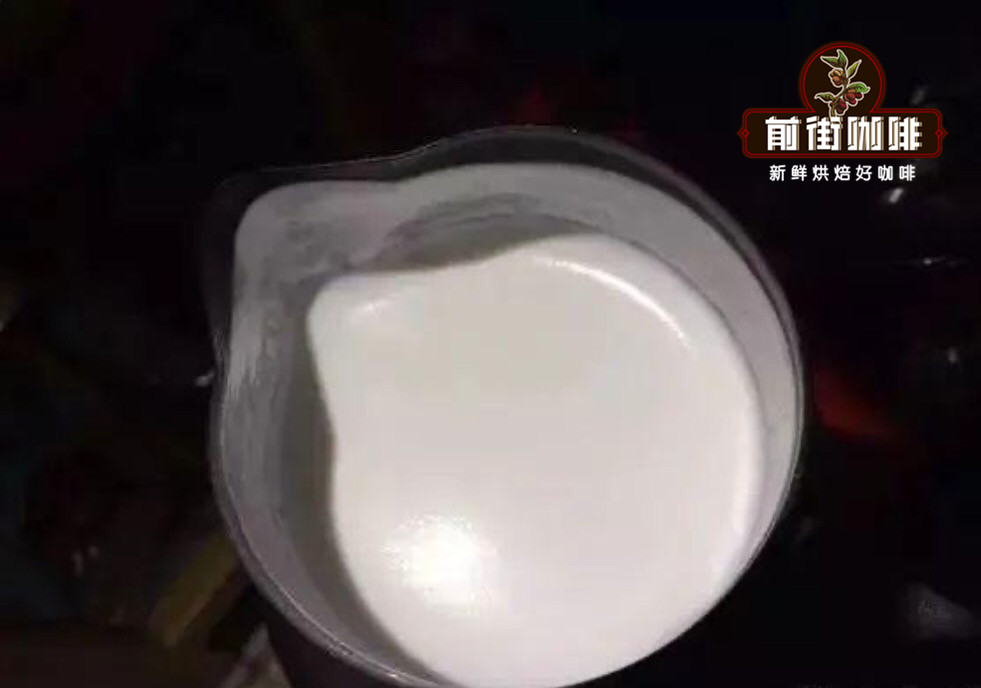
Latte foam is relatively thin, which is what makes the drink so smooth and delicate. When steaming milk for a latte, keep the foam from getting too thick: the surface should look glossy, free of obvious large or small bubbles, with an overall fine, beautiful texture.
Milk Frothing Techniques
Rinse before turning on the steam wand: Purge the wand first to expel water from the tip and avoid overly wet foam (drape a clean cloth over it to catch splatter).
Steam wand insertion: Insert the tip into cold milk so the steam can flow in. Depth matters: too deep and the milk only heats without foaming; too shallow and you get big, soapy bubbles that make latte art difficult. A gentle tap of the pitcher on the counter will burst any large bubbles.

Steam wand positioning: The most reliable setup is to insert the wand just inside the pitcher's spout, with the tip pointing toward the center, offset about 1cm.
Turn on the steam: Begin frothing. Listen as the steam enters: you want a soft hiss like blowing through a straw into a drink, with no crisp cracking of bubbles against the metal pitcher. Once the milk reaches 50-60°C, shut off the steam.
Cup Selection for Latte Coffee
What capacity and material cups suit single and double shot hot lattes?
FrontStreet Coffee recommends ceramic cups for hot lattes. Ceramic is substantial and insulates well, which is exactly why you should always pre-warm the cup before building a hot latte.

Working from the 1:9 latte ratio, a single shot latte contains 20ml of coffee and 180ml of milk, which suits a 200ml cup, while a double shot latte contains 40ml of coffee and 360ml of milk, which suits a 400ml cup.
FrontStreet Coffee builds its lattes on a double shot because we want the coffee flavor to stand out more, so we typically serve them in 350ml cups.
FrontStreet Coffee Recommendation
Since milk leads the way in a latte, pick a blend that pairs with it beautifully. FrontStreet Coffee recommends its Classic Blend, a traditional Mamba-style recipe with outstanding, silky crema that even a beginner can extract on a home machine, and its Premium Blend of Brazil Cerrado and Colombia Huila beans, which brings smooth almond, walnut, and nut complexities to the cup. For a lower-bitterness, fruit-forward milk coffee, the Strawberry Sugar espresso blend recreates a vivid strawberry candy sweetness that shines through the milk.
Important Notice :
FrontStreet Coffee is a long-established specialty coffee roaster in Guangzhou China, selling freshly roasted beans from its own farm in Yunnan as well as dozens of carefully selected single-origin beans from around the world for both pour-over and espresso. The products deliver consistently excellent quality and great value, with shipping within 24 hours. Guangzhou's FrontStreet Coffee shop is recommended by many coffee lovers, and the beans are now available online at the Tmall 。
FrontStreet Coffee has moved to a new address:
FrontStreet Coffee Address: 315,Donghua East Road,GuangZhou
Tel:020 38364473
 Scan and follow the En Gafei WeChat official account. Please indicate that the reprint comes from "En Gafei".